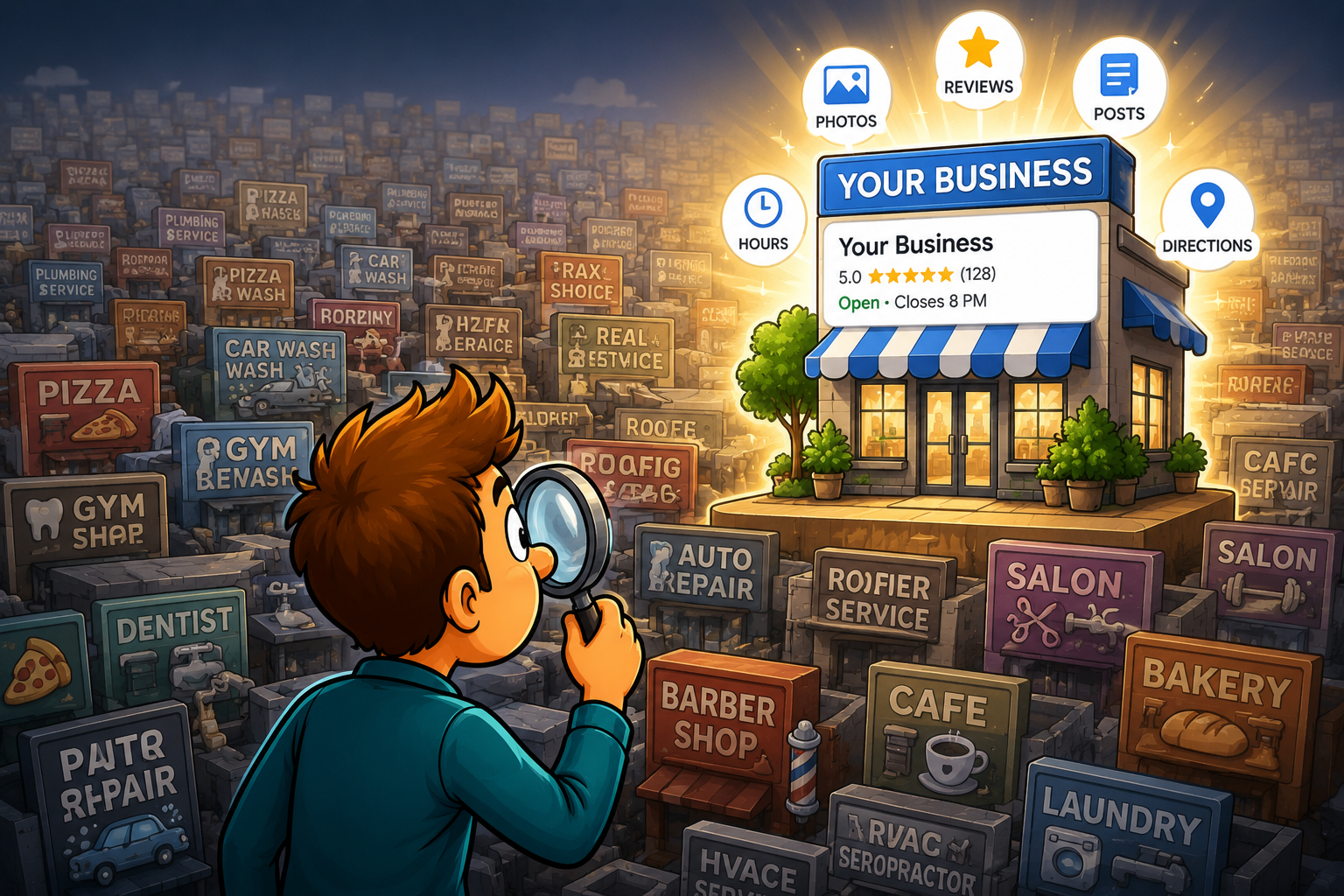
Imagine a family searching Google for a hospital, medical practice, or nursing home in New York City.
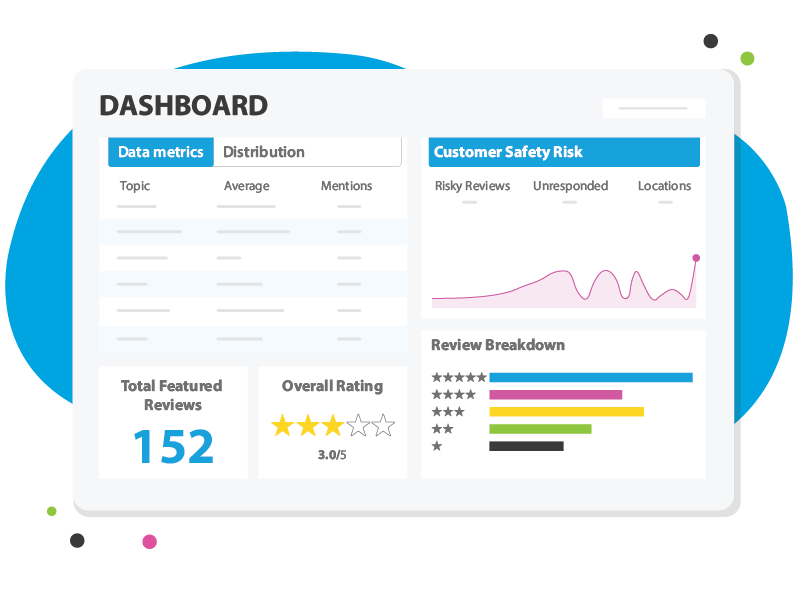
Before making a call, they compare ratings, read recent reviews, study complaints, and notice whether management responds. They may know very little about the quality of care provided behind the scenes, but the reviews immediately shape their expectations.
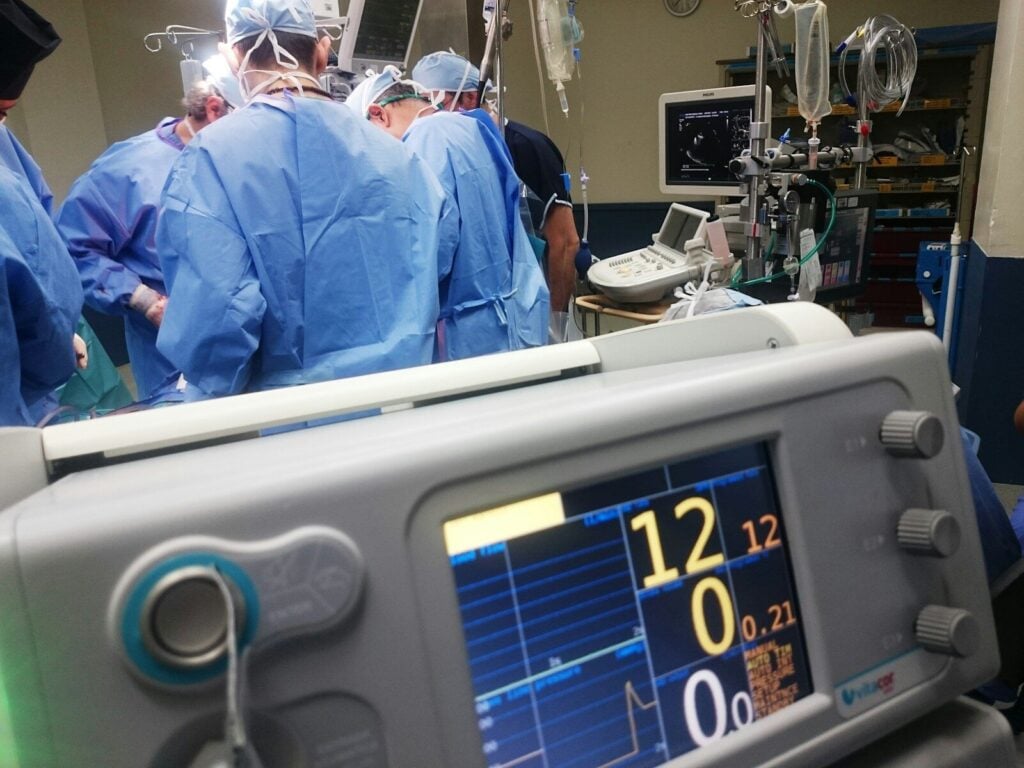
Hospitals often receive poor reviews for reasons extending beyond medical outcomes. Long waits, communication problems, billing confusion, administrative delays, and stressful experiences can influence how patients and families describe an organization online.
These lessons do not apply only to hospitals. NYC physicians, medical-practice administrators, nursing-home administrators, and other healthcare leaders face many of the same reputation challenges.
Understanding why hospitals receive bad reviews can help your organization improve patient communication, monitor concerns, generate more authentic feedback, and build greater trust before someone calls.
🏥 1️⃣ Long Wait Times
One of the biggest complaints in hospital reviews is waiting.
Emergency rooms especially can have long delays. Patients may wait:
- Hours to be seen
- Hours for test results
- Hours for discharge paperwork
When someone is in pain or scared, time feels even longer. Even if care is good, long waits create frustration that often leads to lower ratings.
⏳ 2️⃣ Emergency Rooms Are High-Stress Environments
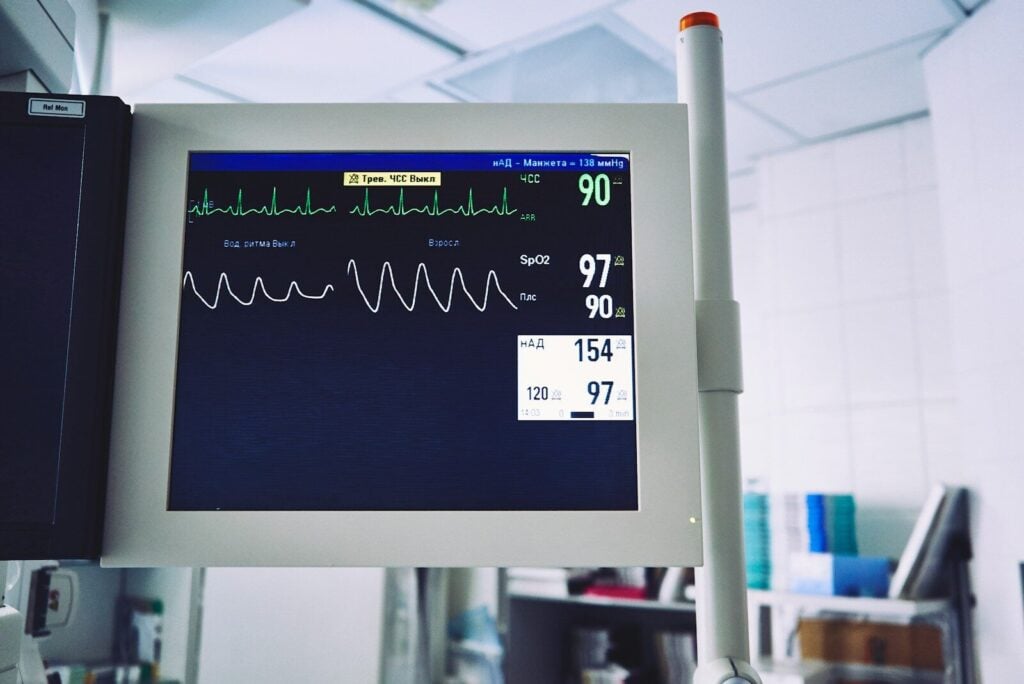
Hospitals handle life-or-death situations daily.
Unlike restaurants or retail stores, hospitals cannot control the volume of emergencies. If a critical trauma case arrives, others must wait.
Patients may not see what’s happening behind the scenes. From their perspective, it feels like neglect — even when staff are working urgently elsewhere.

💬 3️⃣ Communication Gaps
Many hospital complaints aren’t about medical care — they’re about communication.
Patients often report:
- Not understanding their diagnosis
- Feeling rushed during conversations
- Not knowing next steps
- Receiving inconsistent information
Clear communication builds trust. When it’s missing, reviews suffer.

💰 4️⃣ Confusing Medical Billing
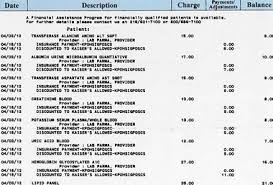
Medical billing is complex.
Insurance coverage, deductibles, co-pays, and surprise charges can confuse patients. When a bill arrives weeks later and seems higher than expected, frustration builds.
Even though billing departments are separate from medical staff, the hospital brand gets blamed.

👩⚕️ 5️⃣ Staff Shortages and Burnout
Hospitals across the country face staffing shortages.
Doctors and nurses often work long shifts under intense pressure. Burnout can impact bedside manner. Even small moments — like not making eye contact — can influence patient perception.
Healthcare workers are human too, but stressed environments can affect reviews.
What Medical-Practice Administrators Can Learn From Hospital Reviews
Medical practices may be smaller than hospitals, but patients frequently complain about the same issues:
- Long hold times
- Difficulty scheduling appointments
- Rushed communication
- Unexpected bills
- Front-desk interactions
- Delayed test results
- Unanswered messages
- Confusing follow-up instructions
A physician may provide excellent clinical care while administrative problems shape the patient’s public review.
Medical-practice administrators should monitor reviews for recurring patterns, establish an approved response process, and create a consistent system for requesting honest feedback from appropriate patients.
| Common Hospital Review Theme | Question Medical Practice Administrators Should Ask | Opportunity for Improvement |
|---|---|---|
| 📞 Long Phone Hold Times | Are calls answered promptly, and do patients receive timely callbacks? | Improve phone workflows, staffing, and callback procedures. |
| 📅 Difficulty Scheduling Appointments | Is booking an appointment simple online and by phone? | Streamline scheduling and reduce patient frustration. |
| ⏳ Long Wait Times | Are patients consistently waiting beyond their scheduled appointment time? | Improve appointment flow and communicate delays proactively. |
| 💬 Poor Staff Communication | Do front-desk staff and clinical teams provide consistent, friendly communication? | Standardize customer service expectations and staff training. |
| 🩺 Rushed Office Visits | Do patients feel heard and respected during appointments? | Improve patient-provider communication and satisfaction. |
| 📄 Confusing Billing or Insurance Issues | Are billing policies explained clearly before services are provided? | Increase transparency and reduce billing-related complaints. |
| 🏥 Cleanliness Concerns | Is the waiting room, exam rooms, and restrooms consistently clean? | Strengthen cleaning schedules and quality inspections. |
| 🔄 Poor Follow-Up After Visits | Do patients receive test results, referrals, and follow-up instructions promptly? | Develop standardized follow-up procedures and patient reminders. |
| 🌐 Outdated Google Business Profile | Are your office hours, services, phone number, and website accurate on Google? | Keep your Google Business Profile complete and up to date. |
| ⭐ Few or Outdated Google Reviews | Does your review profile reflect today’s patient experience? | Build a consistent Google review strategy to earn fresh, authentic reviews. |
Hospital reviews provide valuable insight into what patients expect from every healthcare provider—not just hospitals. Medical practice administrators who regularly monitor patient feedback can identify operational weaknesses, improve the patient experience, strengthen their Google Business Profile, and build a reputation that encourages prospective patients to choose their practice over nearby competitors.

🛏 6️⃣ Cleanliness and Comfort Expectations
Patients compare hospitals to hotels.
They expect:
- Clean rooms
- Quiet hallways
- Comfortable beds
- Good food
When expectations aren’t met, reviews reflect that. However, hospitals prioritize medical care over luxury comfort.

📋 7️⃣ Administrative Delays
Paperwork, discharge instructions, and insurance verification can slow processes down.
From a hospital’s perspective, these steps protect patient safety. From a patient’s view, it feels like unnecessary delay.
This disconnect often leads to poor ratings.

😟 8️⃣ Patients Leave Reviews During Emotional Moments
Hospitals deal with illness, injury, and loss.
Negative emotions are naturally higher in healthcare settings. Patients or family members may leave reviews during stressful times.
A restaurant review might reflect taste. A hospital review may reflect grief, fear, or frustration.
That emotional intensity impacts ratings.
What Nursing-Home Administrators Can Learn From Hospital Reviews
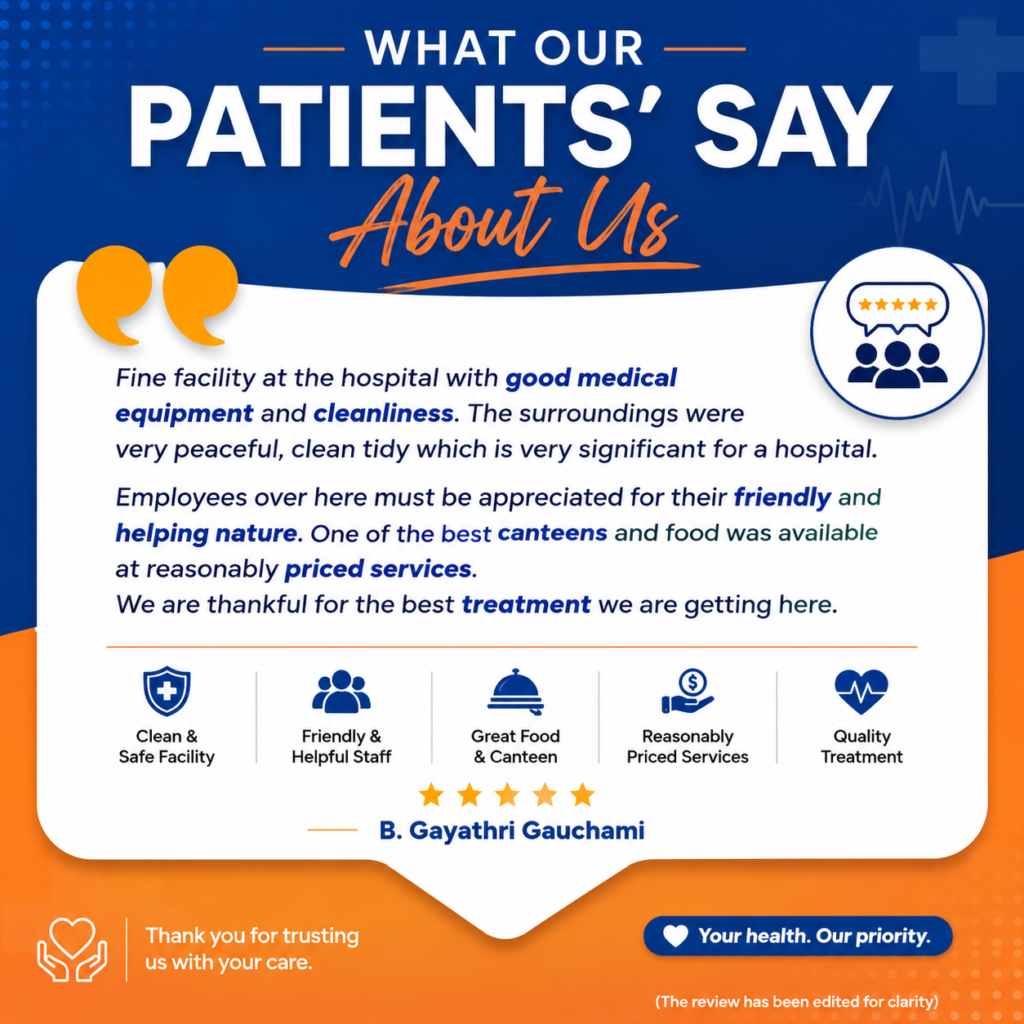
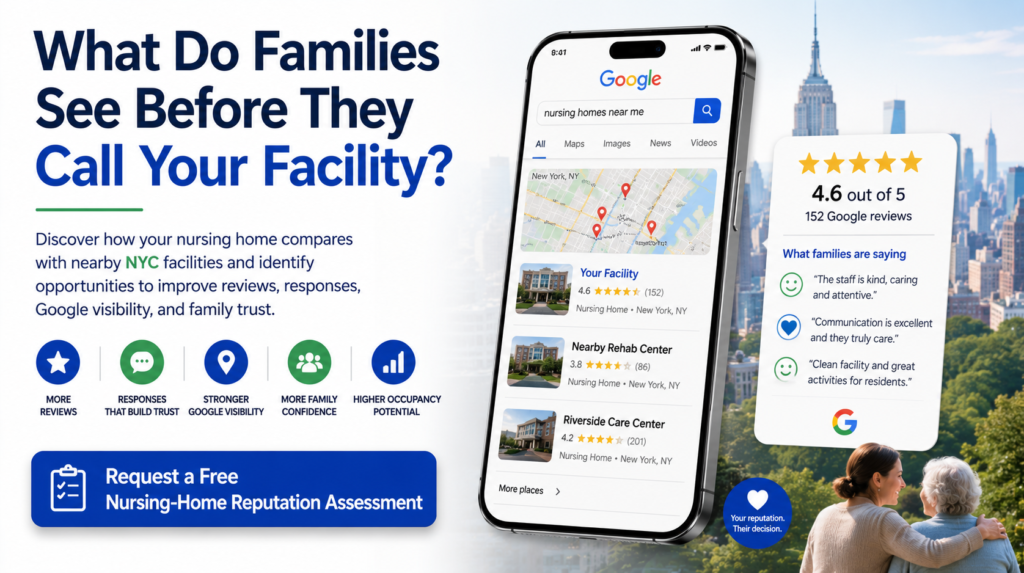
For nursing homes, reviews can affect more than public perception. They may influence whether a family calls admissions, requests information, schedules a tour, or keeps the facility on its shortlist.
Families frequently look for comments about:
- How management handles concerns
- Staff kindness
- Communication with families
- Cleanliness
- Resident dignity
- Food and activities
- Response times
- Admissions
Nursing-home administrators should not wait until a serious complaint appears to begin monitoring reviews. A structured system can help leadership identify feedback, escalate concerns, respond professionally, recognize excellent employees, and strengthen family trust.
📊 9️⃣ Hospitals Serve Everyone
Unlike private businesses that can choose customers, hospitals serve all patients.
This includes:
- Uninsured individuals
- Emergency walk-ins
- Complex medical cases
- Mental health crises
With such a wide patient base, satisfaction levels vary widely.

⭐ 10️⃣ People Review When Angry, Not When Satisfied
Research across industries shows unhappy customers are more likely to leave reviews than happy ones.
In healthcare, this effect is even stronger.
A patient who receives good care may quietly move on. A frustrated patient may post a detailed complaint.

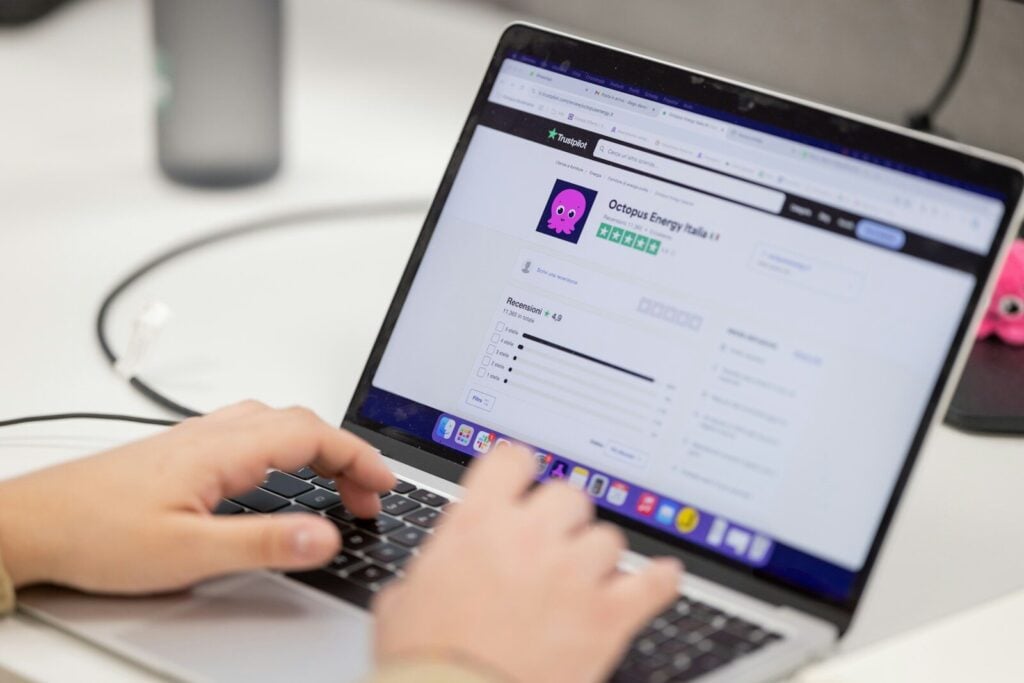
📱 11️⃣ Online Review Platforms Encourage Public Complaints
Websites like Google and Yelp make it easy to leave feedback instantly.
But hospitals are limited in how they respond publicly due to privacy laws like HIPAA. They often cannot fully address complaints online.
This can make responses seem vague, which sometimes worsens public perception.
📈 How Hospitals Can Improve Online Reputation
Despite these challenges, many hospitals are improving their ratings by:
✔ Training staff in communication skills
✔ Reducing wait time transparency (posting updates)
✔ Sending post-visit surveys
✔ Encouraging satisfied patients to leave reviews
✔ Improving billing clarity
✔ Responding professionally to all feedback
Hospitals that focus on patient experience often see steady rating improvements.
How the Same Review Problems Affect Different Healthcare Organizations
| Review complaint | Hospital | Medical practice | Nursing home |
|---|---|---|---|
| Long waits | Emergency-room delays | Waiting-room and appointment delays | Delayed responses or admissions |
| Communication | Confusing care updates | Rushed visits and unanswered calls | Families feeling uninformed |
| Billing | Complex hospital charges | Insurance and copay confusion | Coverage and payment questions |
| Staff interactions | High-pressure encounters | Front-desk and provider experience | Staff kindness and attentiveness |
| Cleanliness | Rooms and common areas | Exam rooms and waiting areas | Resident rooms and shared spaces |
| Administration | Discharge and paperwork delays | Scheduling and follow-up problems | Admissions and care coordination |
| Public responses | Limited by privacy requirements | Must protect patient information | Must protect resident information |
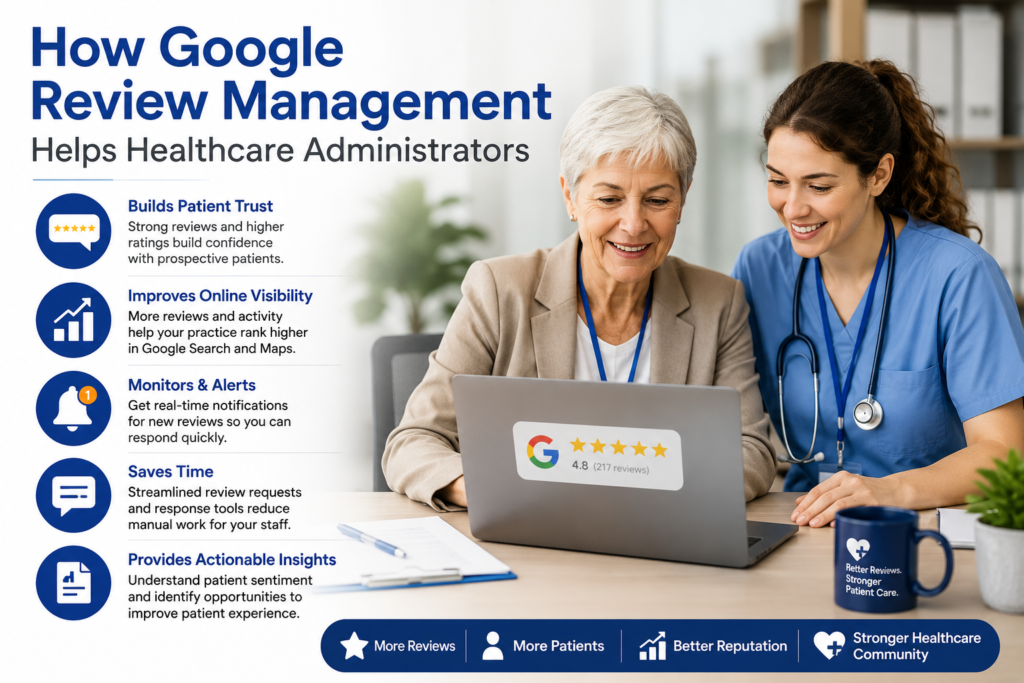
How Google Review Management Helps Healthcare Administrators
Healthcare organizations do not need someone who merely checks their star rating occasionally. They need a consistent reputation-management process.
Lookhin4 helps medical practices and nursing homes:
- Reduce the workload placed on existing staff
- Monitor new Google reviews
- Receive negative-review alerts
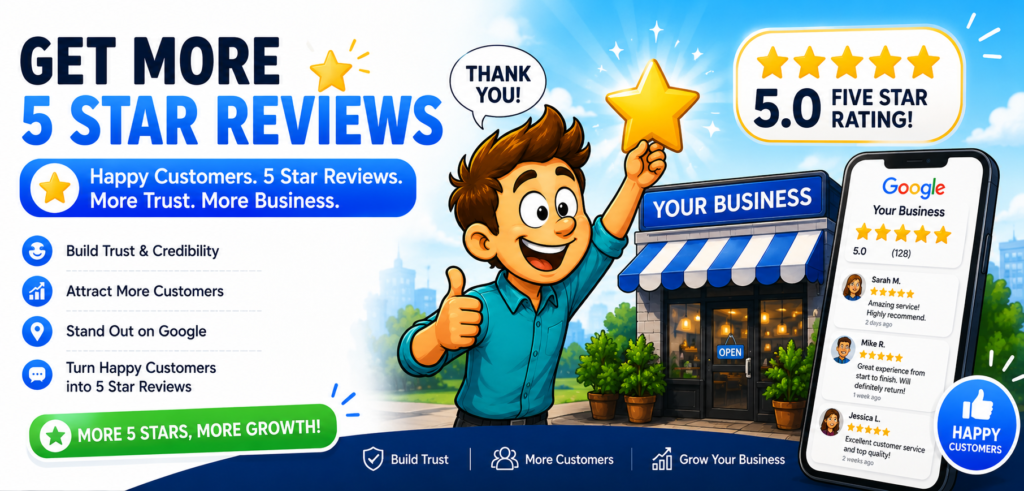
- Request more authentic reviews
- Develop professional response procedures
- Identify recurring feedback
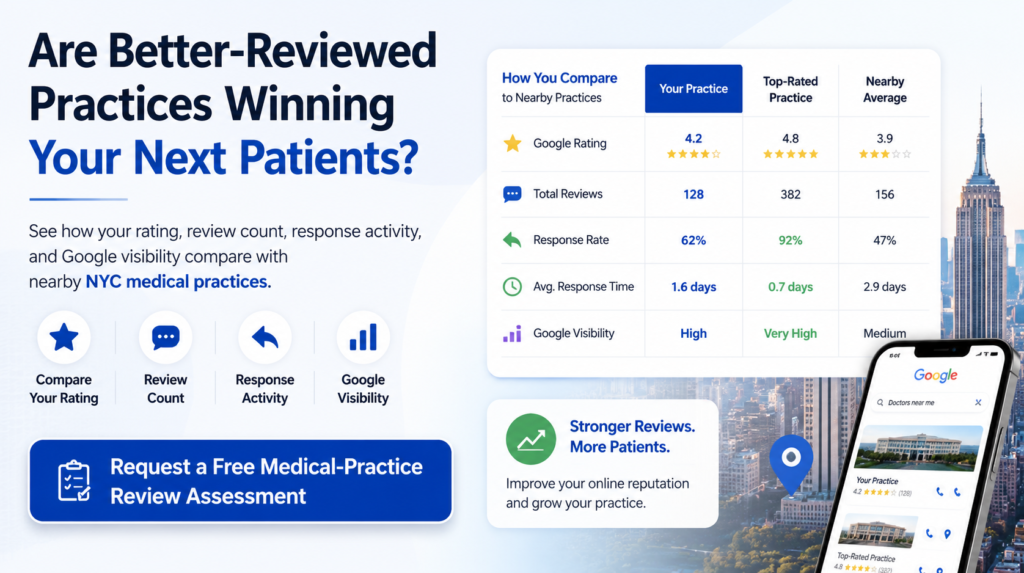
- Compare nearby competitors
- Improve their Google Business Profile
- Strengthen Local SEO
- Track reputation growth
The objective is not to hide legitimate criticism or manufacture five-star ratings. It is to help healthcare organizations listen, respond, improve, and make it easier for satisfied patients and families to share honest experiences.
Choose the Support That Fits Your Organization
| NYC medical practices | NYC nursing homes |
|---|---|
| Generate more authentic patient reviews | Build greater trust with prospective families |
| Monitor patient feedback | Monitor resident and family feedback |
| Improve Google Maps visibility | Support inquiries, tours, and admissions |
| Strengthen patient trust | Protect facility reputation |
| Medical-Practice Review Management | Nursing-Home Review Management |
NYC Medical Practices
NYC Nursing Homes
❓ Frequently Asked Questions
1. Are hospitals actually bad if they have low ratings?
Not necessarily. Many complaints relate to wait times and communication, not medical quality.
2. Why do emergency rooms have worse reviews?
High stress and unpredictable patient volume lead to longer waits and emotional frustration.
3. Can hospitals remove bad reviews?
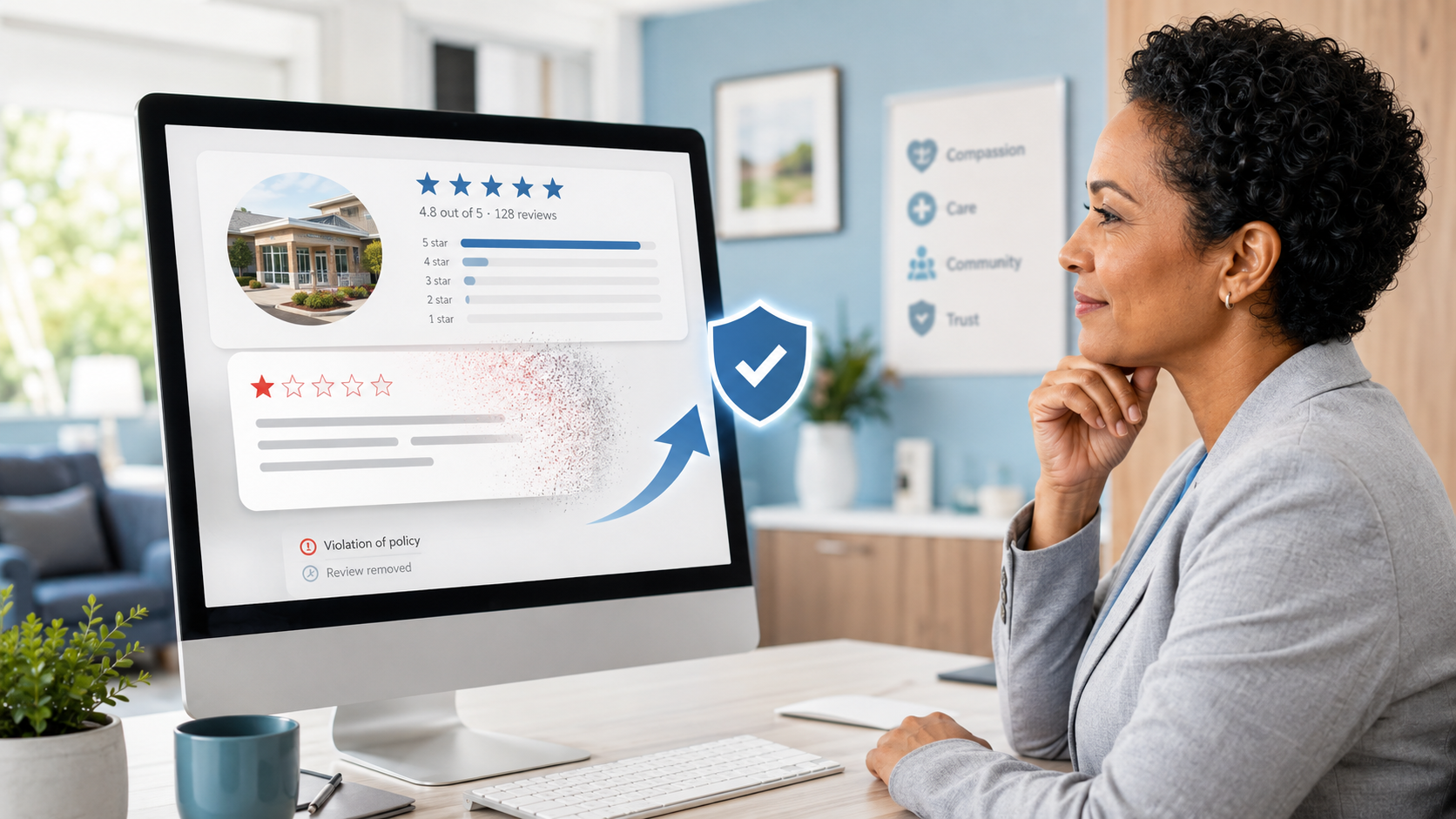
Generally, no — unless the review violates platform policies.
4. Why don’t more satisfied patients leave reviews?
Most people are more motivated to share negative experiences than positive ones.
5. Do hospital ratings reflect quality of care?
Online reviews often reflect experience, not clinical outcomes.
6. How can hospitals improve ratings?
Better communication, transparency, and encouraging balanced feedback can help.
Bad Reviews Are Often Warning Signs—Not the Whole Story
Hospital reviews demonstrate an important truth: excellent clinical care does not automatically create an excellent public reputation.
Patients and families also remember communication, wait times, cleanliness, billing, staff interactions, and how concerns were handled. Those experiences influence what people write—and what future patients and families believe.
The same lesson applies to NYC medical practices and nursing homes. If reviews are not monitored, answered, and generated consistently, your organization’s reputation may be shaped primarily by its most frustrated visitors.
Lookhin4 helps healthcare administrators create a structured system for requesting authentic reviews, monitoring feedback, responding professionally, improving Google visibility, and building long-term trust.
Related Articles

Latest Articles