

Looking for a medical office staff training checklist that employees can actually use? Start with the complete patient journey—from the first phone call through the final follow-up.
A five-star patient experience does not begin when someone leaves a Google review. It begins with the first phone call, online message, or front-desk conversation.
Every employee who speaks with a patient can affect how that patient feels about the medical practice. A friendly greeting can build trust. Clear instructions can prevent confusion. A promised callback can show that the practice cares.
But when employees skip important steps, small problems can grow. A patient may feel ignored, forgotten, rushed, or unsure about what to do next. If this happens repeatedly, the practice may receive more complaints and low-star reviews.
The interactive medical office staff training checklist below helps employees create a better experience from start to finish. Check each completed step, reveal what happens when a step is skipped, and see how repeated service problems can place downward pressure on a practice’s Google rating.
Interactive medical-office staff checklist
From First Contact to a 5-Star Patient Experience
Complete each step to see how consistent service protects patient trust. Skip a step to reveal how small breakdowns can lead to complaints, missed positive reviews, and downward pressure on your Google rating.
What a good employee should do
Check each completed step. Use the skip button to turn this into a quick staff-training exercise.
Patient experience risk: High
Complete the checklist to build a consistent patient experience.
Why repeated gaps hurt ratings
Unresolved service problems give unhappy patients more reasons to post low-star reviews. When satisfied patients are never invited to share honest feedback, those negative reviews can carry more weight.
Illustrative example only. Actual ratings depend on existing reviews and future patient feedback.
How does your medical practice compare?
Request a free Google Review Audit to examine your rating, review activity, responses, and nearby competitors.
Get My Free Google Review AuditWhat is a medical office staff training checklist?
A medical office staff training checklist is a step-by-step guide employees can follow during the patient journey. It turns broad advice such as “provide good customer service” into specific actions that managers can teach, observe, and improve.
This checklist focuses on the moments most likely to shape patient trust and online feedback:
- Follow-up and review monitoring
- The first telephone call or message
- Scheduling and information confirmation
- Arrival and front-desk check-in
- Communication during delays
- Clear instructions after the visit
- Complaint resolution
- Honest review requests
Use the tool during new-hire training, team meetings, coaching sessions, or after a service complaint. The goal is not to pressure employees into “getting five stars.” The goal is to create a consistent experience that patients genuinely want to recommend.

Why employee behavior affects medical-practice reviews
Patients cannot always judge the technical quality of medical care. However, they can judge whether the telephone was answered, whether an employee listened, whether instructions were clear, and whether the office kept its promises.
That is why many medical-practice reviews mention subjects such as:
- Front-desk attitude
- Telephone service
- Appointment scheduling
- Wait times
- Communication
- Billing confusion
- Follow-up calls
- How complaints were handled
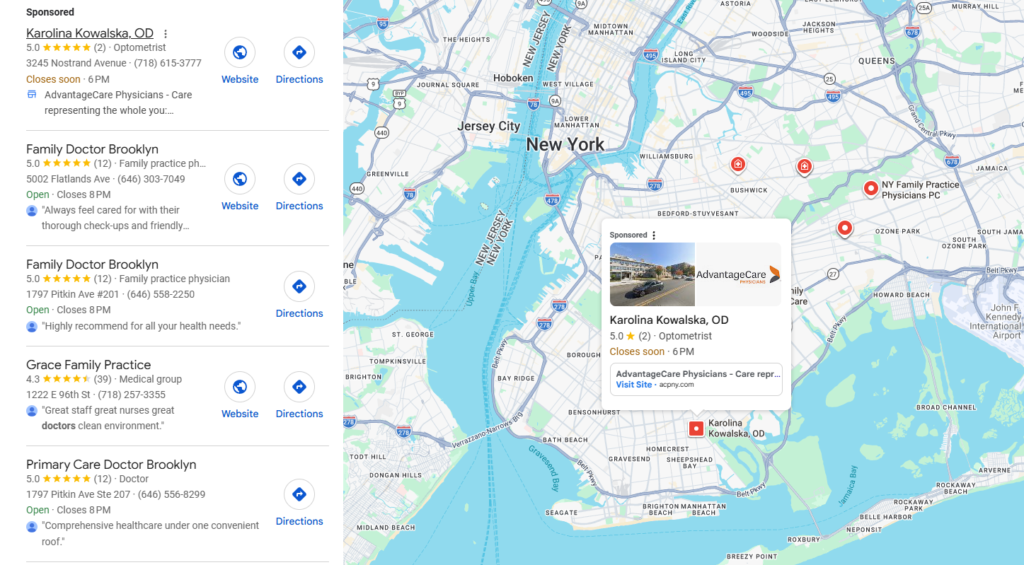
A patient can respect the physician and still leave a poor review because of an avoidable service problem. The complete patient journey matters.
1. Answer promptly and introduce the practice
The patient’s first contact creates an immediate impression. Employees should use a warm greeting, state the practice name, introduce themselves, and give the caller their attention.
A simple opening can be:
“Thank you for calling ABC Medical Practice. This is Maria. How may I help you?”
Employees should avoid sounding rushed or annoyed. They should also avoid placing someone on hold without asking first.
What happens when this step is skipped?
An unanswered telephone, a cold greeting, or a long unexplained hold can make a patient question the practice before an appointment is even scheduled. If this happens repeatedly, reviews may begin describing the office as difficult to reach or unfriendly.
2. Listen without interrupting
Employees should allow the patient to explain the reason for the call. They can then repeat the main concern and ask clear follow-up questions.
This does not mean that every employee must solve every problem. It means the patient should feel heard before being transferred or given the next step.
What happens when this step is skipped?
Patients who are interrupted may feel dismissed. They may have to repeat the same story to several employees. Even when the issue is eventually resolved, the frustration can become the main subject of the patient’s review.
3. Confirm important information
Before ending a conversation, employees should confirm the details that affect the patient’s next step. Depending on the situation, this may include:
- Patient contact information
- Appointment date and time
- Provider name
- Office location
- Required identification or documents
- Referral instructions
- Insurance information
- Who will call back and when
Employees should use the practice’s approved verification and privacy procedures when handling patient information.
What happens when this step is skipped?
Incorrect or missing information can lead to missed appointments, delayed care, surprise costs, and repeated telephone calls. The patient may blame the entire practice for an error that began with one incomplete conversation.
4. Set honest expectations
Patients should know what is likely to happen next. If an answer requires research, the employee should explain that. If the physician must review a message, the employee should provide a realistic timeframe instead of making a promise that may not be kept.
When delays occur, honesty is better than silence.
What happens when this step is skipped?
An ordinary delay can feel like a broken promise when no one explains it. Patients may leave low-star reviews saying that the practice never called back or did not care about their concern.

5. Create a welcoming check-in experience
When the patient arrives, the front-desk employee should greet them, explain the check-in process, protect their privacy, and let them know about any known delay.
The waiting area and front desk should also look organized. Patients notice when staff members argue, discuss private information loudly, or appear unsure about what is happening.
What happens when this step is skipped?
A cold welcome can damage the patient’s opinion before they meet the physician. Even excellent clinical care may not fully repair the feeling of being ignored at the front desk.
6. Give respectful updates during delays
Medical offices cannot prevent every delay. Emergencies happen, appointments take longer than expected, and schedules change.
What employees can control is communication. If the practice is running late, patients should receive an update before they have to ask. When possible, employees can provide choices, such as continuing to wait or rescheduling.
What happens when this step is skipped?
Silence makes a wait feel longer. Patients may believe the staff forgot about them. Reviews that mention long wait times often become worse when the reviewer also says that no one explained the delay.
7. Close the visit with clear next steps
Before a patient leaves, the appropriate team member should explain what happens next. This may include follow-up appointments, referrals, prescriptions, test results, forms, or the correct number to call with a question.
Employees should invite the patient to ask questions and use approved written instructions when available.
What happens when this step is skipped?
Unclear next steps create repeat calls and unnecessary worry. A patient who cannot get an answer after the visit may describe the practice as disorganized or unresponsive.
8. Resolve concerns before requesting a review
Before sending a review request, give the patient a reasonable way to raise an unresolved service concern. When a concern is reported, employees should follow the practice’s escalation process.
The goal is not to prevent an unhappy patient from reviewing the practice. The goal is to solve legitimate problems while the practice still has an opportunity to help.
What happens when this step is skipped?
Sending a review request immediately after a frustrating experience can direct the patient straight to Google while they are still upset.
9. Invite honest feedback consistently
Once the visit is complete, the practice can use a neutral and consistent process to invite honest feedback. The request should never pressure someone to leave a particular rating.
Google’s Maps content policy prohibits fake engagement, rating manipulation, and reviews influenced by incentives such as payments, discounts, or free goods and services. Practices should request genuine feedback and avoid rewarding people for posting, changing, or removing reviews. See Google’s prohibited and restricted content policy and rating-manipulation guidance.
A simple request might say:
“Thank you for choosing our practice. If you would like to share your experience, you can leave an honest Google review here: [review link].”
What happens when this step is skipped?
Happy patients often continue with their day without posting anything. If the practice has no consistent review-request process, a small number of negative reviews may have an outsized effect on its public reputation.
10. Complete follow-up and monitor new reviews
Employees should complete promised callbacks and follow-up tasks. The practice should also monitor new reviews and use an approved response process.
Public responses from healthcare providers require special care. A response should not reveal protected health information or unnecessarily confirm that a reviewer received care. The U.S. Department of Health and Human Services has announced enforcement settlements involving healthcare providers that disclosed patient information while responding to negative online reviews. See the HHS Manasa Health Center settlement and HHS New Vision Dental settlement.
Medical practices should have their privacy or compliance professional review the response process. This article is educational and is not legal advice.
What happens when this step is skipped?
Broken callback promises can create new complaints. Unanswered reviews can also make it appear that the practice is not listening. An emotional or overly detailed public response may create an additional privacy and reputation problem.
How skipped steps can bring down a Google rating

One missed step will not automatically lower a practice’s rating. The real danger is repetition.
The pattern often looks like this:
- Employees skip parts of the patient-service process.
- Patients experience delays, confusion, or poor communication.
- The practice fails to resolve concerns quickly.
- Dissatisfied patients leave low-star reviews.
- Satisfied patients are not consistently invited to share honest feedback.
- Negative reviews represent too much of the practice’s recent feedback.
- The overall rating and patient trust may decline.
This is why review management should not begin with asking for more reviews. It should begin with improving the experience that patients will review.
How medical practices can use this employee checklist

This checklist can become part of regular staff training. Practice managers can use it to:
- Train new front-desk employees
- Review telephone and check-in procedures
- Discuss recent complaints without blaming individuals
- Identify where callbacks or handoffs are being missed
- Create approved review-request scripts
- Build a process for escalating patient concerns
- Review public-response and privacy rules
- Recognize employees who consistently follow the process
Consider reviewing one or two steps during each staff meeting. Short, repeated training is often easier to remember than one long session each year.
Frequently asked questions
Should employees ask every patient for a five-star review?
No. Employees should invite honest feedback without telling patients which rating to choose. Avoid pressure, rewards, discounts, or other incentives tied to a review.
Should a medical practice request a review before resolving a complaint?
The better approach is to address the concern through the practice’s normal service-recovery process. Review requests should not replace problem resolution.
Can a doctor respond to a negative Google review?
A medical practice may use a carefully approved response process, but public responses must protect patient information. Avoid discussing care or confirming patient status. Ask the practice’s privacy or compliance professional to approve templates and escalation procedures.
Will completing this checklist guarantee five-star reviews?
No checklist can guarantee a rating. It can reduce avoidable service problems, improve consistency, and give more patients a genuinely positive experience to share.
Find out how your medical practice compares
Your Google rating is only part of the story. Review count, recent activity, unanswered feedback, and nearby competitors can also influence how potential patients view your practice.
Find out how your medical practice compares

Your Google rating is only part of the story. Review count, recent activity, unanswered feedback, and nearby competitors can also influence how potential patients view your practice.
Request a Free Medical Practice Google Review Audit to see:
Practical opportunities to strengthen patient trust
Your current rating and review count
How recently patients have posted reviews
How often the practice responds
How your profile compares with nearby competitors

- Google Review Removal Service That Protects Your Reputation and Builds TrustCan Negative Google Reviews Damage a Healthcare Organization? A sudden wave of negative Google reviews can seriously damage the reputation of a nursing home or medical practice. Families researching nursing homes often compare ratings, recent reviews, management responses, photographs, and overall review activity before scheduling…
- Google Review Management Agency That Helps Businesses Build Trust and Get More CustomersPeople trust Google reviews before they trust advertisements. Before contacting your business, potential customers usually search your company online and ask themselves one important question: “Can I trust this business?” That answer often comes from your reviews. Customers look at: If your business has weak…
- How to Get New Patients in New York With Google ReviewsYour next patient in New York may decide whether to call your practice before ever speaking to your staff. Today, patients search, compare, and read reviews before choosing care. A 2025 survey found 84% of patients check online reviews before choosing a new healthcare provider.…
- How Accepted Insurance Plans Can Strengthen Medical Local SEOWhen patients search for a doctor, they are not only looking for the right specialty or the closest medical office. Many also need to know whether the practice accepts their insurance. A patient might search Google for: If your website does not clearly list the…
- Brooklyn Nursing Home Marketing in 2026: How to Turn Google Searches Into More AdmissionsIf you’re responsible for marketing or admissions at a nursing home, you already know how to generate business the traditional way. You know the importance of hospital relationships. You know your discharge planners, case managers, physicians, community partners, and referral sources. You know what happens…