Negative Reviews Aren’t the Problem—Your Response Is
I’ve worked with dozens of brands, from bootstrapped startups to global players, and I’ve seen one common thread: negative reviews will happen. You can’t stop them. But what you can control is how you handle them—and that’s where brand reputation crisis management comes in.

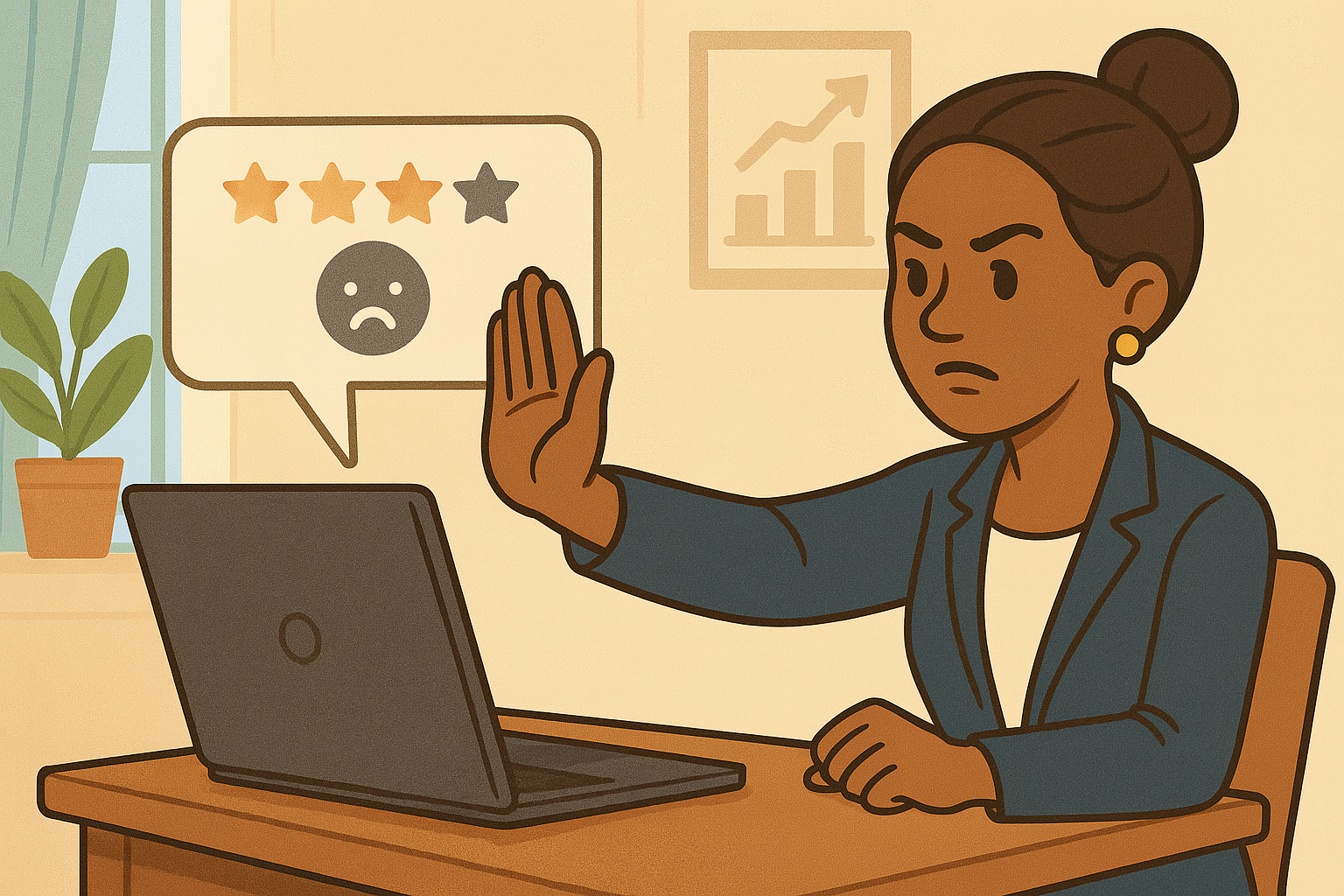
Let’s be real: when you and I see a bad review, it can feel like a big problem at first. But it doesn’t have to be a PR disaster. It’s really a test, a spotlight, and a chance for you to show what your brand stands for, how you speak to customers, and how seriously you take their experience. The way you respond can either turn into a brand reputation crisis or become a smart example of crisis management. That’s where a strong Google Review Management Service can make all the difference.
The 4-Step Formula I Use for Brand Reputation Crisis Management (That Actually Works)
Let’s face it—every business hits a bump eventually. A frustrated review, a misunderstood policy, a moment of human error. The internet never sleeps, and when your reputation takes a hit, the clock starts ticking.
I’ve helped dozens of brands navigate review disasters, viral call-outs, and those dreaded 1-star slaps on Yelp. And I always go back to this: brand reputation crisis management isn’t about damage control—it’s about building long-term trust by doing the right thing, the right way.
Here’s the 4-step playbook I use every time a brand reputation fire breaks out:
🔍 Step 1: Pause, Don’t Panic—Analyze First
The moment you see a bad review or a negative post blowing up, the first instinct is to respond. But I always tell clients: pause and get perspective.
Before you reply, ask yourself:
Who’s the audience watching this unfold?
Is this a one-off complaint or part of a recurring issue?
Is the review factually accurate or based on a misunderstanding?
Where is it posted—Google, Yelp, Glassdoor, Reddit, TikTok?
This first step in brand reputation crisis management is about listening, not defending. Jumping into defense mode too quickly can backfire—especially if you don’t fully understand the issue. Pull your internal records. Talk to your team. Look for patterns in your reviews. Remember, a public response is forever. Make it count.

Related Article-🚨 Crisis Control: What I Do When My Brand Reputation Is Under Attack
💬 Step 2: Respond with Empathy—Not Ego
This is where most brands mess up. A knee-jerk, emotion-fueled reply can turn a small spark into a PR wildfire. Never argue. Never condescend. And never make it about you.
Instead, respond like a human being. Here’s the difference:
✅ Better: “We’re sorry to hear about this. It’s not what we stand for. Let’s make it right.”
❌ Bad: “We have no record of your complaint.”
This kind of response shows emotional intelligence, and that’s something you don’t see enough in most public replies. A big part of brand reputation crisis management is showing your customers that their experience matters to you, even when their feedback stings.
Empathetic replies do more than solve problems. They help you build trust and loyalty. When you handle bad reviews with care, you can turn a frustrated customer into someone who comes back, or even someone who publicly gives your brand credit for making things right.


📞 Step 3: Go Private to Solve—Then Public to Close the Loop
Once you’ve acknowledged the issue publicly, move the conversation offline. Direct message. Email. Call. Whatever gets the fastest, most respectful resolution.
But here’s where most brands stop—and that’s a mistake.
Go back online and follow up publicly once the issue is resolved. Share a comment like:
“Thanks for connecting with us privately. We’ve addressed the issue and really appreciate your feedback.”
Some negative reviews are caused by mismatched expectations, not bad products.

📊 Step 4: Track It, Learn from It, Prevent the Next One
Bad reviews are painful—but they’re also gold mines for insight. If you notice patterns (e.g. “rude staff,” “slow shipping,” “confusing return policy”), it’s not just a crisis—it’s a symptom.
Use reputation monitoring tools like:
These platforms help you stay in control of the story. They also make it easier for you to spot patterns early, before one bad review turns into a bigger reputation issue that affects Buyer Behavior.
The final step in smart brand reputation crisis management is prevention. Update your processes, train your team, and fix the gaps before they show up publicly again. Make it a regular part of how you manage the customer experience.


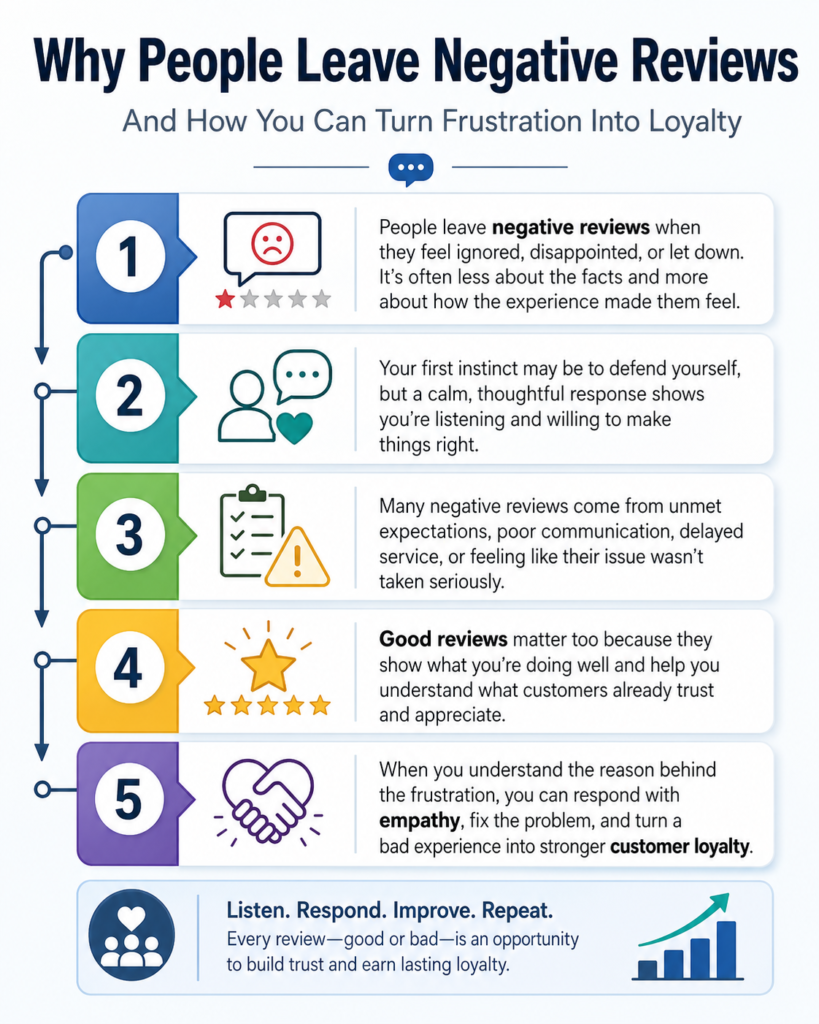
Why People Leave Negative Reviews (And How I Turn Their Frustration Into Loyalty)
Let me be honest — the first time I got hit with a harsh 1-star review, I was crushed. Defensive. My instinct was to prove the reviewer wrong. I knew the facts didn’t line up, and I wanted to push back. But what I didn’t understand at the time was this: the review wasn’t about what happened — it was about how the customer felt.
That realization flipped a switch for me, not just in how I handled criticism but in how I built relationships. It also helped me grow as a freelancer and later as a business owner. If you’re just starting out—especially in freelance work—how you handle feedback can make or break your success.

In fact, learning to manage negative reviews was one of the most important soft skills I developed in my early freelance days. If you’re just stepping into the freelance world and trying to build a reputation from scratch, this guide on how to start freelancing with no experience is a perfect place to begin.
The Psychology Behind Bad Reviews
As I gained more experience, I started paying closer attention to what actually fuels a bad review. What I found is that negative feedback is rarely just about a missed deadline or a glitchy product. Most bad reviews are emotional reactions — not logical ones.
- Ignored – No one followed up, or they had to chase down answers.
- Disrespected – Their concerns weren’t taken seriously.
- Misled – What was promised didn’t align with what was delivered.
- Frustrated by delays – Especially without clear communication.
- Let down – They believed in the brand or freelancer and were disappointed.

Whether you’re freelancing on Upwork, Fiverr, or building your own portfolio site, understanding these emotional triggers is a game-changer. Because when you understand the root of frustration, you can respond in a way that creates trust instead of defensiveness.

What They’re Really Saying (That You’re Not Hearing)
Over the years, I’ve read hundreds of reviews—some directed at me, some at clients I help—and what I’ve come to understand is that many reviewers are not articulating the real problem. They’re expressing a sense of betrayal, fear, or disappointment in the only way they know how.
When someone writes, “Worst experience ever. Total waste of money.”, they’re not just venting. They’re often saying:
- “I feel taken advantage of.”
- “I feel invisible.”
- “I trusted you and you let me down.”
These are deep emotional reactions. And if you just focus on the surface complaint, you miss the opportunity to actually resolve it.

That’s why I now ask myself:
- What is this person really afraid of?
- Do they feel like they wasted their time or money?
- Are they just hoping someone—anyone—will listen?
You can’t always fix what went wrong. But you can always validate how someone feels.

How I Use Emotion to Flip the Script
Here’s where it gets powerful—emotion is not the enemy. It’s the opportunity.
When I get a negative review, I take a deep breath, step back, and focus on responding with empathy, not ego. Here’s what I’ve found works, both in my own freelance work and for the businesses I support:
Validate their experience
“I completely understand why you’d feel frustrated about this.”
Acknowledge the emotion, not just the event
“You expected something better—and we didn’t deliver. That’s on us.”
Show them they matter
“Thanks to your feedback, we’ve changed how we handle similar issues moving forward.”
This approach doesn’t just soften the reviewer—it also shows future clients that you’re the kind of person who listens, grows, and cares. And if you’re freelancing, that’s pure gold. Your reputation is your résumé.
From Negative to Loyal: The Turnaround Is Real
One of the most powerful moments in my career came when a client who once left me a sharply critical review later hired me again—and referred two other clients my way. Why? Because of how I responded to that first review.
I didn’t try to be perfect. I didn’t argue. I listened, acknowledged, and followed up with real solutions. That turned a painful moment into a trust-building win.
I’ve seen this happen over and over, especially in freelance and client-service work:
- A graphic designer gets slammed for “missing the brief” but earns repeat work by actively fixing it.
- A virtual assistant is accused of being slow but wins praise after clearly resetting expectations and streamlining her system.
- A content writer takes ownership of a misaligned tone and turns that client into one of her longest-running contracts.
These aren’t outliers. They’re proof that empathy and humility build loyalty faster than perfection ever could.
Negative reviews can actually make a business look more trustworthy because a perfect 5-star rating often feels unrealistic.

Why Freelancers Need This More Than Anyone
If you’re just starting out on freelance platforms—or even building your own brand—you don’t have a long list of glowing testimonials yet. You can’t afford to lose people over misunderstandings.
That’s why building a reputation rooted in empathy, clear communication, and emotional intelligence is critical.
When you respond well to criticism:
- Clients remember your character
- Your profile becomes more trustworthy
- You learn what your market truly expects
- You develop real-world emotional intelligence
And all of that increases your chances of repeat work, referrals, and positive public feedback—especially on sites where one review can influence dozens of future opportunities.
Customers often trust reviews more when they include specific details instead of vague complaints.

Final Thoughts: Reputation Is a Relationship
Whether you’re a solo freelancer or managing a growing client base, remember this: every review is part of a conversation. And every response is your opportunity to own your voice, build your brand, and earn long-term loyalty.
You won’t please everyone. You’ll still get tough feedback. But if you treat every review as a window into someone’s emotions—and respond with clarity and care—you’ll build a reputation that attracts the right people again and again.
And in freelancing, that’s the difference between struggling to find work and having a waitlist.
Get More Google Reviews for Your Business
Improve your online reputation, build trust, and attract more customers with Google review management made for small businesses.
Related Articles
- Why Fake Reviews Are A Bad Idea For Your Business Growth
- How to Respond to Positive Google Reviews the Right Way
- Negative Reviews: How to Turn Bad Feedback Into Business Growth
- How to Respond to Bad Google Reviews Without Hurting Your Business
- Reputation Management Is the Front Line of Crisis PR Today
- Reputation crisis management that works: my real-world survival story
Latest Articles