Social Media Brand Crisis Management Starts Here
Social media brand crisis management isn’t optional—it’s survival. A great logo, a solid product, even glowing reviews won’t save you when backlash hits your feed.
I’ve watched both startups and major brands get torn apart online—sometimes within hours. In moments like that, you don’t have time to plan. You need a response strategy ready to go.
Social media can launch your brand—or destroy it. That’s why I treat crisis management as a core part of every online strategy. Here’s how I stay ready when things go sideways.
📱 The Brutal Truth: One Tweet Can Wreck Years of Work
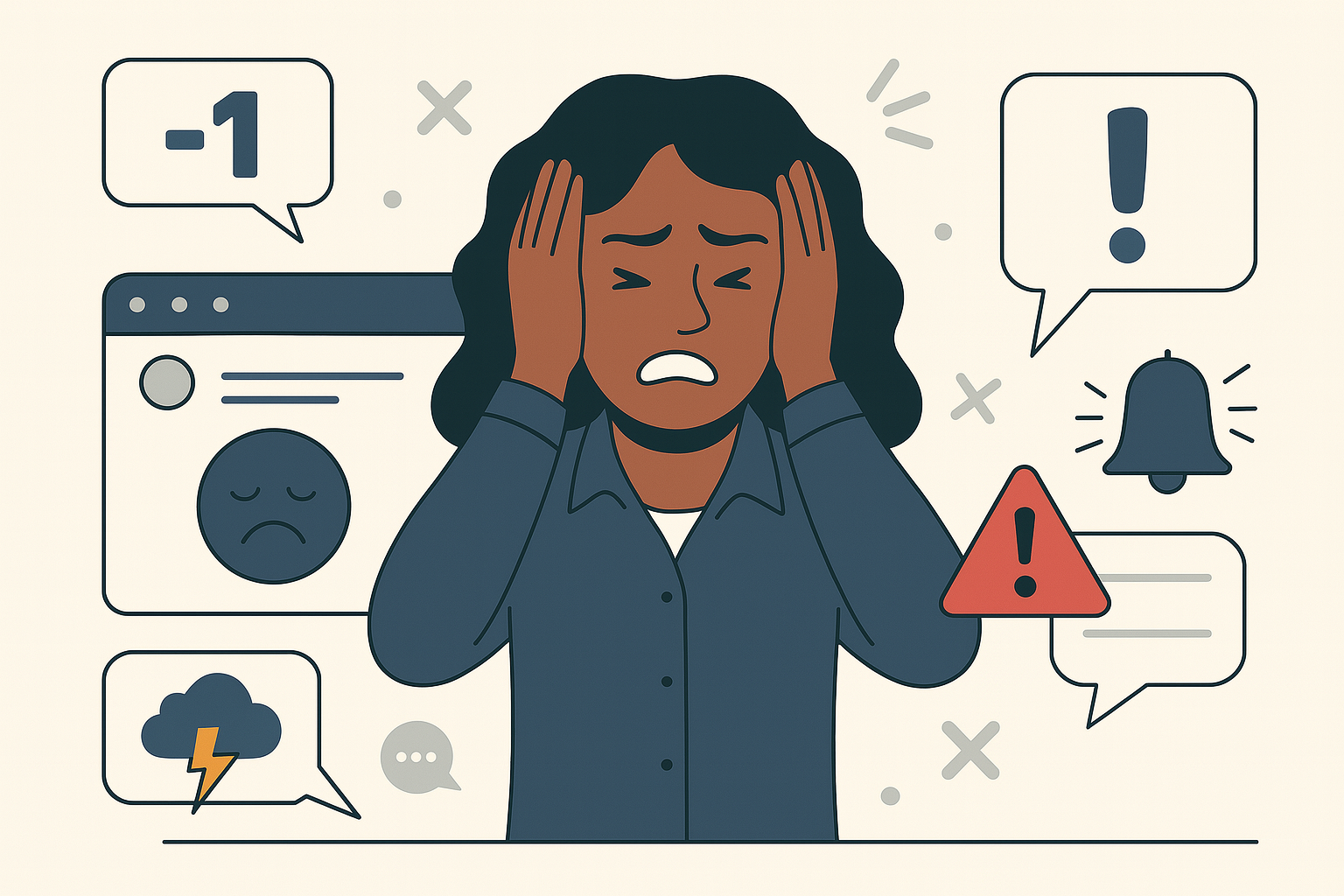
In today’s social-first world, crisis management isn’t a “maybe someday” skill—it’s mission-critical. I’ve worked with brands that were thriving until one viral moment changed everything. A single tweet. A poorly timed TikTok. A frustrated customer post. It’s all it takes to unravel years of trust and investment.
Real-Time Damage I’ve Seen
Let me give you a few examples of how quickly things can spiral:
- A viral TikTok spreading misinformation
- A customer publicly accusing a business of racism on Instagram
- A disgruntled ex-employee posting “receipts” on X (formerly Twitter)
- A video showing unsafe working conditions going viral
In each case, the business had no crisis management strategy in place—and things got worse before they got better. Most brands panic. They delete comments. They stay silent. Or worse, they respond defensively. But none of that works.
And if you don’t know how to handle crisis management, one viral post can become a full-blown reputation meltdown.
Why Crisis Management Can’t Wait
If you think the internet forgets, think again. In the digital age, screenshots are forever—and your brand’s response is scrutinized more than the actual controversy.
Consider the stats:
- 59% of consumers say they’ll avoid a brand that mishandles public backlash
- 76% expect a response within 24 hours—37% within an hour (Sprout Social)
- Brands that handle crises with transparency and empathy recover up to 70% of their public favorability
Translation? Your online reputation is your brand equity. Every second you wait to respond can cost you sales, loyalty, and trust.
Also—don’t neglect your digital foundation. A strong site reinforces brand credibility. Here’s a must-read guide to on-page technical SEO that shows how your website’s backend plays into your reputation.
Real Story: How One Gym Nearly Lost Everything
Let me share a real situation I handled.
A small community gym was accused of discrimination in a local Facebook group. The post went viral fast—screenshots, customer stories, and speculation started flying. Their page got bombarded. Bookings stopped. The staff was panicking.
Here’s how I stepped in to handle crisis management:
- Paused all scheduled content — so we didn’t seem tone-deaf
- Crafted a clear, human response within 2 hours — not just PR fluff
- Privately messaged the original poster — to open a real dialogue
- Recorded a video apology from the owner — direct, heartfelt, and authentic
- Launched a listening session — allowing real community feedback and transparency
We didn’t deny. We didn’t hide. We took accountability. And guess what? The same people who were angry began to show up with support. Why? Because we showed up with humility and strategy.
Crisis Management Is More Than Damage Control—It’s Brand Building
Here’s what most people get wrong: crisis management isn’t just putting out fires. It’s brand reputation engineering in real time.
When done right, you can actually:
- Win back critics
- Build deeper community trust
- Attract new loyal followers who respect your integrity
- Turn public mishaps into human moments
It’s not about perfection. It’s about presence, empathy, and proactive communication.
Freelancers, This Matters to You Too
If you’re freelancing or starting your own brand, you might think crisis management doesn’t apply to you. But one poor review, one misunderstood tweet, one frustrated client can seriously stall your momentum—especially if you’re just getting started and don’t have a lot of public credibility yet.
When I first started freelancing, I didn’t have a huge portfolio. I had to build trust from every interaction. I quickly learned that how I handled criticism mattered just as much as the quality of my work.

The 7-Step Playbook: How to Handle Crisis Management on Social Media
Want to stay ready? Here’s my personal method for how to handle crisis management in any social media situation:
1. Detect It Fast
Set up alerts with:
- Brand24
- Mention
- Google Alerts
- Native platform notifications
Knowing the moment something breaks is the first step in knowing how to handle crisis management right.
2. Pause Scheduled Posts
Nothing looks worse than a sales promo or meme while your brand is under fire. I always lock down all scheduled content first thing.
3. Assess the Situation
Don’t rush into a response without facts. I gather:
- Screenshots
- Internal data or reports
- Employee input
- Legal or HR context
Smart crisis management is about accuracy before speed.
4. Craft a Multi-Tiered Response
I always prepare:
- A short social statement
- A deeper blog or video post
- A direct message for individuals reaching out
- A comment template for repetitive questions
The more ready you are, the smoother it goes. That’s key in learning how to handle crisis management like a pro.
5. Engage Respectfully, Not Defensively
Arguing is suicide. I stick to empathy, transparency, and humility. People don’t want perfection—they want to see your values in action.
6. Move the Fix Forward
Silence after a statement = suspicion. I create a follow-up plan that shows:
- What changed
- Who’s accountable
- What’s next
How to handle crisis management means turning promises into progress.
7. Track and Learn
After the storm, I do a post-crisis audit:
- What worked?
- What failed?
- How did sentiment shift?
Then we update the crisis playbook. Because there will be a next time.
What Happens If You Don’t Know How to Handle Crisis Management?
Let me paint you the picture:
- Your name trends on Twitter (for the wrong reason)
- Influencers pick it up and roast your brand
- Reviews plummet
- Media outlets start sniffing for more dirt
- Sales vanish
This has happened to real brands I’ve seen up close. They didn’t know how to handle crisis management, and they paid for it in blood—financially and emotionally.
Social Media Is Fast. Your Plan Needs to Be Faster.
If you’re still treating social media like a content calendar, you’re missing the point. It’s your public stage, your customer service desk, and your crisis control center—all in one.
Learning how to handle crisis management isn’t just “nice to have”—it’s brand survival 101.

My Personal Crisis Kit (Yes, I Keep One Ready at All Times)
In the same way you wouldn’t launch a product without a plan, you shouldn’t run a brand without a crisis management strategy. I don’t wait for things to blow up before getting organized—and neither should you.
Here’s what’s in my personal crisis response toolkit:
🧠 24/7 Listening Dashboard
I use real-time social listening tools to catch emerging issues before they go viral. If something’s trending about my brand (or my client’s), I want to know first—not last.
✍️ Pre-Drafted Response Scripts
When emotions are high, decision-making gets fuzzy. Having well-crafted response templates ready to go means I can stay calm, consistent, and professional even when the heat is on.
📣 A Designated Social Spokesperson
Confusion kills trust. One voice, one tone, one message—every single time. Whether it’s me or a team member, we know who speaks on behalf of the brand.
📅 Crisis Calendar with Milestones
Every situation has stages—awareness, response, follow-up. I map out touchpoints on a timeline so I don’t miss a moment to clarify, connect, or correct.
🔁 System for Rapid Content Updates
Whether it’s updating website banners, posting apologies, or changing ad campaigns—I need to pivot fast. My toolkit includes workflows for getting content edited and live within hours, not days.
📊 Sentiment Tracking Reports
Data tells me how the public is feeling in real time. Are people calming down? Are we regaining trust? I don’t guess—I track and adjust.
Final Word: Don’t Wait for the Fire to Learn to Fight
Here’s what I’ve learned after managing dozens of brand meltdowns:
You don’t rise to the occasion. You fall to your level of preparation.
Knowing how to handle crisis management before it happens is what makes the difference between a crisis that ends you—and one that makes you stronger.
Want a Custom Social Crisis Plan?
I help businesses build:
- Crisis-ready content libraries
- Real-time social media monitoring systems
- Team protocols for public response
- Post-crisis brand rebuilding campaigns
Let’s get ahead of it—before your brand ends up on someone’s “cancelled” list.