Organic asymmetric shapes in web design are redefining how websites look and feel in 2025. While some sites still stick to stiff grids and cookie-cutter layouts, others are capturing attention with fluid, natural, and dynamic designs that break the mold.
This bold design trend is more than just a visual shift — it’s about creating a deeper, more human connection through digital experiences. By moving away from predictable patterns, businesses are building websites that feel alive, modern, and engaging.
Ready to drop the dull layouts and embrace the future of design? Let’s dive into why organic asymmetric shapes are taking over web design in 2025 — and how you can use them to elevate your brand.
🌿 What Are Organic Asymmetric Shapes in Web Design?
Unlike the traditional geometric structures that dominated web design for years, organic asymmetric shapes are inspired by nature and freeform elements. They create a sense of movement, fluidity, and uniqueness that captivates users and makes websites feel more welcoming.
Key Characteristics of Organic Asymmetric Shapes
✔ Irregular Forms – Inspired by elements like waves, clouds, or organic textures.
✔ Fluidity & Motion – Shapes that flow seamlessly across the screen.
✔ Depth & Layering – Overlapping elements for a multidimensional effect.
✔ Soft, Rounded Edges – Creating a more natural and approachable feel.
✔ Dynamic Layouts – Breaking away from the traditional grid structure.
💡 Example: A travel website using organic wave-like patterns in its background creates an inviting and adventurous feel, aligning with the brand’s theme.
🌎 Why Organic Asymmetry is the Future of Web Design
In 2025, users expect websites to be more interactive, personalized, and visually stimulating. Organic asymmetric web design is leading this transformation by:
1️⃣ Enhancing Visual Engagement
Studies show that people process visuals 60,000 times faster than text. Using fluid, irregular shapes in website backgrounds, sections, and buttons creates a sense of motion and guides users’ attention naturally.
2️⃣ Making Websites More Human-Centric
Symmetrical, grid-based designs can feel rigid and corporate. Organic shapes bring warmth, personality, and uniqueness—qualities that enhance user trust and brand identity.
3️⃣ Increasing Time on Page & User Interaction
Websites with interactive elements, such as floating shapes, scrolling effects, and parallax movements, keep users engaged for longer periods. This directly impacts SEO rankings and conversion rates.
💡 Statistic: Websites with visually engaging designs increase user dwell time by 35%, leading to lower bounce rates and higher retention.

🎨 How to Use Organic Asymmetric Shapes in Web Design
Now that we know why organic shapes are trending, let’s explore how to incorporate them effectively into modern web design.
1️⃣ Backgrounds & Hero Sections
Using abstract, fluid shapes in hero sections creates an eye-catching and immersive first impression.
✔ Tip: Overlay organic shapes with subtle gradients or textures to add depth.
✔ Example: An eco-friendly brand website featuring leaf-like, flowing shapes in the background.
2️⃣ Call-to-Action (CTA) Buttons
CTA buttons don’t have to be square! Rounded, irregularly shaped buttons increase engagement and feel more intuitive.
✔ Tip: Experiment with soft edges, shadows, and micro-animations to make CTAs more clickable.
✔ Example: A “Shop Now” button shaped like a water droplet for a skincare brand.
3️⃣ Section Dividers & Transitions
Forget straight lines! Wavy, curvy section dividers create seamless transitions between content areas, improving the site’s flow.
✔ Tip: Use SVG shapes or CSS animations to create dynamic, responsive dividers.
✔ Example: A restaurant website using soft curves between the menu and gallery sections for a smooth scrolling experience.
4️⃣ Image Containers & Galleries
Ditch the rigid square image grids and opt for irregularly shaped image frames to make visuals feel more natural and artistic.
✔ Tip: Mask images with organic forms to create a collage-like effect.
✔ Example: A photographer’s portfolio using asymmetrical image placements to create visual interest.
5️⃣ Typography & Text Elements
Even text can benefit from asymmetry! Floating text layouts and dynamic placement create more artistic, magazine-style designs.
✔ Tip: Mix bold, playful fonts with overlapping organic shapes for a fresh, modern look.
✔ Example: A fashion website placing quotes inside soft, hand-drawn shapes for emphasis.
🔧 SEO & Performance Considerations for Organic Shapes
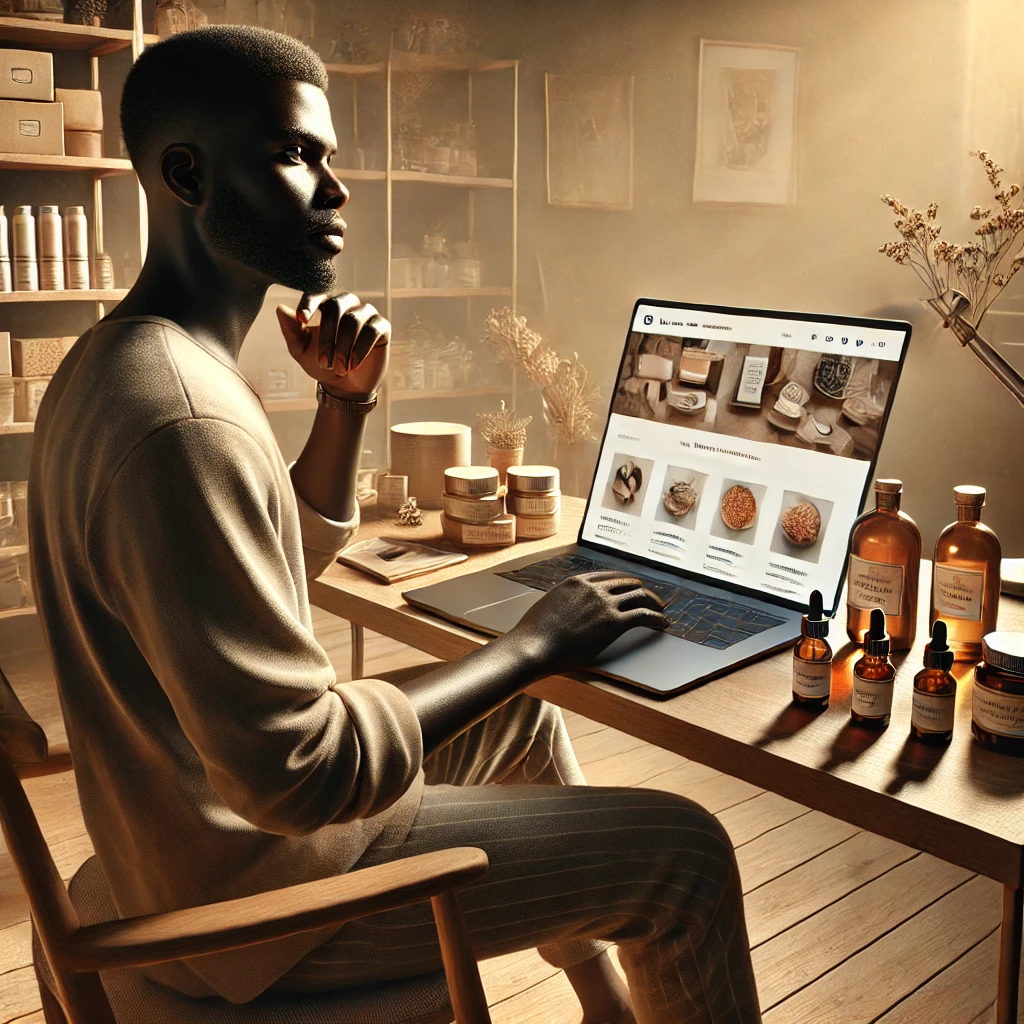
While organic asymmetric web design adds uniqueness and creativity to websites, it’s important to balance aesthetics with performance and SEO. A slow-loading or poorly optimized website can negatively impact user experience, search rankings, and conversions. Here’s how to ensure your organic designs are both beautiful and functional:
🚀 Optimize Images & File Sizes for Speed
✔ Use SVG Instead of PNGs or JPGs – Scalable Vector Graphics (SVG) maintain high quality without increasing file size.
✔ Compress Image Files – Use tools like TinyPNG or Squoosh to minimize image weight without sacrificing quality.
✔ Implement Next-Gen Image Formats – Use WebP instead of PNG or JPG for faster loading times.
💡 Example: A fashion brand’s website switched from PNG-based organic shapes to SVG and improved page speed by 30%!
🎨 Use CSS & SVG for Organic Elements Instead of Heavy Images
✔ CSS clip-path for Shapes – Create smooth organic designs using clip-path rather than static images.
✔ SVG Animations Over GIFs – SVG-based animations are lighter and faster compared to traditional GIFs.
✔ Avoid Excessive Shadows & Gradients – While stylish, too many effects can slow down rendering.
💡 Pro Tip: Google prioritizes fast websites! Optimize CSS animations and reduce unnecessary design elements that don’t add value.
📱 Mobile Responsiveness & Accessibility
✔ Test Organic Layouts Across Devices – Use tools like Google’s Mobile-Friendly Test to ensure designs work seamlessly on mobile.
✔ Fluid Grid Systems for Flexibility – Avoid fixed widths; use vw, vh, or em units for a more responsive layout.
✔ Ensure Text is Readable Over Shapes – Contrast is key! Make sure text stands out against organic backgrounds.
💡 Example: A health & wellness blog in Zanzibar improved its mobile usability by 25% after adjusting text spacing over asymmetric background elements.
⏳ Improve Loading Speed with Lazy Loading & Caching
✔ Lazy Load Decorative Elements – Delay the loading of non-essential images & animations until they are needed.
✔ Use Content Delivery Networks (CDNs) – Optimize global page load speed by using a CDN like Cloudflare.
✔ Enable Browser Caching – Store design elements locally on users’ devices to improve return visit load times.
💡 Example: A travel website using lazy-loaded organic shapes saw a 40% improvement in page speed and reduced bounce rates!
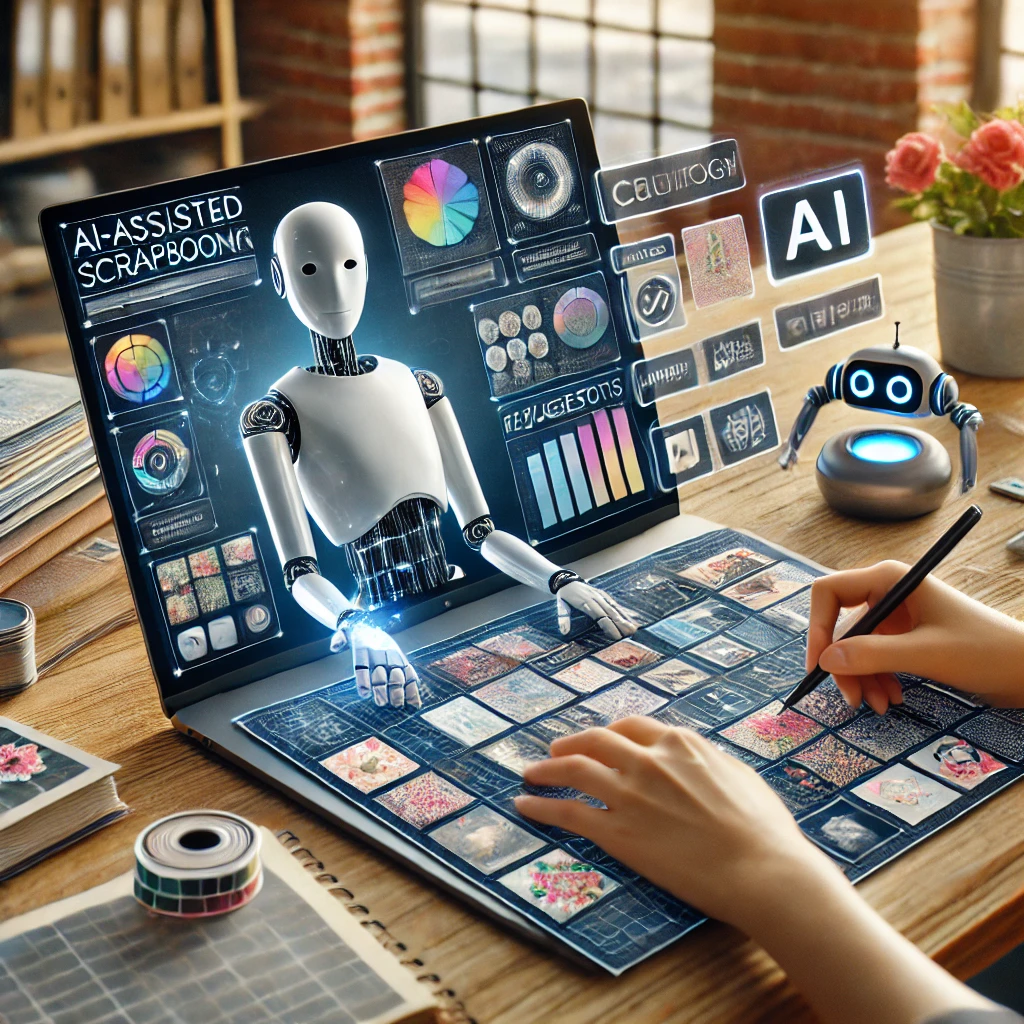
🔥 The Best Tools for Implementing Organic Asymmetric Web Design
As organic asymmetric web design takes over in 2025, having the right tools is crucial for creating fluid, engaging, and dynamic layouts. Whether you’re a designer, developer, or business owner, these tools will help bring organic asymmetry to life.
🎨 Best Design Tools for Organic Asymmetry
1️⃣ Figma – Perfect for prototyping freeform layouts with interactive elements.
2️⃣ Adobe Illustrator – Best for designing custom SVG shapes and abstract forms.
3️⃣ Canva – A beginner-friendly tool for quick organic graphics without a design background.
💡 Pro Tip: Use gradient overlays and organic blob shapes to enhance natural flow in your designs!
💻 Best Development Tools for Asymmetric Web Design
4️⃣ GSAP (GreenSock Animation Platform) – Create smooth shape animations that feel dynamic and interactive.
5️⃣ SVGator – Animate organic shapes without writing a single line of code.
6️⃣ CSS & HTML – Use clip-path, transform, and flexbox to break away from rigid grids.
💡 Pro Tip: CSS properties like clip-path and shape-outside let you create fluid layouts that don’t follow a strict grid system.
🌐 Website Builders That Support Organic Asymmetry
7️⃣ Webflow – Ideal for fully custom organic layouts with advanced animations.
8️⃣ Wix – Provides pre-built templates with organic elements for easy implementation.
9️⃣ Squarespace – Great for small businesses wanting sleek, modern, and asymmetric designs.
💡 Pro Tip: If you’re not a coder, Webflow and Wix offer drag-and-drop asymmetric templates to get started quickly!

🚀 Future Trends: What’s Next for Organic Asymmetry in Web Design?
As web design continues to evolve, organic asymmetric shapes will play an even bigger role in shaping user experiences. Looking ahead to 2025 and beyond, here’s what we can expect:
🌟 1. AI-Generated Organic Shapes
AI-powered tools will automate and personalize freeform layouts based on user behavior and preferences. Instead of static designs, websites will adjust in real-time, offering a more intuitive and personalized experience.
🔹 Example: AI analyzes visitor interactions and rearranges content blocks dynamically to improve engagement and usability.
🎭 2. Dynamic Shape Morphing
Interactive elements will change shape based on user interactions, adding a layer of depth and engagement that traditional web design lacks.
🔹 Example: A fashion website where organic shapes shift and flow as users scroll, mimicking fabric movement for a more immersive shopping experience.
🌀 3. 3D Organic Elements & Motion Effects
Expect to see more 3D visuals powered by WebGL, CSS animations, and SVG graphics, bringing organic designs to life with depth, realism, and motion.
🔹 Example: A travel website featuring interactive 3D waves that move as users hover over different destinations, creating a visually engaging experience.
🗣️ 4. Voice & Gesture-Based Interactions
With voice search and AI-driven assistants becoming more common, web design will integrate voice and gesture controls to create fluid, hands-free navigation.
🔹 Example: A fitness website where users can swipe or use voice commands to explore workout routines, making the experience more seamless.
🎯 Conclusion: Embrace the Future of Web Design with Organic Asymmetry
Web design is no longer about rigid grids and predictable layouts. In 2025, organic asymmetric shapes are taking center stage, offering a dynamic, user-friendly approach that enhances engagement, storytelling, and brand identity.
By incorporating fluid elements, dynamic interactions, and intuitive layouts, businesses can create memorable digital experiences that captivate users and drive results.
✅ Key Takeaways:
✔ Organic asymmetric shapes add depth, movement, and a natural flow to web design.
✔ These design elements improve engagement, user experience, and conversions.
✔ Tools like Figma, Webflow, and SVG animations bring organic designs to life.
✔ Optimizing for SEO and performance ensures both beauty and functionality.
✔ The future includes AI-generated designs, 3D elements, and interactive animations.
Related Articles
Minimalism with a twist: Web design that speaks volumes