
Your online reputation can influence almost every customer decision. Before calling a business, scheduling a consultation, or making a purchase, most consumers check Google reviews first. That’s why having a strong Google customer review strategy is no longer optional for businesses that want long-term growth.
Google reviews affect more than reputation. They influence local search rankings, customer trust, click-through rates, and even conversions. Businesses with consistent positive reviews often outperform competitors that have better pricing or larger advertising budgets.

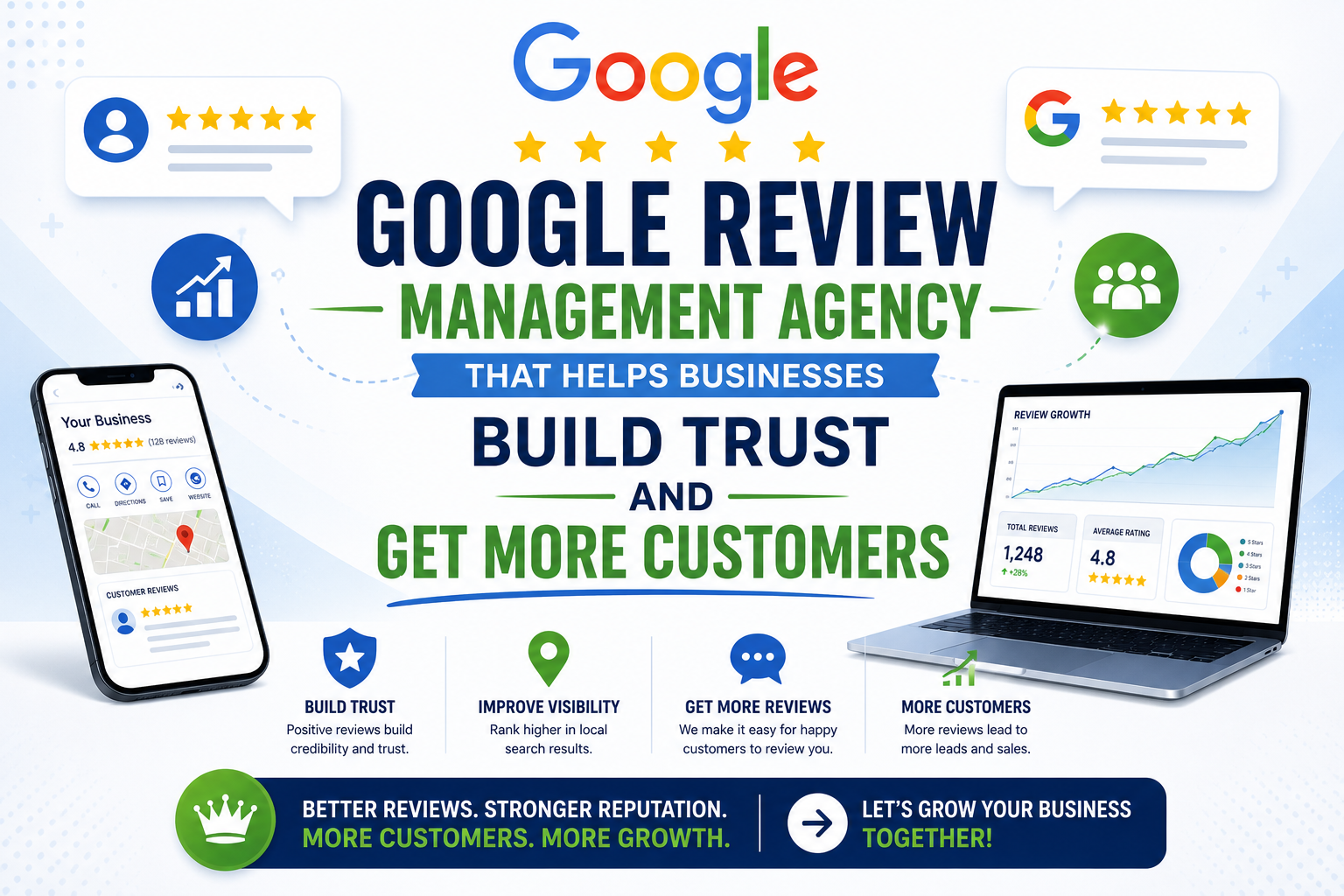
For local businesses, remote entrepreneurs, and service providers alike, review management has become a foundational part of digital visibility. Many companies now combine review optimization with broader local SEO services to improve search exposure and customer acquisition at the same time.
Why a Google Customer Review Strategy Matters
A well-planned review strategy helps businesses:
Build trust faster
Improve local SEO rankings
Increase website traffic
Strengthen brand credibility
Improve customer retention
Generate more leads organically

A well-planned review strategy helps businesses:
Build trust faster
Improve local SEO rankings
Increase website traffic
Strengthen brand credibility
Improve customer retention
Generate more leads organically
Google’s algorithm considers reviews as a ranking factor for local search results and Google Maps visibility. Businesses with more authentic, recent, and relevant reviews often gain stronger placement in local search.
Reviews do more than build trust. They can also influence local search rankings and visibility in Google Maps.
Positive reviews also act as social proof. When potential customers see others sharing positive experiences, they naturally feel more comfortable choosing that business.

How Google Reviews Influence Local SEO Rankings
Trust Signals and Search Visibility
Google wants to recommend trustworthy businesses to users. Reviews help validate that trust.
A business with:
- Frequent reviews
- High ratings
- Owner responses
- Relevant keywords in reviews
…often appears more credible to both users and search engines.
This is one reason many businesses integrate review management into their broader local SEO strategy.
Understanding search intent turns Google reviews into trust signals that guide buyers toward purchase decisions.
Customer trust is only part of the equation. Reviews also affect how Google evaluates local businesses.


Why Review Frequency Matters
A steady stream of reviews looks more natural than receiving dozens all at once.
Google favors consistency because it signals ongoing customer engagement and business activity.
For example:
- 3–5 new reviews every month often performs better long-term than 50 reviews gained in one week.
Consistency also helps businesses maintain fresh content around their brand online.
The Psychology Behind Customer Reviews
Social Proof and Buying Decisions
Humans naturally rely on the experiences of others when making decisions.
This psychological principle, called social proof, heavily impacts:
- Restaurant choices
- Home services
- Professional consultations
- Medical practices
- Real estate agencies
- Local contractors
A strong Google customer review strategy uses social proof to reduce hesitation and increase trust before the customer even contacts the business.
Reputation and Consumer Confidence
Customers often compare businesses quickly.
If one business has:
- 4.8 stars with 200 reviews
…and another has:
- 3.9 stars with 14 reviews
…the decision becomes much easier for the consumer.
Strong reviews communicate:
- professionalism
- reliability
- customer satisfaction
- responsiveness
These factors directly affect conversion rates.
7 Google Customer Review Strategy Techniques
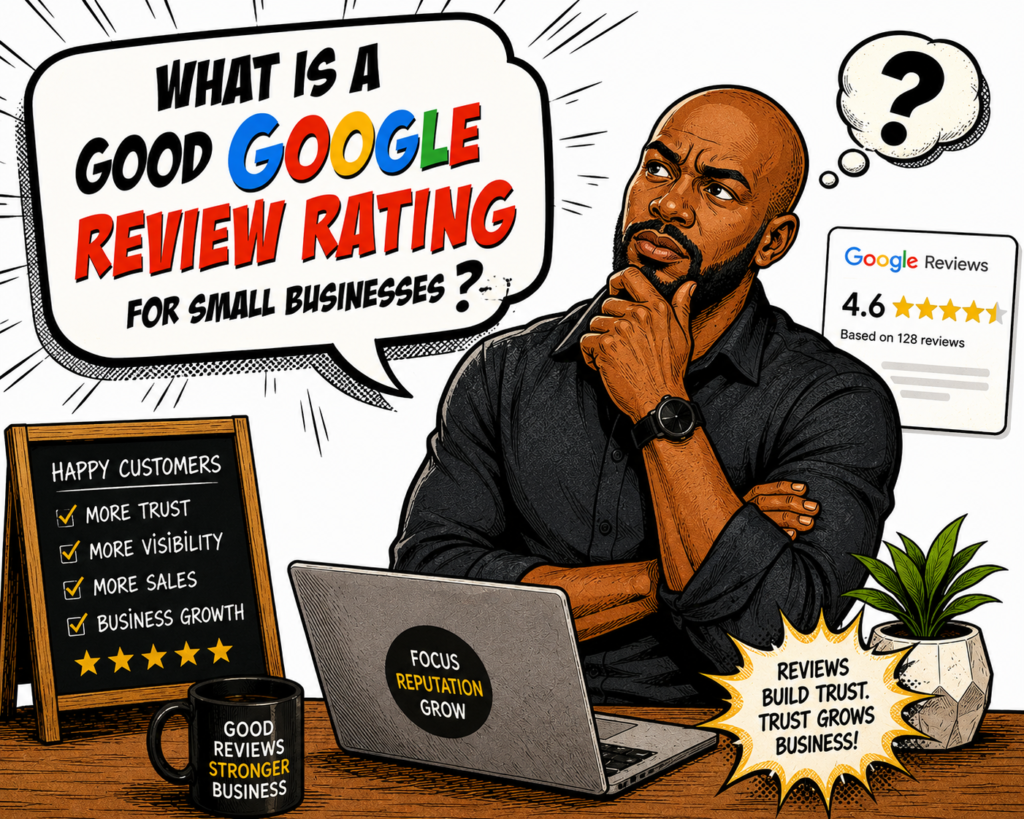
1. Ask Customers at the Right Time
Timing matters.
The best time to request a review is immediately after:
- a successful service
- product delivery
- completed consultation
- customer praise
Happy customers are far more likely to leave detailed positive reviews when emotions are fresh.
Businesses that delay review requests often lose momentum.
Mastering how to ask customers for reviews without feeling awkward starts with timing, sincerity, and a simple message that makes sharing feedback feel helpful, natural, and appreciated.

2. Simplify the Review Process
Customers should reach the review page in one click.
Use:
- direct Google review links
- QR codes
- email follow-ups
- text message requests
The fewer steps involved, the higher the response rate.
Many businesses unintentionally lose reviews by making the process complicated.

3. Use Automated Follow-Ups
Automation improves consistency.
Review request systems can:
- send reminders
- track responses
- identify unhappy customers
- improve review collection rates
Automation also helps businesses scale customer communication without overwhelming staff.

4. Respond to Every Review
Google rewards engagement.
Responding to reviews demonstrates:
- professionalism
- customer care
- accountability
Even negative reviews can become opportunities to build trust when handled respectfully.
A thoughtful response often impresses future customers more than the original review itself.

5. Use Reviews Across Your Website
Customer reviews should not live only on Google.
Feature reviews on:
- landing pages
- service pages
- homepage banners
- testimonial sections
This strengthens trust throughout the customer journey.
Reviews also support conversion optimization by reinforcing credibility.

6. Train Employees to Encourage Reviews
Employees play a major role in review generation.
Teach staff how to:
- ask naturally
- identify happy customers
- explain the review process
- communicate professionally
Small improvements in customer interaction can dramatically increase review volume over time.

7. Monitor and Manage Reputation Consistently
Online reputation management requires ongoing attention.
Businesses should regularly:
- monitor review platforms
- track rating trends
- respond quickly
- identify recurring complaints
Consistent management helps protect long-term brand perception.
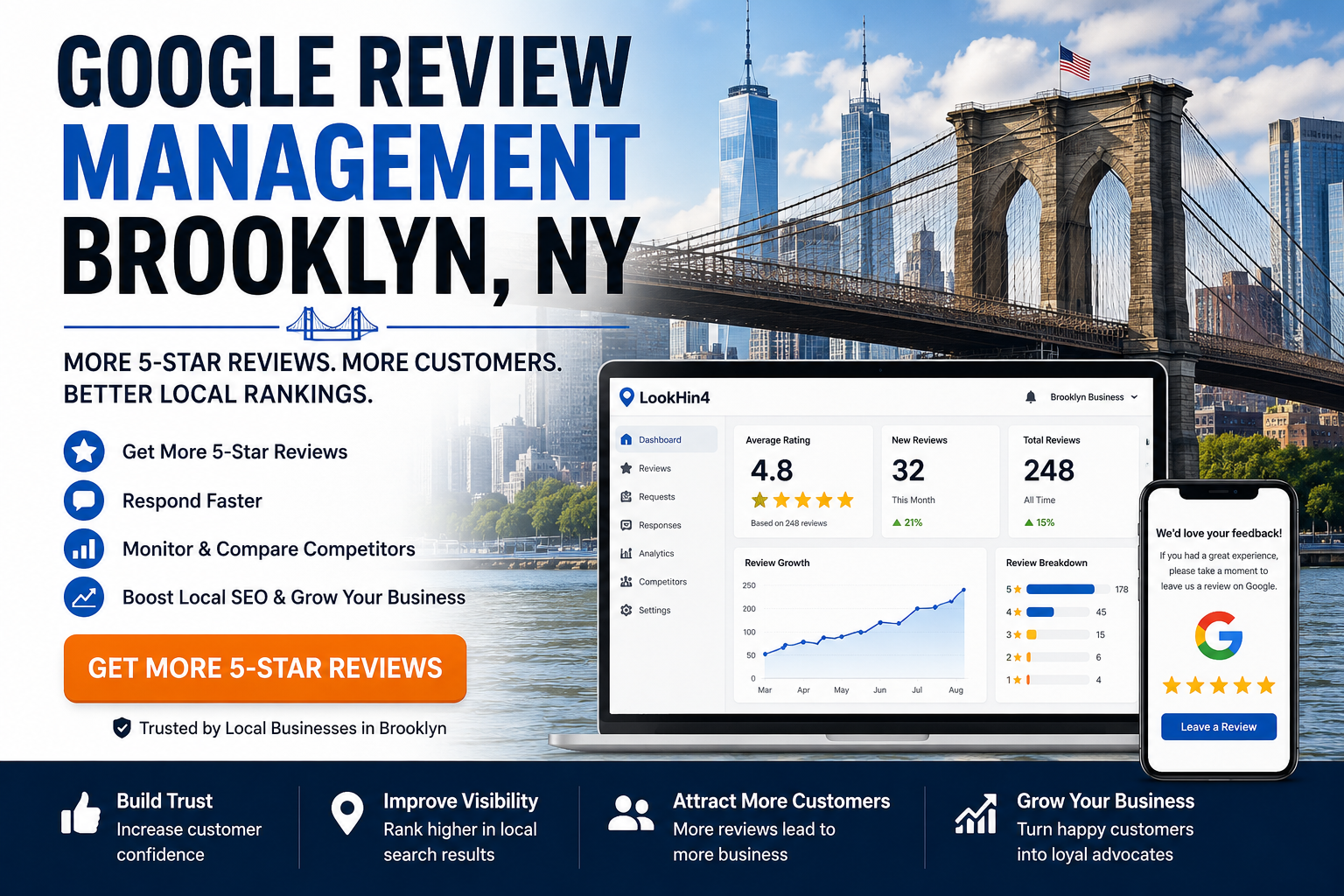
This is why many businesses eventually invest in professional Google review management services.

Common Google Review Mistakes Businesses Make
Many companies unintentionally hurt their reputation strategy by:
- buying fake reviews
- ignoring negative feedback
- requesting too many reviews at once
- failing to respond
- using aggressive language
- violating Google review guidelines
Authenticity matters more than volume.
A smaller number of genuine reviews usually performs better than suspicious review spikes.
How Review Management Supports Local SEO Services
Review management and local SEO work together naturally.
Reviews contribute to:
Google Maps visibility
local ranking authority
keyword relevance
user trust
click-through rates

Businesses that combine:
Google Business Profile optimization
customer review strategy
local SEO services
…often experience stronger long-term growth in local search.
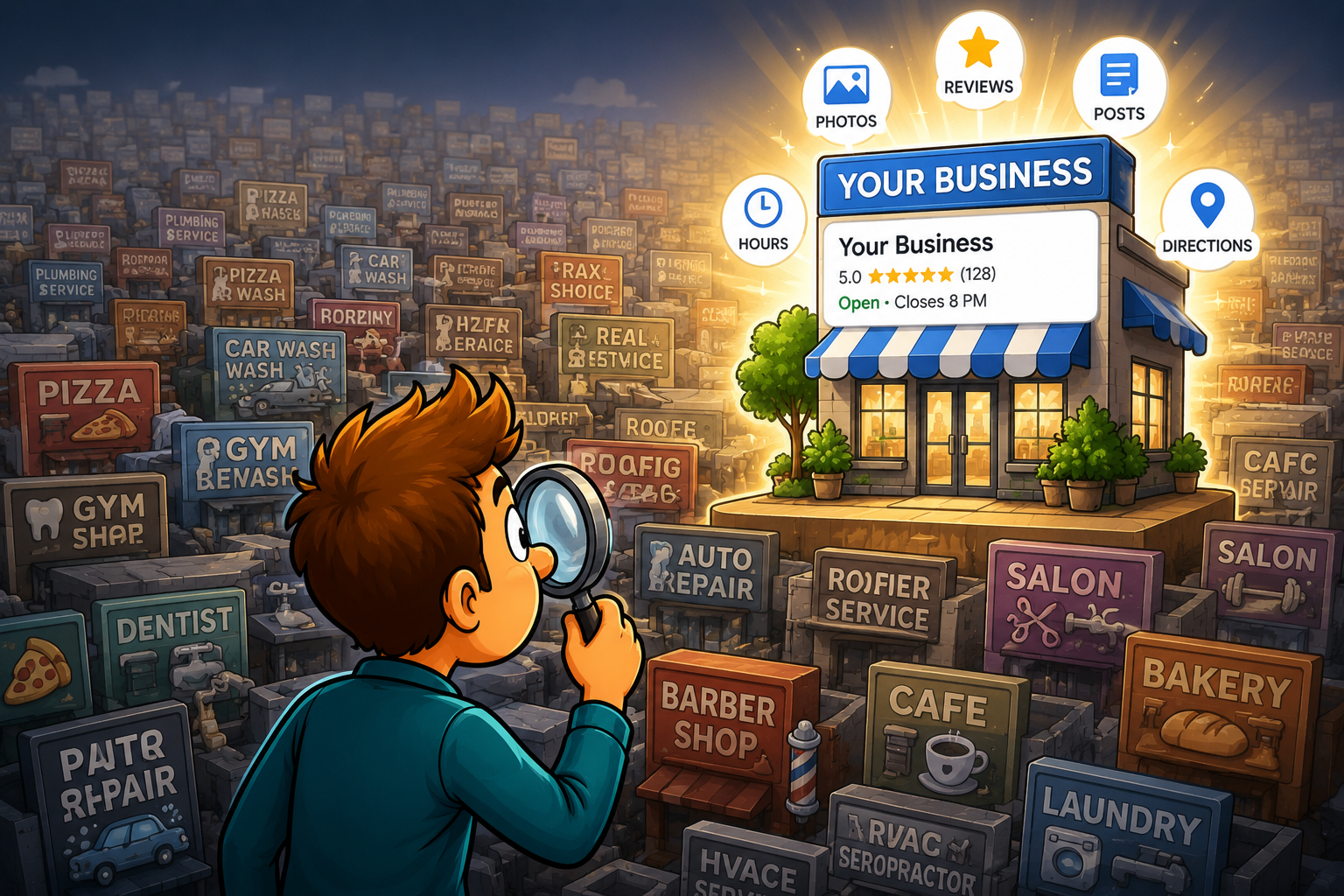
As competition increases online, businesses need both technical optimization and reputation credibility to stand out.
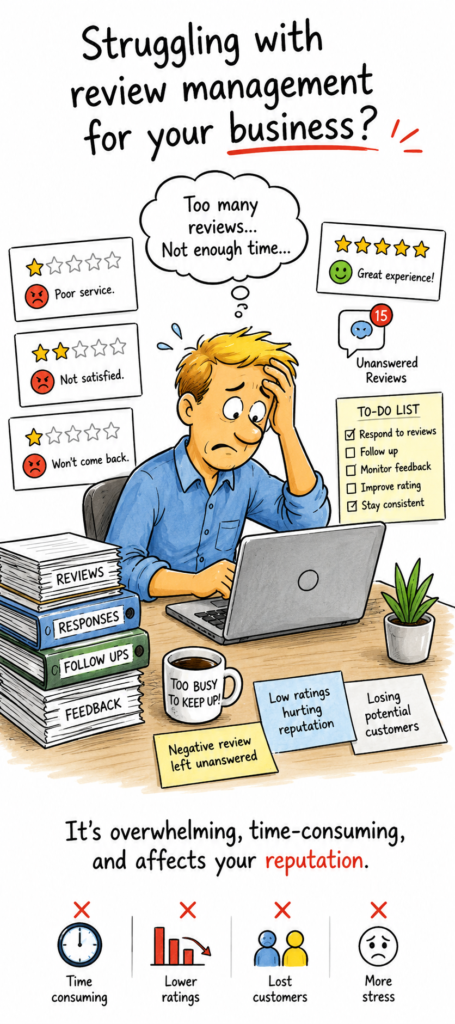
Best Industries for Google Review Growth
Nearly every industry benefits from reviews, but some rely on them heavily.
These include:
- home services
- dentists
- law firms
- HVAC companies
- restaurants
- real estate agencies
- fitness centers
- auto repair shops
- consultants
- accountants
For these businesses, reviews often become one of the strongest conversion drivers.
Tools That Help Manage Customer Reviews
Businesses commonly use tools for:
automated review requests
reputation monitoring
review analytics
response management

Useful tools include:
Google Business Profile
Podium
Birdeye
Grade.us
NiceJob
Broadly
Choosing the right system depends on business size and customer volume.


FAQ
What is a Google customer review strategy?
A Google customer review strategy is a structured approach businesses use to generate, manage, and respond to customer reviews in order to improve trust, visibility, and local SEO rankings.
Do Google reviews help SEO?
Yes. Google reviews influence local search rankings, Google Maps visibility, and customer trust signals.
How many Google reviews should a business have?
There is no exact number, but consistency matters more than volume. Businesses should aim for ongoing monthly reviews.
Can negative reviews hurt local rankings?
Negative reviews can impact trust, but responding professionally often minimizes damage and can even improve credibility.
Is it okay to ask customers for reviews?
Yes. Businesses are encouraged to request honest customer feedback as long as they follow Google’s review policies.
Why do businesses hire review management services?
Professional review management services help businesses improve consistency, monitor reputation, respond faster, and strengthen local SEO performance.

Conclusion
A strong Google customer review strategy helps businesses improve trust, visibility, and long-term customer growth. Reviews influence both human buying behavior and search engine rankings, making them one of the most valuable digital marketing assets available today.
Businesses that actively manage reviews, respond professionally, and integrate reputation management into broader local SEO services often gain a competitive advantage in crowded local markets. Partnering with a reliable Google review management service company can help streamline review monitoring, customer engagement, and brand reputation improvement across multiple locations and platforms.
As online competition continues growing, businesses that invest in customer trust and reputation visibility will be better positioned for sustainable success. Understanding Google review management pricing is also important, as businesses should choose solutions that align with their goals, review volume, and long-term marketing strategy.
For businesses already investing in secure digital operations, remote workflows, and customer infrastructure, reputation management becomes the next logical step toward long-term growth, stronger local visibility, and improved customer confidence.