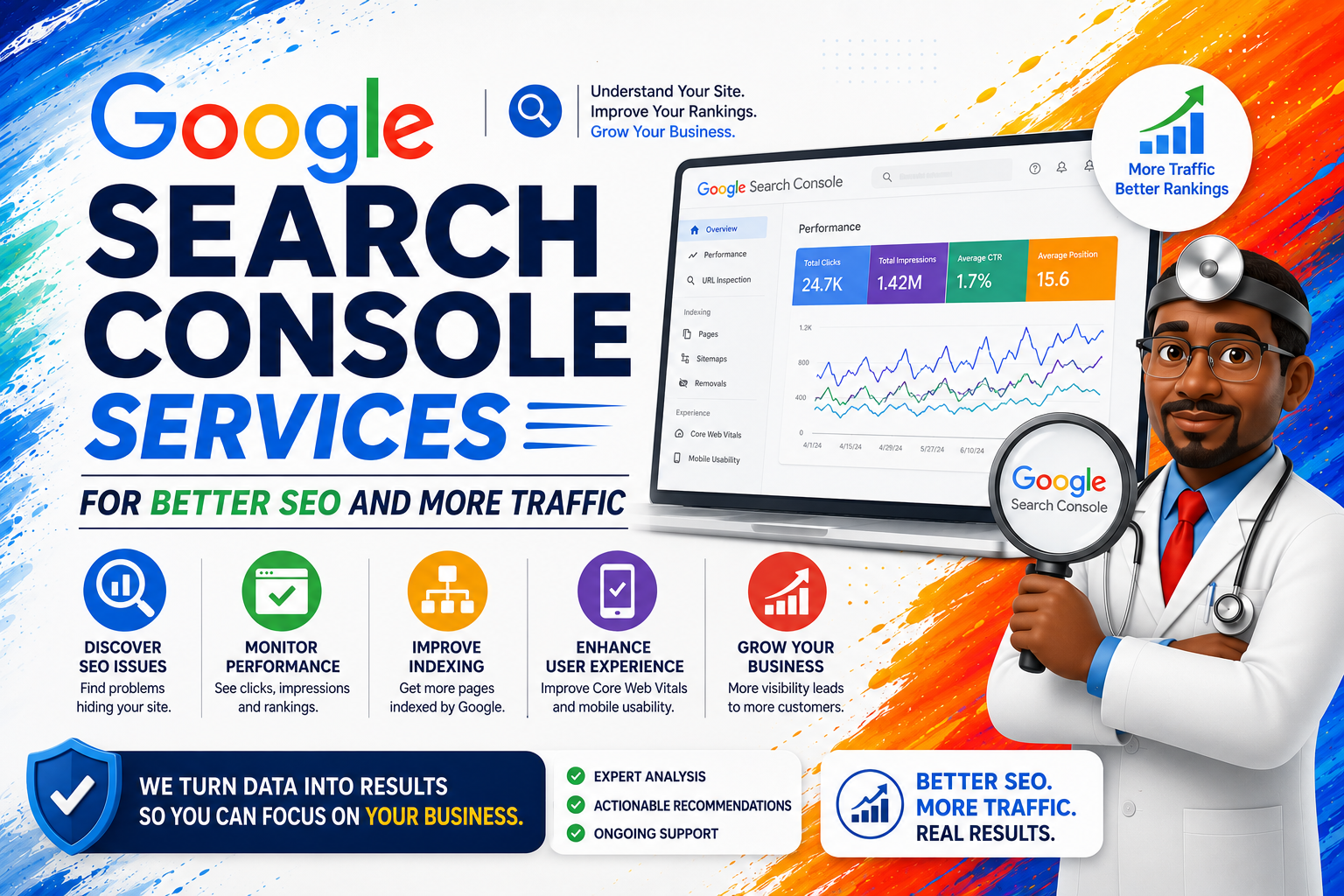
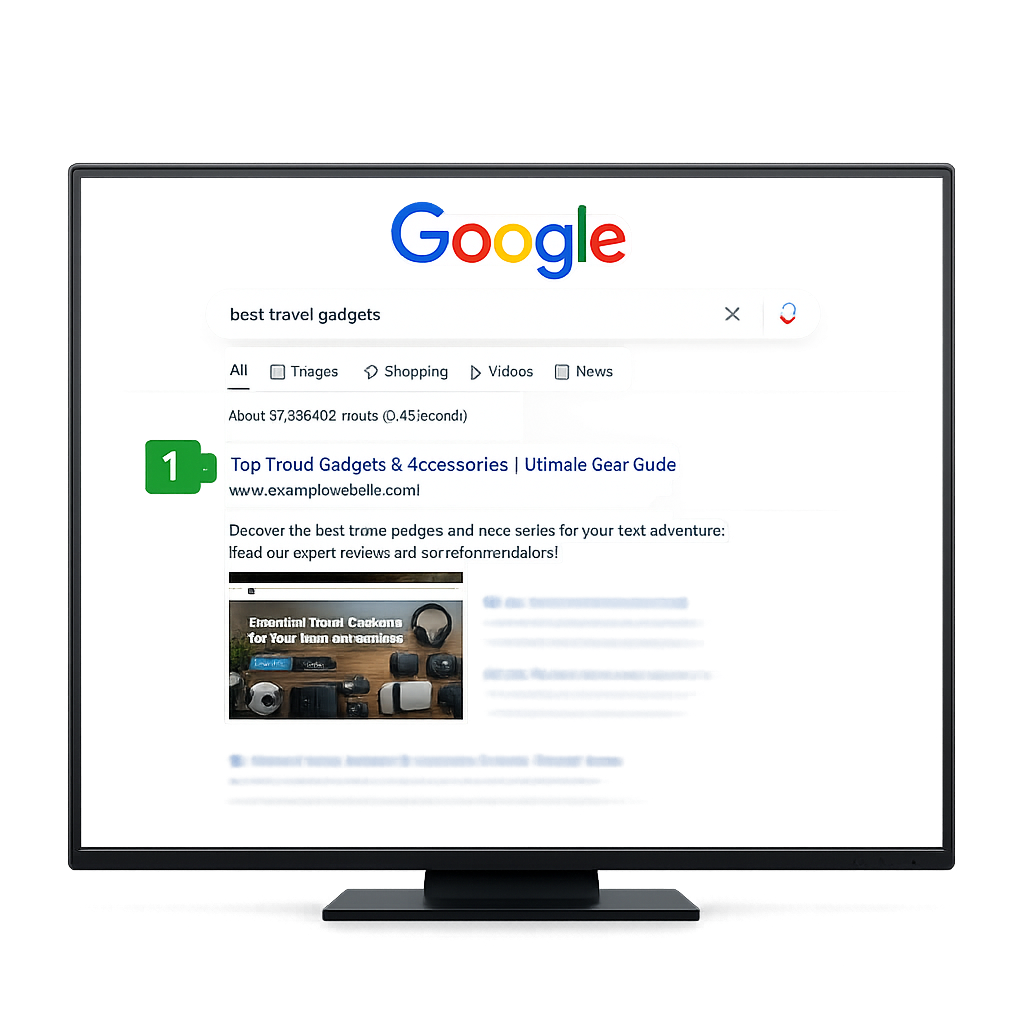
Why do some websites show up first on Google while others stay hidden on page ten?
The answer is simple: understanding what affects SEO performance can help websites rank higher, get more visitors, and grow faster online.
If you want your website to succeed, you need to know the key SEO factors that matter most today.
Learning what affects SEO performance is one of the most important steps in digital marketing. SEO stands for Search Engine Optimization. It helps search engines understand your website and decide where it should appear in search results.
When people search online, they usually click one of the first few results. That means better SEO can bring more traffic, more readers, and more customers.
But SEO is not just about adding keywords. Many different things influence rankings. Website speed, helpful content, mobile design, backlinks, and user experience all play a role.
In this guide, you will learn exactly what affects SEO performance in simple language. This article is written at a 6th-grade reading level, so it is easy to follow for beginners and business owners alike.
Why Helpful Content Matters
Search engines want users to have a good experience. If visitors stay on your page longer, Google sees your content as valuable. That is why understanding what affects SEO performance starts with creating content people enjoy reading.
What Affects SEO Performance?
What affects SEO performance?
SEO performance is affected by many things, including content quality, page speed, mobile friendliness, backlinks, keyword use, user experience, and technical SEO. Search engines like Google rank websites higher when they are helpful, fast, safe, and easy to use.


1. Content Quality
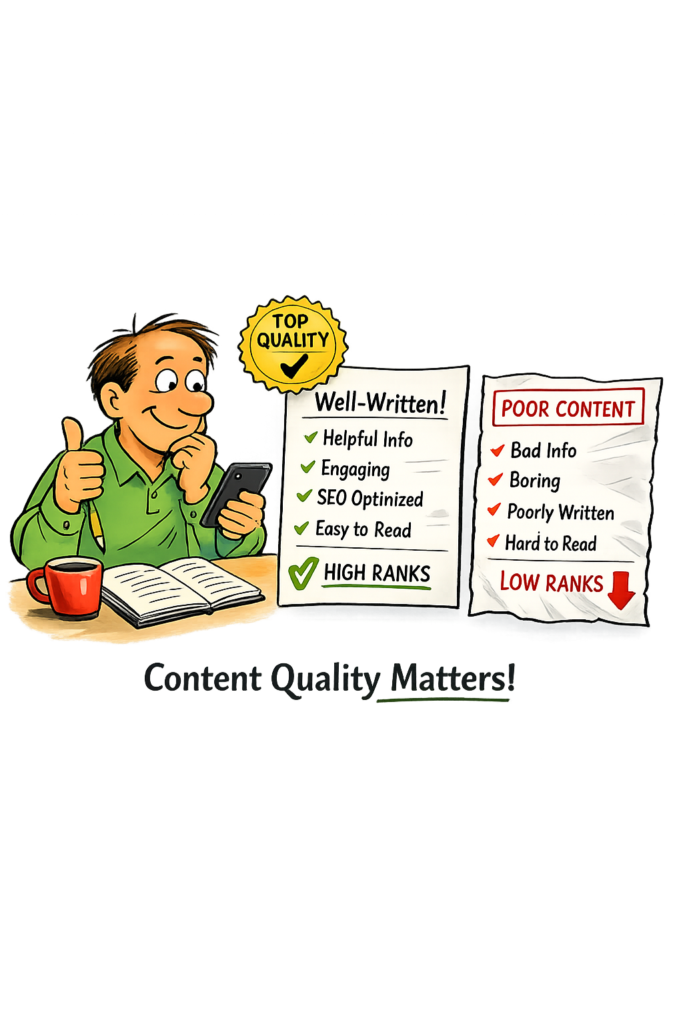
One of the biggest answers to what affects SEO performance is content quality.
Google wants to show users the best and most helpful information. If your content is useful, clear, and accurate, your rankings can improve.
Good content should:
- Answer questions clearly
- Be easy to read
- Include helpful examples
- Stay updated
- Solve problems
Thin or copied content hurts SEO. Original content helps websites stand out.

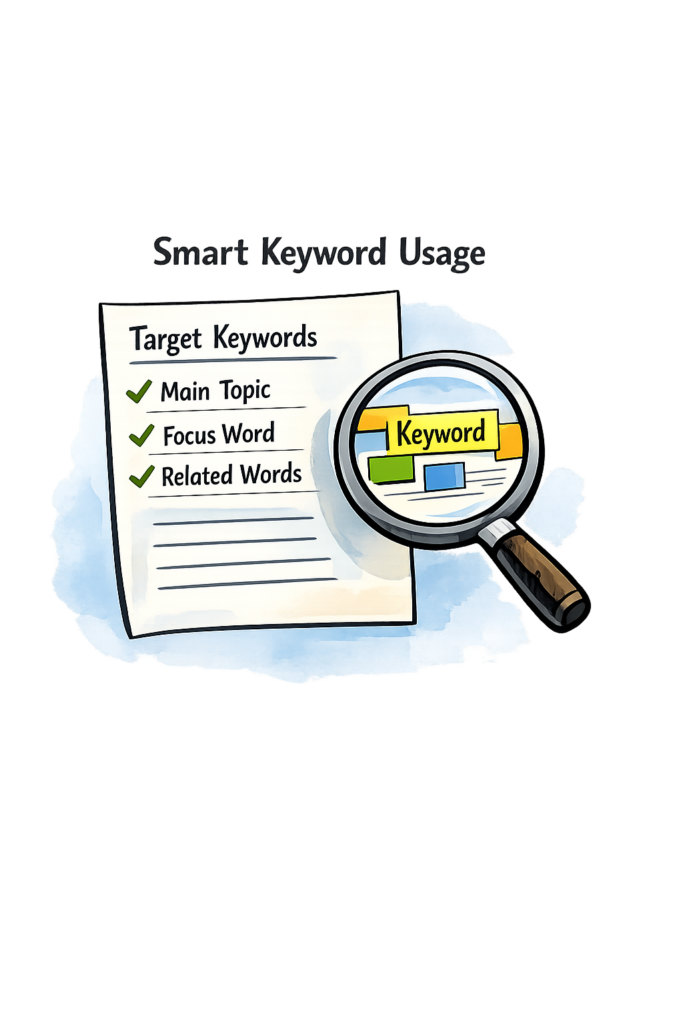
2. Keyword Usage
Keywords tell search engines what your page is about.
Using the focus keyword naturally helps Google understand your content better. In this article, the keyword is what affects SEO performance.
But stuffing keywords too many times in a robotic way can hurt rankings.
Good keyword practices include:
- Using keywords naturally
- Adding keywords in headings
- Including keywords in the intro
- Using related keywords
- Writing for humans first
Understanding keyword placement is a major part of learning what affects SEO performance.
3. Page Speed
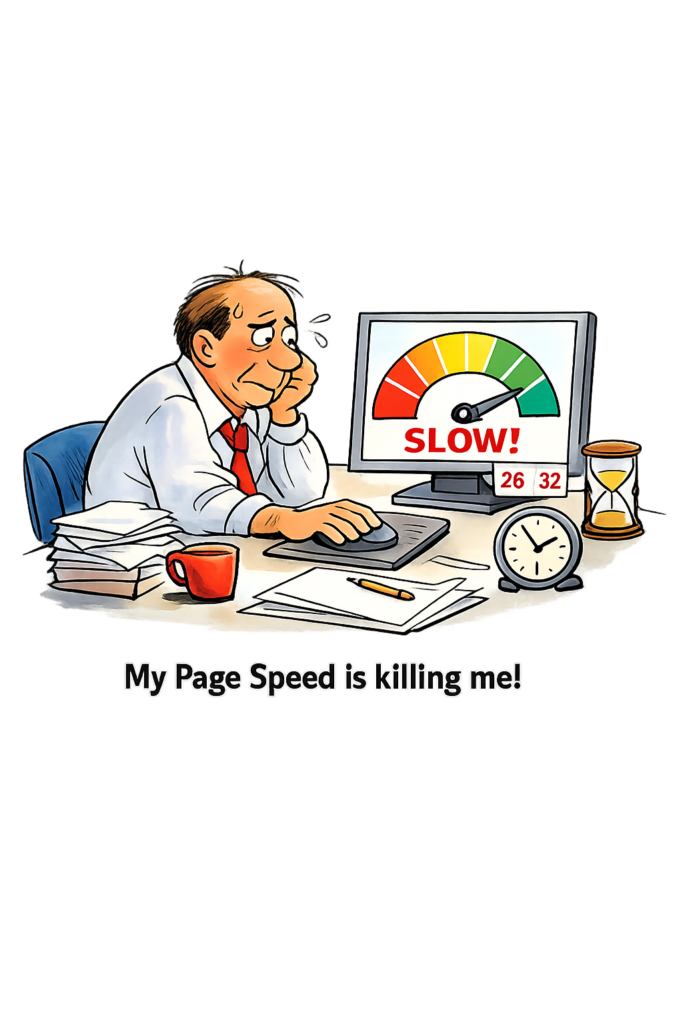
Nobody likes a slow website.
Page speed is another huge factor in what affects SEO performance. If a page loads slowly, visitors may leave before reading anything.
Fast websites improve user experience and rankings.
Ways to Improve Speed
- Compress images
- Use fast hosting
- Reduce large files
- Enable caching
- Remove unnecessary plugins
Google has confirmed that speed matters for SEO.

4. Mobile Friendliness
Today, most people browse on phones.
If your website does not work well on mobile devices, rankings can drop. Mobile optimization strongly impacts what affects SEO performance.
A mobile-friendly website should:
- Fit all screen sizes
- Load quickly
- Use readable text
- Have clickable buttons
- Avoid pop-ups
Google now uses mobile-first indexing, meaning it mainly checks the mobile version of your site.

5. User Experience (UX)
User experience means how people feel when using your website.
Good UX improves engagement, while poor UX can increase bounce rates.
Important UX Factors
- Easy navigation
- Clean layout
- Fast loading
- Helpful content
- Simple design
Search engines watch user behavior carefully. That is why UX directly impacts what affects SEO performance.

6. Backlinks
Backlinks are links from other websites to your site.
They act like votes of trust. High-quality backlinks tell Google your content is valuable.
Backlinks remain one of the strongest signals in what affects SEO performance.
How to Get Better Backlinks
- Write great content
- Create helpful guides
- Guest post on websites
- Share research
- Build relationships
Not all backlinks are good. Spammy links can hurt rankings.

7. Technical SEO
Technical SEO helps search engines crawl and understand your website.
Without technical SEO, even good content may struggle to rank.
Technical SEO Includes
- XML sitemaps
- Robots.txt files
- Structured data
- Secure HTTPS
- Clean URLs
Technical improvements are a key
answer to what affects SEO performance.
Learn more from Google Search Central

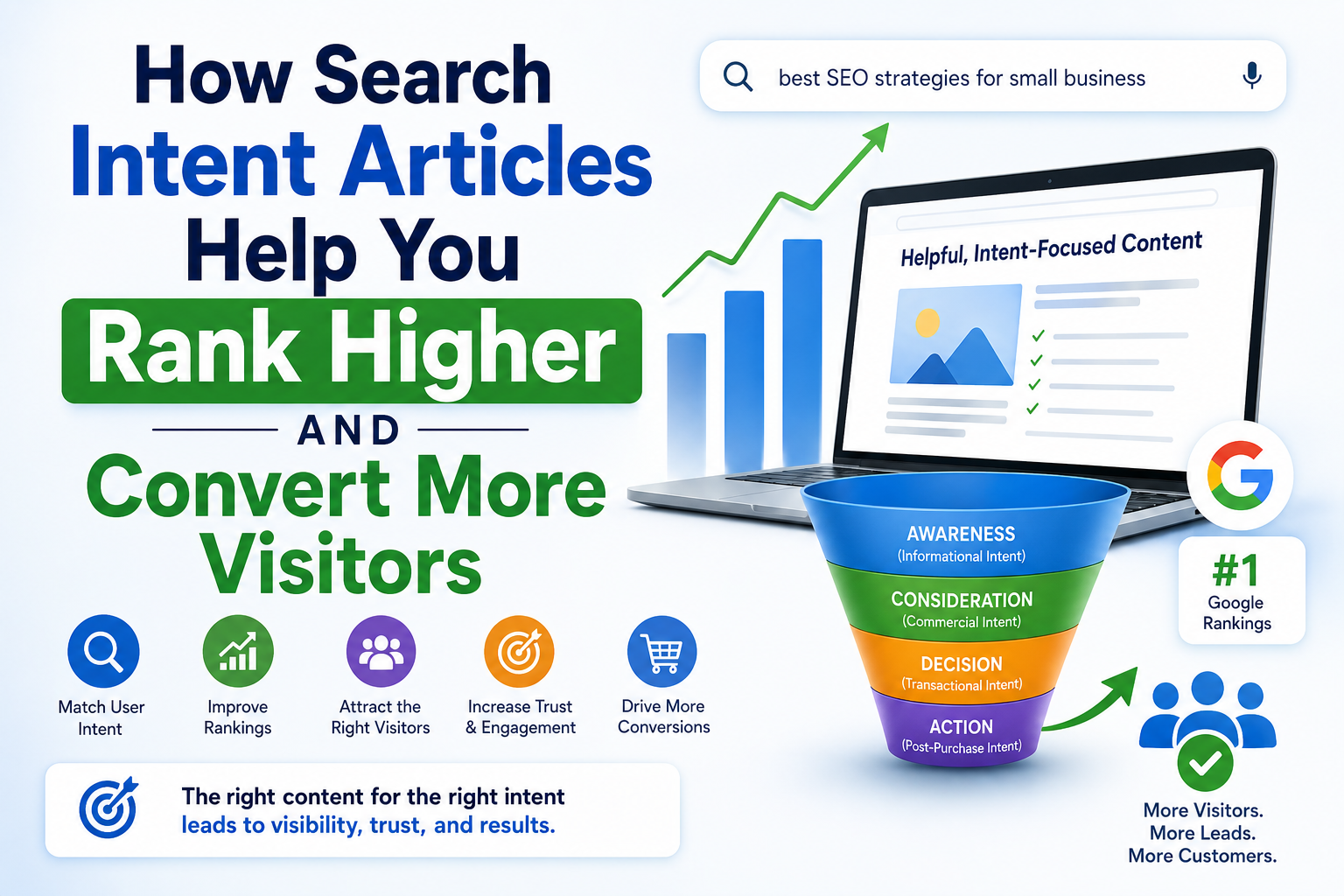
8. Search Intent
Search intent means understanding why someone searches for something.
For example:
- Informational searches ask questions
- Transactional searches want to buy
- Navigational searches look for websites
Matching content with user intent strongly affects rankings.
Understanding intent is essential when studying what affects SEO performance.

9. Website Security
Safe websites rank better.
Google prefers websites using HTTPS because they protect visitor data.
Security affects trust, user experience, and overall SEO.
Security Tips
- Install SSL certificates
- Update plugins
- Use strong passwords
- Scan for malware
Website security is another important part of what affects SEO performance.
10. Internal Linking
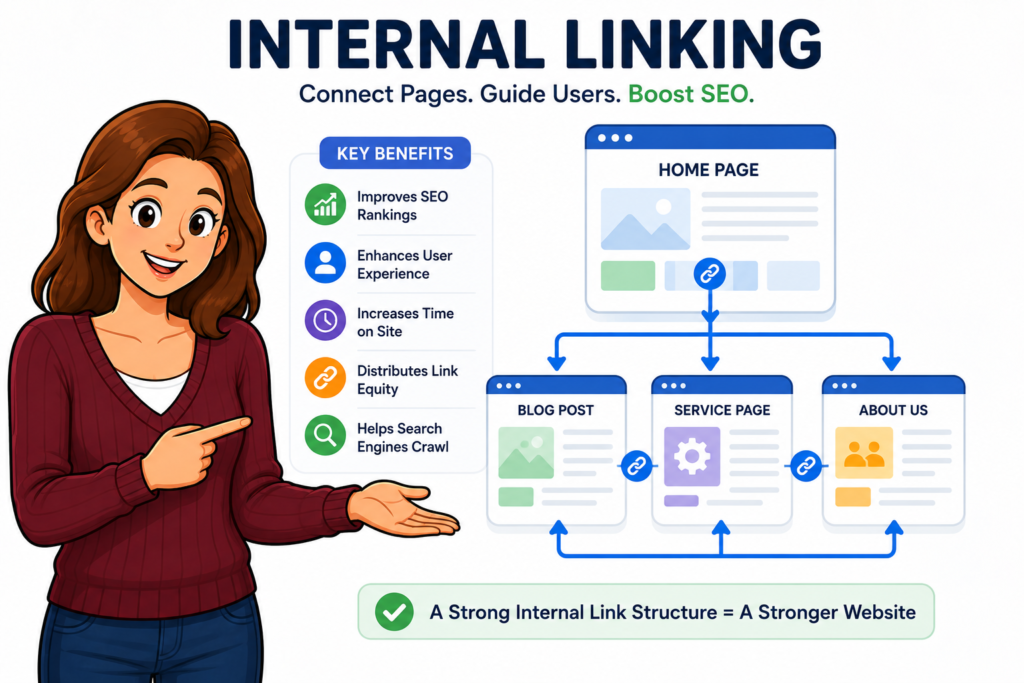
Internal links connect pages on your own website.
These links help users and search engines discover more content.
Good internal linking can:
- Improve navigation
- Increase page views
- Spread page authority
- Help indexing
Strong internal linking strategies support what affects SEO performance over time.

11. Fresh Content
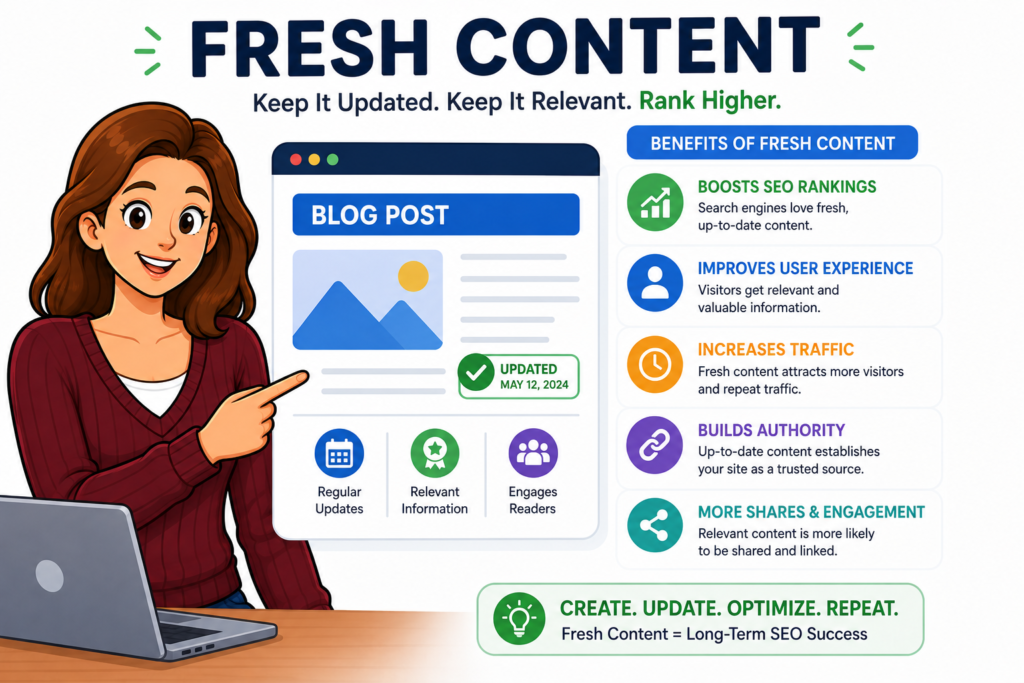
Google likes updated information.
Refreshing old articles can improve rankings and traffic.
Fresh content shows search engines your website stays active.
Ways to Keep Content Fresh
- Update statistics
- Add new examples
- Improve formatting
- Fix broken links
- Add recent trends
Freshness continues to impact what affects SEO performance today.
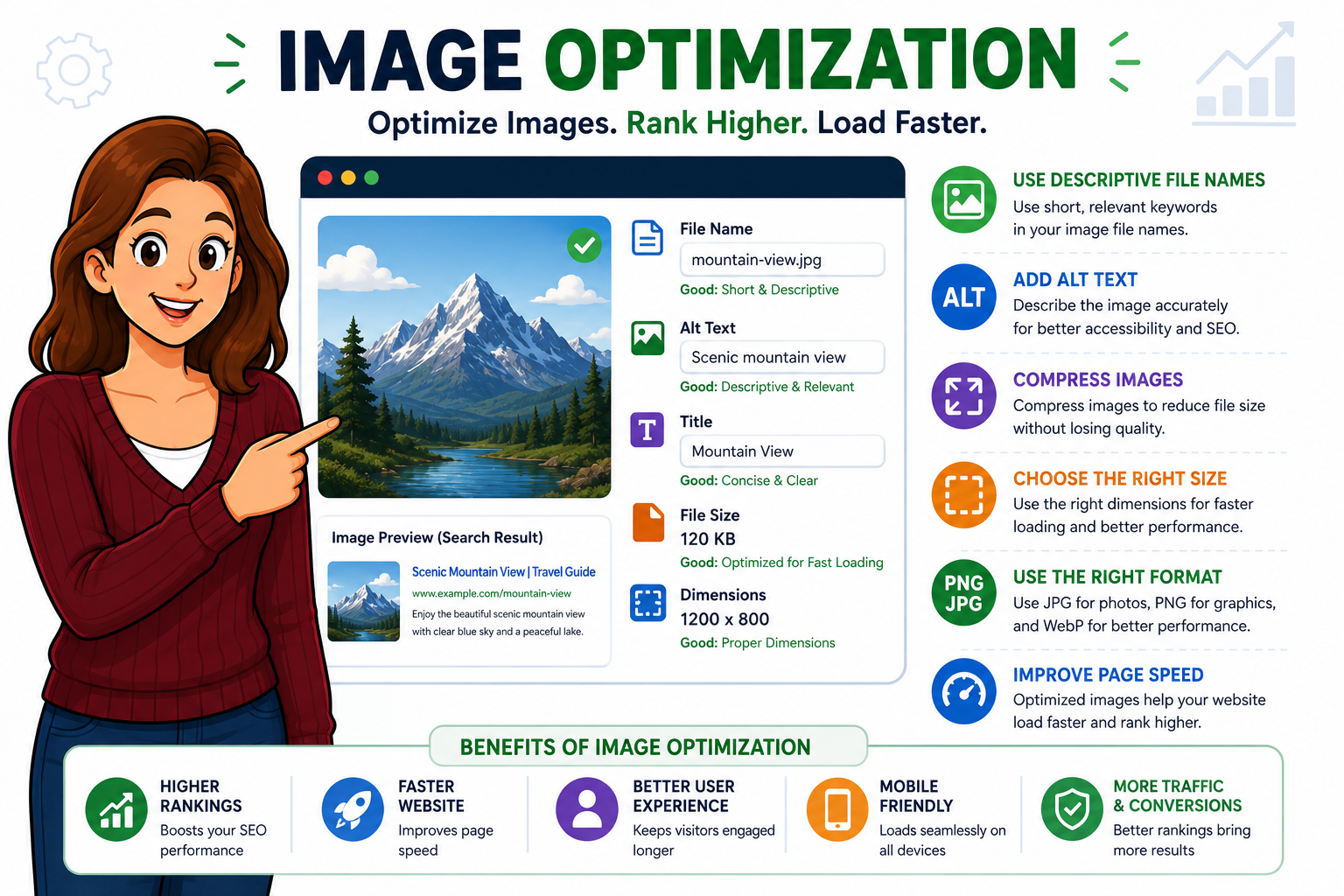
12. Image Optimization
Images make content more engaging, but large images can slow websites down.
Optimized images improve speed and accessibility.
Image SEO Tips
- Use descriptive filenames
- Add alt text
- Compress file sizes
- Choose modern formats
Image optimization is another hidden factor in what affects SEO performance.

13. Domain Authority
Domain authority is a measure of website trust and strength.
Older websites with strong backlinks often rank easier.
While Google does not officially use “domain authority,” trust still matters in SEO.
Trust signals influence what affects SEO performance across industries.

14. Local SEO
Local SEO helps businesses appear in nearby searches.
For example:
- “Pizza shop near me”
- “Best dentist in town”
Local SEO includes:
- Google Business Profile
- Reviews
- Local keywords
- Maps optimization
Local visibility is another major factor in what affects SEO performance for businesses.

15. AI and Future SEO Trends
SEO keeps changing.
Artificial intelligence now helps search engines better understand content and user behavior.
Future SEO trends include:
- Voice search
- AI-generated answers
- Video SEO
- User-focused content
- Search experience optimization
Keeping up with trends is critical for long-term SEO success.
Businesses that understand future changes will better adapt to what affects SEO performance tomorrow.

FAQs About What Affects SEO Performance
1. What affects SEO performance the most?
Content quality, backlinks, page speed, and user experience are some of the biggest SEO ranking factors.
2. Why is page speed important for SEO?
Fast websites create a better experience for users and reduce bounce rates.
3. How often should I use keywords?
Use keywords naturally throughout your content without stuffing them unnaturally.
4. Do backlinks still matter in SEO?
Yes. High-quality backlinks remain one of the strongest ranking signals.
5. Does mobile design affect SEO performance?
Yes. Google mainly checks the mobile version of websites for ranking.
6. Can updating old content improve SEO?
Yes. Refreshing content can improve rankings, traffic, and relevance.

Conclusion
Now you understand what affects SEO performance and why these factors matter so much.
SEO success does not happen overnight. It takes helpful content, smart optimization, fast websites, and strong user experiences.
The good news is that even small improvements can make a big difference over time.
Focus on creating value for users first. When your website helps people, search engines notice.
That is the real secret behind what affects SEO performance.