Most websites struggle with SEO because they focus only on keywords instead of understanding what people actually want when they search Google.
This is where search intent articles become important.
Search intent articles are designed to match the exact reason behind a Google search. Instead of stuffing keywords into content, these articles help solve the user’s problem, answer questions, build trust, and guide visitors toward taking action.
When done correctly, intent-based SEO helps websites:
- increase organic traffic
- improve Google rankings
- build topical authority
- increase website conversions
- generate more leads and sales
For businesses focused on local SEO, Google reviews, and online reputation management, understanding search intent can completely change how content performs.
What Is Search Intent?
Search intent is the reason behind a user’s Google search.
Every search has a goal.
Some people want to:
- learn something
- compare services
- buy a product
- solve a problem
- find a specific business
Google’s job is to show the content that best matches that goal.
If your content aligns with user intent better than competitors, your chances of ranking increase significantly.
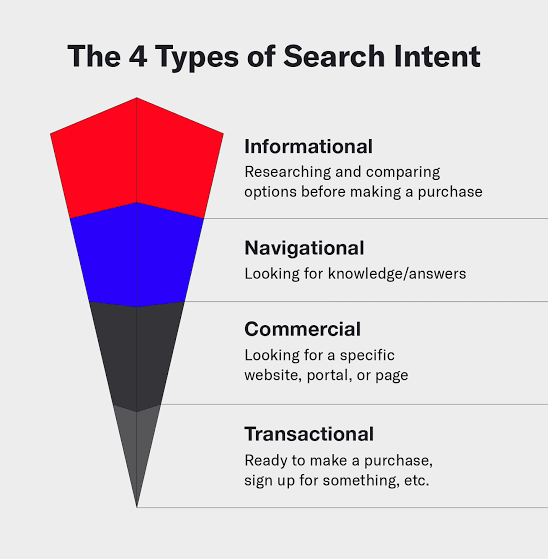
The 4 Main Types of Search Intent
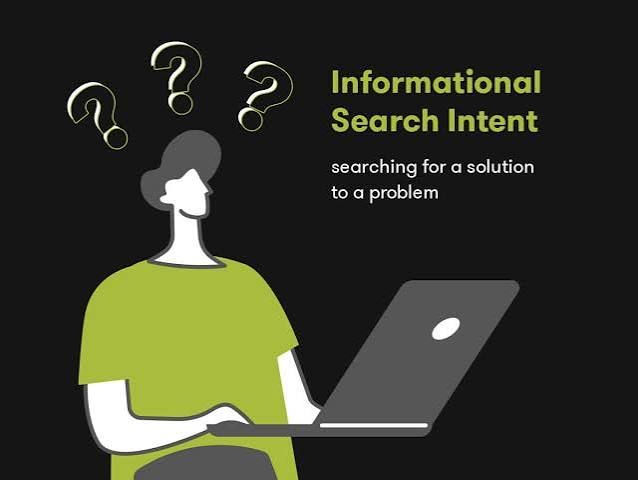
1. Informational Intent
Informational intent happens when users want to learn something or find answers.
Examples:
- how to report a fake Google review
- what is local SEO
- how Google reviews affect rankings
- how to improve online reputation
These articles help:
- attract website traffic
- build authority
- improve topical relevance
- increase internal linking opportunities
For many businesses, informational articles become traffic magnets that bring consistent visitors from Google Search.
Example Informational Article
“How to Report a Fake Google Review”
This type of article should naturally transition users into:
trust-building strategies
reputation management
local SEO services

2. Commercial Intent
Commercial intent happens when users are researching before making a purchase.
Examples:
- best Google review management company
- Google review management pricing
- top local SEO services for dentists
- reputation management companies near me
These users are much closer to becoming customers.
Commercial intent articles should include:
- comparisons
- pricing information
- benefits
- trust signals
- case studies
- FAQs
- clear calls-to-action
These pages often perform well because they combine education with buyer-focused information.
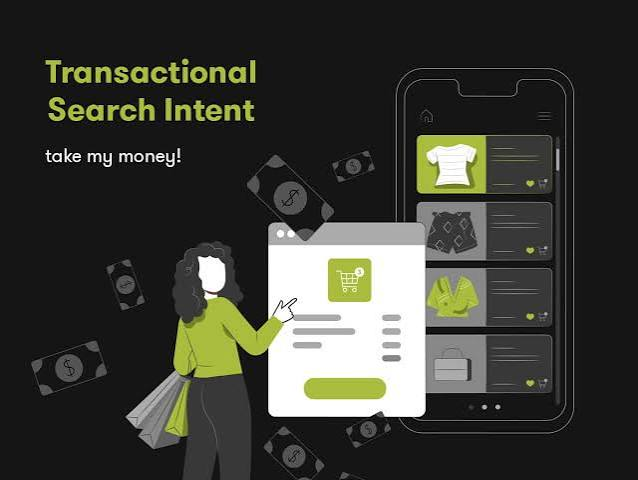
3. Transactional Intent
Transactional intent means users are ready to take action immediately.
Examples:
- buy Google review management
- hire local SEO company
- get more 5-star Google reviews
- reputation management services near me
These pages should focus heavily on conversions.
Transactional pages work best when they include:
- strong headlines
- clear offers
- contact forms
- fast-loading layouts
- customer testimonials
- CTA buttons above the fold
This is where service pages and landing pages become critical.
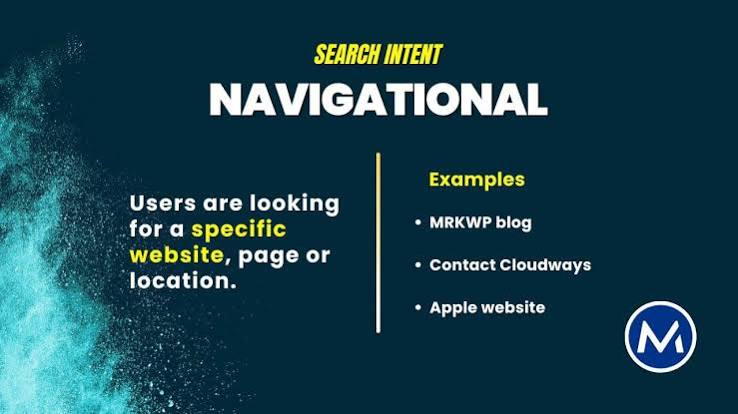
4.Navigational Intent
Navigational intent happens when users are trying to find a specific website, business, or page.
Examples:
- Lookhin4 Google review service
- Google Business Profile login
- local SEO services Lookhin4
These searches already know where they want to go.
Optimizing branded pages and maintaining strong online visibility helps capture these searches more effectively.
Why Search Intent Matters for SEO
Many websites fail because they target keywords without understanding user intent.
For example:
Someone searching:
“how to report fake Google review”
does not want:
excessive advertisements
aggressive sales pitches
pricing pages immediately
Instead, they want:
- clear instructions
- practical solutions
- screenshots
- helpful guidance
Once trust is built, the article can naturally guide users toward:
- review management services
- local SEO solutions
- reputation management strategies
That transition is where conversions happen.
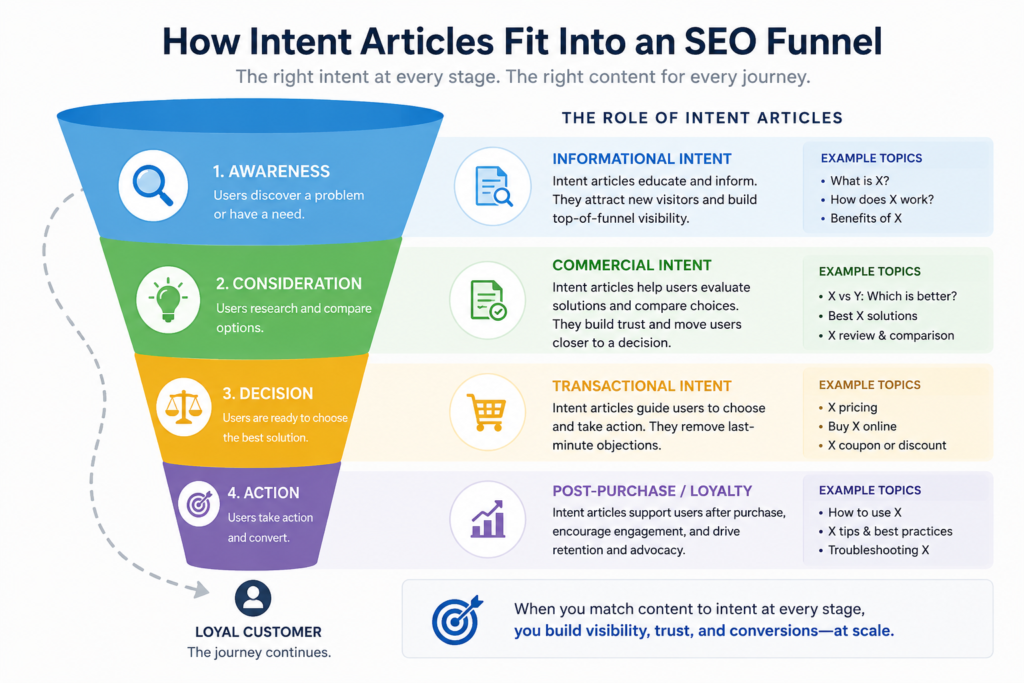
How Intent Articles Fit Into an SEO Funnel
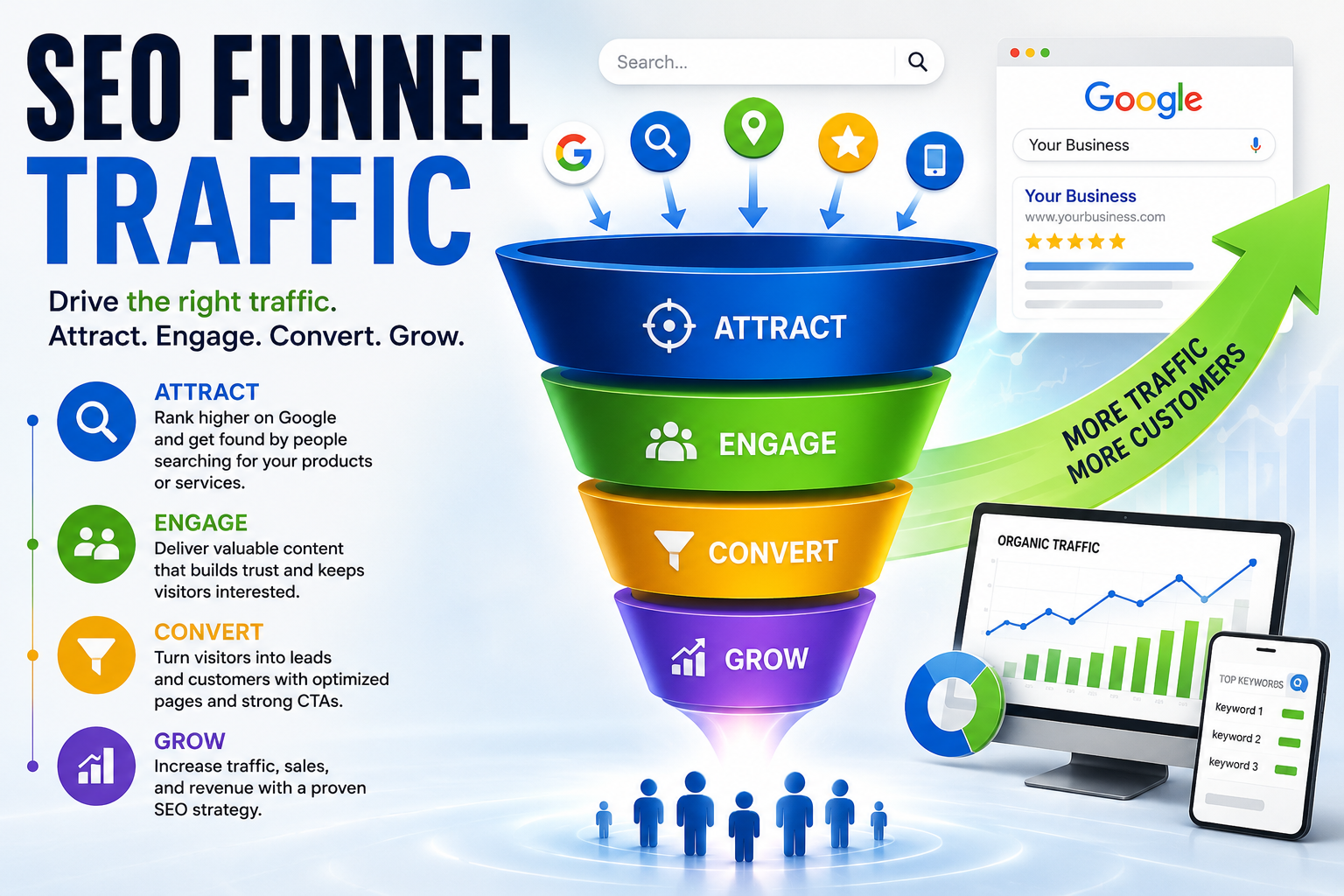
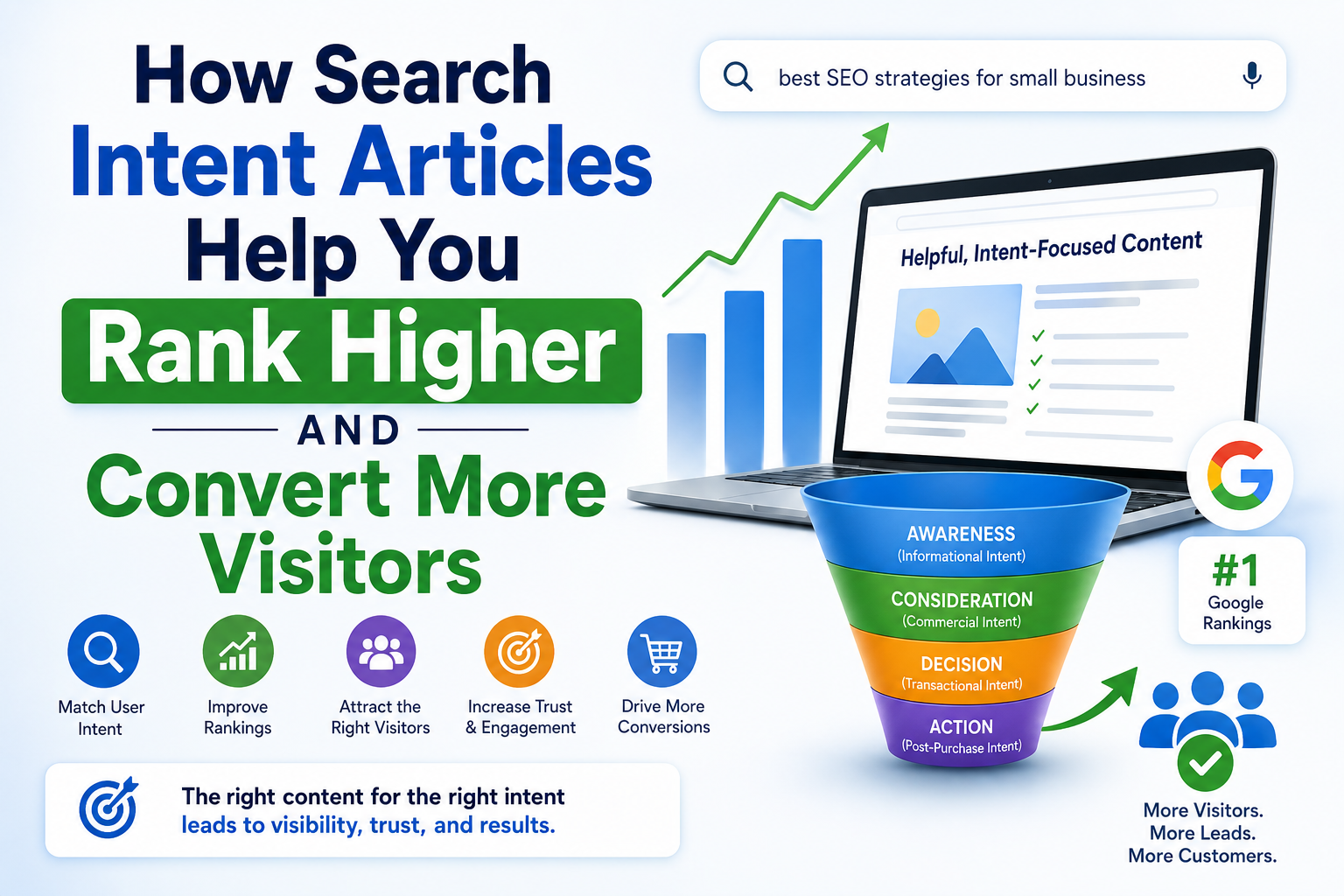
A successful SEO funnel uses different article types to guide visitors from discovery to conversion.
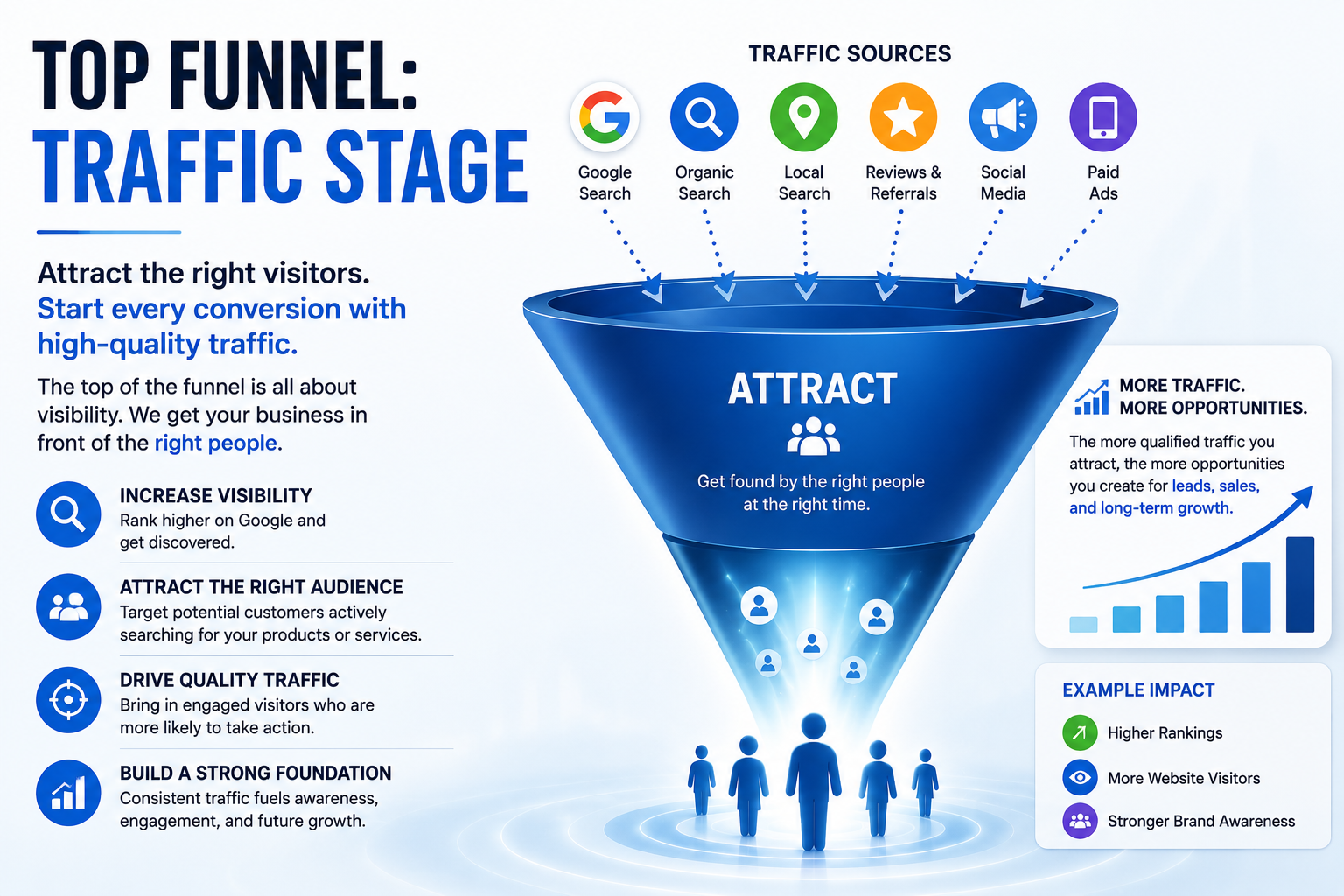
Top Funnel: Traffic Stage
Intent Type:
Informational
Content Examples:
- tutorials
- how-to articles
- educational guides
- checklists
- problem-solving articles
Goal:
Generate traffic from Google Search.
Example:
“How to Report a Fake Google Review”
This stage helps businesses attract users searching for solutions.
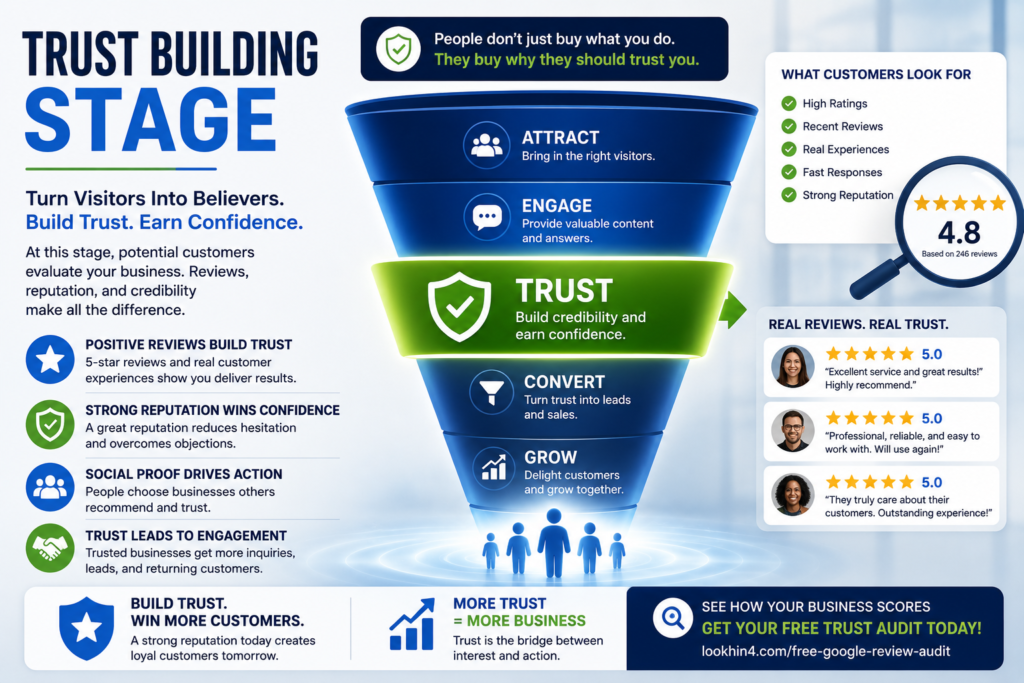
Middle Funnel: Trust Building Stage
Intent Type:
Commercial
Content Examples:
- pricing guides
- comparisons
- strategy articles
- buyer guides
- case studies
Goal:
Build trust and authority.
Example:
“Google Review Management Pricing for Small Businesses”
This stage helps users evaluate solutions before purchasing.
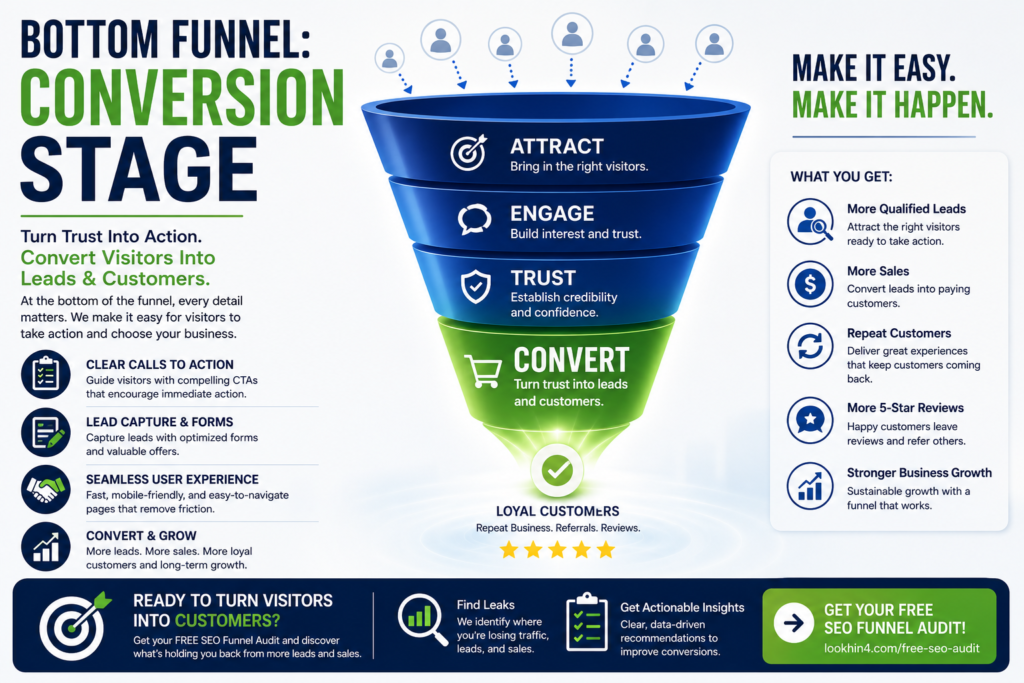
Bottom Funnel: Conversion Stage
Intent Type:
Transactional
Content Examples:
- service pages
- consultation pages
- lead generation pages
- contact forms
Goal:
Convert traffic into leads and customers.
Example:
“Get More 5-Star Google Reviews”
This is where SEO traffic becomes business revenue.

What Google Wants in 2026
Modern SEO is no longer just about keywords and backlinks.
Google increasingly rewards:
- topical authority
- helpful content
- user satisfaction
- intent matching
- strong internal linking
- trust signals
- content depth
This is why businesses focusing on:
- local SEO
- Google reviews
- online reputation
- customer trust
- service business marketing
can build strong topic clusters that improve long-term rankings.

How Intent Articles Build Topical Authority
When multiple articles support the same topic, Google begins understanding your website as an authority in that niche.
For example:
A strong local SEO cluster may include:
- Google review management
- fake review reporting
- Google Business Profile optimization
- customer review strategy
- local ranking factors
- reputation management pricing
- service page SEO
Internal linking between these articles strengthens website relevance and improves crawlability.
Over time, this helps search engines trust the website more.

Best Practices for Creating Search Intent Articles
To improve rankings and conversions, intent articles should:
- solve a clear problem
- match the user’s search goal
- use proper heading structure
- include strong internal linking
- maintain easy readability
- include trust-building content
- answer related questions
- include clear CTA placement
High-performing SEO content should guide users naturally instead of forcing sales too early.

Conclusion
Search intent articles are one of the most important parts of modern SEO strategy.
Instead of creating random blog posts around keywords, businesses should focus on understanding why users are searching in the first place.
When content aligns with user intent, websites can:
- attract more traffic
- improve Google rankings
- build authority
- strengthen local SEO
- increase customer trust
- generate more leads and conversions
For businesses focused on Google review management, online reputation, and local SEO, intent-based content creates a long-term foundation for sustainable growth.
The businesses that understand search intent today will have a major advantage in search visibility, customer trust, and online conversions moving forward.

-

Google Review Removal Service That Protects Your Reputation and Builds Trust
Can Negative Google Reviews Damage a Healthcare Organization? A sudden wave of negative Google reviews can seriously damage the reputation of a nursing home or medical practice. Families researching nursing homes often compare ratings, recent reviews, management responses, photographs, and overall review activity before scheduling a tour. Patients may perform the same research before choosing…
-
Google Review Management Agency That Helps Businesses Build Trust and Get More Customers
People trust Google reviews before they trust advertisements. Before contacting your business, potential customers usually search your company online and ask themselves one important question: “Can I trust this business?” That answer often comes from your reviews. Customers look at: If your business has weak reviews, outdated feedback, or unanswered complaints, customers may choose a…
-
How to Get New Patients in New York With Google Reviews
Your next patient in New York may decide whether to call your practice before ever speaking to your staff. Today, patients search, compare, and read reviews before choosing care. A 2025 survey found 84% of patients check online reviews before choosing a new healthcare provider. In 2026, 75% said they wouldn’t book with a provider…