What Is an Internal Linking Strategy?
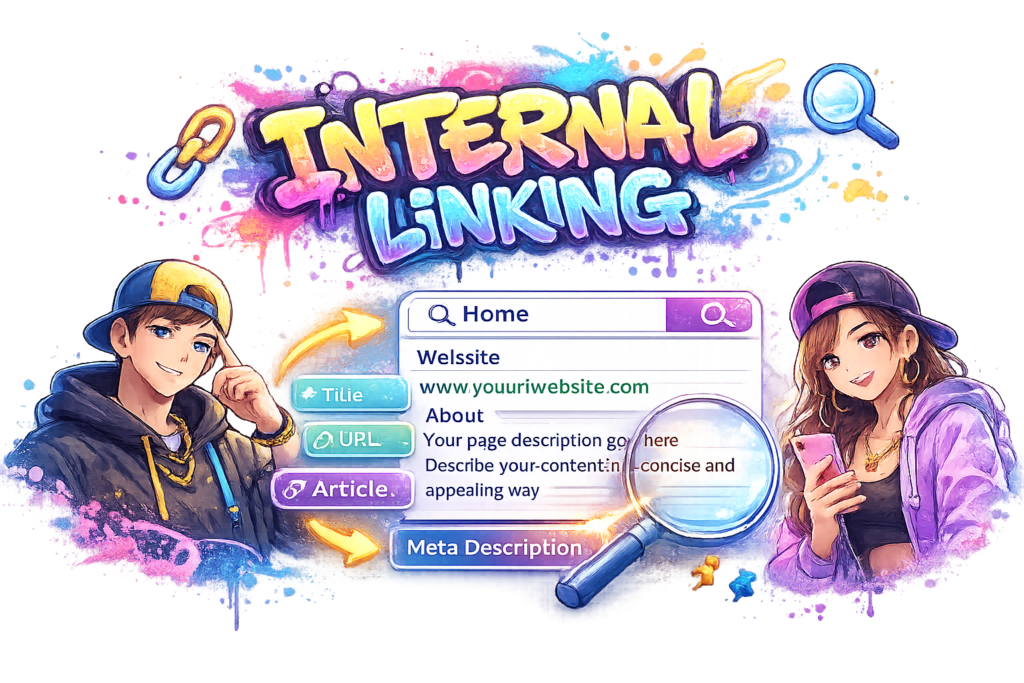
An internal linking strategy is the process of connecting pages within your website using relevant anchor text to improve SEO, crawlability, user experience, and content organization. Internal links help search engines understand how pages relate to each other while guiding visitors toward useful content and conversion-focused pages.
- Benefits of Internal Linking
- Supports website conversions
- Improves SEO rankings
- Helps Google crawl pages faster
- Increases page authority
- Reduces bounce rates
- Keeps users engaged longer
- Strengthens topic relevance
Why Most Websites Lose Traffic Without Internal Linking
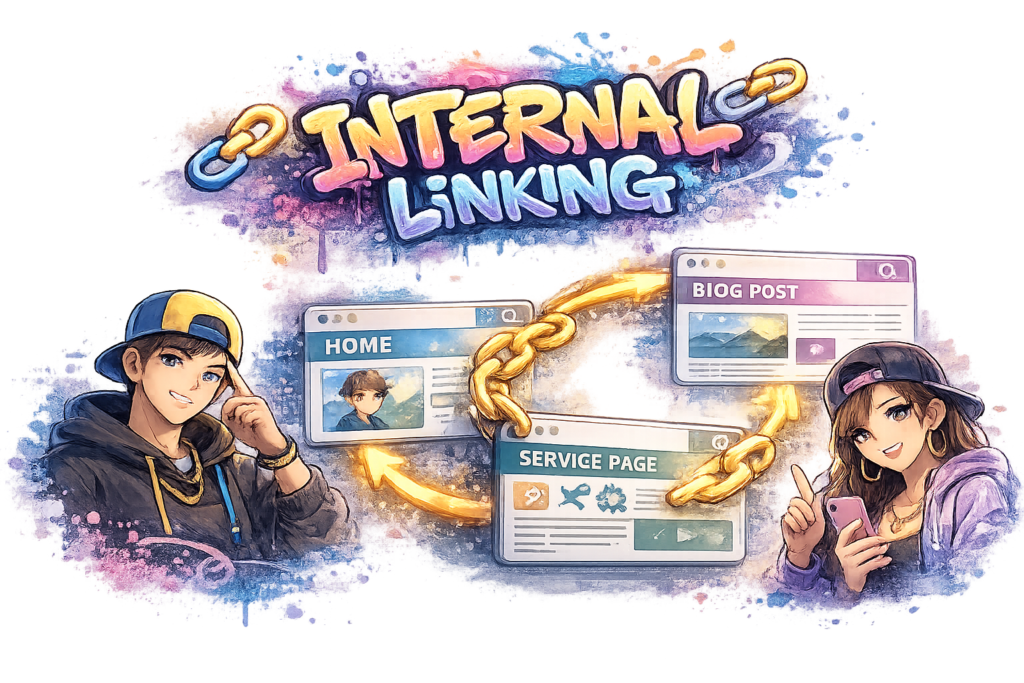
Many websites publish high-quality content but still struggle to rank because their pages are disconnected. Without internal links, search engines may overlook important content, and visitors often leave after reading only one page.
A strong internal linking strategy helps search engines discover pages faster while encouraging readers to explore additional content. Businesses using structured internal linking often improve rankings, increase page views, and strengthen overall website authority.
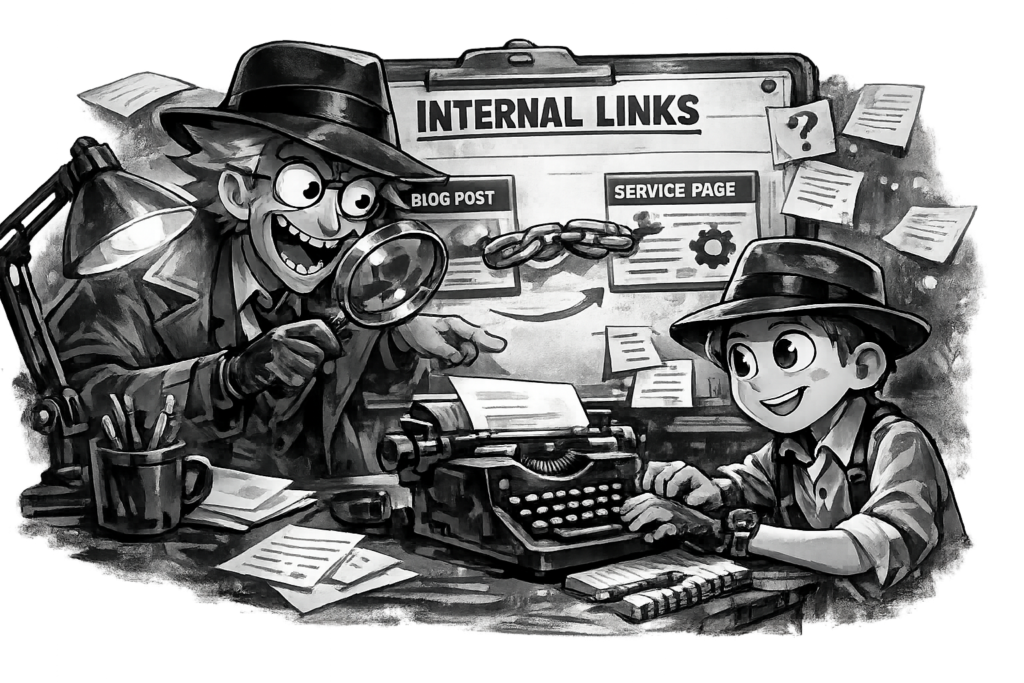
Internal linking is one of the most overlooked SEO strategies, yet it plays a major role in how websites rank and organize content online.
When done correctly, internal links help:
- distribute authority across pages
- improve crawlability
- strengthen topical relevance
- increase session duration
- improve website conversions
Whether you manage a blog, business website, local SEO campaign, or eCommerce store, internal linking helps both users and search engines understand how your content connects together.

Why Internal Linking Matters for SEO
Internal links help search engines understand:
- page relationships
- website structure
- topical authority
- important content
Google uses internal links to discover and prioritize pages across your website. Pages with strong internal linking structures often receive better crawl efficiency and stronger ranking signals.
SEO Benefits of Internal Linking
| Benefit | Impact |
|---|---|
| Crawlability | Helps Google discover pages |
| Authority Distribution | Shares ranking strength |
| User Experience | Improves navigation |
| Engagement | Increases time on site |
| Topical Relevance | Builds authority clusters |
Internal linking also helps prevent orphan pages — pages with no links pointing to them.
Types of Internal Links
There are several types of internal links websites should use strategically.
Navigational Links
These links appear in:
- menus
- headers
- footers
- sidebars
They help users navigate important website sections quickly.
Contextual Links
Contextual links appear naturally within content and usually provide the strongest SEO value.
Example:
A local SEO article may internally link to:
- Google reviews management
- website conversions
- Google Business Profile optimization
These contextual relationships help Google understand topic relevance.

Contextual internal links improve website conversions by placing helpful next steps directly inside relevant content. When readers see links to related services, products, case studies, or contact pages at the right moment, they are more likely to take action. This creates a smoother journey from information to trust to lead generation.
Footer Links
Footer links connect important service pages, policies, and resources throughout the site.
Best Anchor Text Practices
Anchor text is the clickable text used inside a hyperlink. It tells both users and search engines what the linked page is about.
Good Anchor Text Examples
website conversion optimization
local SEO strategies
Google reviews management
internal linking best practices
Avoid Generic Anchor Text
Avoid using:
- click here
- read more
- this page
- learn more
Descriptive anchor text improves SEO clarity and user experience.
How Topic Clusters Strengthen Internal Linking
Topic clusters organize content around one main subject called a pillar page.
For example:
| Pillar Topic | Supporting Articles |
|---|---|
| Local SEO | Google reviews, GBP optimization, citations |
| Internal Linking | Anchor text, crawlability, topic clusters |
| Web Design | UX, conversions, mobile optimization |
Internal links connect these related articles together, helping search engines understand your topical authority.
Businesses with strong topic clusters often improve rankings because Google recognizes the website as an authority within that subject area.
How Internal Linking Helps Local SEO
Internal linking plays a major role in local SEO campaigns.
Local businesses can internally link:
- service pages
- city pages
- Google review articles
- local SEO guides
- Google Business Profile content
This improves:
- local rankings
- topical relevance
- customer navigation
- Google Maps visibility
For example, a roofing company might connect:
- “roof repair services”
- “emergency roofing”
- “Google reviews”
- “roofing FAQ pages”
into one structured local SEO cluster.
How Internal Links Improve User Experience
Visitors stay longer when websites guide them naturally toward related content.
Good internal linking helps users:
- discover related articles
- answer additional questions
- navigate websites more easily
- reduce frustration
- improve engagement
This often lowers bounce rates and increases pages per session.
Users appreciate websites that provide clear navigation and useful content pathways.
Common Internal Linking Mistakes
Poor internal linking can weaken SEO structure and confuse visitors.
Mistakes to Avoid
- Overusing exact-match anchor text
- Linking unrelated pages
- Using too many internal links
- Broken internal links
- Orphan pages
- Generic anchor text
- Ignoring deep pages
Internal links should feel natural and genuinely useful to readers.
How Internal Linking Improves Website Conversions
Internal links do more than improve SEO rankings. They also guide visitors toward conversion-focused pages.
Strategic internal links can direct users toward:
- contact pages
- booking forms
- SEO services
- Google reviews management services
- website audits
- lead generation pages
For example:
A blog post about local SEO could internally link to:
- Google review management services
- local SEO services
- Google Business Profile optimization
This helps businesses turn traffic into leads more effectively.

Internal Linking Best Practices
1. Link Relevant Pages Together
Only connect pages that genuinely relate to each other.
2. Use Descriptive Anchor Text
Clear anchor text improves SEO and usability.
3. Prioritize Important Pages
Link frequently to:
- service pages
- pillar pages
- high-converting pages
4. Avoid Excessive Links
Too many internal links can dilute value and overwhelm users.
5. Update Older Articles
Add links from old content to newer pages regularly.
6. Create Topic Clusters
Organize content into structured themes for stronger topical authority.
Frequently Asked Questions
What is internal linking in SEO?
Internal linking connects pages within the same website to improve navigation, crawlability, and SEO performance.
Why are internal links important?
They help search engines understand website structure while improving user engagement and page discovery.
How many internal links should a page have?
There is no fixed number, but links should remain natural and relevant to the content.
What is anchor text?
Anchor text is the clickable text used in hyperlinks that describes the linked page.
Can internal linking improve rankings?
Yes. Strong internal linking improves crawlability, authority distribution, and topical relevance.
Do internal links help conversions?
Yes. Internal links guide visitors toward services, products, and conversion-focused pages naturally.
Conclusion
An effective internal linking strategy helps websites improve SEO, strengthen topical authority, and guide visitors toward valuable content and conversions.
By using descriptive anchor text, organizing topic clusters, and connecting related pages strategically, businesses can improve rankings, user experience, and engagement simultaneously.
Internal linking is not just an SEO tactic — it is a foundational system that helps search engines and customers navigate your website more effectively while supporting long-term online growth
.
Faceless Marketing for eCommerce: How to Increase Conversions
Optimized Title Tags for Faceless Marketing: 7 Secrets to Success
Meta Descriptions That Sell: How to Get Clicks Without Clickbait
Header Tag Structure (H1–H6): The SEO-Friendly Guide for Better Rankings