
I’ve been in this game long enough to know that PR crisis reputation management isn’t about spinning a story—it’s about visibility, speed, and trust. Crisis PR today isn’t handled over the phone with a journalist; it’s handled online, in real time.
Your audience doesn’t wait for an official statement—they Google you. And what they see in that moment can either calm the storm or fan the flames.
Your brand doesn’t just live online—it depends on it. When things go wrong (and they will), online reputation management becomes your first and most effective line of defense. Here’s why
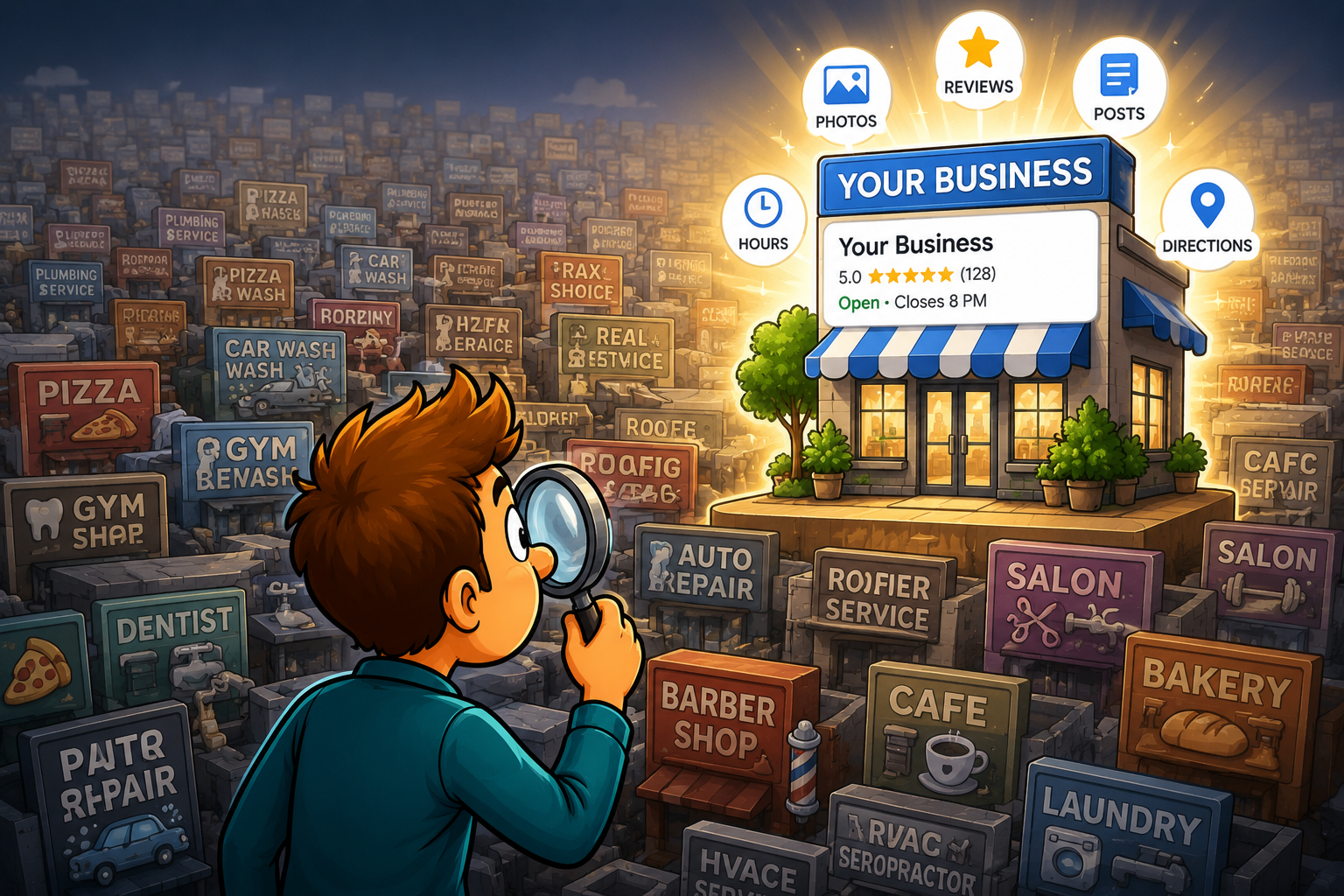
Your Brand Lives on Page One of Google
Let’s start with something real: 93% of consumers say online reviews influence buying decisions (Podium), and 85% trust them as much as personal recommendations (BrightLocal). That means your brand’s reputation lives—and dies—on the first page of Google.
If that space is filled with bad press, one-star reviews, or outdated complaints, you’re not just facing a visibility issue—you’ve got a PR crisis reputation management emergency on your hands. I’ve seen it firsthand. I’ve worked with business owners who lost clients, partnerships, and millions in revenue simply because of what people saw when they Googled them after one misstep.
This isn’t about hiding the truth—it’s about managing it responsibly. Good PR crisis reputation management isn’t reactive, it’s strategic. When a negative headline hits, it’s my job to respond fast, push accurate, positive content, and regain control of the narrative.
I use a blend of online review management, Google Business optimization, and proactive content publishing to make sure page one of search results tells the right story. In a world where perception is often more powerful than reality, PR crisis reputation management is no longer optional—it’s business-critical.
From crafting public responses to flagging defamatory content, every step I take is designed to help clients rebuild credibility. Whether it’s a false news article, viral complaint, or a real mistake you’ve owned up to, PR crisis reputation management ensures your brand isn’t defined by a single moment.
Let me be clear: PR crisis reputation management isn’t about spin. It’s about protecting your livelihood by making sure your digital footprint reflects your real values, not just your worst day. With the right plan in place, you can bounce back stronger—and often better than before.
If you’ve found yourself on the wrong side of the internet, don’t wait. PR crisis reputation management works best when you act early, respond with honesty, and get the right help.

Online Reputation Management: More Than Just Cleanup
Let me be clear—crisis PR today means building a bulletproof online identity before disaster hits. That includes:
- Monitoring brand mentions 24/7
- Responding fast on social media
- Burying bad press with SEO
- Building positive, authentic content
If you’re not investing in this level of reputation management, you’re setting yourself up to lose the battle before it even starts.
SEO: The Most Underrated Crisis PR Tool
Most companies think of SEO as a marketing tactic. But in a crisis, it becomes your shield.
We helped a SaaS client whose CEO was embroiled in a controversy. Their brand was getting dragged in the media, and negative content filled page one of Google.
Our crisis PR response? Launch a full SEO campaign. We created:
- 12 positive high-authority articles
- 3 new blog series featuring customer stories
- Press placements in tech verticals
- Optimized LinkedIn, YouTube, and Google profiles
Within 60 days, the bad press was buried. Their traffic rebounded, and investor confidence returned.
Social Media: The Real-Time Crisis PR Battleground
Here’s the truth: your social media presence is your first public-facing response tool.
The best crisis PR teams treat social media like a war room. I always recommend:
- Drafting response templates for likely crisis scenarios
- Training community managers to handle escalation
- Using tools like Brand24, Sprout Social, or Hootsuite for real-time alerts
One viral video can destroy your brand—or save it. You better be ready to flip that script instantly.
Employees Can Make or Break Your Reputation
Another overlooked crisis PR trigger? Employee backlash.
Sites like Glassdoor, Reddit, and Medium are full of stories from current or former employees. And when they go public, your reputation suffers fast.
If your company isn’t:
- Monitoring employer review platforms,
- Engaging in internal communication,
- Offering safe channels for complaints,
…then your next crisis PR emergency could come from inside the house.
Hard Stats That Prove the Risk
Let’s hit this with some data:
- 70% of hiring managers reject candidates based on online info (CareerBuilder)
- Public scandals cause an average 22% drop in market value (Oxford)
- Brands that respond to crises within 2 hours retain 73% more customers
This isn’t hype. It’s survival.
Final Take: If You’re Not in Control, Someone Else Is
I’ve sat at the table when brands were one headline away from collapse. I’ve watched businesses go from viral crisis to complete recovery with smart crisis PR and airtight online reputation management.
The truth is, if you’re not leading your digital narrative, someone else is—your competitors, your critics, or your ex-employees.
Online reputation management is no longer optional. It’s the core of your crisis PR playbook. And if you don’t treat it like that today, you’ll be scrambling tomorrow.
Want to Stay Ready?
Need help building a proactive crisis PR plan or strengthening your online reputation? I can walk you through:
- A 30-day brand audit
- Custom response templates
- SEO-driven content strategies
- Live social media crisis simulations
Reach out. Don’t wait for the crisis to start learning how to manage it.
Related Articles
How to Lead Reputation Crisis Communication