
Reputation crisis communication strategy isn’t optional—it’s survival. I’ve spent years helping brands navigate firestorms, and here’s what I’ve learned: transparency isn’t just a nice-to-have. It’s your strongest strategy. Your lifeline.
In today’s fast-moving digital world, staying silent or vague during a crisis will destroy trust even faster than the crisis itself. Time and again, real reputation crisis communication strategy examples—both wins and disasters—have shown that radical honesty often beats polished PR-speak. Ultimately, it’s not just what you say, but how quickly, clearly, and transparently you say it that shapes your brand’s future.
Let me walk you through how transparency drives a modern reputation recovery plan—and why brands that hide behind spin are the first to fall.

Why Transparency Has Become the Cornerstone of Crisis Response
People are skeptical. They’ve seen too many brands issue vague statements, dodge accountability, or blame “unforeseen circumstances.” So when a brand actually steps up, tells the truth, and shows what they’re doing about it, it cuts through the noise.
Here’s why transparency matters:
- 63% of consumers say they’ll buy from a brand they trust—even after a mistake (Edelman Trust Barometer)
- 85% believe honesty is the most important trait in a brand during a crisis (PwC)
- Transparent brands recover 30% faster from PR setbacks (Forrester)
You don’t just need a response. You need truth—and the courage to share it. Let’s look at crisis communication examples that nailed it.
Crisis Communication Examples Where Transparency Saved the Brand
🔧 Example 1: Tylenol’s 1982 Cyanide Crisis
When people started dying after taking Tylenol laced with cyanide, Johnson & Johnson didn’t hide behind legal. They:
- Immediately pulled 31 million bottles
- Worked with law enforcement
- Held daily press briefings
- Completely overhauled packaging
Their openness made them a textbook crisis communication example in every PR class—and built one of the most trusted reputations in healthcare.
🚗 Example 2: Domino’s Pizza Video Scandal
In 2009, two employees uploaded a disgusting prank video. Instead of ducking it, Domino’s:
- Released a CEO video apology within 48 hours
- Fired the employees and filed criminal charges
- Shared their process overhaul publicly
This level of honesty turned a viral nightmare into a redemption arc—and Domino’s became one of the fastest-growing chains post-crisis.
☁️ Example 3: Buffer’s Security Breach
When Buffer was hacked in 2013, they:
- Emailed all users immediately
- Posted live updates every few hours
- Explained exactly what happened and what they fixed
- Took responsibility without spin
It’s one of my favorite modern crisis communication examples—because it proved transparency = trust, especially in tech.

🚫 Where Brands Fail: Crisis Communication Examples to Avoid
Not all brands emerge from a crisis with their integrity intact. In fact, some fail so badly that their missteps become textbook crisis communication examples—but for all the wrong reasons. These failures reveal what happens when companies lack a clear transparency reputation strategy and fail to prioritize honest, timely, and strategic communication.
Let’s look at some of the most notorious breakdowns in crisis communication—and what they teach us about the non-negotiable role of transparency in brand reputation today.
❌ United Airlines: The Passenger Dragging Scandal
This is one of the most widely cited crisis communication examples in modern history. A paying passenger was violently dragged from an overbooked flight, and United Airlines’ initial response lacked any form of empathy or accountability. Instead of owning the moment, they issued a robotic statement that described the incident as a passenger being “re-accommodated.”
The damage to their brand reputation strategy was immediate and global. The public outcry was fierce, employee morale took a hit, and United’s stock price dropped overnight.
Transparency in reputation strategy was missing entirely. No direct apology. No clear action plan. No humanity in their communication. This crisis could have been contained with real-time updates, clear accountability, and a willingness to acknowledge fault. Instead, it became a viral masterclass in what not to do.
❌ Facebook and the Cambridge Analytica Data Scandal
This is another classic crisis communication failure. When Facebook’s user data was exploited by Cambridge Analytica, the company waited too long to respond. When they finally did, their messages were vague, overly technical, and laced with legal disclaimers instead of genuine concern.
The absence of transparency in their communication strategy deepened public mistrust. Their delayed and evasive messaging turned what could have been a contained issue into a long-lasting brand crisis that continues to haunt their corporate image today.
This situation is one of the clearest crisis communication examples where a lack of honesty, timing, and clarity turned a PR problem into an existential threat to the brand. Facebook’s response lacked emotional intelligence, transparency, and alignment with stakeholder expectations—all foundational elements of an effective reputation management strategy.
The Bigger Problem: A Crisis Without a Strategy
These cases aren’t isolated—they’re warnings. When companies skip the basics of transparency in crisis communication, they lose public trust, market value, and long-term credibility.
Here’s what these crisis communication examples have in common:
- No immediate acknowledgment of the issue
- Delayed responses that allowed the narrative to spiral
- Statements written to protect legal liability rather than express genuine care
- A failure to align with their own reputation strategy or brand values
- Little to no proactive engagement with media or affected audiences
These aren’t just communication flaws—they’re signs of a broken or nonexistent crisis communication plan. Without transparency and an actionable, pre-planned reputation strategy, brands are left reacting instead of leading.
What These Examples Should Teach Every Business
Modern audiences don’t want perfection—they want transparency. They want to know that when things go wrong, the brand will own it, fix it, and communicate with clarity and consistency.
Every failed example above reinforces a key truth: your crisis communication strategy is only as strong as your commitment to transparency. Whether you’re a tech giant, an airline, or a small business, the ability to communicate clearly and empathetically in times of crisis is what defines your reputation in the long run.
So if you’re building or revisiting your own reputation management framework, ask yourself:
- Does our strategy prioritize real-time transparency?
- Are our leaders trained in emotionally intelligent messaging?
- Do we have examples of how not to respond—and do we learn from them?
The smartest brands study failed crisis communication examples not to criticize—but to build systems that make sure they never repeat them.
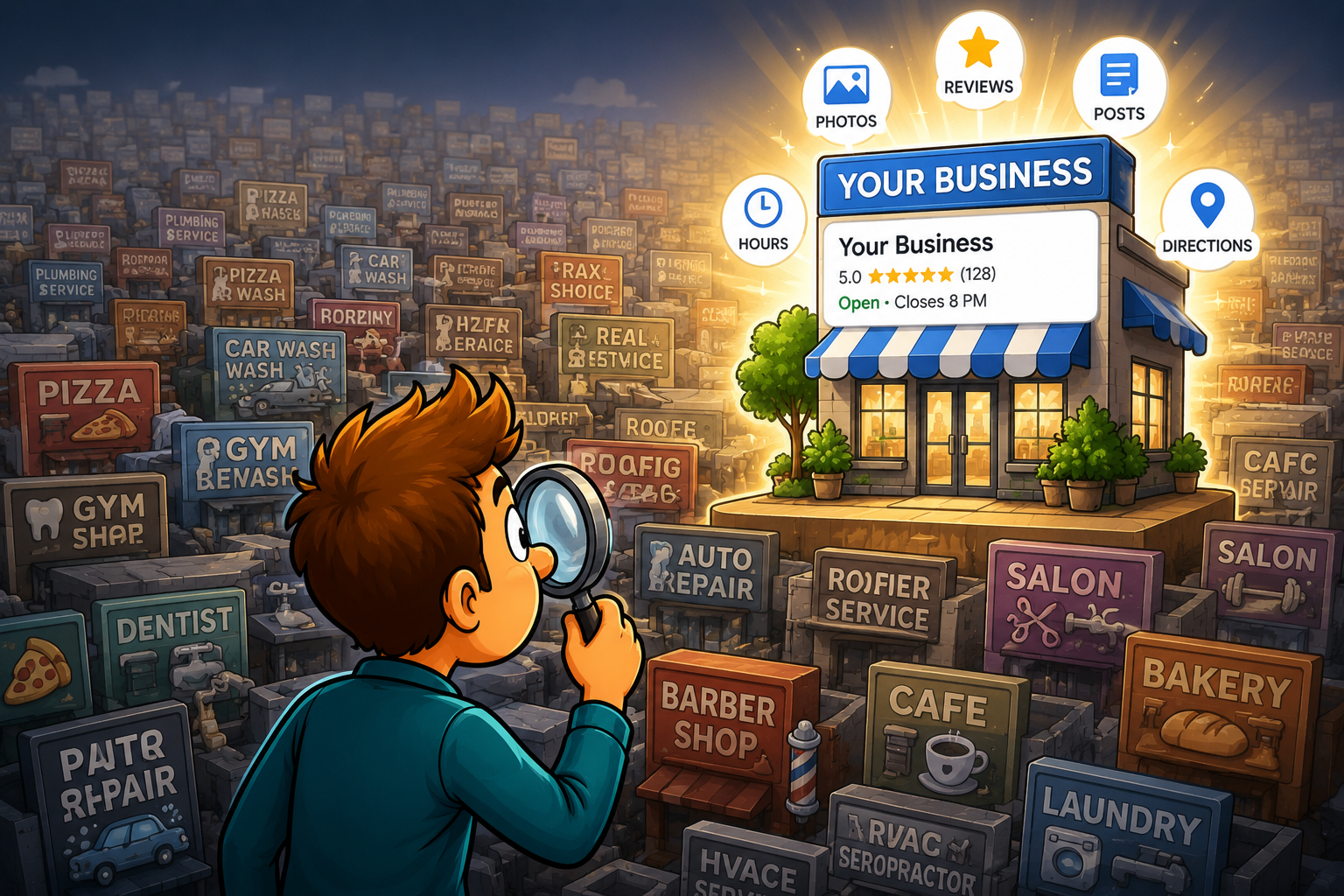
One overlooked tool during a brand crisis? Your Google Business Profile. It’s often the first thing people see when they search your name—especially during a PR crisis. Keeping your profile updated with real-time posts, accurate info, and thoughtful responses to reviews can act as a frontline defense. It shows your brand is active, responsive, and transparent—three things sorely missing in the examples above. A neglected profile during a crisis sends the wrong message. As part of any modern reputation strategy, your Google Business Profile should be treated like a public statement platform, not just a local listing.
Humanize 100 words
How I Coach Brands to Use Transparency Strategically
When I coach brands through a crisis or prepare them before one ever hits, transparency isn’t just a value—it’s a tactical advantage. Most companies wait too long to say something, or worse, say the wrong thing in the wrong tone. That’s where I come in.
Over the years, I’ve helped e-commerce founders, CEOs, and content creators navigate high-stakes moments with authentic messaging that actually strengthens their online reputation. And whether it’s a bad product review, a PR flare-up, or a social media backlash, the approach is the same: use transparency as a strategic tool, not a reactive scramble.
Here’s how I build that strategy into every layer of the crisis playbook:
1. Pre-Write Transparent Response Templates
The biggest mistake brands make? Waiting until things go sideways to figure out what to say. That’s why I help my clients pre-write transparency-based responses before anything goes wrong. These aren’t just neutral PR blurbs—they’re real, human statements built to connect with people.
We build:
- “We were wrong” messages that show accountability
- “Here’s what we’re doing now” updates to explain next steps
- “We hear you, and here’s what changed” follow-ups that show action
By getting these responses ready in advance, we avoid panic-mode PR and keep crisis communication focused, fast, and effective.
2. Train Spokespeople to Be Real, Not Robotic
Most spokespeople default to corporate-speak under pressure. That’s why I run mock crisis simulations with brand leaders, content creators, and frontline communicators to break that habit. We replace jargon with clarity. We coach empathy into every sentence.
I help them practice answering tough questions the way a real person would—not a press release. Because in a digital-first world, transparency isn’t just what you say—it’s how human you sound when you say it.
3. Create a Public Accountability Loop
Saying something once isn’t enough. In high-trust crisis recovery, public accountability means keeping your audience in the loop.
I guide brands to share updates regularly—sometimes weekly, sometimes daily—until the issue is resolved and brand trust is restored. We track feedback, adapt messaging in real time, and keep the tone honest and constructive.
Real-world examples prove this works. People don’t expect perfection—they expect truth, follow-through, and progress. Transparency builds long-term loyalty when brands prove they’re listening and evolving.
Why This Matters for Content Creators, Too
Even solo creators and small business owners can benefit from this level of transparency strategy. Your audience is your brand—and your reactions shape how much they trust you. I talk about this a lot when coaching creators on personal brand safety and growth. If you’re building a brand around content and personality, you need a response system just as much as a Fortune 500 CEO.
Bottom line: when handled right, transparency becomes your brand’s defense system and trust-builder. The brands that win long term are the ones that don’t just talk about transparency—they train for it, plan for it, and lead with it when it matters most.

What Transparency Looks Like in 2025
Transparency isn’t just saying, “We made a mistake.”
It’s:
- Showing behind-the-scenes decision-making
- Explaining why the mistake happened
- Publishing audit results, process changes, and metrics
- Giving customers and employees a seat at the table
If you don’t lead with this kind of openness, your silence will be filled by tweets, reviews, blogs, and leaks. Crisis communication examples show us: when you don’t control your story, someone else will.
Final Word: Transparency Is Not Weakness—It’s Reputation Power
A brand that’s honest about failure is more trustworthy than one that pretends to be flawless. I’ve helped companies bounce back from devastating crises—because they were willing to tell the truth when it counted.
You don’t avoid PR fallout by being perfect. You avoid it by being real.
If your reputation strategy doesn’t include transparency by default, you’re not future-proof. You’re one viral moment away from losing everything.

✅ Want a Transparency-Driven Crisis Plan?
Today’s consumers expect more than polished branding—they expect truth, speed, and empathy. Brands that embrace transparency don’t just survive crises—they earn lasting trust. If your organization isn’t ready to communicate clearly under pressure, you’re leaving your reputation to chance.
I work with companies to build crisis plans rooted in real-world transparency, not generic PR spin. Here’s how:
🔍 Audit and Revise Crisis Protocols
We assess your existing crisis communication framework to identify gaps and inconsistencies. Using guidelines from leading authorities like the Institute for Public Relations and Ready.gov, we align your response playbook with best practices.
✍️ Write Honest, Audience-First Response Playbooks
Your crisis messaging must speak to real people—not legal teams. We craft response templates grounded in behavioral science and audience expectations. This ensures your brand responds with clarity, empathy, and authority.
🗣️ Train Teams on Transparent Messaging Under Pressure
Your frontline team is your brand’s voice in a crisis. I deliver live and virtual training on transparent communication techniques, modeled after strategies from organizations like the CDC’s Crisis & Emergency Risk Communication (CERC) program.
📊 Benchmark Transparency with Real Crisis Communication Examples
We don’t guess—we study. From the Tylenol recall case to Buffer’s security breach response, we review powerful crisis communication examples to help your team see what works (and what doesn’t) in the real world.
Whether you’re preparing for the unexpected or recovering from recent fallout, I help brands shift from reactive to resilient. Transparency is not just a value—it’s a strategy.
Let’s make sure your brand is known for honesty—especially when it matters most.