
How I Built a Website for My Business (And You Can Too!)
Starting a website for my business felt overwhelming at first. I didn’t know where to begin or which tools to trust. But I knew one thing—if I wanted to grow and reach more customers, I needed an online presence. So, I took the leap and built a website for my business from scratch. And wow, what a difference it made!
In this article, I’ll walk you through exactly how I did it, what worked, what didn’t, and how you can do the same. No tech jargon. No fluff. Just real steps from someone who’s been there.
2. What a Website for My Business Really Means
Before I got started, I thought a website was just a place to list my services and contact info. But it’s so much more than that.
A website for my business became my 24/7 salesperson. It shows customers who I am, what I do, and how to reach me—anytime. It also helps build trust. People feel more confident contacting or buying from a business that has a professional website.
And the best part? It’s mine. I can control the message, the design, and how I talk to my audience.
3. Choosing the Right Domain Name
This step was way more important than I thought. At first, I picked a name that was long and had dashes in it—big mistake! It was hard to remember and didn’t match my brand.
Eventually, I found a short, simple domain that matched my business name perfectly. I used Namecheap to search for available options, but GoDaddy is another good one. My advice? Keep your domain name easy to spell, brandable, and avoid weird symbols.
It’s a small decision that makes a big impact. People are more likely to click and remember a good domain—and that’s what you want when building a website for your business.
4. Picking the Best Web Hosting
Once I had my domain, the next step was choosing a hosting service. Hosting is what keeps your website online and running smoothly. At first, I didn’t fully get what hosting was—but now I know it’s one of the most important parts.
I started with Bluehost because it was affordable and beginner-friendly. Later, I switched to SiteGround for faster speed and better support. If you’re just starting out, look for a host that offers one-click WordPress installs, good customer support, and reliable uptime.
Web hosting can seem boring, but trust me—it makes a big difference in how fast your website loads and how safe it is.
5. Selecting the Right Website Builder
Next came the fun part: building! I tried a few different options before settling on WordPress. I also looked at Wix and Squarespace, which are great if you want something simple and visual.
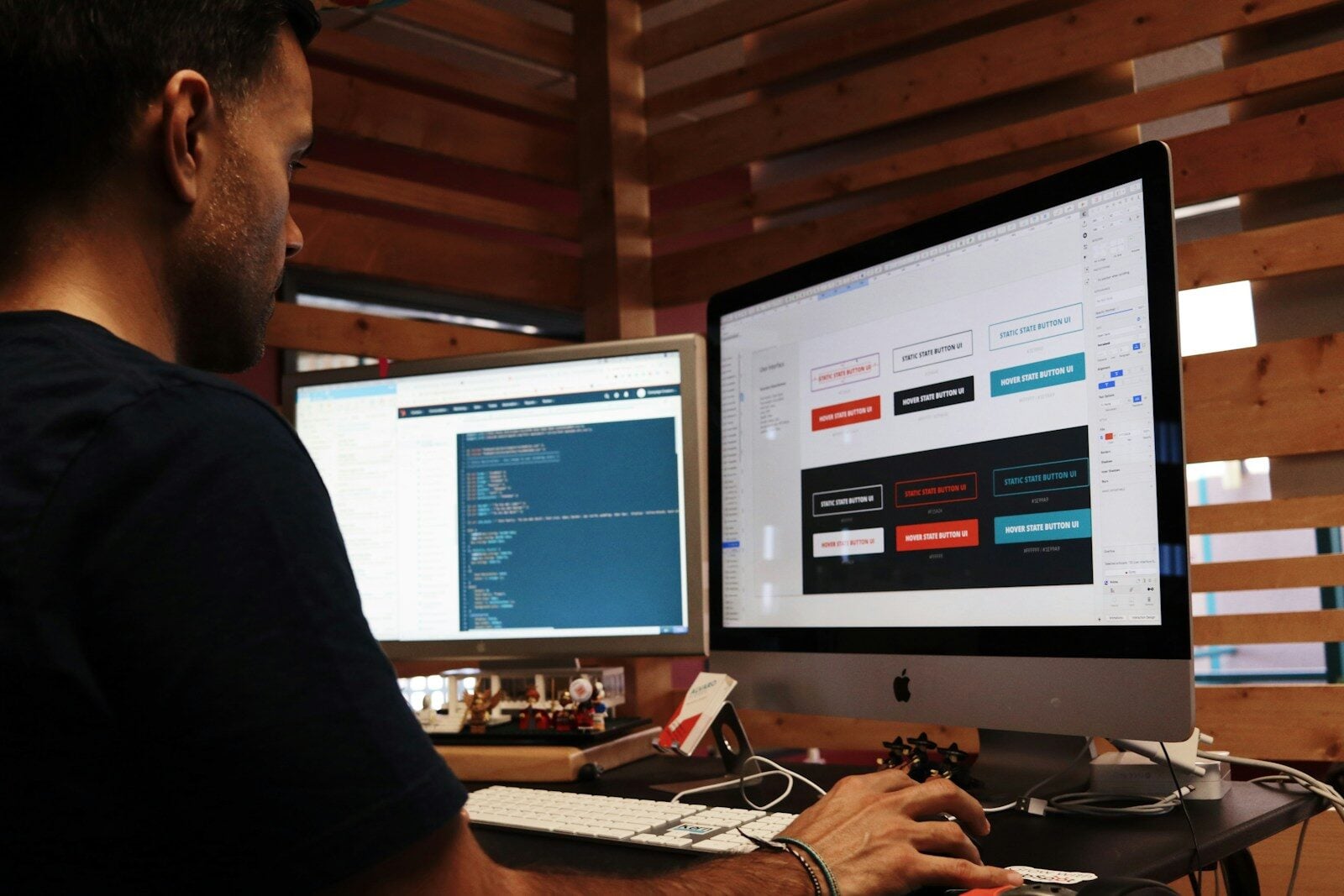
WordPress gave me the most control, but it also had a bit of a learning curve. With the help of Elementor (a drag-and-drop builder), I was able to design the website for my business just the way I imagined.
Each builder has pros and cons. If you want more customization, go with WordPress. If you want to launch fast, Wix or Squarespace might be better. What matters most is picking a builder that matches your comfort level and business goals.
6. Planning the Structure of My Website
Before I started designing, I sat down and made a simple plan. I sketched out what pages I needed and what I wanted visitors to do on each one.
I started with the basics:
- Home
- About
- Services
- Contact
Then I added a blog to share updates and answer common customer questions. The blog turned out to be a smart move—it helped with SEO and gave people a reason to come back to the website for my business.
Even a rough outline helped me stay focused. It’s easy to get overwhelmed by design choices, but having a clear structure made the process so much smoother.
7. Designing a Homepage That Works
Your homepage is your first impression. When I started building the website for my business, I realized people decide whether to stay or leave in just a few seconds. That meant my homepage had to be clear and inviting.
I made sure the headline told visitors exactly what I do. Then I added a short sentence about why they should choose me, followed by a button to contact me. I kept it clean and simple. Tools like Canva helped me create graphics, and I used Elementor to place everything easily.
A strong homepage builds trust fast. And that’s what you want when people land on your site.
8. Creating Content for My Website
This part felt scary at first. I’m not a professional writer, but I knew I had to sound like myself. So I wrote the way I talk. I explained my services in plain language and added real photos from my phone.
For the website for my business, I focused on what problems I solve for customers. I kept the tone friendly, short, and honest. And I added reviews from real clients to boost trust.
You don’t need perfect words—just clear, helpful ones. That’s what people care about most.
9. Mobile-Friendly Design is Non-Negotiable
More than half of my website visitors came from phones. I didn’t expect that! Luckily, I checked everything on mobile as I built it.
I used the preview tools in WordPress and Chrome’s mobile view to test it. I made sure buttons were big enough to tap, text was easy to read, and nothing looked broken.
If your website doesn’t work on phones, people will leave. So always test your pages on a phone or tablet. A mobile-friendly website for my business made a huge difference in how professional it looked—and how long people stayed.
10. SEO Basics I Learned (The Hard Way)
At first, I thought just having a website for my business meant people would find me. Spoiler alert: they didn’t. I needed SEO—search engine optimization—to help Google understand what my site was about.
I started by making sure every page had a clear title and description. I used keywords like “cleaning services in Dallas” in my content and headings. I also signed up for Google Search Console to see how my site was performing.
One tool that helped a lot was the free Yoast SEO plugin on WordPress. It guided me on keyword usage, readability, and meta descriptions. Learning SEO was one of the best things I did to grow traffic to the website for my business.
11. Adding a Contact Form and Business Info
If people can’t reach you, what’s the point of having a site? That’s why adding a contact form and business info was a must for my website.
I made sure my phone number and email were visible at the top and bottom of every page. I also created a simple contact form so people could message me directly without opening their email app.
To make it easier for local customers, I added a Google Map to show my location. All of this helped turn visitors into actual leads—and that’s what every website for a business should do.
12. Connecting Social Media and Email
Next, I made sure my website and social media worked together. I added buttons that linked to my Facebook and Instagram pages. That way, visitors could follow me with just one click.
I also signed up for a free MailerLite account and added a signup form to my homepage. That let people join my email list for updates and promotions. It’s been a great way to stay in touch with past customers and bring them back.
Your website is the heart of your online presence, but it works even better when it connects with everything else you do.
13. Launching My Website for My Business
After weeks of planning, designing, and testing, it was time to launch the website for my business. I’ll be honest—I was nervous. But I double-checked everything: mobile views, contact forms, links, and loading speed.
I asked a few friends to review the site and give honest feedback. They pointed out things I missed, like small typos and image sizes. Once those were fixed, I hit the publish button. Seeing my website live for the first time was exciting and made everything feel real.
14. The Results I Got from My Website
Building a website for my business turned out to be one of the smartest decisions I’ve made. Within a few weeks, I started getting more inquiries through my contact form. I even landed my first online customer without having to meet in person.
My website made me look more professional, and people started finding me through Google. I tracked traffic using Google Analytics and saw steady growth over time. That was a great feeling.
A good website doesn’t just sit there—it brings in real results. That’s exactly what happened with mine.
15. Common Mistakes I Made
Of course, I didn’t get everything right the first time. Here are some of the mistakes I made while building the website for my business:
- I chose a complicated theme that slowed down my site
- I forgot to test my contact form after launch
- I delayed launching because I wanted it to be “perfect”
What I learned is this: it’s better to launch something simple and keep improving than to wait forever. The more I used my site, the better I made it. And each update helped it work even harder for my business.

16. Tools That Helped Me Build My Website
If you’re wondering what tools I used to build the website for my business, here’s a quick list of the ones that really helped me get the job done:
- WordPress – Powerful and flexible
- Elementor – Made designing pages super easy
- SiteGround – Reliable hosting with great support
- Figma – Helped me sketch out the look before building
- MailerLite – Free and easy email signup tool
There are plenty of tools out there, but these were the ones that kept things simple for me. I’d use them again in a heartbeat.
17. Why Every Business Needs a Website (Yes, Even Yours)
I used to think social media was enough. But once I had a website for my business, I saw the difference.
Here’s why every business needs one:
- People Google you before calling or visiting
- You have total control over your message and design
- It builds trust and makes you look professional
- It can grow with you—from a small local biz to a full e-commerce store
No matter what kind of business you run, your customers expect to find you online. A good website isn’t just helpful—it’s essential.
18. FAQs About Building a Website for My Business
Do I need to know code?
Nope! With tools like WordPress, Wix, or Squarespace, you don’t need any coding skills.
How much does it cost?
It can range from free (with limits) to $100–300/year depending on your tools and hosting.
Can I update it myself?
Yes! Most builders are drag-and-drop or super user-friendly.
What if I make a mistake?
That’s okay—mistakes happen. Most platforms let you preview, undo, and fix things easily.
19. External Resources
Here are some helpful links I used when I built the website for my business. They made everything easier—and most of them are free!
- WordPress.org – The go-to platform for building flexible, professional websites
- Google Business Profile – Essential for showing up in local searches and Google Maps
- SiteGround Hosting – Reliable and beginner-friendly web hosting I personally use
- Canva Design Tool – Free tool for designing headers, graphics, and social media images
- Yoast SEO Plugin – Helps you write content that ranks well on search engines
- HubSpot Website Checklist – A great guide to double-check before you hit publish
These resources gave me the confidence to build a strong, simple, and beautiful website for my business—without hiring a developer.