
What is an SEO consultant, you may ask? It’s someone like me—someone who helps websites rank higher on Google, attract more visitors, and grow their business through smart, effective search engine optimization.
Hi there! I’m an SEO consultant with years of hands-on experience working with small businesses, bloggers, and e-commerce brands. My goal is to make sure search engines understand your site so it shows up when people search for the products or services you offer.
I created this guide to clearly explain what an SEO consultant does. I’ll walk you through the real tasks I do every day and show you exactly how SEO consulting helps websites succeed—without the jargon or hype.
1. What Is an SEO Consultant?
An SEO consultant is someone who helps improve your website’s visibility in search engines. That means when people search for things related to your business—like “best pizza in Austin” or “affordable wedding photographer”—your site has a better chance of showing up.
Unlike general marketers who might focus on social media or ads, an SEO consultant specializes in search engine optimization. I don’t just bring traffic—I bring the right traffic.
For example, I worked with a local cleaning service. Their website looked fine but wasn’t showing up in search results. After a few technical fixes, keyword tweaks, and content updates, their traffic doubled in three months.
2. Why Do Businesses Hire SEO Consultants?
Most businesses come to me because they’re frustrated. Maybe their site isn’t getting visitors, or they’re buried on page 5 of Google. Or maybe they’re getting traffic but no sales.
An SEO consultant helps solve those problems by:
- Finding out what’s wrong with your site (through audits)
- Making smart improvements based on data
- Tracking results to keep things growing
I had one client say, “I’ve spent hours writing blogs and nothing’s working.” Within a few weeks of adjusting their SEO strategy, they started seeing real leads come in. That’s the kind of change an SEO consultant can make.
3. Key Skills Every SEO Consultant Needs
Being an SEO consultant isn’t just about knowing a few tricks. It takes a mix of technical skills and people skills. Here are some of the main ones I use every day:
- Keyword research – Finding the words people are actually typing into Google
- Technical SEO – Fixing site speed, crawl issues, broken links, and mobile usability
- Content optimization – Making blog posts, product pages, and homepages rank better
- Link building – Helping clients earn backlinks from trusted websites
And just as important? Clear communication. Clients don’t want buzzwords—they want results they can understand.
4. Tools I Use Every Day as an SEO Consultant
You can’t do great SEO work without solid tools. Over the years, I’ve tested a bunch, but here are the ones I use all the time:
- Ahrefs and SEMrush for backlink tracking, keyword research, and competitive analysis
- Google Search Console to find technical errors and monitor performance
- Screaming Frog to crawl websites like Google does
- Surfer SEO for writing content that ranks
- Google Analytics to track user behavior and conversions
These tools help me go beyond guesses and base my advice on real data.
5. The SEO Audit Process Explained
Every client project I take on starts with an SEO audit. This is like a health checkup for your website. I look at:
- Page speed and mobile-friendliness
- Meta tags and headings
- Internal links and structure
- Keyword usage
- Indexing issues and crawl errors
I put everything into a simple report that shows what’s working, what’s broken, and what we can fix right away. A solid SEO audit is the foundation of every successful campaign.
6. How I Do Keyword Research for Clients
Keyword research is where SEO starts. I dig into what real people are typing into search engines. This helps me understand what kind of content we need—and how to word it.
I use tools like SEMrush, Ahrefs, and Google Keyword Planner to spot patterns and search volume. Then I group keywords by intent: are people just curious, ready to buy, or looking for answers?
Once I know the keywords, I map them to the right pages. This makes your site more organized and helps search engines send you the right visitors.
7. Technical SEO: What It Is and Why It Matters
If your site is slow, messy, or hard to navigate, Google won’t rank it well. That’s where technical SEO comes in.
I fix things like:
- Broken links
- Pages that aren’t mobile-friendly
- Slow load times
- Missing sitemaps or robots.txt files
Even little tweaks—like compressing images or fixing heading tags—can boost your rankings fast. Technical SEO may be behind-the-scenes, but it makes a huge difference.
8. Content Strategy from an SEO Consultant’s POV
Content is what brings people in—and keeps them there. I don’t just write random blog posts. I plan a content strategy based on keyword research, your business goals, and what your audience cares about.
I look for gaps in your existing content, analyze what your competitors are doing, and create outlines that match search intent. Then I optimize each post with keywords, headings, and internal links.
Good content builds trust and turns clicks into customers. That’s why it’s one of the most important parts of what I do as an SEO consultant.
9. Link Building: The Right Way to Do It
Link building is about getting other websites to link back to yours—and it’s one of the biggest signals Google uses to rank pages.
But here’s the thing: not all links are good. I help clients earn high-quality backlinks through guest posting, business directories, press mentions, and shareable content. I avoid shady tactics like buying links or using spammy networks.
A few great links are better than hundreds of bad ones. That’s the golden rule I follow.
10. Local SEO and Google Business Profile Optimization
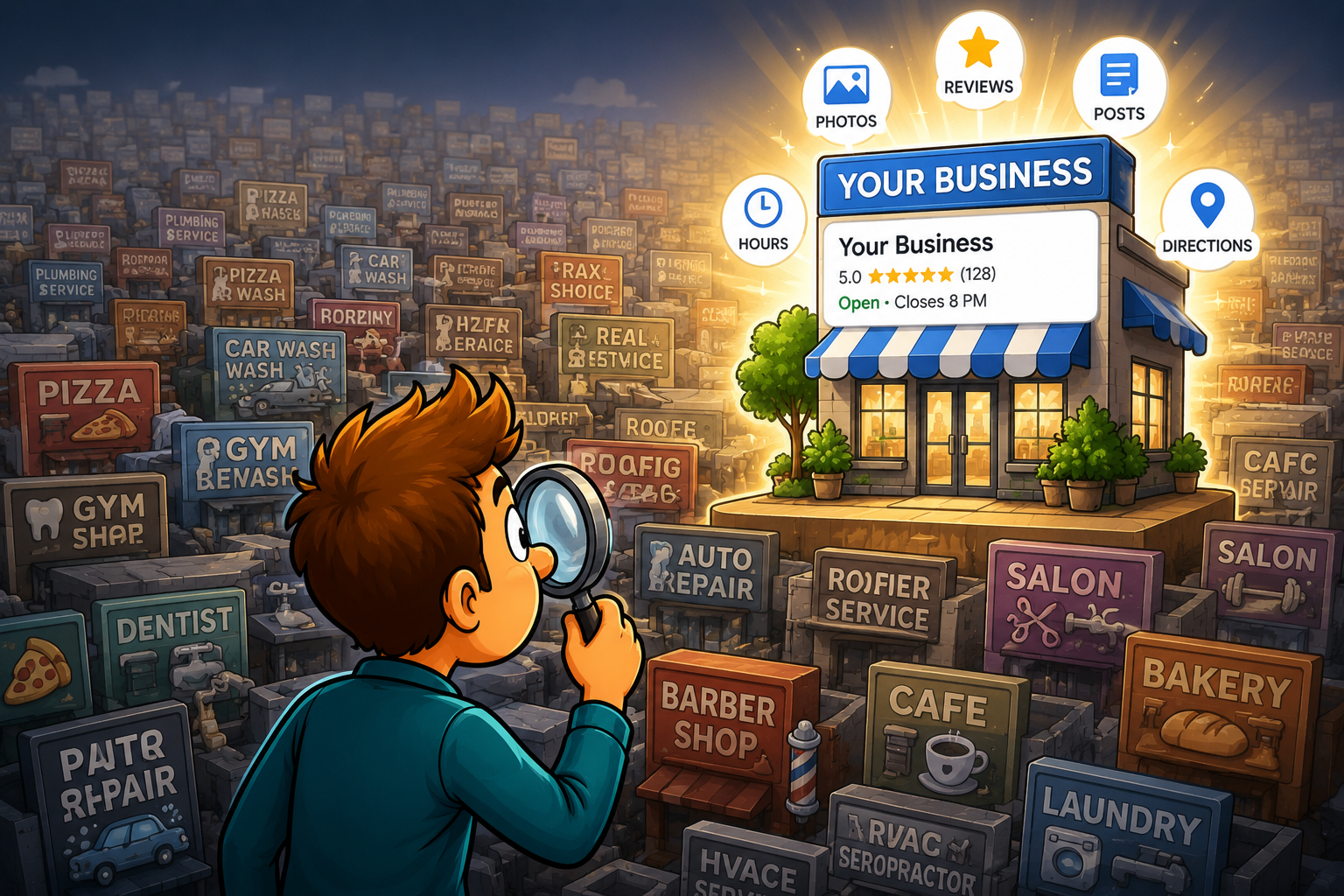
If you own a local business, showing up in Google Maps and “near me” searches can make or break your visibility. That’s where local SEO comes in—and your Google Business Profile plays a central role.
As someone often asked what an SEO consultant does, here’s the answer: I help businesses like yours show up where it matters most. One of the first steps is making sure your Google Business Profile is fully optimized and up to date.
That includes:
- Selecting accurate categories and keyword-rich descriptions
- Adding high-quality photos and current business hours
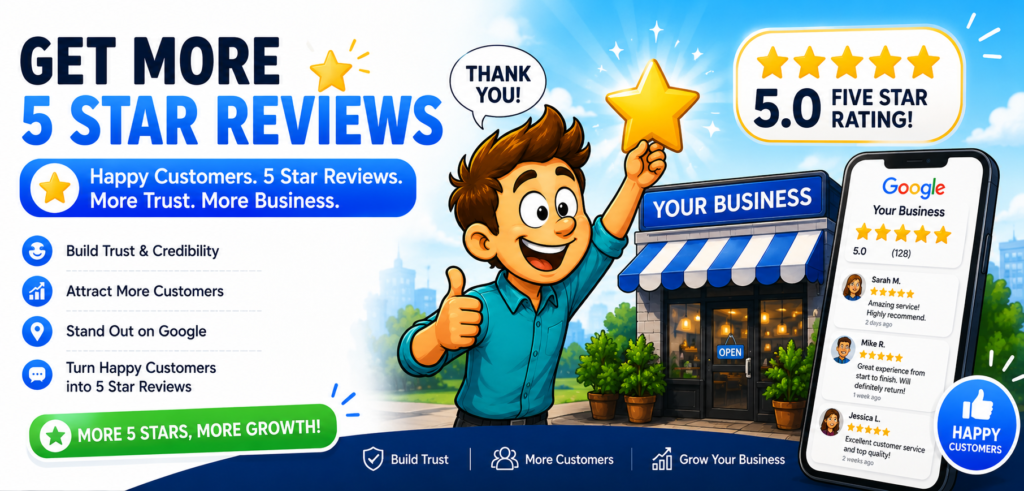
- Encouraging satisfied customers to leave reviews
- Ensuring your name, address, and phone number (NAP) are consistent across the web
These updates don’t just help with visibility—they build trust, improve click-through rates, and give your business a better shot at ranking in the local pack.
11. Tracking Progress: SEO Analytics and KPIs
Once the work starts, I keep a close eye on performance. I use tools like Google Analytics and Search Console to track:
- Keyword rankings
- Organic traffic growth
- Bounce rate and time on site
- Conversion goals (like form submissions or purchases)
Every month, I send clients a simple report showing what’s improved and what’s next. SEO isn’t just guesswork—it’s a measurable strategy.
12. When Should You Hire an SEO Consultant?
Not every business needs an SEO consultant right away—but if your website isn’t bringing in traffic, or you’re not showing up in search results, it’s probably time to get help.
Here are some clear signs you should consider hiring someone:
- Your site traffic has dropped, and you don’t know why
- You’ve built a new site but it’s not showing up in search
- You’re ready to scale and want to do it the smart way
Working with an SEO consultant early can save you time and money down the road. One study found that 68% of online experiences begin with a search engine (BrightEdge), and if you’re not optimized, you’re missing out.
And did you know? 75% of users never scroll past the first page of search results (HubSpot). That’s why rankings matter.
In fact, companies that invest in SEO are 13 times more likely to see positive ROI (Forbes). It’s not just about traffic—it’s about results.
If you’re ready to take your growth seriously, an SEO consultant can give you the roadmap to get there.

13. Cost of Hiring an SEO Consultant
One of the most common questions I get is: “How much does an SEO consultant cost?” The answer? It depends—on your goals, your website’s size, and the consultant’s experience.
Here’s a general breakdown:
- Hourly rate: $75–$200 per hour
- Monthly retainer: $500–$5,000 per month
- One-time projects or audits: $500–$5,000
Personally, I charge flat project rates and offer monthly packages. That way, clients know exactly what they’re paying for and can see results over time.
Keep in mind—cheap SEO often comes with hidden costs, like penalties from shady link tactics or poor-quality work. Paying a little more for a trusted SEO consultant is worth it in the long run.
14. Red Flags When Choosing an SEO Consultant
Not all SEO consultants are created equal. If you’re thinking of hiring someone, watch out for these red flags:
- They promise “#1 on Google” overnight. No one can guarantee rankings.
- They won’t explain what they’re doing. A good consultant should be transparent.
- They avoid giving reports or metrics. You deserve to see the progress.
- They use jargon to confuse you. You should understand the basics of their strategy.
15. FAQs About SEO Consultants
Do I need to hire an SEO consultant or can I do it myself?
If you have the time to learn and test, you can do some SEO on your own. But if you’re running a business and want results faster, hiring a consultant makes a huge difference.
How long until I see results?
It depends on your starting point and how competitive your industry is. Most of my clients see improvement within 3–6 months.
What should I look for in a consultant?
Look for clear communication, proven experience, and a transparent process. Avoid anyone who uses black-hat tactics or won’t show their work.
Do SEO consultants help with content too?
Absolutely. A good SEO consultant will help shape your content strategy, optimize what you already have, and guide you on what to publish next.
16. External Resources
Want to dig deeper into the world of SEO? These resources have helped me and my clients:
- Moz Beginner’s Guide to SEO – A comprehensive and friendly walkthrough of SEO basics
- Google Search Central – Google’s own starter guide on how to build search-friendly sites
- Ahrefs Blog – Tons of in-depth articles and case studies from top SEO pros
- Search Engine Journal – Daily SEO news, expert columns, and how-tos
These are great starting points if you want to learn more about what makes SEO consultants so valuable.
Bonus: Why Backlinks Matter (and Where to Learn More)
Before we wrap up, I have to mention one more key part of what I do as an SEO consultant—backlinks.
Backlinks are links from other websites that point to yours. They tell search engines, “Hey, this content is trustworthy and useful.” In fact, backlinks remain one of the top ranking factors in Google’s algorithm.
If you’re curious to dive deeper into how backlinks work, how to build them, and why they matter so much, check out this related post I wrote:Types of Backlinks That Work to Your Benefit
In that guide, I break down:
- What makes a backlink high-quality
- How I help clients earn links naturally
- The difference between good and bad backlink strategies
Linking between related content like this helps SEO too! So consider this a bonus tip straight from the field.