Understanding Business Survival in Uncertain Economies
Why Consumer Behavior Changes During Crisis
When markets become unstable, customers naturally become more cautious. Spending slows down, decision-making takes longer, and trust becomes a deciding factor. People are no longer buying impulsively—they are researching, comparing, and validating every choice.
The Shift Toward Trust-Based Buying Decisions
In uncertain times, customers don’t just ask, “Is this affordable?” They ask, “Can I trust this business?” This shift changes everything. Businesses that understand this mindset adapt faster and perform better.

Why Trust Is the New Currency for Small Businesses
How Trust Impacts Sales and Retention
Trust directly influences whether someone becomes a customer—or walks away. A business that appears active, responsive, and reliable is far more likely to convert visitors into paying customers.
The Role of Online Perception
Your online presence is often your first impression. Before anyone visits your location or contacts you, they’ve already formed an opinion based on what they see online.
Where Customers Actually Look Before Buying
Importance of Google Business Profile
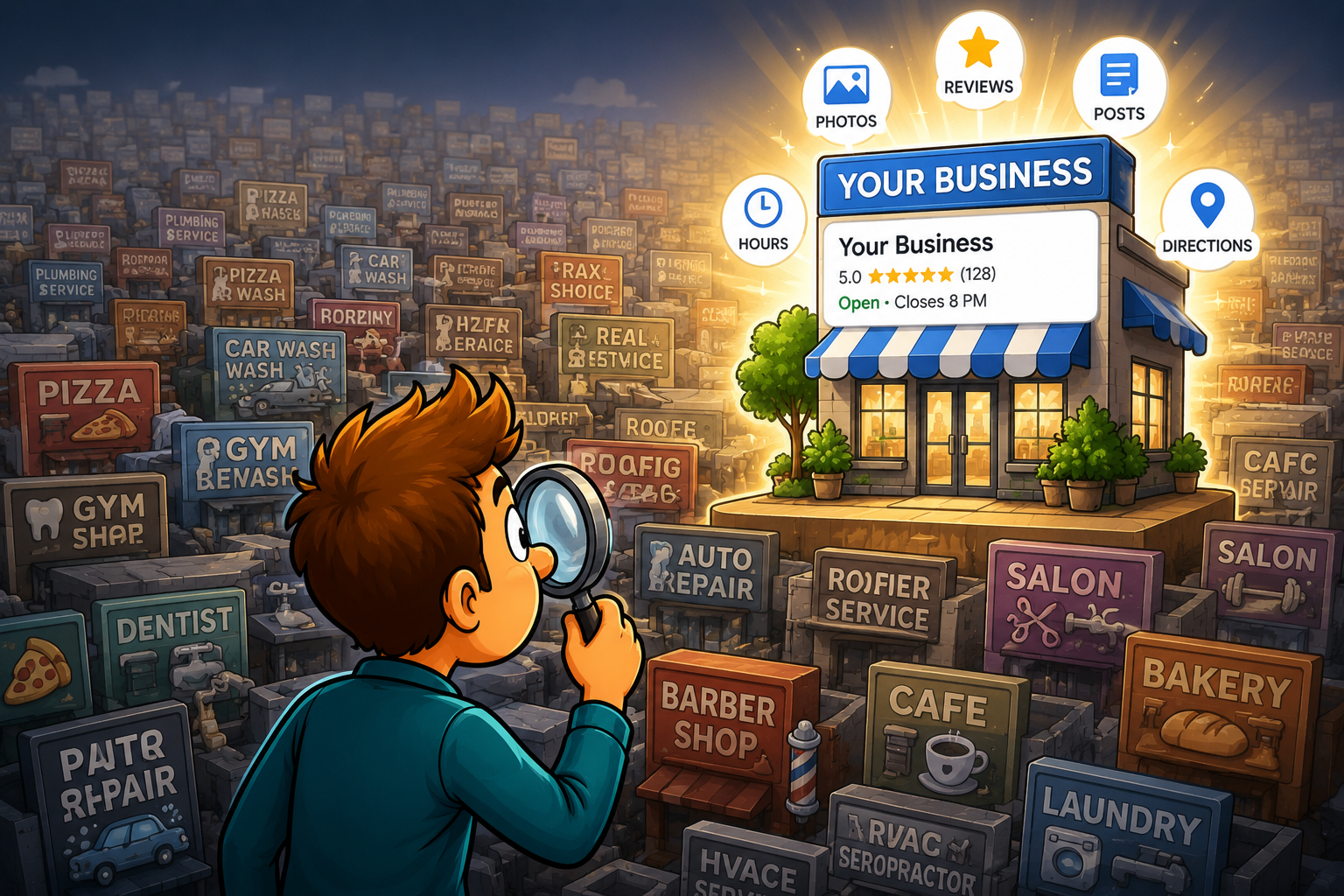
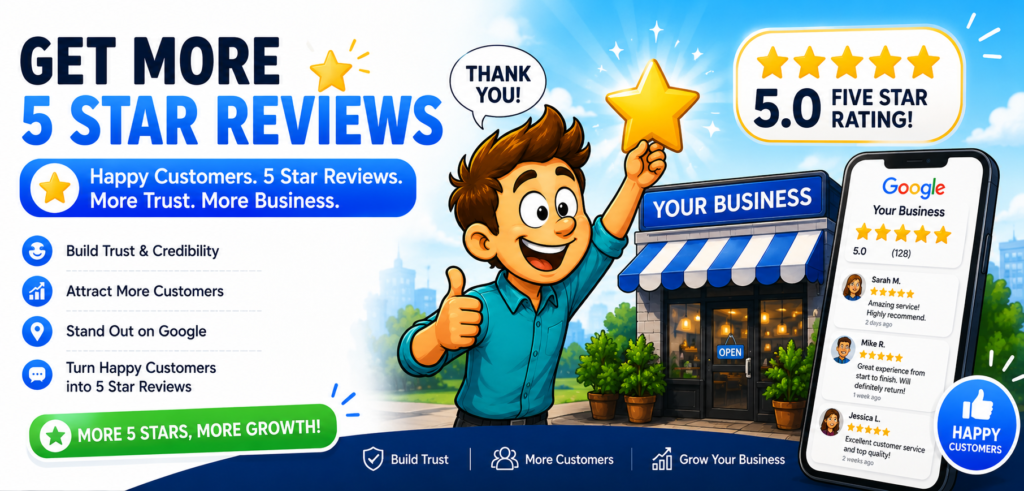
Most customers begin their journey on your Google Business Profile. This profile acts as your digital storefront, showcasing reviews, ratings, and activity.
First Impressions in Search Results
Customers look beyond star ratings. They evaluate:
- How recent your reviews are
- Whether you respond to feedback
- How engaged your business appears
An inactive profile creates doubt. An active one builds confidence instantly.

The Power of Reviews in Decision-Making
Psychological Impact of Customer Feedback
Reviews act as social proof. When potential customers see others having positive experiences, they feel more comfortable choosing your business.
Why Silence Hurts More Than Negative Reviews
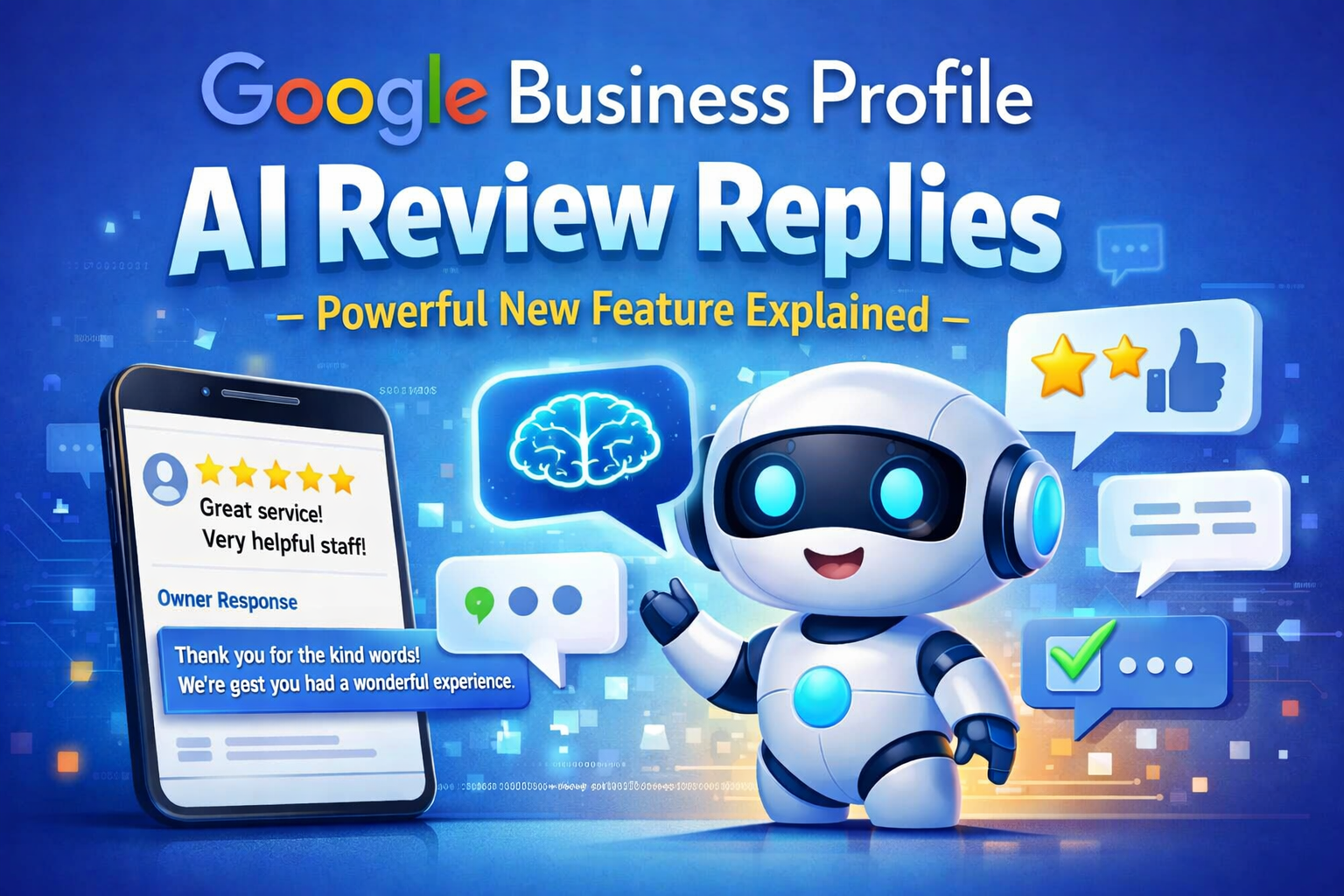
A negative review isn’t the biggest problem—lack of response is. When businesses ignore reviews, it signals neglect. Responding, even to criticism, shows accountability and professionalism.
Real Experience: What I Learned from a Local Business
The Restaurant Case Study
While researching review strategies for my own business, I observed a restaurant struggling—not because of poor service, but due to inactivity online.
They relied on basic tools, but responses were inconsistent. Reviews sat unanswered for weeks.
One review stood out: a customer left a 3-star rating, praised the food, but mentioned slow service—and said they would return. No response was given.
Key Takeaways from Their Transformation
After adopting a structured approach:
- Response time dropped by 80%
- Every review received attention
- Customers began updating their reviews
- New feedback increased
The shift wasn’t just operational—it was perceptual. The business became more trustworthy.
The Hidden Mistakes Businesses Make
Ignoring Online Engagement
Many businesses focus only on operations, assuming good service will speak for itself. But in reality, customers often decide before interacting with you.
Inconsistent Review Responses
Irregular engagement creates doubt. Customers notice patterns—and inconsistency signals unreliability.
How Google Rewards Active Businesses
SEO Signals from Reviews
Search engines consider:
- Review frequency
- Response activity
- Customer interaction
These signals influence how your business ranks locally.
Visibility and Ranking Factors
Consistent engagement improves visibility. Businesses that actively manage reviews tend to appear higher in search results, attracting more customers.
Why You Need a System, Not Just Effort
Manual vs Structured Review Management
Handling reviews manually may work short-term, but it becomes unsustainable. Consistency is difficult without a system.
Scaling Consistency
A structured process ensures:
- Long-term reliability
- Faster responses
- Better engagement
The Role of a google review managemnet servcie
Benefits for Small Businesses
A google review managemnet servcie helps businesses:
- Maintain consistent engagement
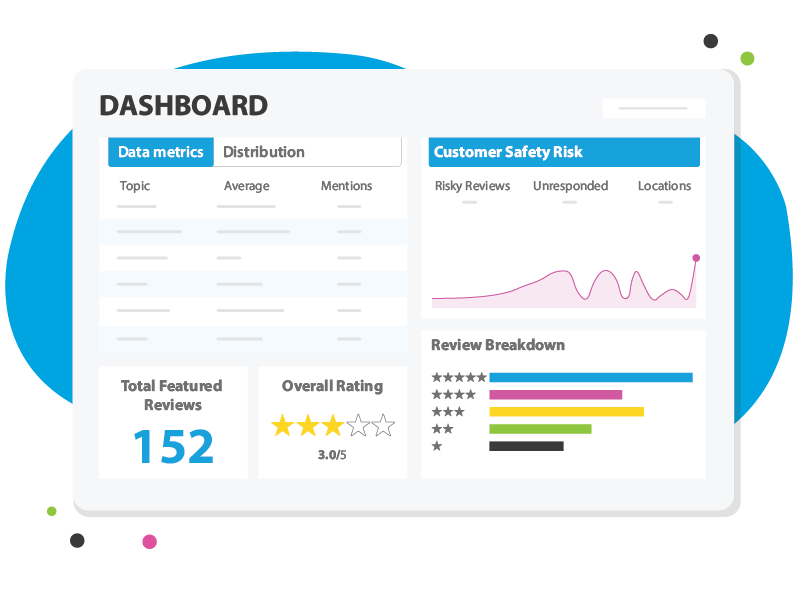
- Monitor reviews in real time
- Respond quickly and professionally
Time, Trust, and Growth Advantages
Instead of reacting sporadically, businesses gain:
- Increased visibility and conversions
- More time to focus on operations
- Stronger customer relationships
Actionable Steps to Improve Your Reputation Today
Daily Review Practices
Address both positive and negative feedback
- Check reviews regularly
- Respond within 24 hours
Long-Term Strategy
Use a system or google review managemnet servcie to scale efforts
Encourage satisfied customers to leave reviews
Maintain consistent engagement
FAQs
1. Why are Google reviews so important for small businesses?
They influence trust, visibility, and purchasing decisions.
2. How often should I respond to reviews?
Ideally within 24 hours to maintain engagement.
3. Can negative reviews hurt my business?
Only if ignored. Responding properly can actually improve trust.
4. What is the biggest mistake businesses make?
Not responding to reviews consistently.
5. How do reviews impact SEO?
They signal relevance and activity to search engines, improving rankings.
6. Should I manage reviews manually or use a service?
Manual works short-term, but a google review managemnet servcie ensures long-term consistency.
Conclusion
In uncertain times, success isn’t just about pricing or promotions—it’s about trust. Customers rely on what they see online to make decisions, and your reviews play a central role in shaping that perception.
Businesses that stay active, responsive, and engaged consistently outperform those that don’t. Whether you manage reviews yourself or use a google review managemnet servcie, the key is consistency.
If you want to stay competitive, build trust, and turn visibility into growth, your next step is simple: take control of your online reputation—and make it work for you.