Just having a website isn’t enough—if it’s not optimized for search engines, it’s like throwing a party without sending invites! Learn how to perform a DIY SEO Audit that’ll put your site in the spotlight and attract the right kind of attention!
Want To Perform a DIY SEO Audit for Your Startup’s Website?
As a small business owner or startup founder, I know how important your website is—it’s often the first impression potential clients get of your brand. But let me tell you, just having a website isn’t enough. If it’s not optimized for search engines, it’s like putting up a billboard in the middle of the desert. That’s why performing a DIY SEO audit on your startup’s website is absolutely essential.
When I first started diving into SEO, it felt overwhelming. But once I learned how to perform a DIY SEO audit step by step, I realized it wasn’t rocket science—it’s just about understanding what works and fixing what doesn’t. In this beginner’s guide, I’ll walk you through how to audit your site like a pro. Together, we’ll cover the technical and visual aspects of your website, talk about the best website builders (because trust me, I’ve tried a few), and uncover ways to turn your website into more than just a digital brochure—it can be a lead-generating, sales-driving machine.
Whether you’re just starting or want to improve your existing site, this guide will help you perform a DIY SEO audit that’s easy, effective, and tailored to your business needs. Let’s get started!
1. What is an DIY SEO Audit?
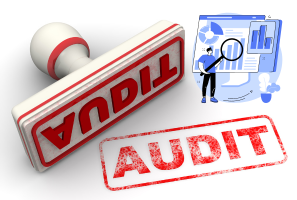
An SEO audit is a thorough analysis of your website’s performance in terms of SEO. It helps you spot issues that might be preventing your site from ranking well in search engines like Google. The audit focuses on improving both the technical and content-related aspects of your site.
Key areas in an SEO audit include:
- On-page SEO: Content, keyword use, meta tags, and headers.
- Off-page SEO: Backlinks and external reputation.
- Technical SEO: Site speed, mobile-friendliness, and structure.
- User Experience (UX): Ease of use, site design, and navigation.
By addressing these areas, your website will perform better in search engines, leading to more organic traffic and potential customers.
2. How Long Does an SEO Audit Take for Beginners?
If you’re new to SEO, expect to spend about 5-10 hours learning and conducting your first SEO audit. This includes researching SEO principles, understanding website structures, and using SEO tools. With practice, you can complete an audit in as little as 2-3 hours for smaller websites.
3. Website Builders: Cost, Features, and SEO Tools
Choosing the right website builder is crucial for SEO and ease of management. Here are some of the most popular website builders, their costs, and features that will help with your startup’s SEO:

Each of these platforms offers tools to help you optimize your website for SEO, though some require more technical knowledge than others.
4. Estimated Costs for Building and Optimizing a Website
The cost of building and optimizing a website depends on the website builder you choose, additional services, and SEO tools. Here’s a basic breakdown:
- Domain name: $10-$20 per year
- Website builder/hosting: $6-$40 per month
- SSL certificate: Free (with some hosting plans) or up to $50 per year
- SEO tools: Free – $100 per month (depending on the tool and plan)
Total Estimated Costs: $100-$1,000+ per year depending on the complexity of your site and any extra features you want to include, like custom design or advanced SEO tools.
5. Step-by-Step DIY SEO Audit for Your Startup’s Website
Step 1: Check Mobile-Friendliness
With more people using smartphones to browse the web, your website needs to be mobile-friendly. Google prioritizes mobile-optimized sites in its rankings.
- Tool to use: Google’s Mobile-Friendly Test.
- Action: Ensure your website is responsive and loads quickly on all devices.
Step 2: Analyze Website Speed
Page speed is critical to both user experience and SEO. A slow site can frustrate visitors and lead to higher bounce rates, hurting your SEO.
- Tool to use: Google’s PageSpeed Insights.
- Action: Compress images, use browser caching, and reduce server response times.
Step 3: Optimize Your Content and Keywords
Content is at the core of SEO. Focus on on-page SEO by optimizing for relevant keywords that your audience is searching for, like “How to Perform an SEO Audit for Your Startup’s Website” and “website builder for small businesses.”
- Action:
- Use primary keywords in your headings (H1, H2, etc.).
- Include meta descriptions for each page that include your target keywords.
- Write unique and high-quality content that is helpful for your visitors.
Step 4: Check Technical SEO
Technical SEO refers to the structure and setup of your website. This includes having a proper URL structure, using schema markup, and having an XML sitemap.
- Tool to use: Yoast SEO for WordPress (if using WordPress).
- Action:
- Ensure your website uses HTTPS.
- Create an XML sitemap to help search engines crawl your site more efficiently.
Step 5: Review Backlinks and Off-Page SEO
Backlinks, or links from other websites to yours, are one of the strongest signals to Google that your content is trustworthy.
- Tool to use: Ahrefs or SEMrush.
- Action: Aim to build backlinks by writing guest posts, getting listed in directories, or collaborating with other businesses in your niche.
Step 6: Improve User Experience (UX)
A user-friendly website helps with both SEO and conversions. Visitors should be able to easily navigate your site and find the information they need.
- Action:
- Ensure all buttons and links are easy to find and clickable.
- Use a clear call-to-action (CTA) like “Get a Free Quote” or “Contact Us Today.”
6. Visual and Technical Aspects of a Website
Visual Design
Your website’s visual design should be clean, modern, and easy to navigate. Choose colors and fonts that match your brand, and make sure images and graphics are optimized for quick loading times.
Key design elements to consider:
- Color scheme: Stick to 2-3 primary colors.
- Fonts: Use easy-to-read fonts like Arial, Roboto, or Open Sans.
- Images and media: Ensure all images are high-quality and compressed to avoid slow loading times.
Technical Design
In addition to visuals, your site needs to function smoothly on a technical level. This means making sure that:
- Your site loads quickly.
- It is responsive (works well on mobile devices).
- It is secure (has an SSL certificate).
7. Using Your Website to Gather Leads
A successful website doesn’t just provide information—it also helps you gather information from potential customers and converts them into leads. Here’s how:
Lead Generation Forms
Every small business website should include lead capture forms on important pages, such as the home page or a dedicated contact page. These forms should be simple and request basic information, such as the visitor’s name and email address.
Call-to-Action (CTA)
Make sure to use clear and compelling CTAs throughout your site to encourage visitors to take action. Examples include:
- “Get a Free Quote”
- “Sign Up for Our Newsletter”
- “Book a Consultation”
Email Marketing Integration
Collecting emails allows you to send out newsletters, updates, or promotional offers to potential customers. Many website builders, like Squarespace and Wix, offer email marketing integrations to help you manage this process easily.
8. The Sales Part: How Your Website Can Convert Visitors
To convert visitors into paying customers, your website needs to have a strong focus on sales and conversions. Here’s how you can optimize your website for sales:
Product/Service Pages
Make sure your product or service pages are well-structured, with clear descriptions, prices, and calls-to-action like “Buy Now” or “Get Started.”
Customer Testimonials and Reviews
Social proof, such as testimonials and reviews, can build trust with new visitors and encourage them to make a purchase or inquire about your services.
Analytics and Tracking
Use tools like Google Analytics to track how visitors use your site. This will help you understand what’s working and where you need to make improvements.
Conclusion: Performing Your DIY SEO Audit and Building a Strong Website
Performing your DIY SEO audit is key to making sure your startup’s website is optimized for search engines and ready to bring in traffic and leads. By following this guide and continuously improving your website’s technical structure, content, and user experience, you’ll be well on your way to growing your business online.