
Most businesses struggle deciding between organic SEO and PPC advertising because both strategies promise more traffic, leads, and online visibility. PPC campaigns can place your business at the top of Google almost instantly, while organic SEO focuses on building long-term rankings that continue generating traffic over time. Choosing the wrong strategy can waste marketing budgets, reduce ROI, and slow business growth.
The reality is that both organic SEO and PPC offer unique advantages depending on your goals, competition, industry, and budget. Some businesses need immediate leads through paid advertising, while others benefit more from sustainable organic traffic that grows steadily without ongoing ad costs.

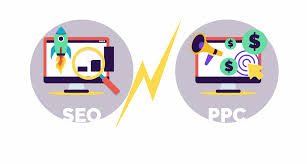
In this guide, you’ll learn the key differences between organic SEO and PPC, including:
- costs and ROI
- traffic potential
- Google rankings
- conversion opportunities
- local SEO performance
- long-term marketing value
By the end, you’ll understand which strategy works best for your business and how combining SEO with PPC can create stronger digital marketing and Online Presence results in 2026.
Select 44 more words to run Humanizer.
| Factor | SEO | PPC |
|---|---|---|
| Speed | Slow | Fast |
| Cost | Lower long-term | Higher ongoing |
| Sustainability | High | Low |
| Traffic Longevity | Long-term | Stops when ads stop |
| Trust | Higher | Lower |
| Scalability | Strong | Budget dependent |
What Is Organic SEO?
Long-term traffic creates sustainability: Organic SEO continues generating website traffic and leads over time without requiring continuous advertising spending like PPC campaigns.
Organic rankings improve visibility: Organic SEO helps websites appear naturally in Google search results without paying for advertisements or sponsored placements.

Content marketing builds authority: Publishing helpful blogs, guides, and service pages helps attract targeted visitors while improving search engine relevance and trust.
Backlinks strengthen credibility: High-quality backlinks from trusted websites signal authority to Google and can significantly improve organic search rankings over time.
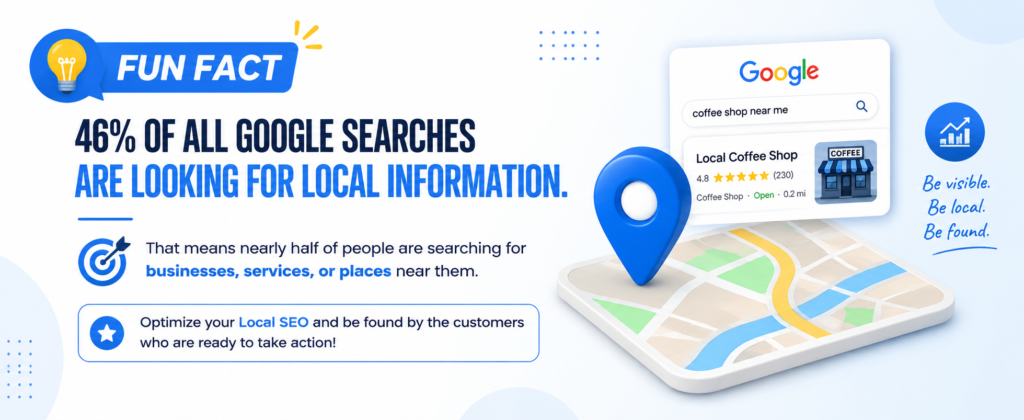
Local SEO drives nearby customers: A strong local SEO strategy helps businesses appear in location-based searches and Google Maps results for nearby potential customers.
Google rankings increase traffic: Higher Google rankings improve visibility, click-through rates, and opportunities to generate qualified leads from search traffic.
What Is PPC Advertising?
Paid visibility generates immediate traffic: PPC campaigns can instantly drive targeted visitors, leads, and conversions while organic SEO builds long-term rankings.
Google Ads delivers fast exposure: PPC advertising uses platforms like Google Ads to place businesses at the top of search results quickly.
Bidding determines ad placement: Advertisers bid on keywords to compete for visibility when users search for products or services online.
CPC impacts advertising costs: Cost-per-click (CPC) measures how much businesses pay each time someone clicks on their paid advertisement.
Ad auctions control rankings: Google uses automated ad auctions to decide which ads appear based on bids, relevance, and ad quality.
Examples:
- Local Service Ads: Local Service Ads help businesses generate verified local leads directly quickly.
- Google Search Ads: Google Search Ads appear above organic results for targeted keyword searches.
- Display Ads: Display Ads promote businesses visually across websites, apps, and online platforms widely.
| SEO vs PPC Cost Comparison | Organic SEO | PPC Advertising |
|---|---|---|
| Compounding Traffic | Traffic grows over time through rankings and evergreen content visibility. | Traffic stops immediately once advertising budgets are paused or reduced. |
| Cost-Per-Click Inflation | No direct cost for each visitor from organic search traffic. | CPC often increases as competition for keywords becomes more expensive yearly. |
| SEO Investment | Requires ongoing investment in content, optimization, and website improvements regularly. | Requires continuous advertising spend to maintain traffic and lead generation consistently. |
| Agency Retainers | SEO retainers usually support long-term growth and sustainable ranking improvements steadily. | PPC retainers focus on campaign management, optimization, and advertising performance tracking. |
| Customer Acquisition Cost (CAC) | CAC often decreases over time as organic visibility and authority improve naturally. | CAC may increase depending on competition, bidding strategy, and conversion performance trends. |
| Long-Term ROI | SEO typically delivers stronger long-term ROI through sustainable organic traffic growth. | PPC delivers faster results but usually lower long-term return on investment overall. |
| Marketing Cost Example for a Law Firm | PPC Advertising | Organic SEO |
|---|---|---|
| Traffic Method | Paid clicks through Google Ads campaigns targeting legal service keywords. | Organic website traffic generated through optimized SEO content and rankings. |
| Average Visitor Cost | Approximately $150 paid for every individual ad click received online. | No direct payment required for each visitor from organic search traffic. |
| Traffic Duration | Traffic stops immediately when advertising budget or campaigns are paused completely. | SEO content continues generating recurring traffic long after publication and optimization efforts. |
| Lead Generation Cost | Lead costs may increase as keyword competition and CPC prices rise. | Lead costs often decrease as rankings, authority, and visibility improve steadily over time. |
| Long-Term ROI | Short-term visibility but ongoing advertising expenses reduce long-term profitability significantly. | Stronger long-term ROI through sustainable traffic and lower customer acquisition costs. |
SEO vs PPC for Local Businesses
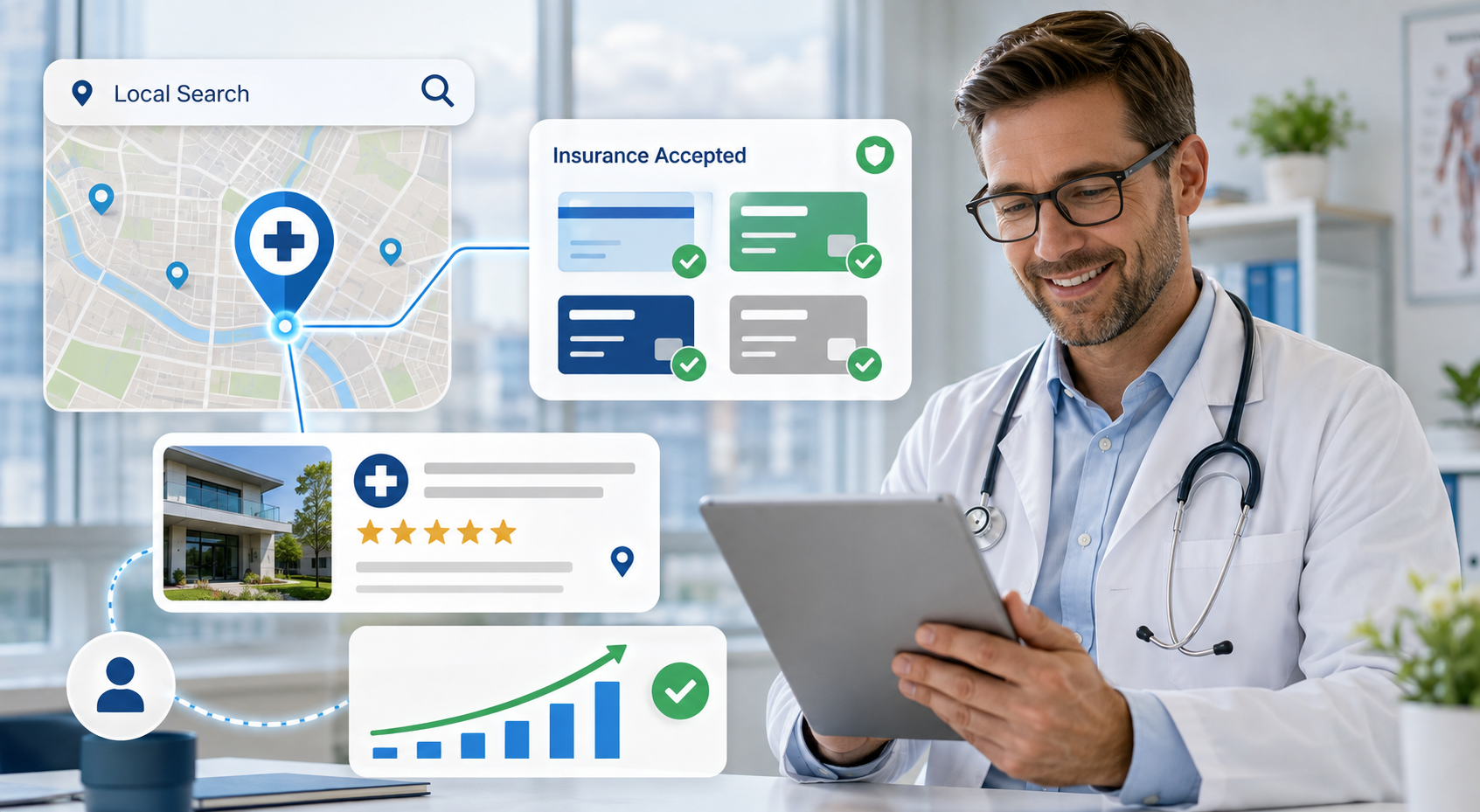
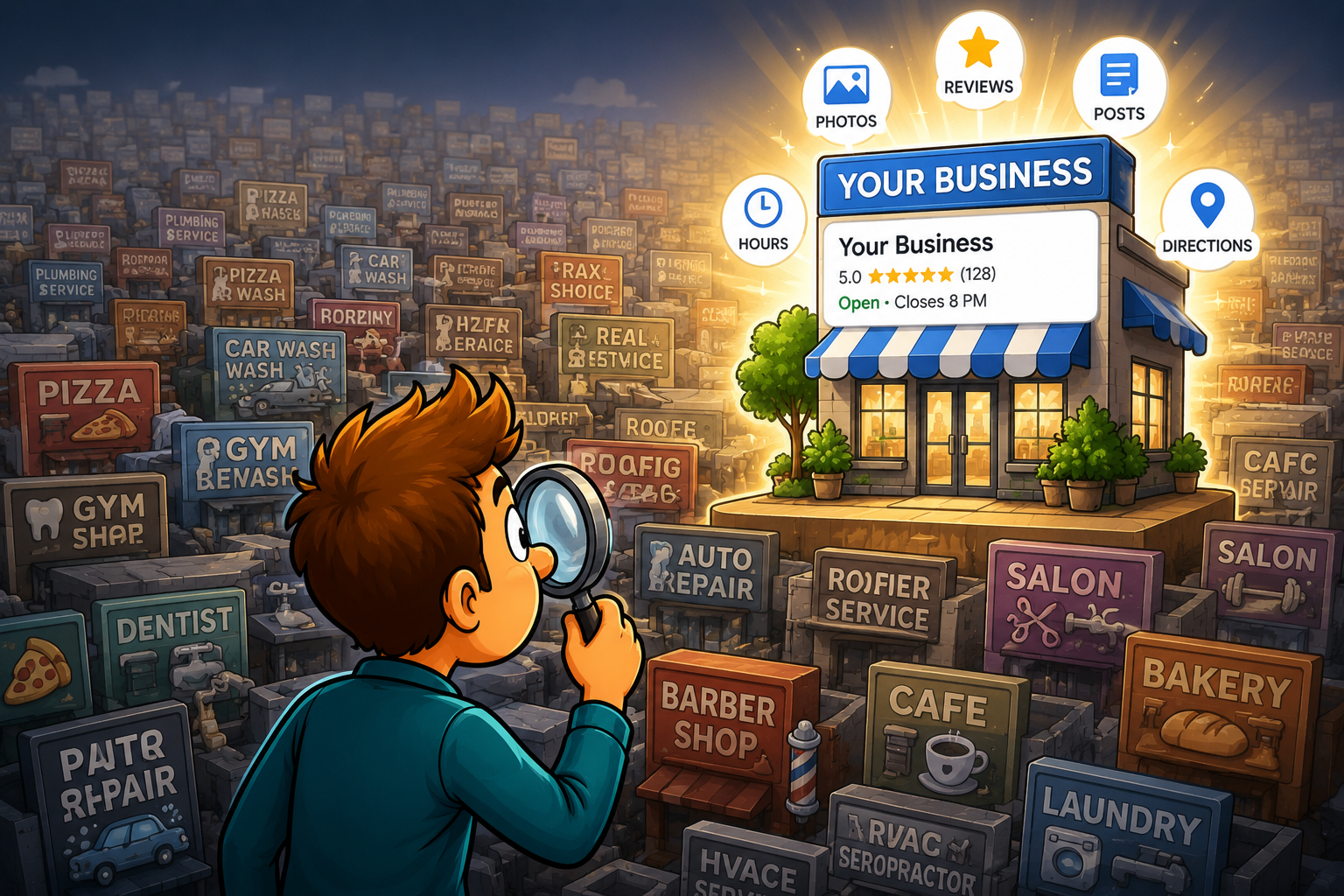
Google Business Profile: An optimized profile helps businesses appear in local searches and improve customer engagement. Regularly updating photos, services, posts, and contact information can improve visibility and encourage higher interaction rates from local customers searching online.
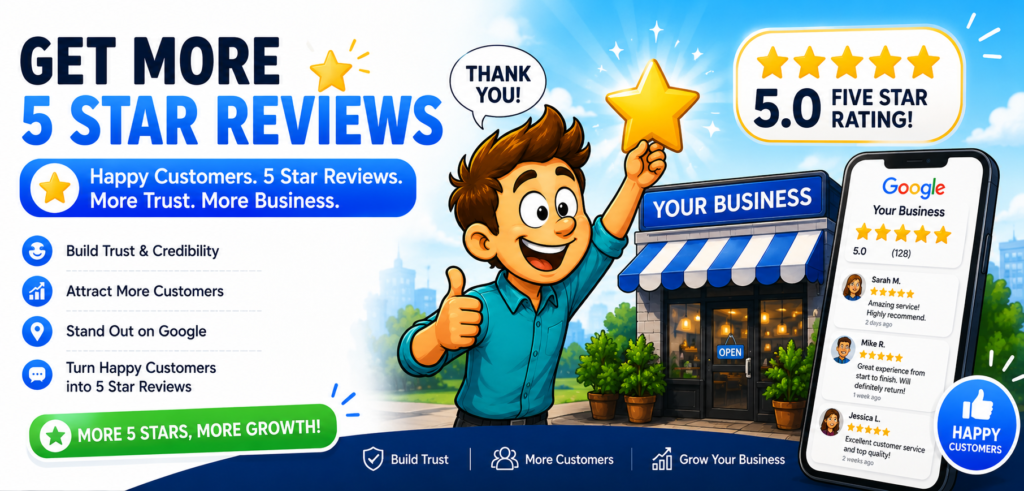
Review signals: A Good Review can improve trust, clicks, conversions, and overall local SEO performance. Positive customer feedback also strengthens credibility, increases engagement, and encourages more users to choose your business over nearby competitors online.
Local Service Ads: Local Service Ads generate fast leads while organic SEO builds lasting visibility. Combining paid local advertising with strong SEO strategies creates balanced marketing growth, improves customer acquisition opportunities, and supports long-term digital marketing success.
Maps rankings: Strong google maps visibility helps nearby customers find, call, and visit your business. Higher Maps rankings can increase website traffic, phone calls, directions requests, and in-store visits from highly targeted local search users.
Local intent: Local intent keywords connect your business with customers ready to buy nearby. Targeting location-based searches improves lead quality, conversion rates, and the chances of attracting customers actively searching for immediate services locally.

When Organic SEO Is the Better Choice
Organic SEO works well for businesses focused on budget-conscious growth and sustainable marketing results. Unlike paid advertising, SEO continues generating traffic over time without requiring constant spending for every website visitor or lead.
Long-term businesses benefit significantly from organic SEO because consistent optimization builds stronger Google rankings, authority, and customer trust gradually. Companies investing in long-term visibility often experience lower customer acquisition costs and improved online credibility.
Local service companies and authority brands use SEO to dominate search visibility within their industries and locations. Strong organic rankings help businesses attract qualified leads, strengthen brand recognition, and compete more effectively in crowded local markets.
Why Combining SEO and PPC Often Works Best
Conversion optimization boosts results: Using SEO and PPC together reveals which pages, messages, and offers turn visitors into paying customers.
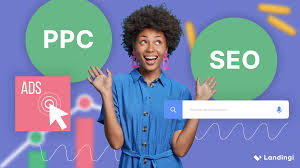
PPC generates immediate traffic: Paid ads can place your business at the top of search results while your SEO strategy gains momentum.
Retargeting increases conversions: PPC retargeting lets you reconnect with visitors who found you through SEO but didn’t contact you the first time.
Keyword testing improves strategy: PPC data shows which keywords drive clicks, leads, and sales, helping you choose stronger SEO topics faster.
SEO builds authority: Organic SEO helps your website earn trust, rank for valuable keywords, and attract long-term traffic without paying for every visitor.
Why Combining SEO and PPC Often Works Best
THIS should become your core conclusion.
Discuss:
conversion optimizationGoes Here
SEO builds authority
PPC generates immediate traffic
retargeting
keyword testing
How I Built Search Visibility From Zero Using Technical SEO and Organic Growth Strategies
Step 1: Understand the Challenge of No Domain Authority
When your site is new, your domain authority (DA) is basically zero. Search engines use this score to guess how trustworthy your site is. A higher DA means you can show up higher in search results.
At first, I had no clue how to raise mine. But once I started focusing on technical SEO—the “behind the scenes” stuff—things started moving in the right direction.
Step 2: Get Your Headers and H1 Tags Right
One of the first things I learned was that headers (H1, H2, H3, etc.) help organize your content. They tell Google what each page is about.
Here’s what I did (and you should too):
Match your content to your H1. If your H1 says one thing but your text is about something else, Google gets confused and ranks you lower.
Use a clear H1 tag on every page that matches the page topic. If my page was about “SEO Tips for New Websites,” that’s exactly what my H1 said.
Step 3: Use Bold Text the Right Way
Bold text helps highlight keywords, but if you overdo it, your page can look messy.
What I did:
Didn’t bold everything—only the most important terms.
Bolded important words like “technical SEO” or “SEO for beginners.”
Step 4: Master Technical SEO
This part was the biggest game-changer for me.
Here’s what I worked on:
Submitting an XML sitemap so Google knew which pages were important.
Fixing crawl errors in Google Search Console so search engines could actually find my pages.
Speeding up my site by compressing images and removing extra code.
Step 5: Add ALT Text to Images
Search engines can’t “see” pictures. They read the ALT text to understand what’s in them.
What I did:
Compressed images so they wouldn’t slow down my site.
Added descriptive ALT text like “SEO tips for beginners” instead of “image1.jpg.”
Step 6: Choose Organic SEO Over PPC
You and I don’t want to waste money if we can help it. Here’s why organic SEO won:
It builds trust—most people skip ads and click on regular search results.
It’s free after you set it up—no monthly ad payments.
It lasts longer—old posts still bring in traffic.

Step 7: Build Your Own Website
Instead of paying thousands for a web designer, I built mine using WordPress. You can use Wix, Squarespace, or whatever you like.
Benefits:
Lets you learn SEO as you go.
Saves money.
Gives you full control.

Conclusion
If you’re starting with zero domain authority, I get it—it’s tough. But if you stick with organic SEO, you can grow a site that keeps bringing in visitors for years.
It’s about patience, smart tweaks, and a little bit of stubbornness. You and I can build something that lasts without spending a fortune on ads.