
Have you ever typed something into Google and noticed that some results look way fancier than others? They’ve got ⭐ star ratings, prices, FAQs, or even little video previews right in the results.
The first time I saw that, I thought: “How do they get their site to show up like that while mine just looks plain?” The answer, my friend, is Schema Markup (Structured Data).
And trust me—you and I need to talk about this. Because Schema Markup (Structured Data) isn’t just for big brands with big budgets. It’s for small businesses, bloggers, YouTubers, and anyone trying to get noticed online.
Why Schema Markup (Structured Data) Is So Important
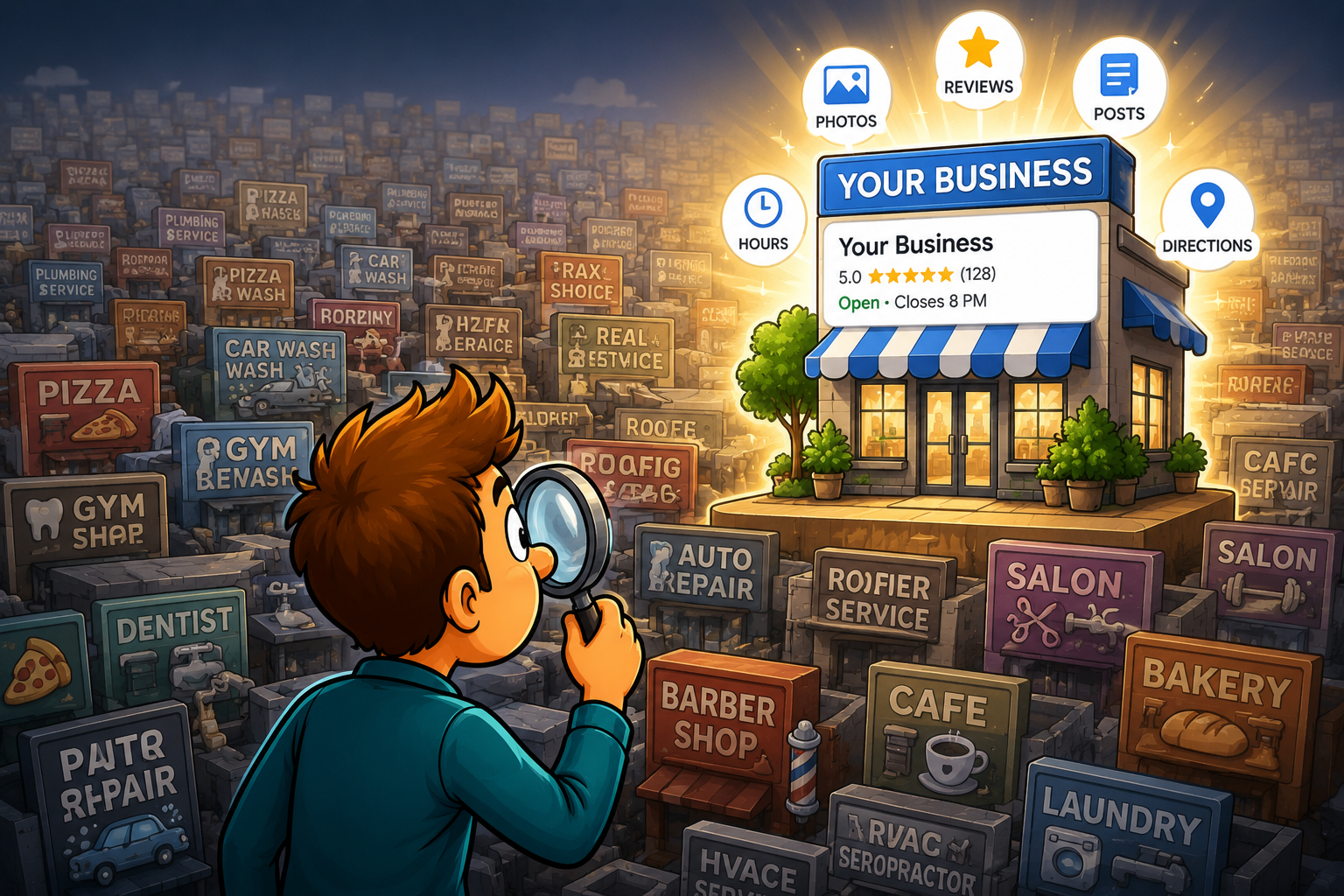
Here’s the truth: the internet is crowded. Millions of websites are fighting for the same spots on Google. Without a little help, our sites can get buried. That’s where Schema Markup (Structured Data) comes in.
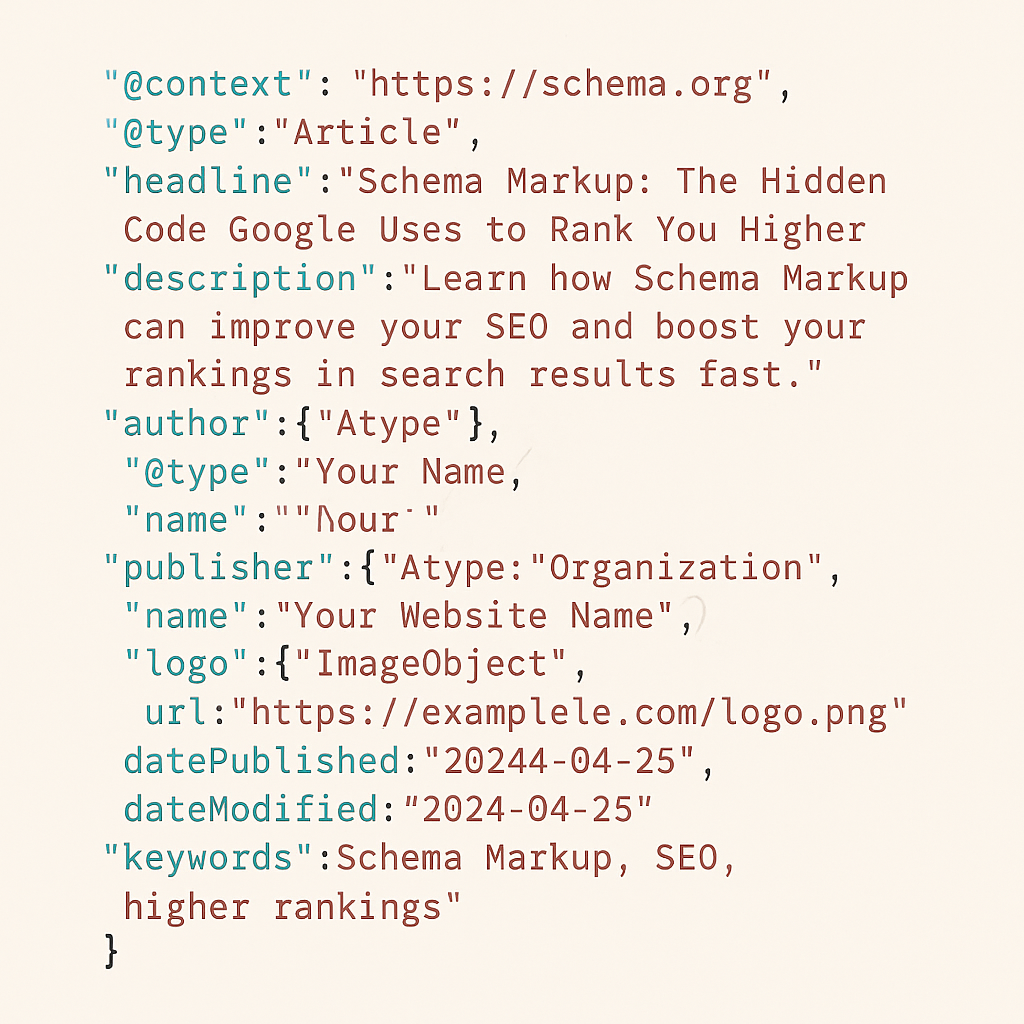
Think of it like walking into a library. If your book doesn’t have a title, chapters, or a summary, nobody knows what it’s about. Schema is the summary card that tells Google exactly what your page is offering—whether it’s a product, a video, an article, or even your local business.
What happens when you use it? Google rewards you with rich snippets—those detailed, eye-catching results that grab clicks. And more clicks mean more visitors, which can lead to more sales, more followers, and more trust.
👉 According to Search Engine Journal, websites with schema can increase organic click-through rates by up to 30%. That’s not a small win—that’s a game-changer.
My First Experience with Schema Markup
When I first added Schema Markup (Structured Data) to my own site, I was nervous. I didn’t know much about coding, and I thought it was only for pros. But once I tried it, everything changed.
Suddenly, my product pages started showing star ratings in Google. My videos showed up in video carousels. Even my blog posts were being pulled into Google’s “People Also Ask” boxes.
That was the moment I realized—Schema Markup (Structured Data) isn’t just some fancy tech tool. It’s a secret weapon for anyone who wants to stand out online.
How Schema Markup (Structured Data) Helps You and Me
Here’s what you and I get when we use schema the right way:
- On product pages: Prices, stock updates, and reviews that show up directly in search.
- For videos: Thumbnails, upload dates, and previews that pull into YouTube and Google.
- On blogs: FAQ snippets, author names, and publish dates that build credibility.
- For local businesses: Maps, hours, and reviews that boost local SEO.
See? No matter if you’re running an eCommerce store, posting tutorials, or just blogging, Schema Markup (Structured Data) helps your content get noticed.
Why You Can’t Ignore Schema Anymore
Here’s the thing: SEO is no longer just about keywords. Google wants context. If you and I don’t give it to them, someone else will.
Without Schema Markup (Structured Data):
- Your results look plain.
- Google might misunderstand your content.
- You miss out on valuable traffic.
With Schema Markup (Structured Data):
- You look more professional.
- You grab more attention with rich snippets.
- You build trust faster with your audience.
In other words, schema is the difference between being invisible and being irresistible.
Conclusion: Schema Markup (Structured Data) Is Your SEO Superpower
At the end of the day, you and I don’t just want traffic—we want the right traffic. And Schema Markup (Structured Data) helps us get there by telling Google exactly who we are and what we offer.
So here’s my advice: Don’t wait until your competitors are already using schema to start. Add it now. Test it. Watch your clicks grow.
Because if you and I want to build websites, blogs, and businesses that actually stand out, schema isn’t optional anymore. It’s the quiet little code that makes a loud difference.
Faceless Marketing for eCommerce: How to Increase Conversions
Optimized Title Tags for Faceless Marketing: 7 Secrets to Success
Header Tag Structure (H1–H6): The SEO-Friendly Guide for Better Rankings
Image & Video Alt Text: How to Optimize for SEO and Accessibility
Page Speed Optimization: How to Make Your Website Lightning Fast
Internal Linking Strategy: How to Boost SEO and Keep Readers Engaged