When people visit a website, they expect it to load almost instantly.
If a page takes too long, visitors often leave before it finishes loading. This behavior can hurt businesses because fewer visitors stay on the site, fewer products are viewed, and fewer customers take action.
That is why faster page loading has become one of the most important parts of modern web design.
Search engines like Google even use page speed as a ranking factor, meaning faster websites can appear higher in search results.
How Slow Websites Hurt Your Business

A slow website creates a poor experience for visitors.
Common problems caused by slow pages include:
- users leaving quickly
- higher bounce rates
- fewer conversions
- negative impressions of the brand
For example, someone searching for a local service might open several websites. If one site loads slowly while others load quickly, the customer will likely choose the faster option.
This is why businesses invest heavily in website speed optimization.
The Role of Mobile Devices in Page Speed
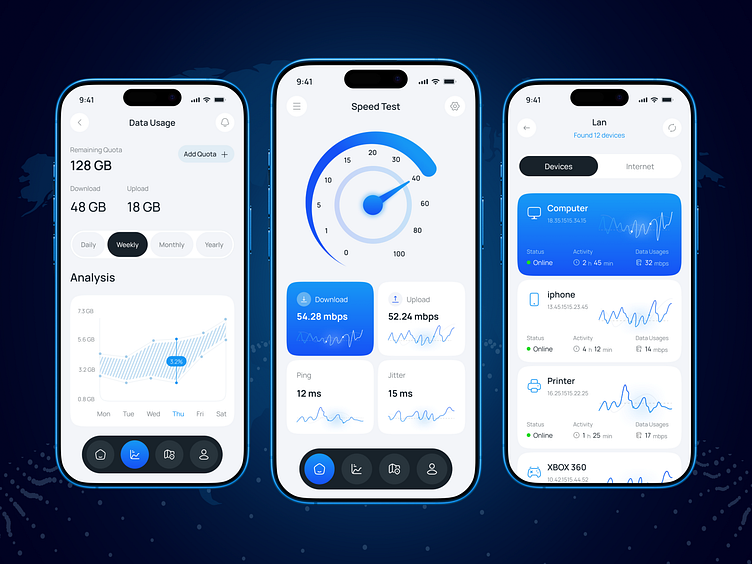
Most internet traffic now comes from smartphones.
This means mobile performance is just as important as desktop speed.
Websites must be optimized for:
- smaller screens
- mobile networks
- touch navigation
- quick loading times
This approach is often called mobile first web design.
Mobile-first design ensures websites perform well even when users are browsing on phones while traveling, commuting, or shopping.
How Faster Page Loading Improves SEO
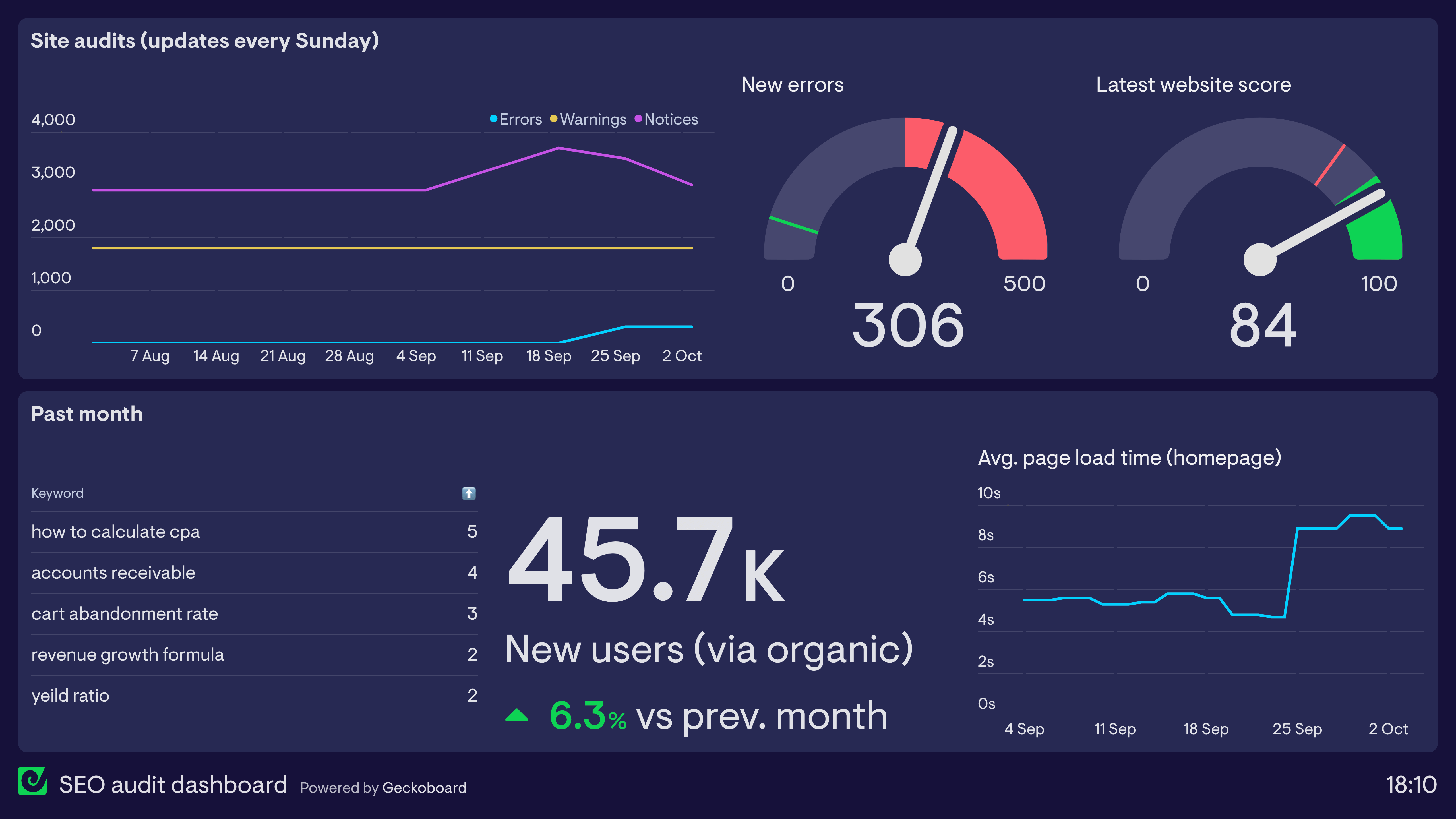
Search engines want to deliver the best experience for users.
Because of this, page speed has become an important part of search engine optimization (SEO).
Fast websites benefit from:
- higher search rankings
- improved crawl efficiency
- better user engagement
- longer session times
Google provides tools like PageSpeed Insights to help developers analyze website performance.
You can test your site here:
https://pagespeed.web.dev
Technologies That Help Achieve Faster Page Loading
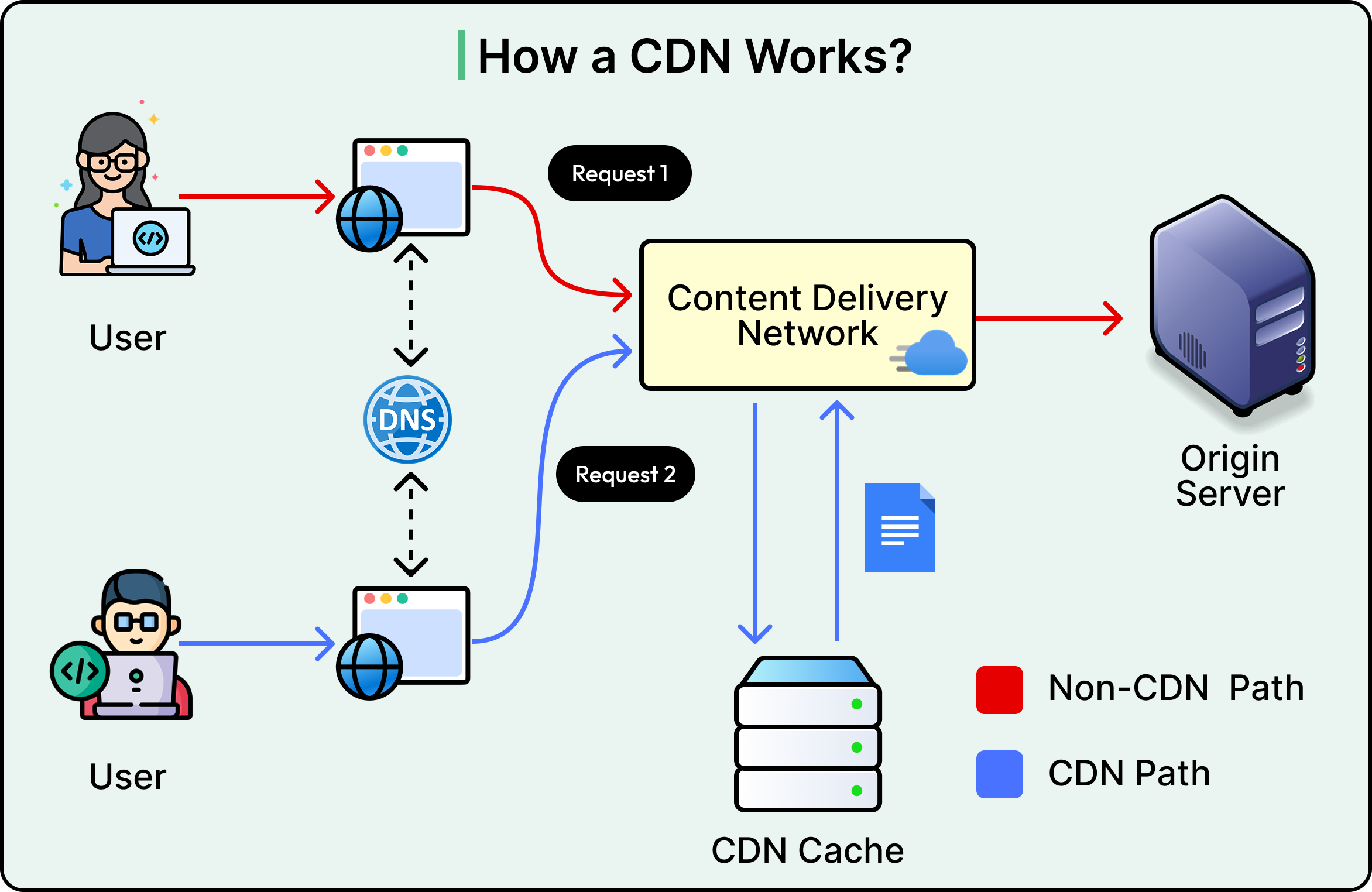
Modern web development uses several techniques to improve loading speed.
Image Compression
Large images can slow down websites. Compressing images reduces file size without sacrificing quality.
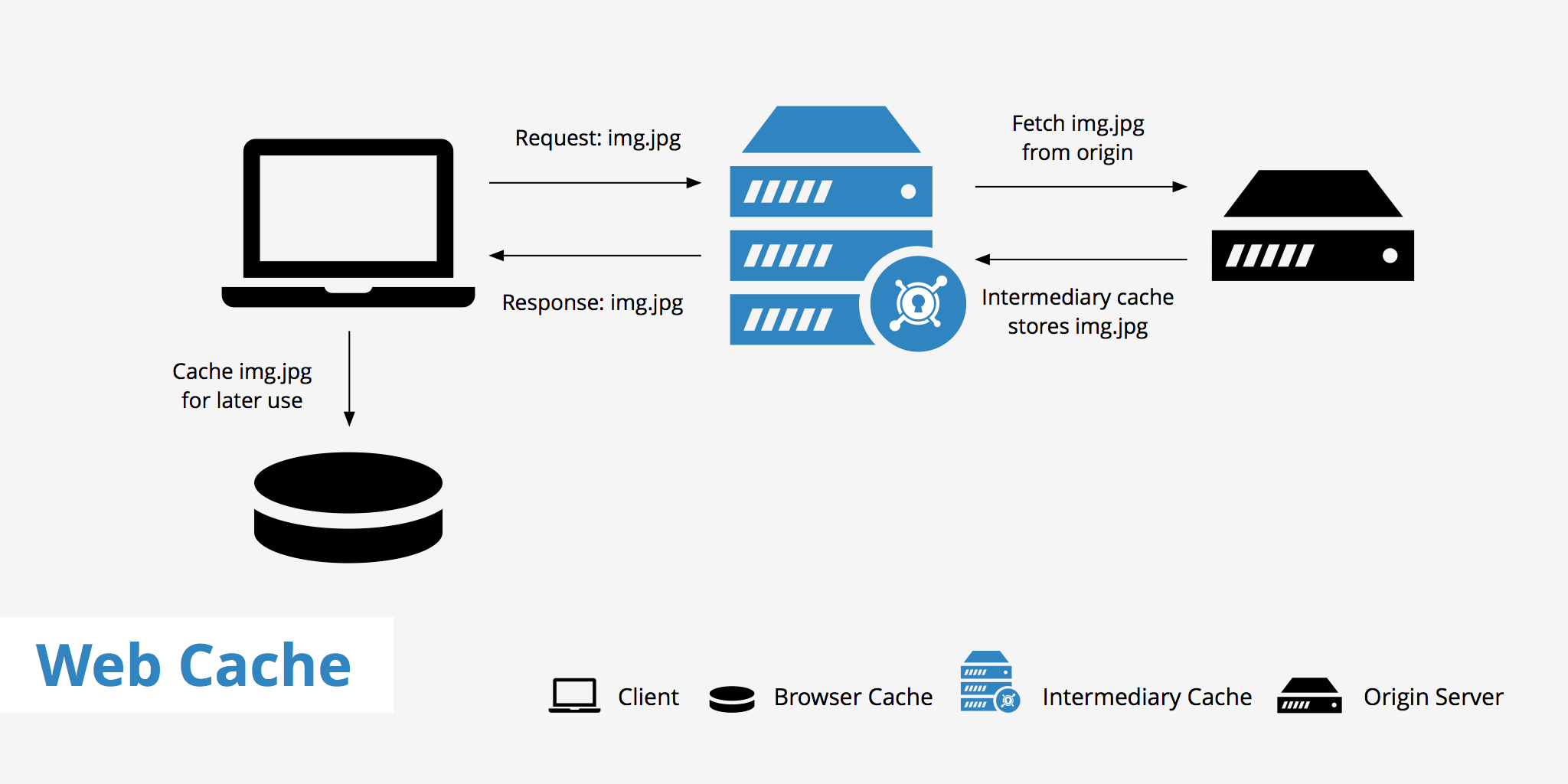
Content Delivery Networks (CDNs)
CDNs store website files on servers around the world. This allows users to load websites from the nearest server.
Browser Caching
Caching allows returning visitors to load pages faster because certain files are stored locally on their devices.
Efficient Code
Clean and optimized code reduces unnecessary scripts that slow down pages.
The Role of Fast Internet Connections
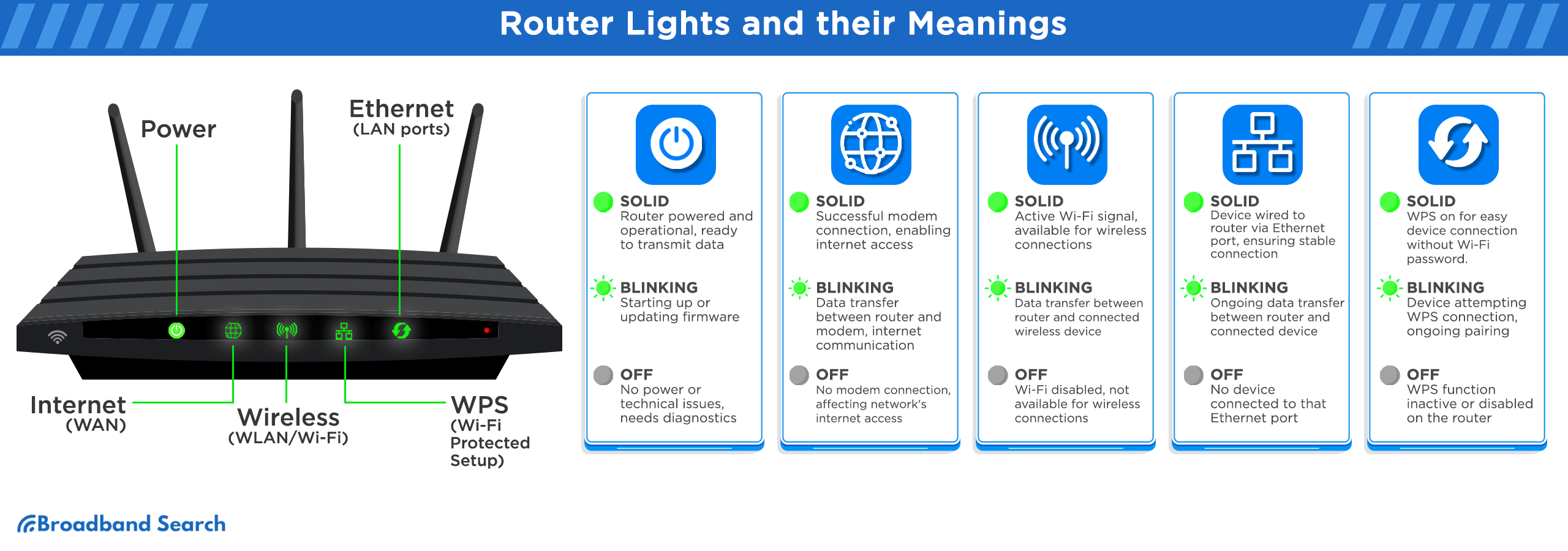
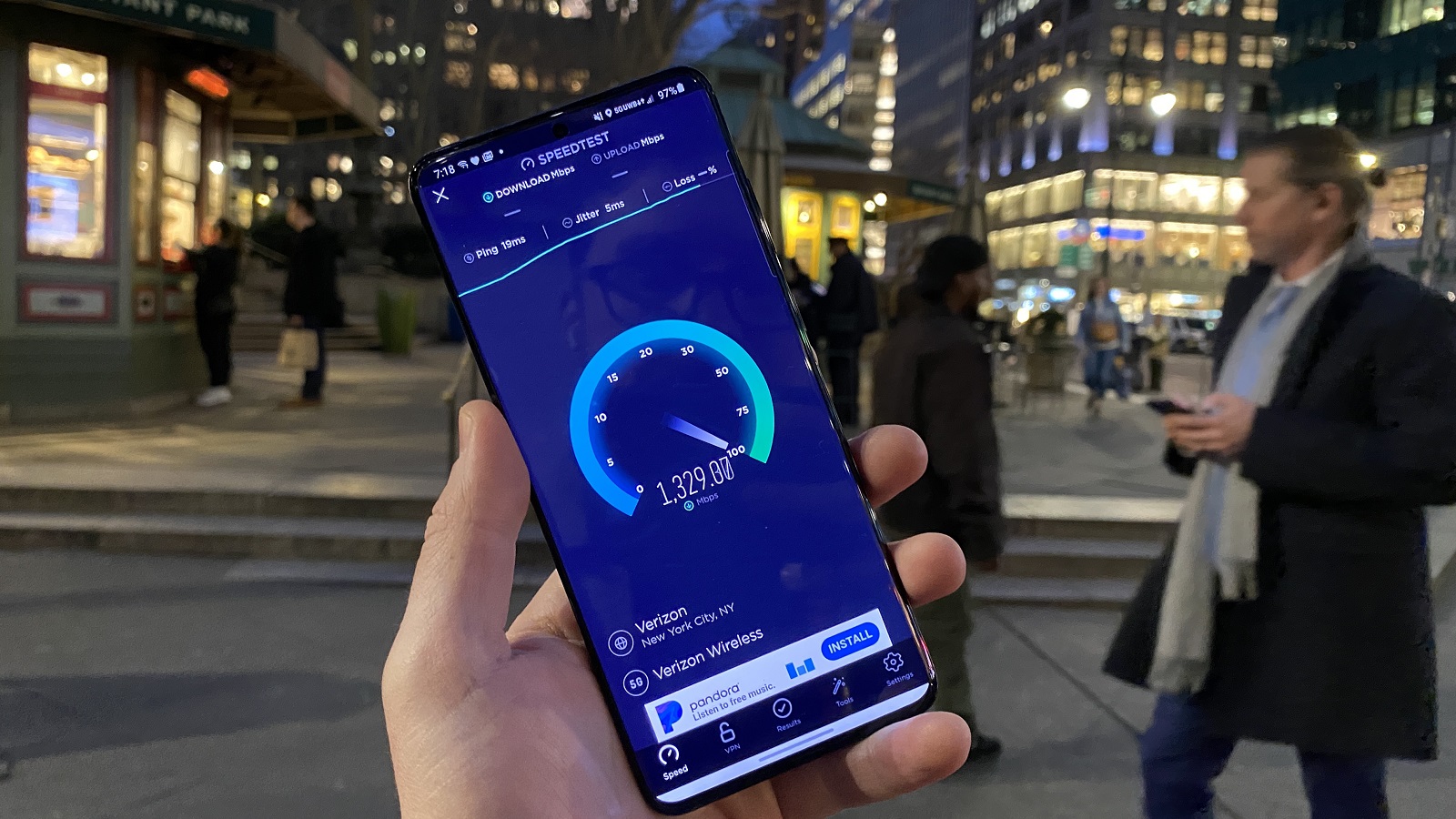
Internet speed also affects how quickly pages load.
Faster connections allow users to access content instantly.
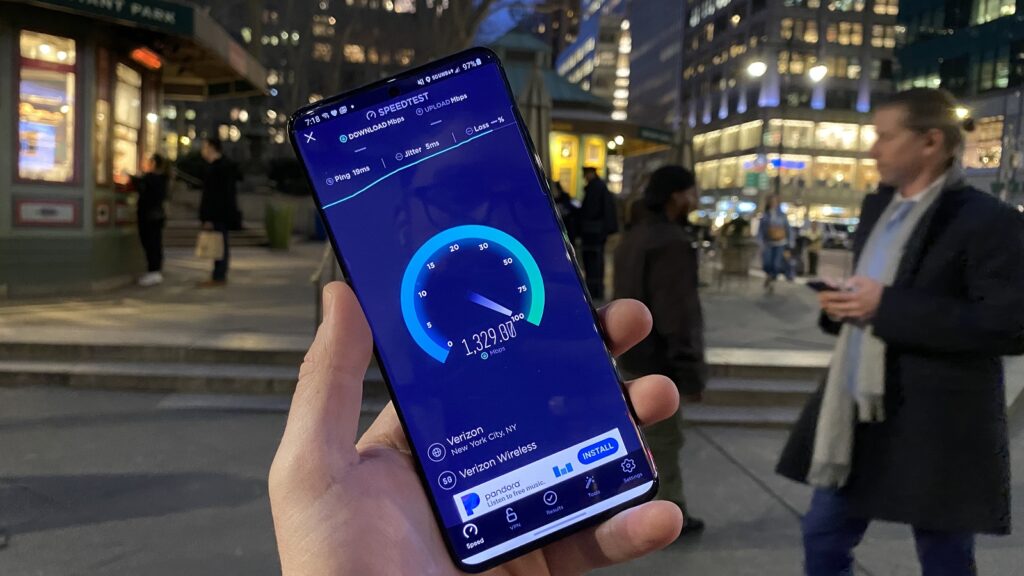
Technologies like T-Mobile Home Internet and expanding 5G networks from companies such as T-Mobile are helping websites perform better.
High-speed connectivity supports:
- faster downloads
- smoother media streaming
- quicker website interactions
This is especially important for websites that use video, animations, or large images.
Faster Page Loading and User Experience
Fast websites create better user experiences.
Visitors appreciate websites that:
- load instantly
- respond quickly
- display content smoothly
Good user experiences encourage visitors to:
- stay longer on the site
- explore more pages
- trust the brand
- return in the future
This is why website performance optimization is a key part of digital marketing strategies.
Simple Tips to Improve Page Speed
Here are a few easy steps businesses can take to improve loading times.
Optimize Images
Use compressed formats like WebP or optimized JPEG files.
Reduce Scripts
Limit unnecessary plugins and scripts.
Use Fast Hosting
Reliable hosting services improve server response times.
Enable Caching
Caching allows browsers to store files for faster repeat visits.
Test Website Speed Regularly
Use speed testing tools to identify and fix performance issues.
Why Faster Page Loading Matters for Local Businesses
Local businesses depend heavily on online visibility.
Customers often visit websites before choosing a business.
A fast website helps businesses:
- attract more visitors
- improve local SEO rankings
- increase customer trust
- generate more leads
Fast loading pages combined with strong Google reviews for local SEO can dramatically improve online reputation and search performance.
Final Thoughts
Faster page loading is no longer optional—it is essential for success online.
Speed affects:
- search engine rankings
- user experience
- conversion rates
- brand perception
Businesses that invest in website performance will provide better experiences for visitors and stay competitive in the digital world.
With faster internet technologies, improved web design practices, and mobile-first strategies, websites can deliver the speed and reliability that modern users expect.
Related Articles
What Is a VPN? A Beginner-Friendly Guide to Online Privacy
“Bluetooth Landline Phone for Small Business: The Ultimate Setup & Growth Guide”
How to Set Up T-Mobile Home Internet: Step-by-Step Guide for Fast, Reliable Wi-Fi
Page Speed Optimization: How to Make Your Website Lightning Fast
Latest Articles
-
Google Review Removal Service That Protects Your Reputation and Builds Trust
Can Negative Google Reviews Damage a Healthcare Organization? A sudden wave of negative Google reviews can seriously damage the reputation of a nursing home or medical practice. Families researching nursing homes often compare ratings, recent reviews, management responses, photographs, and overall review activity before scheduling a tour. Patients may perform the same research before choosing…
-
Google Review Management Agency That Helps Businesses Build Trust and Get More Customers
People trust Google reviews before they trust advertisements. Before contacting your business, potential customers usually search your company online and ask themselves one important question: “Can I trust this business?” That answer often comes from your reviews. Customers look at: If your business has weak reviews, outdated feedback, or unanswered complaints, customers may choose a…
-
How to Get New Patients in New York With Google Reviews
Your next patient in New York may decide whether to call your practice before ever speaking to your staff. Today, patients search, compare, and read reviews before choosing care. A 2025 survey found 84% of patients check online reviews before choosing a new healthcare provider. In 2026, 75% said they wouldn’t book with a provider…
-
How Accepted Insurance Plans Can Strengthen Medical Local SEO
When patients search for a doctor, they are not only looking for the right specialty or the closest medical office. Many also need to know whether the practice accepts their insurance. A patient might search Google for: If your website does not clearly list the insurance plans your practice accepts, Google and potential patients may…
-
Brooklyn Nursing Home Marketing in 2026: How to Turn Google Searches Into More Admissions
If you’re responsible for marketing or admissions at a nursing home, you already know how to generate business the traditional way. You know the importance of hospital relationships. You know your discharge planners, case managers, physicians, community partners, and referral sources. You know what happens to census when those relationships are strong, and you know…
-
Google Reviews and Search Console: Drive More Traffic to Your Queens Medical Practice
Google Reviews and Search Console: Drive More Traffic to Your Queens Medical Practice A patient in Queens searches Google for a family doctor, chiropractor, dentist, physical therapist, podiatrist, urgent care center, or medical specialist. Within seconds, that patient may see several practices competing for attention. The listings can look similar, but the patient still has…