Start
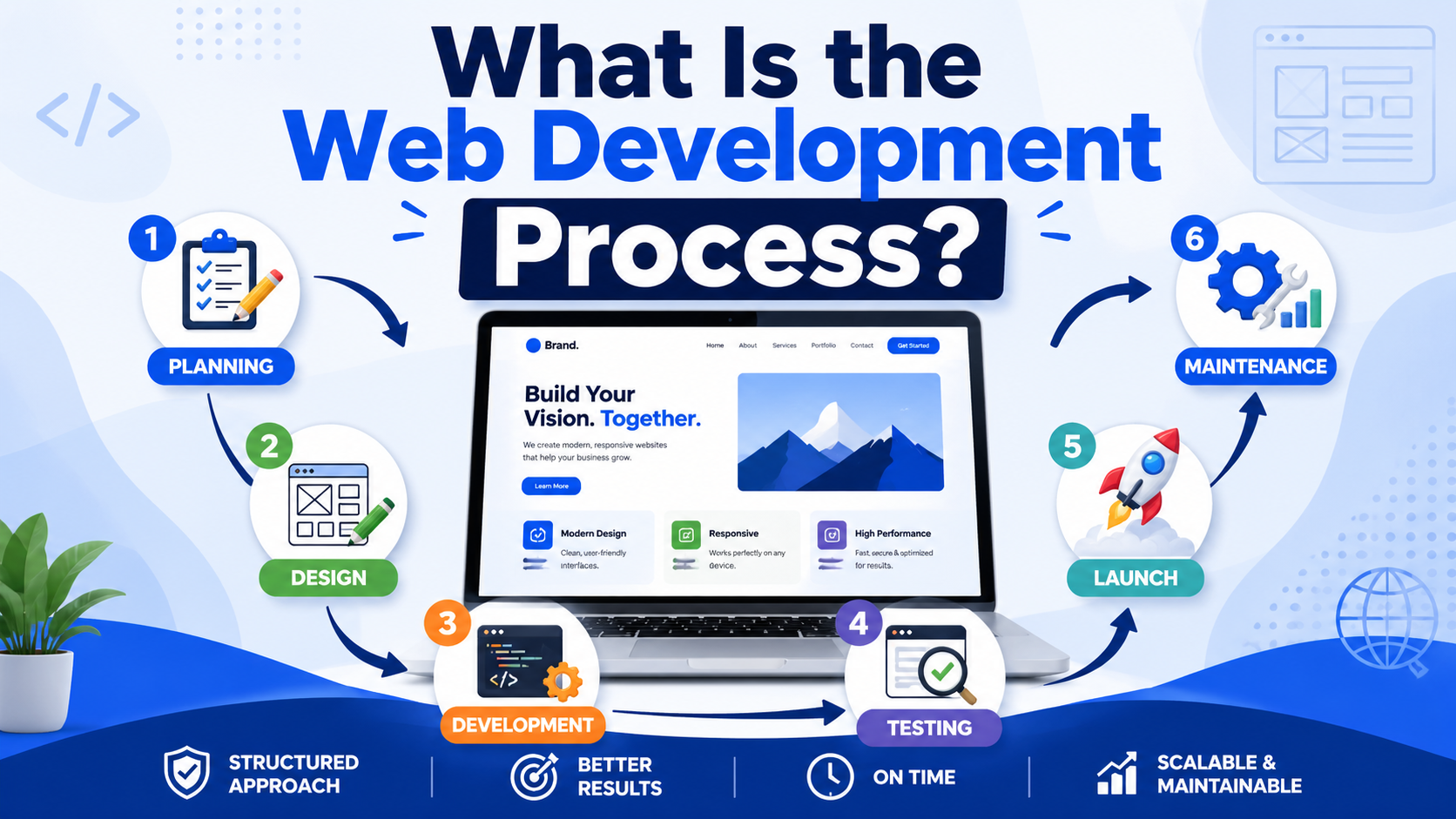
Building a modern website requires more than writing code. Behind every successful website is a structured web development process that guides the project from idea to launch.
This process helps developers, designers, and businesses work together efficiently. It ensures websites are built correctly, launched smoothly, and maintained over time.
In this guide, we’ll explore:
- the stages of the web development process
- how web development workflows work
- tools used by modern development teams
- web development project management best practices
Let’s walk through how websites are built from start to finish.
Page Structure: The Simple Guide to Rank Higher and Get More Traffic.

What Is the Web Development Process?
The web development process refers to the structured steps used to plan, design, build, test, and launch a website.
This process helps ensure that websites are:
optimized for performance
functional
user friendly
secure
Modern development teams often collaborate using tools such as GitHub for version control and Visual Studio Code for writing and managing code.
A structured process helps prevent mistakes, reduce development time, and create better user experiences.
Why the Website Development Lifecycle Matters
The website development lifecycle is the framework that guides projects from concept to launch.
Without a clear lifecycle, development projects can easily become disorganized.
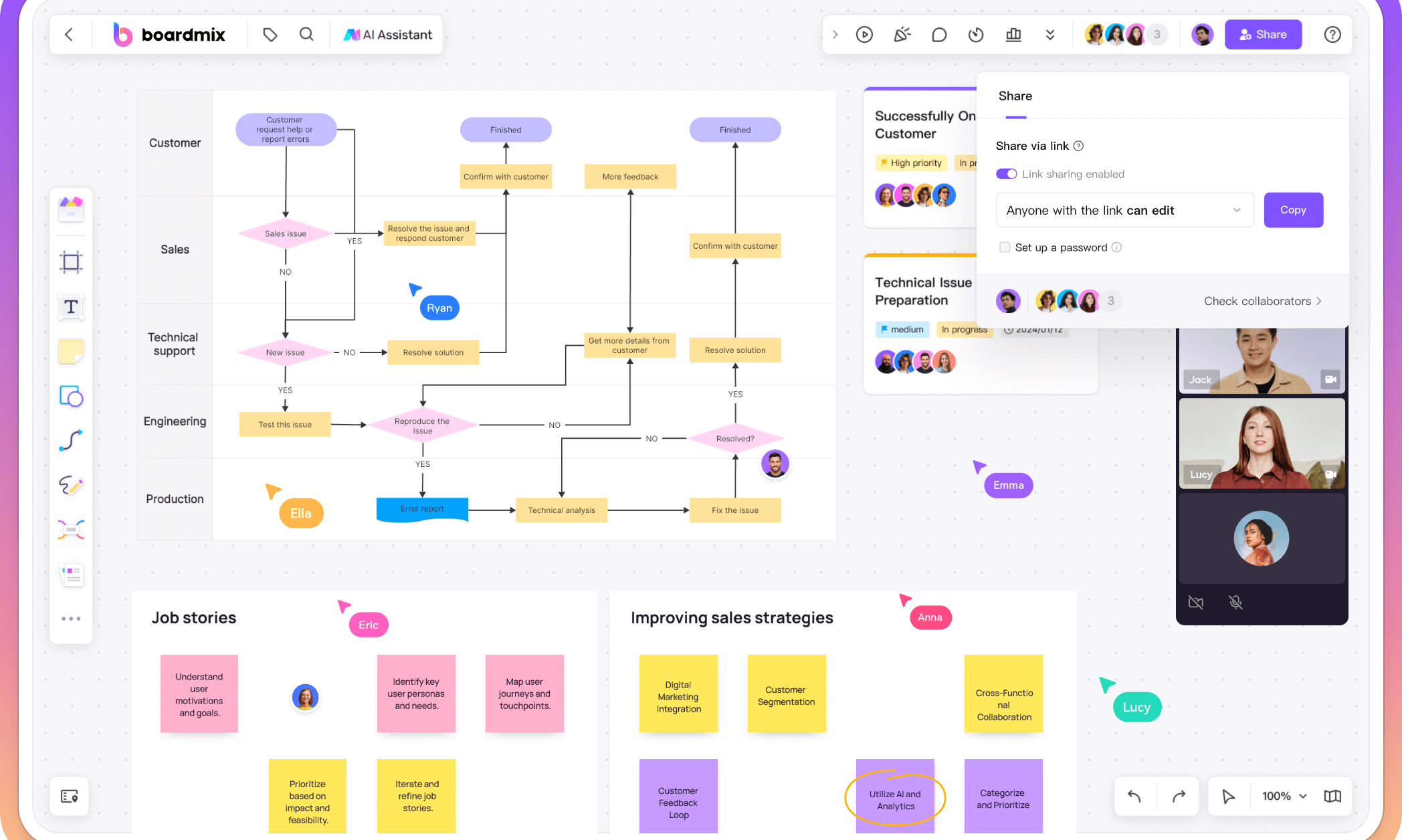
A structured process helps teams:
- manage resources efficiently
- reduce project delays
- maintain quality control
- improve collaboration
This lifecycle also allows teams to evaluate and improve websites even after launch.


Stage 1: Project Planning
Every website project begins with a planning phase.
This step defines the purpose and goals of the website.
Key questions include:
- What is the website’s main objective?
- Who is the target audience?
- What features are required?
During this phase, teams also determine the project timeline and budget.
Planning helps prevent problems later in the development process.
Stage 2: Research and Strategy
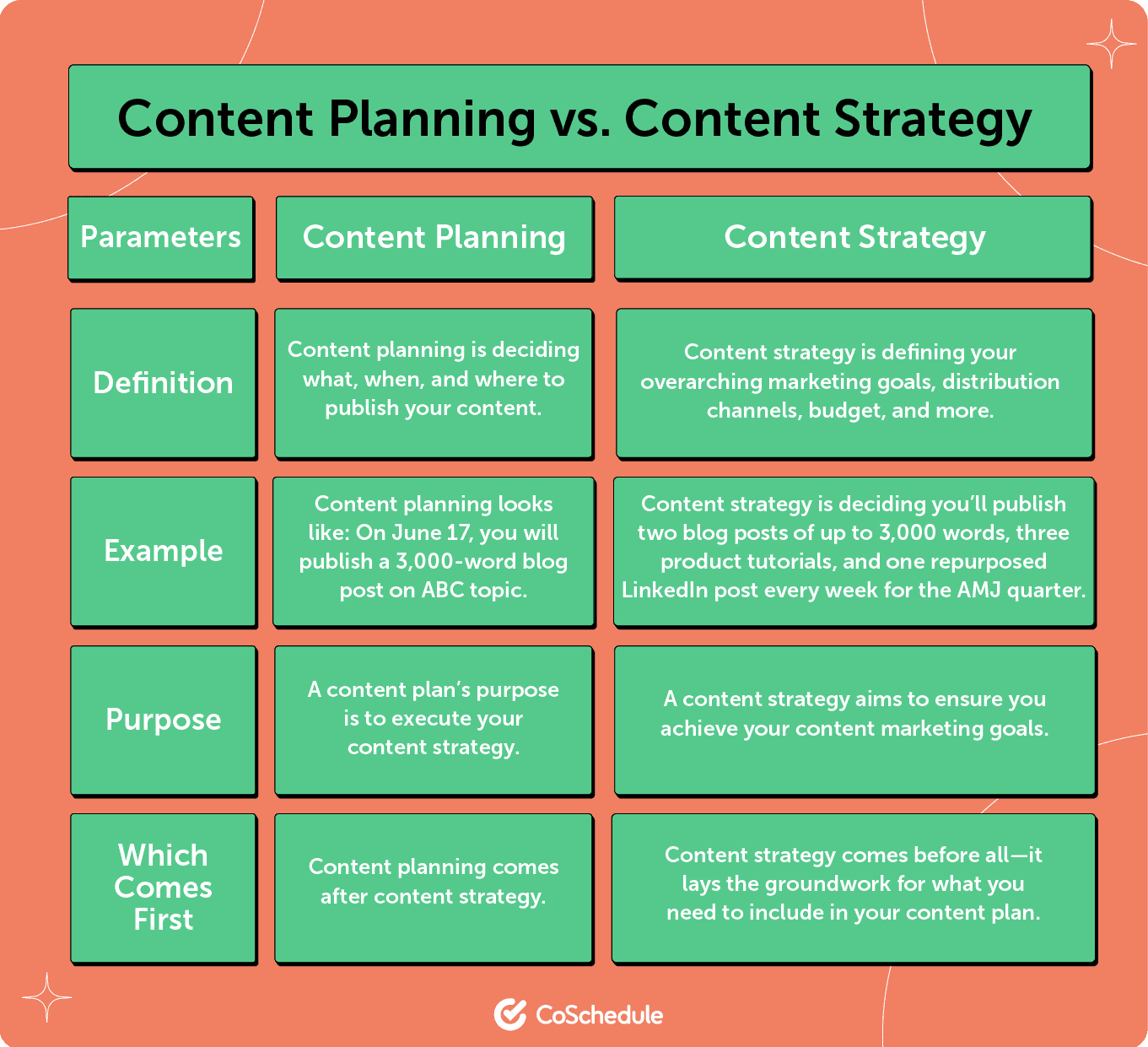
After planning, developers and designers research the market and competitors.
This phase focuses on understanding:
- user behavior
- industry trends
- competitor websites
Research helps teams develop a strategy that improves user experience and website performance.
Stage 3: Website Design and Wireframing
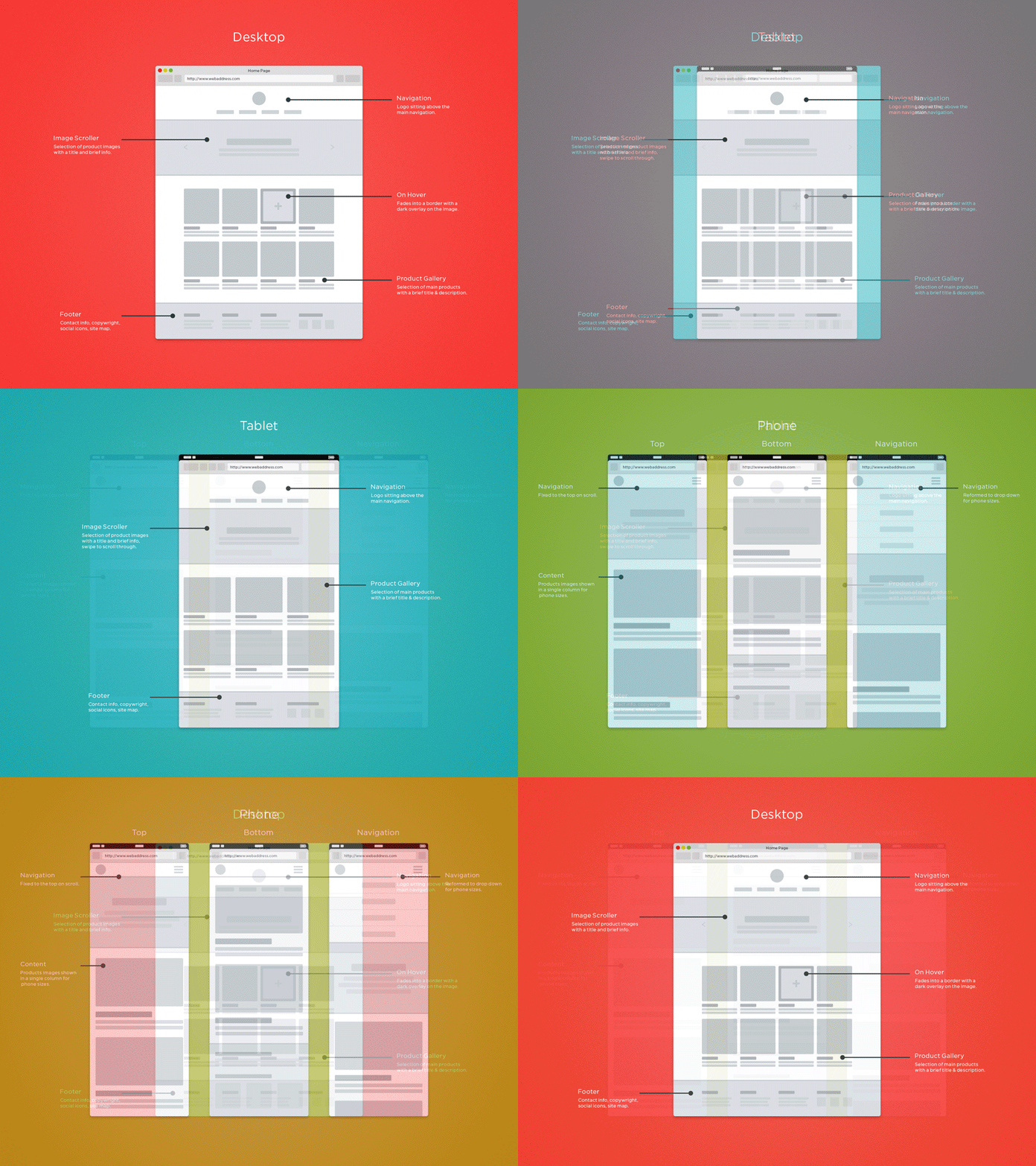
Wireframing is the stage where designers create the visual layout of the website.
A wireframe is a basic blueprint that shows:
navigation
content placement
visual hierarchy
Design tools such as Figma and Adobe XD are commonly used to create prototypes.
These mockups allow teams to visualize the final website before development begins.
Website Navigation Best Practices: How to Design Clear and Effective Menus
Stage 4: Website Development

Once the design is finalized, the development stage begins.
Developers build the website using programming languages such as:
- HTML
- CSS
- JavaScript
Development usually includes two parts.
Front End Development
Front end developers build the visual elements users interact with.
Back End Development
Back end developers create the systems that power the website behind the scenes.
Platforms like WordPress or Webflow are often used to speed up development.
Stage 5: Testing and Quality Assurance
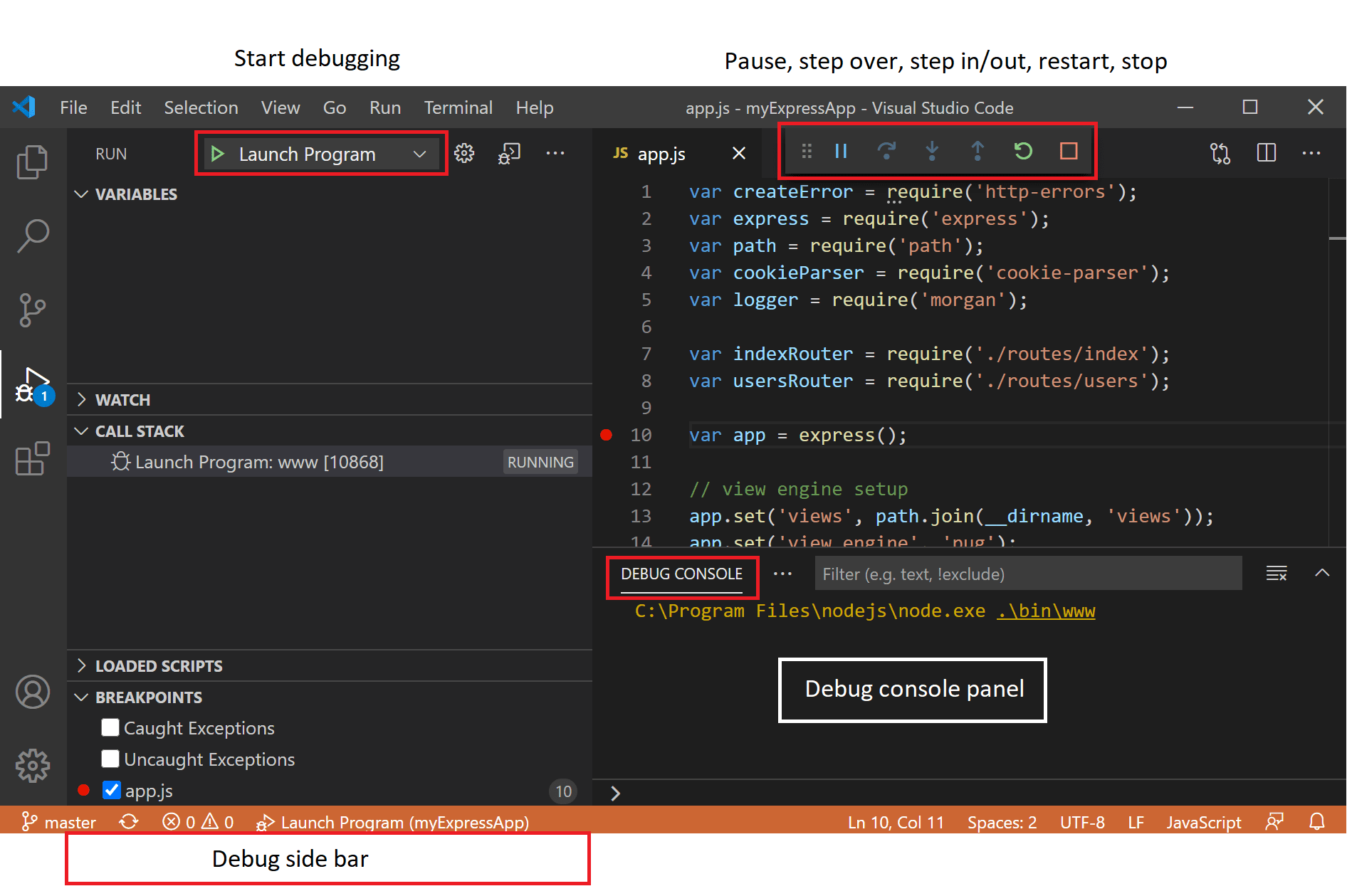
Before a website launches, it must be tested thoroughly.
Testing ensures that the website works correctly across devices and browsers.
Common testing tasks include:
- checking page speed
- fixing broken links
- verifying forms and interactive elements
- testing mobile responsiveness
Quality assurance is essential for delivering a reliable website.
Stage 6: Website Launch

After testing is complete, the website is ready to go live.
During launch, developers:
enable security settings
upload files to hosting servers
configure domains
Hosting platforms like Amazon Web Services often support modern websites.
Once launched, the site becomes accessible to users worldwide.
Stage 7: Maintenance and Updates
A website’s lifecycle does not end after launch.
Websites require ongoing maintenance to stay secure and functional.
Maintenance tasks include:
- updating software
- fixing bugs
- improving performance
- adding new features
Regular updates help websites remain competitive and secure.
Web Development Workflow in Modern Teams

Modern development teams often follow agile workflows.
Agile development breaks projects into smaller tasks that can be completed quickly.
Common workflow methods include:

- Scrum development
- Kanban project management
- iterative development cycles
These workflows help teams adapt quickly and deliver improvements faster.
Web Development Project Management Tips
Managing web development projects effectively is critical.
Here are several helpful strategies.
Set Clear Goals
Define the purpose and expected outcome of the website.
Use Project Management Tools
Tools like Trello or Asana help teams organize tasks.
Communicate Frequently
Regular communication prevents misunderstandings between developers, designers, and stakeholders.
Track Progress
Monitoring milestones ensures the project stays on schedule.
Common Challenges in Web Development Projects
Even experienced teams encounter challenges during development.
Common issues include:
unclear project requirements
design changes during development
performance problems
security vulnerabilities
Following a structured development process helps minimize these risks.
Future Trends in Web Development
The web development industry continues to evolve.
Some emerging trends include:
- artificial intelligence powered websites
- progressive web apps
- serverless architecture
- no code development platforms
Tools like Webflow are making website creation more accessible than ever.
These innovations are shaping the future of the web development process.
Conclusion
The web development process is the foundation of every successful website.
By following a structured website development lifecycle, teams can plan projects effectively, build high quality websites, and deliver better user experiences.
From planning and design to testing and maintenance, each stage plays an important role in creating a functional and engaging website.
Understanding this process allows businesses and developers to collaborate efficiently and bring their digital ideas to life.


Related Articles
- A Simple Breakdown Web Development Resource Process Subpage: How the Whole Build Works
- Comcast Business: 11 Powerful Benefits Every Business Should Know (2026 Guide)
- Responsive Web Design: How to Build Mobile Friendly Websites
- Frontend Coding Basics For New Developers
Latest Articles