Trump War and Economic Fear at Home
The keyword trump war has sparked strong reactions across the country. Many Americans are asking a serious question:
👉 How could a war—especially one affecting oil routes like the Strait of Hormuz—impact everyday life and small businesses?
The concern is simple. When global conflict disrupts oil supply, it doesn’t stay overseas. It hits:
- Gas prices
- Food costs
- Shipping
- Jobs

And for small business owners, that can mean years of hard work put at risk.
Small Businesses Face Huge Challenges Under Trump-Era Policies
1. Why the Strait of Hormuz Matters So Much

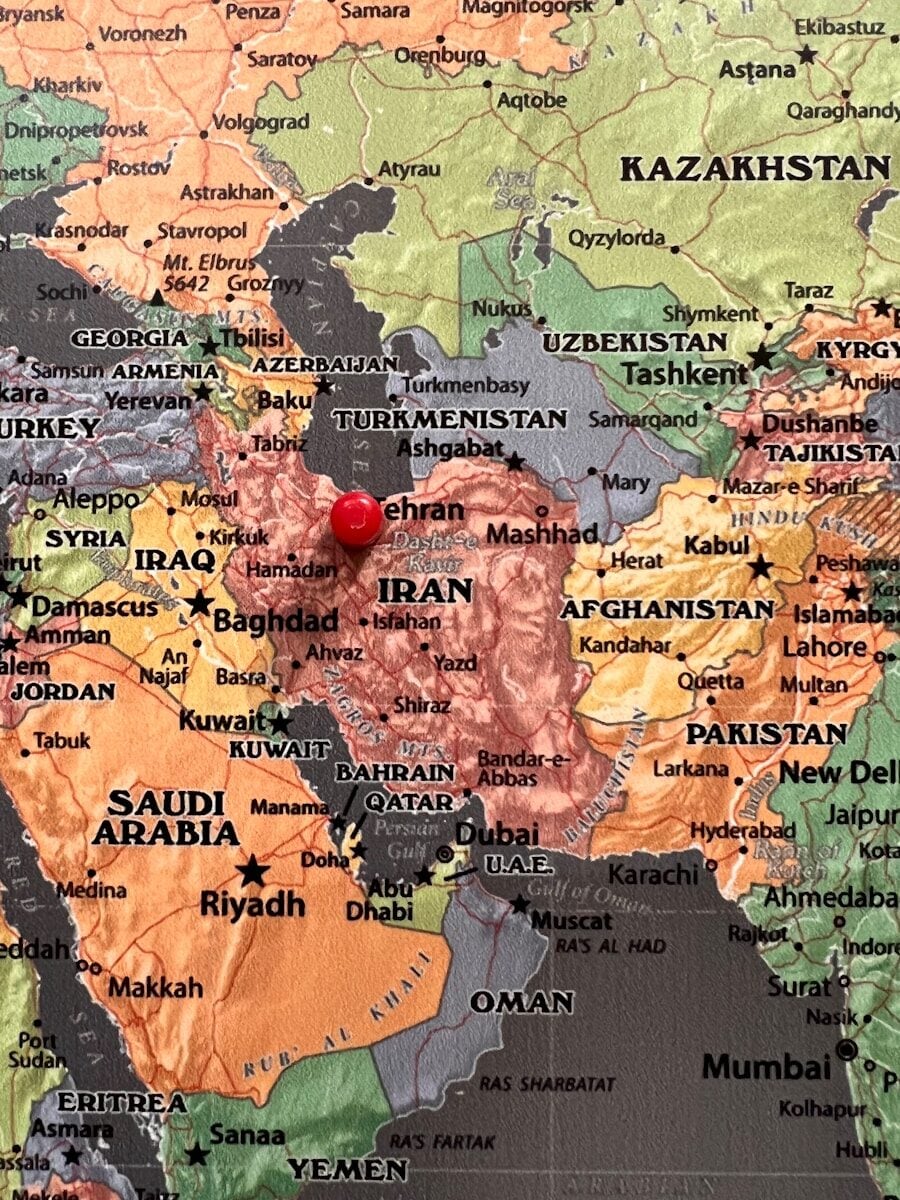
The Strait of Hormuz is one of the most important oil routes in the world.
- About 20% of global oil passes through it
- It connects major oil producers to the world
- Any disruption can shock global markets
If conflict leads to closure or disruption:
- Oil supply drops
- Prices spike fast
- Global economies react immediately
2. Oil Prices Surge and Hit Every American

When oil prices rise, everything becomes more expensive.
This includes:
- Gas at the pump
- Groceries
- Utilities
- Shipping costs
For everyday Americans, that means:
- Less money in their pocket
- Harder choices about spending
For businesses, it means shrinking margins and rising pressure.
3. Small Businesses Take the Hardest Hit

Small businesses operate on tight budgets.
Unlike big corporations, they:
- Can’t absorb big cost increases
- Have fewer financial reserves
- Depend on steady customer flow
So when costs rise:
- Profit disappears
- Prices must increase
- Customers may stop buying
👉 This creates a dangerous cycle: higher costs + fewer customers = business decline.
4. Years of Work Can Be Lost Quickly
Many business owners spend years building:
- Their brand
- Their customer base
- Their reputation
It takes:
- Long hours
- Financial risk
- Personal sacrifice
But economic shocks—like war-driven oil spikes—can undo that quickly.
A sudden rise in costs or drop in customers can:
- Force layoffs
- Cause closures
- Destroy livelihoods
5. Impact on Farmers and the Working Class

Farmers and working-class Americans are especially vulnerable.
They rely heavily on:
- Fuel (tractors, transport)
- Supplies (fertilizer, equipment)
When oil rises:
- Farming costs increase
- Food prices go up
- Profit margins shrink
Working families then face:
- Higher living costs
- Less disposable income
- Increased financial stress
6. Economic Uncertainty Slows Everything Down

War creates uncertainty.
And uncertainty causes:
- Businesses to stop hiring
- Investors to pull back
- Consumers to spend less
This slows the entire economy.
While not every conflict leads to a depression, history shows:
👉 Oil shocks and war often increase recession risk
7. Different Views on Leadership and Policy

There are strong and different opinions about leadership during times of conflict.
Some people believe:
- Government decisions are worsening economic pressure
- Policy choices are hurting small businesses
Others argue:
- Global conflicts are complex
- Many factors affect oil prices and the economy
👉 The key takeaway is this:
Regardless of political views, war and oil disruptions have real economic consequences.
How Small Businesses Can Protect Themselves
Even during uncertain times, there are steps you can take:
Control What You Can
- Reduce unnecessary expenses
- Monitor cash flow closely
Stay Connected to Customers
- Communicate openly
- Offer flexible options (delivery, online services)
Adapt Quickly
- Adjust pricing carefully
- Explore new revenue streams
Preparation can make the difference between survival and closure.
Frequently Asked Questions (FAQs)
1. How does a war affect oil prices so quickly?
War creates uncertainty around supply. When major oil routes or producers are at risk, markets react immediately. Traders expect shortages, so prices rise—even before actual supply is reduced. This rapid response affects fuel costs almost instantly, which then spreads across the economy.
2. Why are small businesses more vulnerable than large companies?
Small businesses typically operate with lower profit margins and limited reserves. Large corporations may have long-term contracts, diversified supply chains, or access to capital. Small businesses often rely on daily cash flow, so sudden cost increases or revenue drops can hit them much harder.
3. What happens if the Strait of Hormuz is closed?
If the Strait of Hormuz is significantly disrupted, a large portion of global oil supply could be delayed or blocked. This would likely cause a sharp spike in oil prices worldwide, leading to higher fuel costs, inflation, and economic instability across many countries, including the United States.
4. Can rising oil prices really cause a recession?
Yes, historically, major oil price spikes have often been linked to economic slowdowns or recessions. Higher energy costs reduce consumer spending and increase business expenses, which can slow economic growth over time.
5. How would this impact everyday Americans?
People would likely see higher costs for gas, food, utilities, and goods. At the same time, wages may not increase at the same pace. This reduces purchasing power and can lead to tighter budgets for families.
6. What can business owners do right now to prepare?
Business owners can focus on financial planning, reducing costs, diversifying suppliers, and strengthening customer relationships. Being proactive and flexible can help businesses navigate uncertain economic conditions more effectively.
Conclusion: A Moment of Risk and Uncertainty
The conversation around trump war reflects deeper concerns about:
- Economic stability
- Rising costs
- The future of small businesses
While opinions differ on causes and responsibility, the economic risks tied to war and oil disruptions are real.
For small business owners and workers alike, the focus now is clear:
👉 Stay informed, stay prepared, and stay adaptable in uncertain times.

Related Articles
- War Machine: How the Iran War Is Affecting Small Business and Web Design In 2026
- $200 Billion War: How It’s Hurting Small Businesses in America
- How Trump Epstein SEO Cover-Ups Expose the Dirty Secrets of Shady Agencies
Latest Articles