A $200 Billion War with Real Costs at Home
The U.S. government is asking for $200 billion to fund the Iran war. (AP News)
That’s a huge number. But what does it really mean for everyday people—and especially small businesses?
While the war is happening far away, the effects are being felt right here in America. Small businesses are dealing with higher costs, fewer customers, and more uncertainty.
Let’s break it down in simple terms.
1. Rising Gas Prices Are Crushing Small Business Budgets

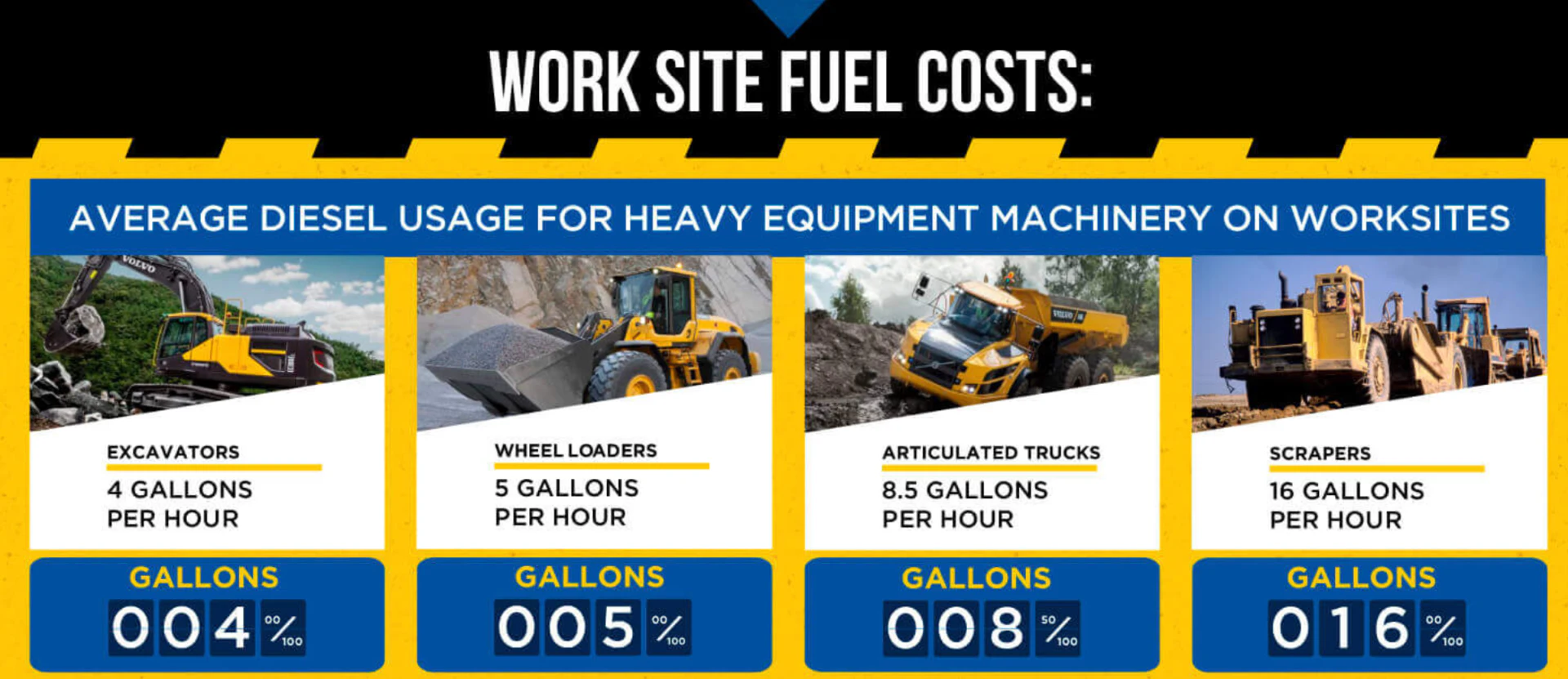
One of the biggest impacts is fuel costs.
Because of the war:
- Oil supply is disrupted
- Prices are going up fast
- Gas and diesel are more expensive
Gas prices in the U.S. have already jumped close to $4 per gallon, with warnings they could go much higher. (New York Post)
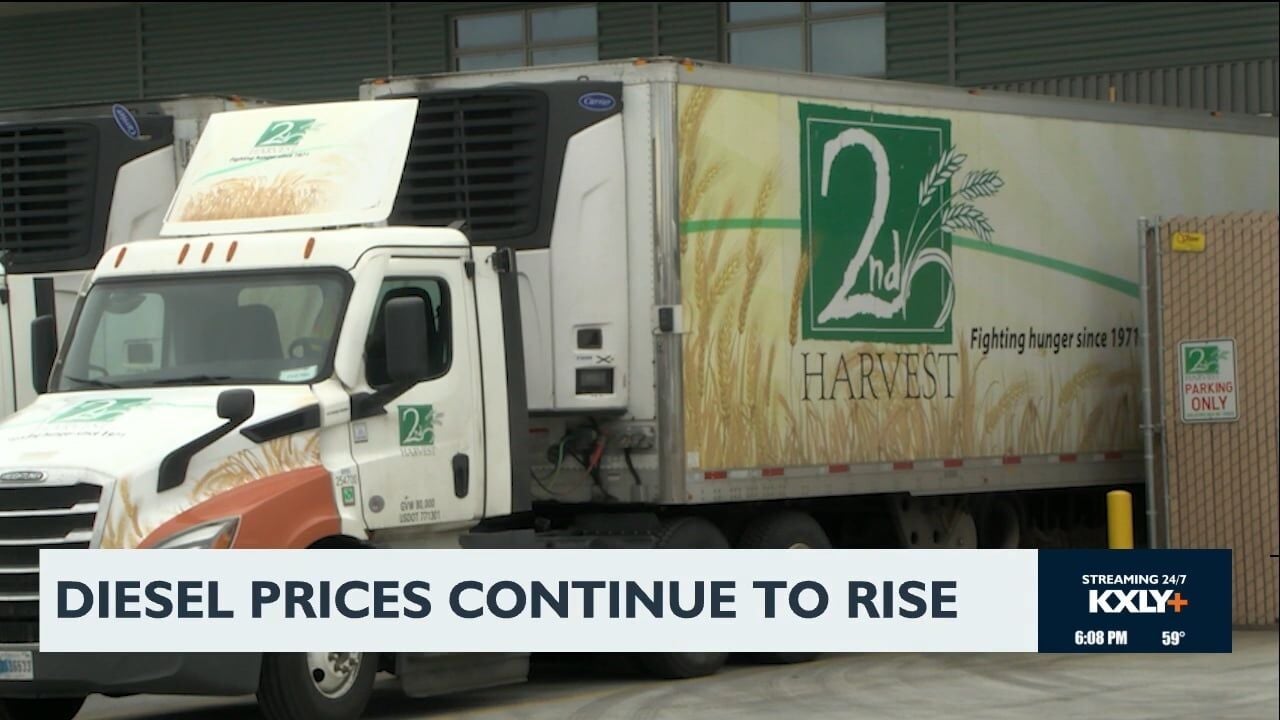
For small businesses, this is a big problem.
They rely on fuel for:
- Deliveries
- Travel
- Shipping goods
Higher fuel costs = lower profits.
2. Everything Costs More (Not Just Gas)
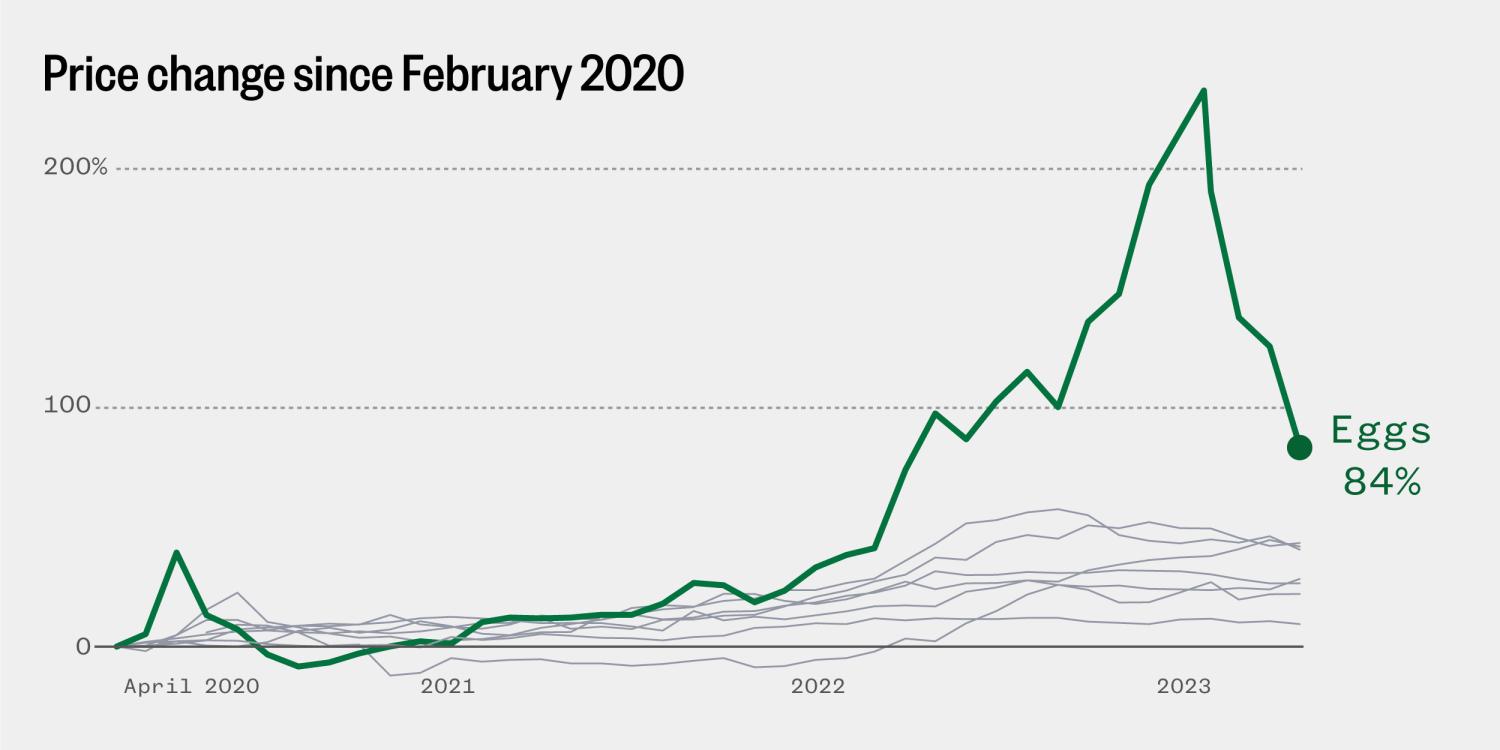
When fuel goes up, everything else follows.
Experts say the war is making:
- Food more expensive
- Supplies harder to afford
- Transportation costs rise
Even groceries and basic goods are increasing because they depend on shipping. (Houston Chronicle)
Small businesses now have to pay more just to operate.
3. Customers Are Spending Less Money
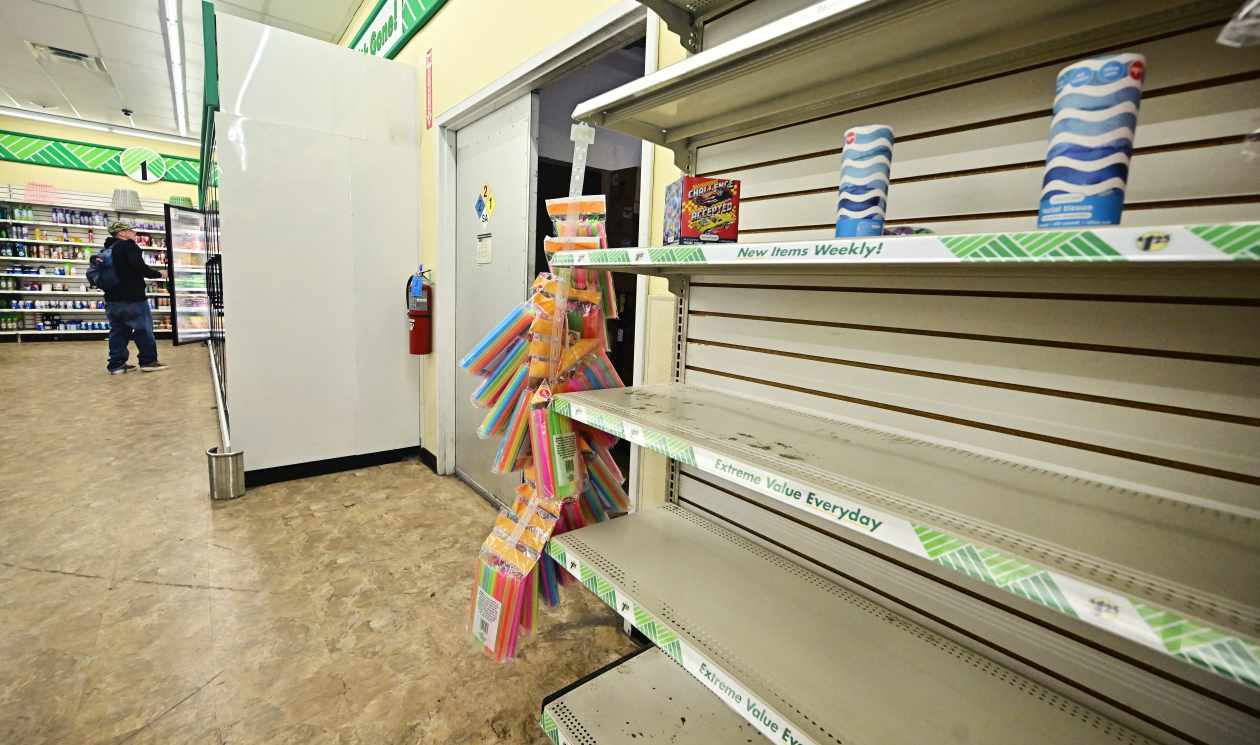
When prices go up, people get careful with money.
They:
- Cut back on shopping
- Avoid eating out
- Delay purchases
This means fewer sales for small businesses.
So now businesses face:
- Higher costs
- Lower income
That’s a tough combination.
4. Small Businesses Are Delaying Growth
Many small business owners are hitting pause.
Reports show they are:
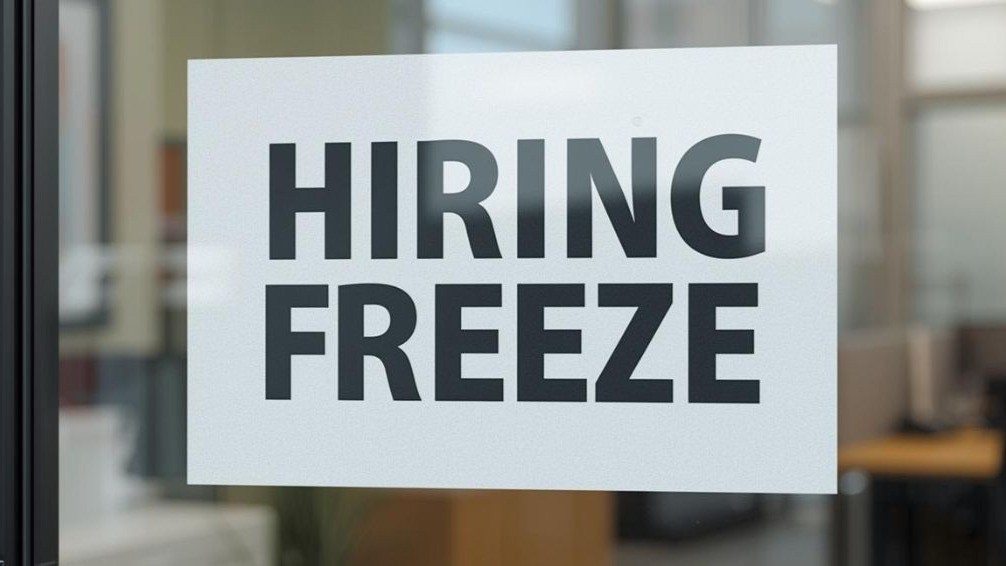
- Delaying hiring
- Canceling expansion plans
- Holding back on raises
Over half of small business owners say the economy feels worse than last year. (The Washington Post)
The uncertainty from the war is making it hard to plan for the future.
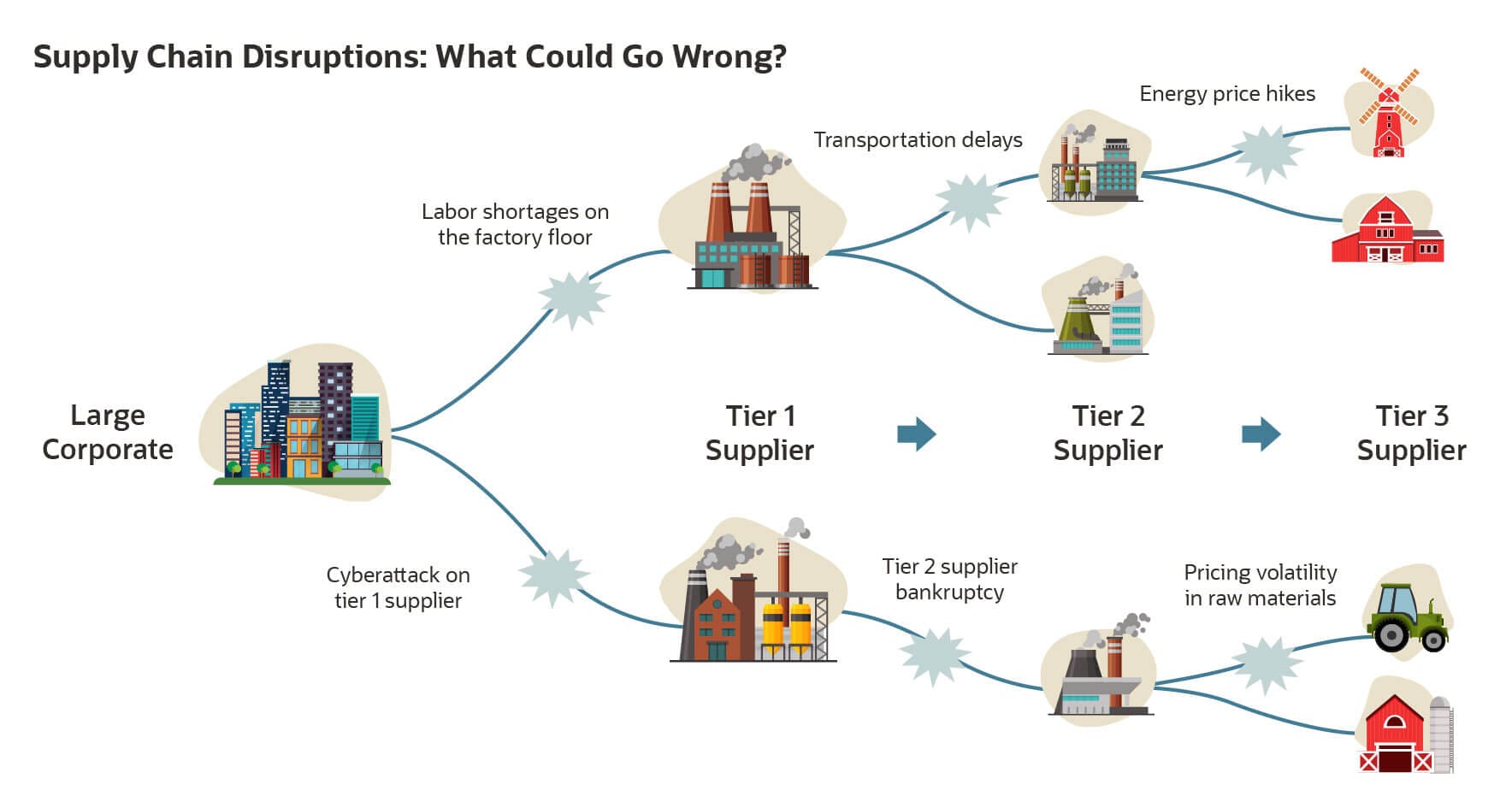
5. Supply Chains Are Breaking Again

The war has affected a major shipping route called the Strait of Hormuz.
This route handles about 20% of the world’s oil supply. (Wikipedia)
When it slows down:
- Shipping delays happen
- Products arrive late
- Costs increase
Small businesses often don’t have backup suppliers, so they get hit the hardest.
6. Farming and Food Businesses Are Under Pressure

Farmers are also feeling the impact.
Fertilizer prices have nearly doubled due to supply issues tied to the war. (The Guardian)
That leads to:
- Higher food prices
- Lower crop production
- More stress on rural businesses
And when farmers struggle, it affects restaurants, grocery stores, and more.
7. Government Spending May Shift Away from Small Business Support
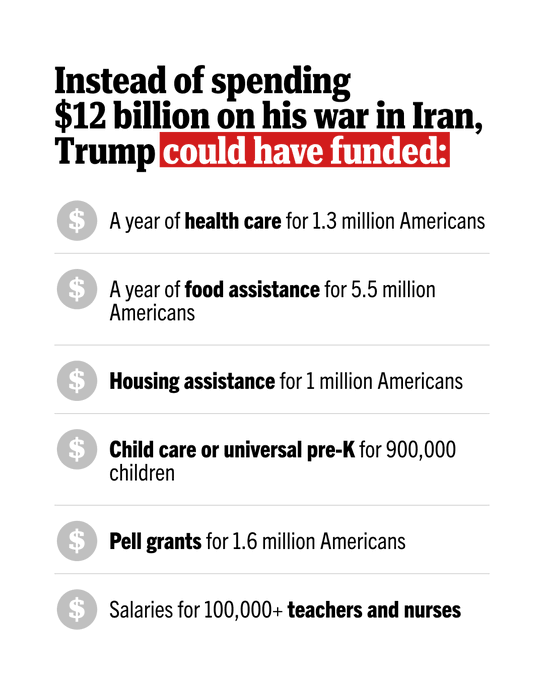
A $200 billion war means a lot of government money is going overseas.
Some leaders argue that money could instead be used for:
- Small business support
- Healthcare
- Infrastructure
Critics say the cost is “unsustainable” and could take resources away from helping Americans. (Reuters)
Frequently Asked Questions (FAQs)
1. Why does the Iran war affect small businesses in the U.S.?
Because it raises fuel costs, disrupts supply chains, and increases prices across the economy.
2. How much is the Iran war costing the U.S.?
The government has requested around $200 billion in funding.
3. Why are gas prices rising?
The war is disrupting oil supply, which pushes prices higher.
4. Are small businesses the hardest hit?
Yes, because they have smaller budgets and fewer resources than big companies.
5. Will prices keep going up?
Experts warn prices could continue rising if the conflict continues.
6. Can small businesses recover from this?
Yes, but it depends on how long the economic pressure lasts.
Conclusion: A Global War, A Local Impact
The $200 billion Iran war is not just a global issue—it’s a local one.
Small businesses across America are:
- Paying more for fuel and supplies
- Seeing fewer customers
- Struggling to grow
Even though the conflict is far away, its effects are hitting close to home.
And for many small businesses, the question is simple:
How long can they keep going like this?
Related Articles
- What Percentage Of The American Job Market is Made Up of Small Business
- US Buys Intel: Trump’s Power Grab and the Slow Death of Free Speech
- CRM Consultant vs. CRM Software: Get More Leads, Results
- Do Small Businesses Need Insurance? Here’s the Truth (Simple Guide)
- Why Donald Trumps Economy Green Cards and Small Business Loans Matter Right Now
Latest Articles