Iran War Oil Prices Are Hitting Small Businesses Hard
The keyword iran war oil prices is no longer just a global headline—it’s something small business owners in America are feeling every single day.
As the war continues, oil prices have surged past $100 per barrel, and experts warn they could climb even higher. (New York Post)
That increase doesn’t stay at the gas pump—it spreads across the entire economy. From shipping to groceries to rent, everything gets more expensive.
For small businesses, this creates a perfect storm:
- Costs go up
- Customers spend less
- Growth slows down
Let’s break down exactly how this is happening.
1. Fuel Costs Are Eating Away Profits
Fuel is one of the biggest expenses for many small businesses.
Because of iran war oil prices:
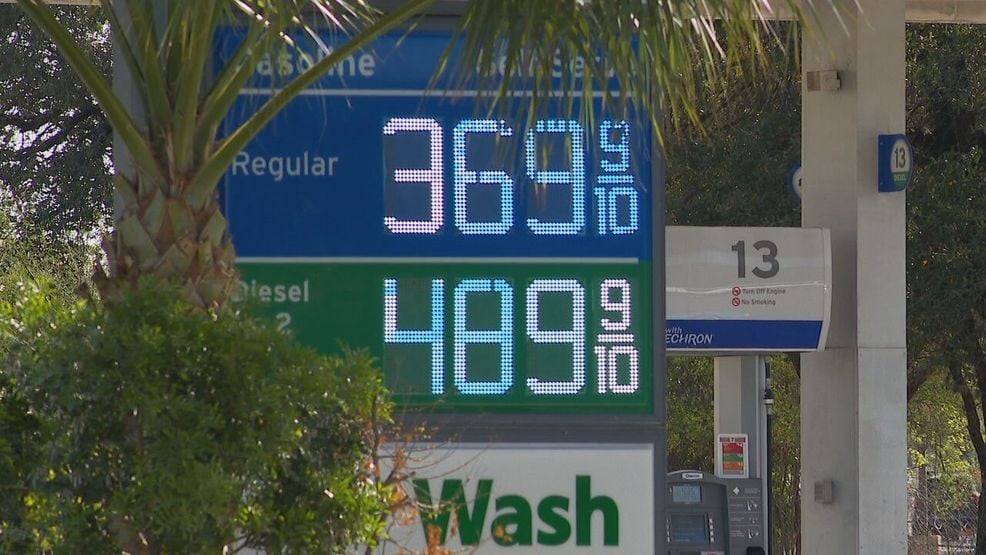
- Gas prices jumped close to $4 per gallon (New York Post)
- Diesel costs are rising even faster
- Delivery and travel expenses are increasing
Shipping alone can make up 50–60% of total transport costs, so even small oil increases hit hard. (PBS)
👉 For small businesses, that means smaller profit margins or higher prices for customers.
2. Everything Becomes More Expensive (Inflation Spike)

Oil is used in almost everything:
- Transportation
- Manufacturing
- Farming
So when oil rises, prices rise everywhere.
Economists warn the war is:
- Driving inflation higher
- Increasing grocery bills
- Raising utility and supply costs (Center for American Progress)

Even a small increase in oil can push inflation higher across the board. (The Wall Street Journal)
Small businesses are forced to choose:
- Raise prices and risk losing customers
- Or absorb costs and lose profit
3. Customers Are Pulling Back Spending

When gas and food cost more, people have less money to spend.
This leads to:
- Fewer shopping trips
- Less dining out
- Delayed purchases
Economists say rising oil prices reduce consumer buying power, which slows the economy. (Wikipedia)
👉 For small businesses, that means fewer sales and lower revenue.
4. Supply Chains Are Breaking Down Again

The war has disrupted the Strait of Hormuz, a key route for global oil.
About 20% of the world’s oil flows through this area, so any disruption creates global problems. (Wikipedia)
This leads to:
- Shipping delays
- Higher transportation costs
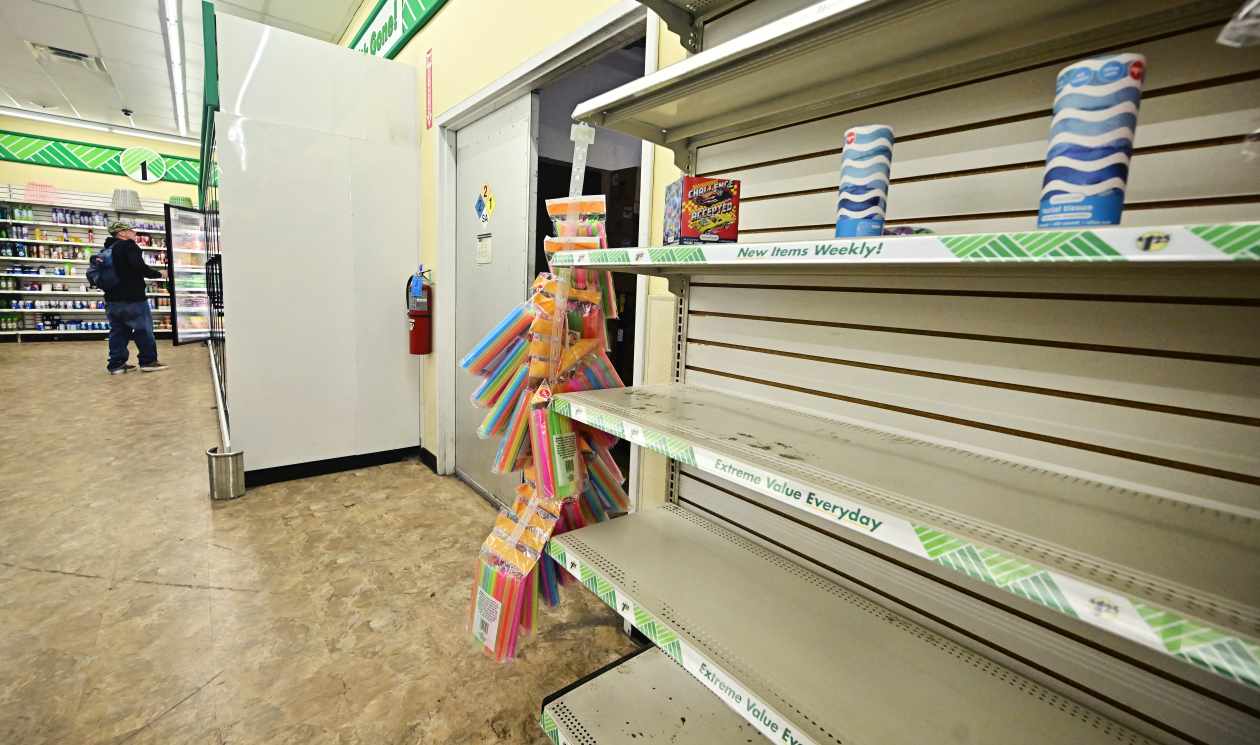
- Inventory shortages
Small businesses, which often rely on limited suppliers, get hit the hardest.
5. Economic Slowdown and Recession Risk
Many experts are warning that iran war oil prices could push the U.S. toward a recession.
- Oil spikes have historically led to economic downturns (Business Insider)
- Growth may slow due to rising costs and lower demand (ABC News)
- Inflation could stay high for longer
Some economists say if oil stays high long enough, recession risks rise sharply. (New York Post)
👉 While not guaranteed, the risk is real—and small businesses are usually hit first.
6. Hiring Freezes and Business Cutbacks

With rising costs and uncertainty, many small businesses are:
- Freezing hiring
- Cutting hours
- Delaying expansion
Economic uncertainty reduces confidence, which leads to less investment and hiring. (Wikipedia)
This slows down job growth and hurts local economies.
7. Long-Term Pressure on American Small Businesses

If high oil prices continue, the long-term impact could be serious.
Small businesses may face:
- Permanent closures
- Reduced growth
- Lower investment
Economists warn that prolonged energy shocks can damage the broader economy and reduce demand. (Investopedia)
A Note on Political Claims
There are strong opinions about leadership and policy during times like this. Some people blame political decisions for rising costs, while others point to global factors like supply disruptions and conflict.
What’s clear from economic data is this:
👉 Rising oil prices from war are a major driver of higher costs and economic pressure—regardless of political views.
Frequently Asked Questions (FAQs)
1. Why are iran war oil prices affecting small businesses so much?
Oil is a key cost in almost every part of business—transportation, production, and energy. When oil prices rise, those costs increase across the board. Small businesses have smaller budgets, so they feel these changes more quickly than large corporations. Even a small increase in fuel prices can cut into profits or force price increases, which may drive customers away.
2. Will rising oil prices lead to a recession?
It’s possible, but not certain. Historically, many major oil shocks have led to economic slowdowns or recessions. Experts say if oil prices stay high for a long time, it can reduce spending, slow growth, and increase unemployment. Right now, economists are warning about increased risk—not a guaranteed outcome.
3. How do higher oil prices affect everyday customers?
Higher oil prices raise the cost of:
- Gasoline
- Food (due to transportation)
- Goods and services
When people spend more on essentials, they cut back on extras. That directly affects small businesses like restaurants, retail shops, and service providers.
4. Why are supply chains affected by the iran war oil prices situation?
The conflict has disrupted major shipping routes like the Strait of Hormuz, which handles a large portion of global oil supply. When shipping slows down or becomes more expensive, goods take longer to arrive and cost more. Small businesses often rely on steady supply chains, so disruptions hit them harder.
5. Is this the start of a major economic downturn?
There are warning signs, such as rising inflation, high energy costs, and slowing consumer spending. However, the economy is complex, and many factors determine whether a downturn becomes a full recession or depression. Experts are cautious but not certain about long-term outcomes.
6. What can small businesses do to survive rising oil prices?
Small businesses can:
- Cut unnecessary costs
- Adjust pricing carefully
- Offer delivery or digital services
- Build stronger customer relationships
Adapting quickly can help businesses stay stable even during economic pressure.
Conclusion: A Tough Road Ahead for Small Businesses
The reality of iran war oil prices is simple:
👉 Higher oil = higher costs = lower spending
Small businesses are caught in the middle.
While the future is uncertain, one thing is clear—economic pressure is rising, and small businesses must stay flexible, informed, and ready to adapt.
Related Articles
- $200 Billion War: How It’s Hurting Small Businesses in America
- War Machine: How the Iran War Is Affecting Small Business and Web Design In 2026
- Testing and Debugging Software That Web Developers Use for Reliable Websites
- Comcast Business: 11 Powerful Benefits Every Business Should Know (2026 Guide)
- New Rising Fuel Fees and New Tariffs Put Pressure on Small Businesses
Latest Articles