
Behind every fast, secure, and scalable website is a powerful server-side system. While users interact with the front end, all data processing, authentication, logic, and performance optimization happen behind the scenes—powered by back-end software that web developers use.
This article explores the most important back-end software that web developers use, how it fits into a modern development workflow, and why choosing the right server-side development tools is critical for building scalable, production-ready web applications.
🔗 Internal Link to Pillar Page:
For a complete overview of the entire ecosystem of software that web developers use—including front-end, testing, deployment, and SEO—visit the main pillar guide.
What Is Back-End Software in Web Development?
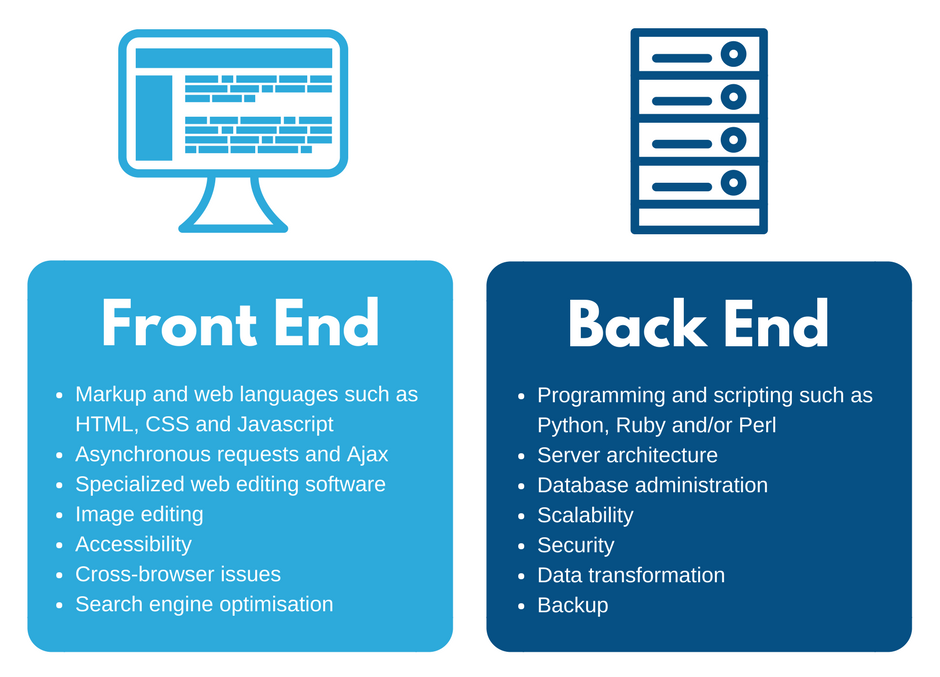
Back-end software refers to the tools, frameworks, and platforms that handle everything users don’t see. This includes databases, APIs, authentication systems, server logic, and infrastructure.
In simple terms, back-end software that web developers use is responsible for:
- Processing user requests
- Managing databases and data flow
- Handling authentication and authorization
- Integrating third-party services
- Ensuring performance, security, and scalability
Without reliable back-end software that web developers use, modern websites and applications cannot function properly.
Why Back-End Software Is Critical for Scalability
Scalability is one of the biggest challenges in web development. As traffic grows, applications must handle more users, more data, and more requests—without slowing down or failing.
Back-end software that web developers use helps to:
- Distribute workloads efficiently
- Optimize database queries
- Secure sensitive user data
- Support APIs and microservices
- Enable cloud-based scaling
Choosing the right back-end software that web developers use early in a project prevents performance bottlenecks and costly rewrites later.

Core Categories of Back-End Software That Web Developers Use
1. Server-Side Programming Languages & Runtimes
At the core of all server-side systems are programming languages and runtimes. This category of back-end software that web developers use executes application logic and processes requests.
Why this matters:
The language and runtime affect performance, scalability, and long-term maintainability.

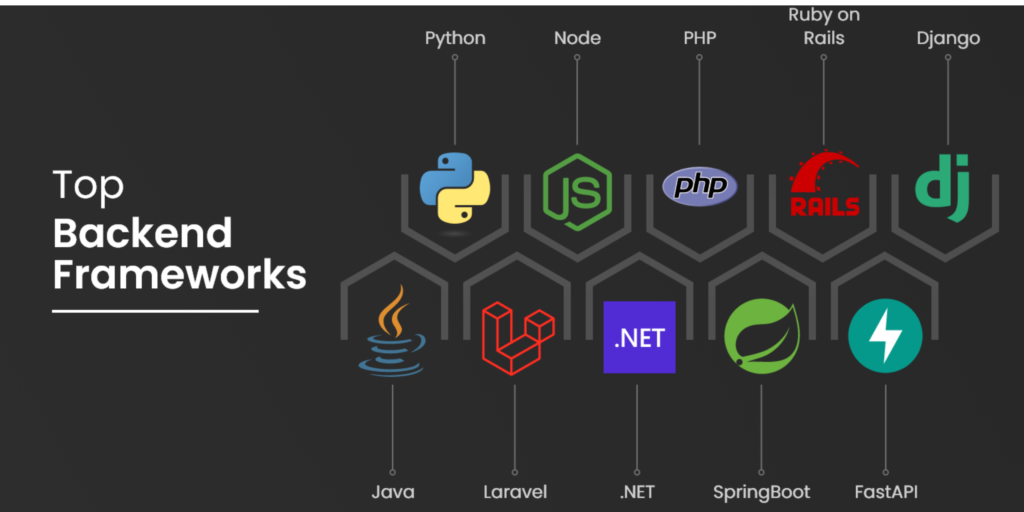
2. Back-End Frameworks
Frameworks provide structure, conventions, and built-in features that accelerate development. Many developers rely on frameworks as foundational back-end software that web developers use.
Key benefits:
- Faster development with reusable patterns
- Built-in security features
- Easier API creation and routing
- Cleaner, more maintainable codebases
Framework-based back-end software that web developers use is especially common in large-scale and enterprise applications.
3. API Development Software
Modern applications rely heavily on APIs. Back-end software that web developers use for API development allows front-end apps, mobile apps, and third-party services to communicate with the server.
Why APIs are essential:
- Enable decoupled front-end and back-end systems
- Support mobile and multi-platform applications
- Improve scalability and maintainability
API-focused server-side development tools are a core part of today’s back-end stack.

4. Database Management Software
Data storage is central to any application. Back-end software that web developers use for database management ensures fast data access, integrity, and scalability.
Common database responsibilities include:
- Storing user data
- Managing transactions
- Supporting complex queries
- Ensuring backups and recovery
Choosing the right database-focused back-end software that web developers use directly impacts performance and reliability.

5. Authentication and Security Software
Security is non-negotiable. Many developers rely on specialized back-end software that web developers use to manage authentication, authorization, and data protection.
Security-focused software helps:
- Protect user credentials
- Enforce access control
- Prevent common vulnerabilities
- Meet compliance requirements
Secure back-end software that web developers use builds trust and reduces risk.

6. Cloud and Infrastructure Software
Modern back-end systems often run in the cloud. Back-end software that web developers use for infrastructure handles hosting, scaling, and availability.
Why infrastructure software matters:
- Supports automatic scaling
- Reduces server management overhead
- Improves uptime and reliability
Cloud-based back-end software that web developers use is essential for high-traffic applications.


Back-End Software That Web Developers Use by Use Case
For Small to Medium Web Applications
- Lightweight frameworks
- Managed databases
- Simplified hosting platforms
For Enterprise & High-Traffic Applications
- Scalable frameworks
- Distributed databases
- Containerized infrastructure
For API-First Development
- REST or GraphQL-focused tools
- Authentication middleware
- API testing platforms
Each category plays a role within the broader ecosystem of software that web developers use.
How Back-End Software Integrates With the Full Stack
Back-end tools do not operate in isolation. They integrate directly with other software that web developers use, including:
- Front-end frameworks
- Version control systems
- Testing and debugging tools
- Deployment and CI/CD platforms
- SEO and analytics tools
Understanding how back-end software that web developers use connects with the rest of the stack leads to more efficient workflows and better system design.
🔗 Internal Link Reminder:
See how back-end tools fit into the complete stack of software that web developers use in the main pillar article.
Ban SEO and Performance Benefits of Modern Back-End Software
Search engines care about performance, stability, and security. The right back-end software that web developers use improves SEO by supporting:
- Faster server response times
- Secure HTTPS connections
- Reliable uptime
- Clean API-driven architectures
Google emphasizes performance and security in its web development best practices.
🔗 External Resource: https://developers.google.com/web/fundamentals
Well-optimized back-end software that web developers use directly contributes to better rankings and user experience.

How to Choose the Right Back-End Software
When selecting back-end software that web developers use, evaluate:
1. Project Requirements
Traffic volume, data complexity, and business logic.
2. Scalability Needs
Will the application grow over time?
3. Team Expertise
Choose tools your team can maintain confidently.
4. Security Requirements
Consider authentication, compliance, and data protection.
Making the right choice early ensures your server-side development tools support long-term success.
Common Back-End Mistakes to Avoid
- Overengineering simple projects
- Ignoring database optimization
- Poor API design
- Neglecting security best practices
- Choosing tools with limited community support
Avoiding these pitfalls keeps your back-end software that web developers use efficient and future-proof.

Conclusion
Strong applications are built on reliable back-end software that web developers use. From frameworks and databases to APIs, security, and cloud infrastructure, these tools handle the logic and data that power modern websites.
When integrated correctly with the broader ecosystem of software that web developers use, back-end tools enable scalability, performance, and long-term stability—making them essential for any serious web development project.
Related Articles
- Google Review Removal Service That Protects Your Reputation and Builds Trust
- Google Review Management Agency That Helps Businesses Build Trust and Get More Customers
- How to Get New Patients in New York With Google Reviews
- How Accepted Insurance Plans Can Strengthen Medical Local SEO
- Brooklyn Nursing Home Marketing in 2026: How to Turn Google Searches Into More Admissions