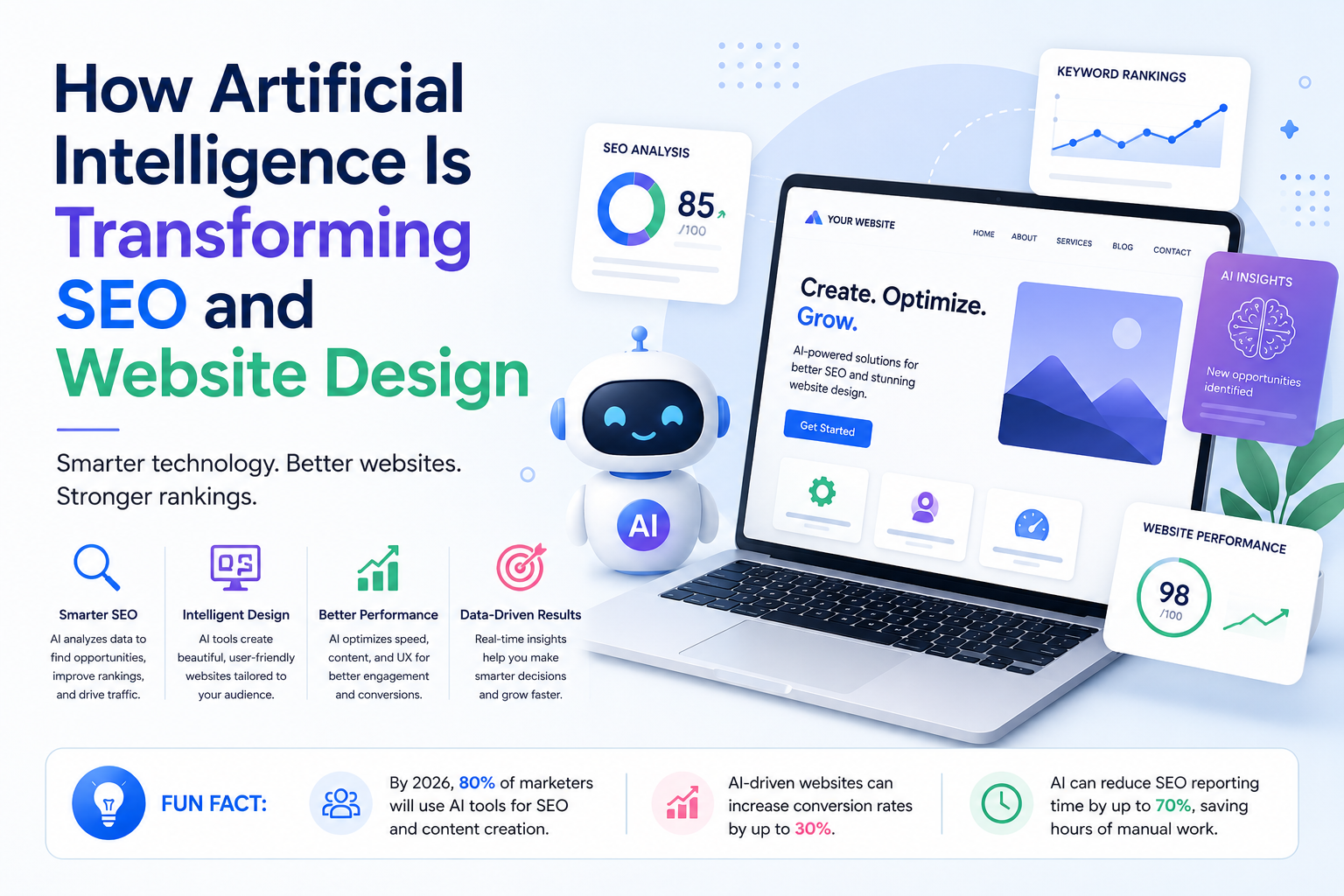
Artificial intelligence is rapidly transforming how businesses build websites, improve SEO performance, and connect with customers online. From AI-powered content creation to personalized website experiences, modern digital marketing strategies increasingly rely on automation and machine learning to improve visibility, engagement, and conversions.
Today, businesses use artificial intelligence to optimize website design, improve Google rankings, automate customer support, analyze search intent, and strengthen local SEO strategy. AI tools can also help businesses manage customer reviews, improve Google Business Profile optimization, and increase visibility in Google Maps results.
In this guide, you’ll learn how artificial intelligence is changing SEO, website design, online reputation management, and local search marketing. You’ll also discover how businesses can use AI responsibly to improve long-term SEO performance and customer engagement in 2026.

What Is Artificial Intelligence in Digital Marketing?
Artificial intelligence in digital marketing refers to software and machine learning systems designed to automate tasks, analyze data, and improve online marketing performance. Businesses now use AI tools to create content, personalize website experiences, automate customer communication, and improve search engine optimization strategies.

AI can analyze user behavior, identify search trends, and help businesses better understand customer intent. This allows marketers to make smarter decisions about content creation, website optimization, and advertising campaigns.
Modern AI tools also help businesses improve local SEO strategy by:
- analyzing local search trends
- optimizing Google Business Profiles
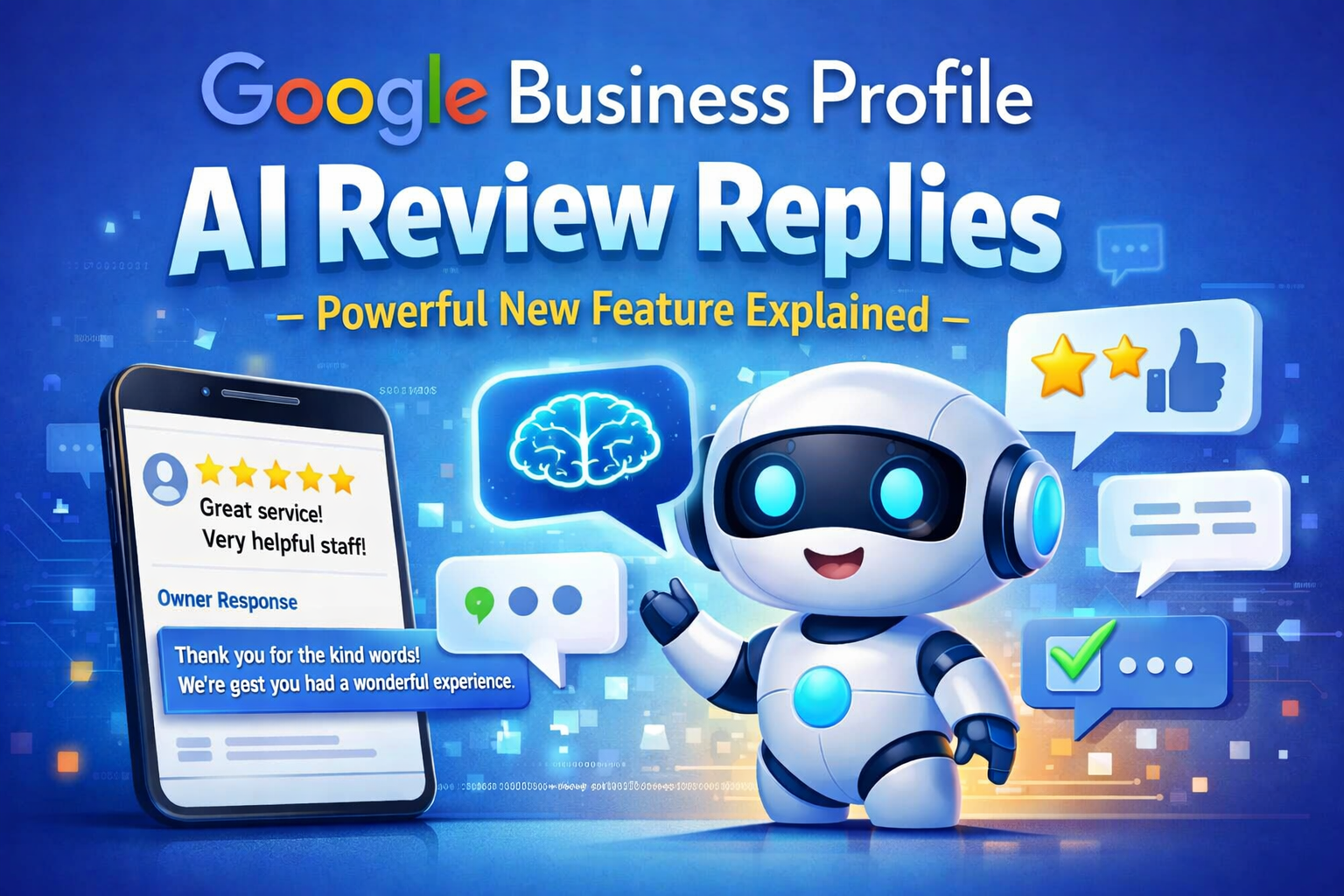
- automating review responses
- improving customer engagement
- identifying ranking opportunities
As AI technology evolves, businesses that combine automation with high-quality SEO practices will likely gain stronger online visibility and better long-term marketing results.

How AI Is Changing Website Design
Artificial intelligence is dramatically changing how websites are designed, optimized, and managed. AI-powered website builders can now generate layouts, improve user experiences, and recommend design improvements automatically based on customer behavior and engagement data.
AI Website Builders
Modern AI website builders help businesses create websites faster by automatically generating layouts, content suggestions, and SEO recommendations. These platforms reduce development time while helping improve usability and mobile responsiveness.

Personalized User Experiences
AI allows websites to personalize content based on user behavior, location, and browsing history. Personalized experiences can improve engagement, reduce bounce rates, and increase conversion opportunities for businesses targeting local customers.
AI Chatbots and Customer Support
AI chatbots help businesses provide instant customer support, answer frequently asked questions, and improve lead generation. Many local businesses now use AI-powered chat systems to improve customer communication and increase conversion rates.

How AI Is Changing SEO
Artificial intelligence is reshaping modern SEO by helping businesses analyze data, optimize content, and better understand how users search online. AI-powered SEO tools can improve keyword research, automate optimization tasks, and identify opportunities to strengthen organic search visibility.
AI Content Creation
AI writing tools help businesses create blog posts, service pages, FAQs, and metadata more efficiently. While AI-generated content can improve productivity, businesses should still prioritize originality, expertise, and human editing to maintain strong SEO performance.
Search Intent Analysis
Search engines increasingly use artificial intelligence to understand user intent and deliver more relevant search results. AI systems analyze search behavior, context, and engagement signals to improve ranking accuracy.
Keyword Research Automation
AI-powered SEO tools can identify trending keywords, competitor gaps, and local SEO opportunities faster than traditional manual research methods. This helps businesses create more targeted content strategies.
AI and Google Search Algorithms
Google uses machine learning systems like RankBrain and AI-powered search features to better understand content relevance, authority, and search intent. Businesses that prioritize quality content and strong user experiences are more likely to improve long-term Google rankings.
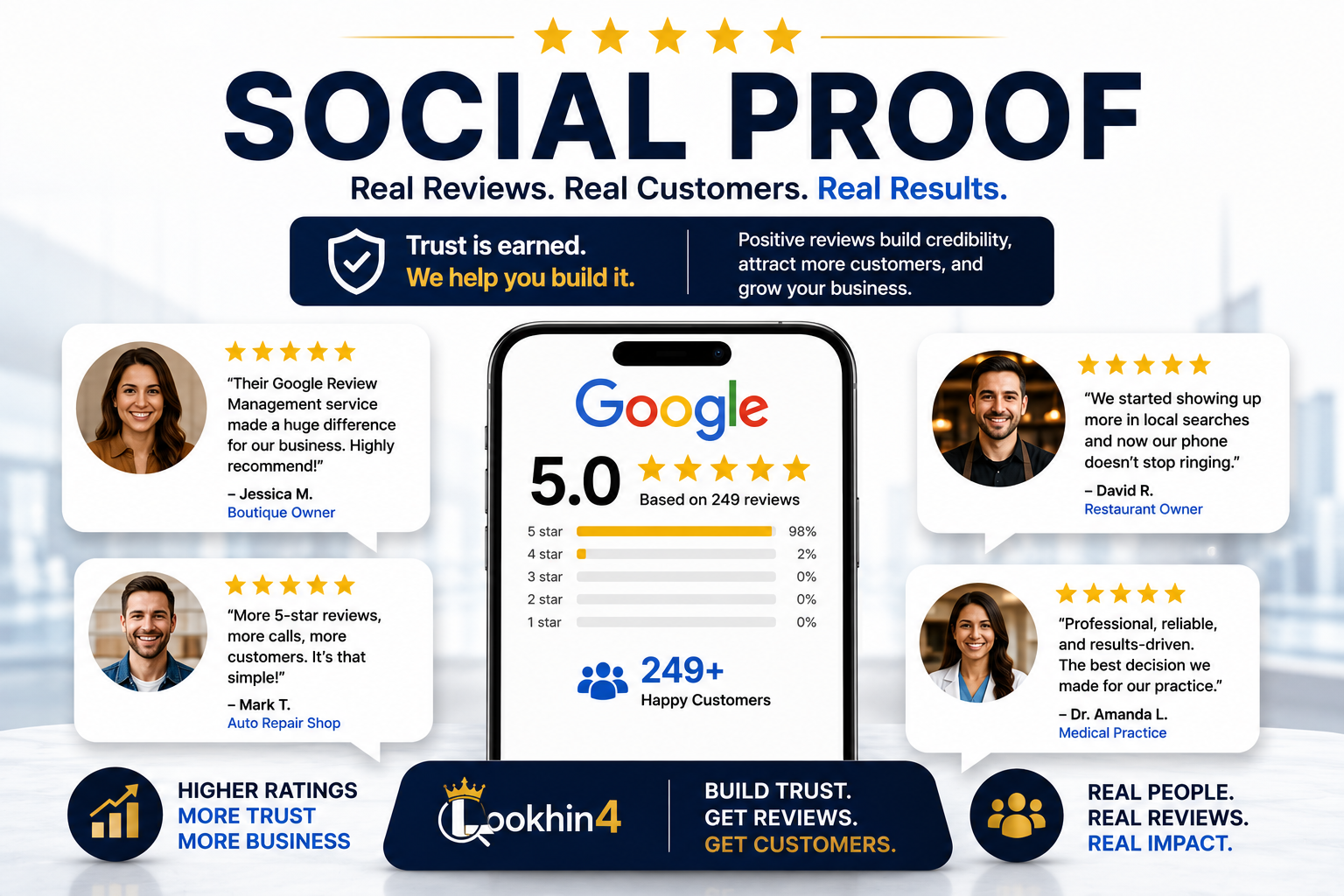
How AI Improves Google Review Management
Artificial intelligence is becoming increasingly valuable for businesses managing online reviews and customer reputation. AI-powered tools can monitor reviews, analyze customer sentiment, and help businesses respond to feedback more efficiently.
AI review management systems can:
- identify negative review trends
- automate response suggestions
- improve customer engagement
- monitor multiple review platforms
- strengthen online reputation management
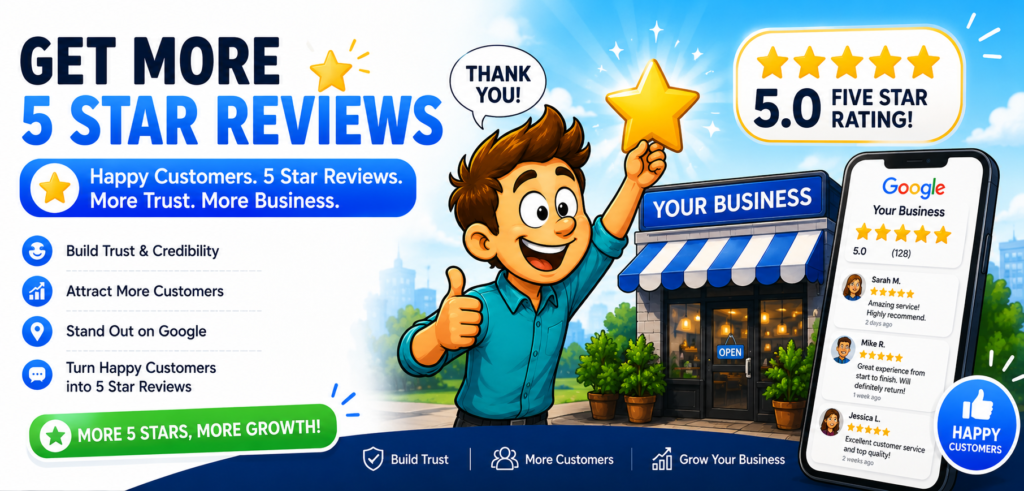
Businesses using AI-powered review management often improve customer trust, review response rates, and local SEO performance more consistently.
A strong Google review strategy can also improve:
- Google Maps rankings
- click-through rates
- customer trust
- local search visibility
Combining AI automation with human customer support helps businesses maintain authentic engagement while improving operational efficiency.


AI and Local SEO Strategy
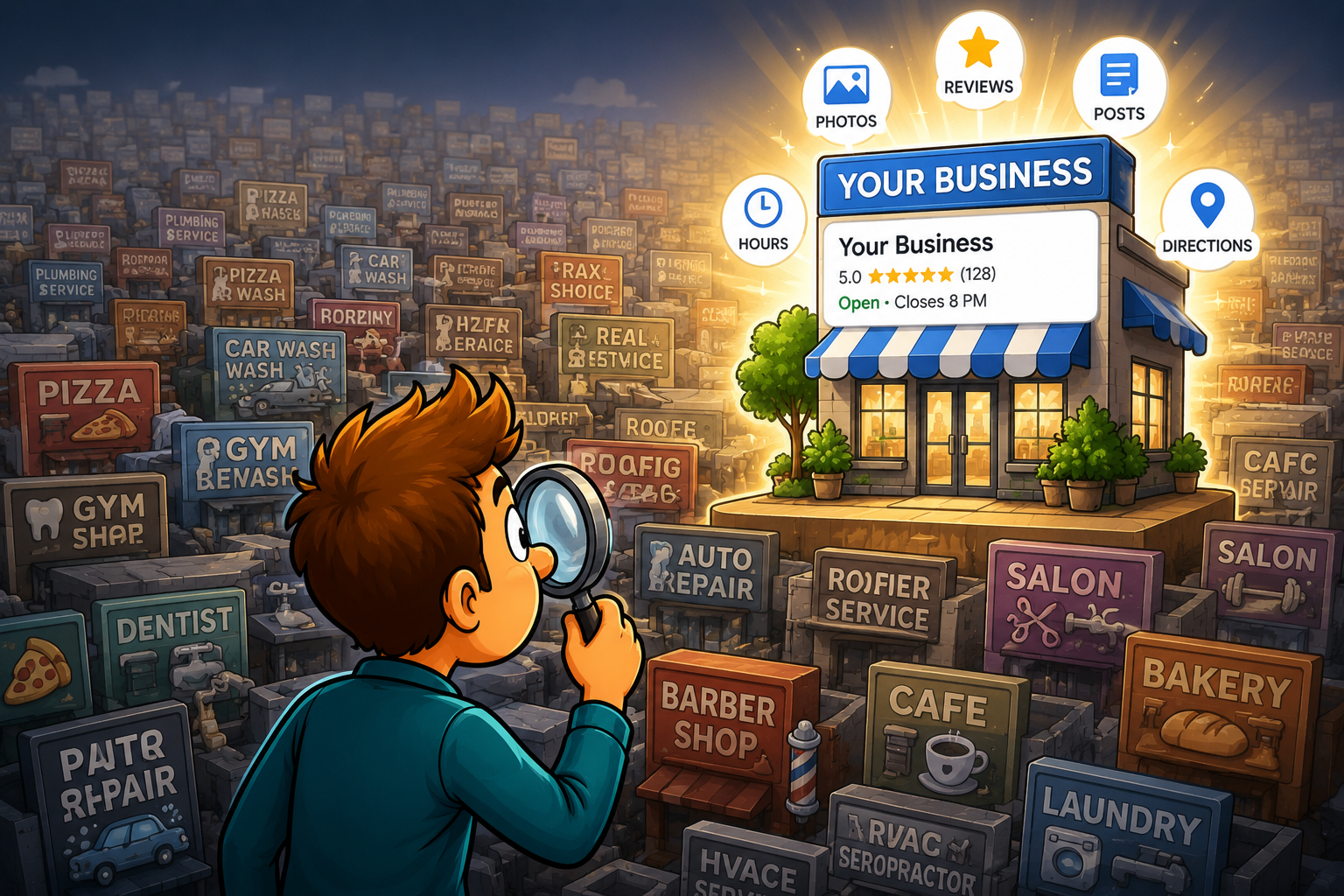
Artificial intelligence is transforming how businesses approach local SEO strategy and Google Maps optimization. AI tools can analyze local search behavior, identify ranking opportunities, and help businesses create more targeted local content.
AI-powered local SEO tools can help businesses:
- optimize Google Business Profiles
- identify local keyword opportunities
- monitor competitor rankings
- generate local content ideas
- improve Google Maps visibility
Businesses using AI for local SEO often improve:
- local search rankings
- customer engagement
- traffic quality
- lead generation
- SEO performance
AI can also help businesses personalize local experiences by analyzing customer behavior and geographic search trends.
Combining artificial intelligence with strong SEO fundamentals creates more sustainable local marketing growth over time.
| Traditional SEO | AI-Powered SEO |
|---|---|
| Manual keyword research | Automated keyword analysis |
| Slower optimization process | Faster optimization recommendations |
| Limited personalization | Dynamic user personalization |
| Manual content planning | AI-assisted content creation |
| Basic analytics interpretation | Predictive SEO insights |
| Time-intensive workflows | Automated efficiency improvements |
Building Smarter Website Infrastructure with Artificial Intelligence
Before, building a website meant hiring a designer, a copywriter, and maybe an SEO consultant. Today, artificial intelligence can streamline almost all of those steps — without sacrificing quality.
“Artificial intelligence now helps brands launch websites with structured design templates and smart logic flows, replacing traditional development processes with intelligent automation.” — Pixolabo
Here’s how AI supports your website’s infrastructure:

Creates layout structures based on user behavior and industry best practices
Suggests navigation menus and page hierarchies based on content type
Helps organize headers (H1s, H2s) to match search intent
Recommends internal linking strategies
Builds title tags, meta descriptions, and alt text optimized for SEO
This all happens faster than a human could map it out. That means small business owners like you can focus on strategy, not formatting.

How Artificial Intelligence Boosts Your SEO Game
Most people think of SEO as just keywords. But it’s way more than that. SEO is structure, speed, mobile-readiness, content hierarchy, internal linking, and user signals — all things artificial intelligence now understands and helps improve.
“AI is redefining content creation and optimization. Over 92% of companies are using AI-driven personalization tools to boost performance.” — Contentful
So what can artificial intelligence do for your SEO?
Analyze competitors in seconds
Generate content outlines that mirror top-performing search results

Suggest long-tail keywords and supporting semantic terms
Optimize blog structure for readability and ranking
Improve alt text and metadata using visual AI tools
It’s not just about writing more — it’s about writing smarter. With artificial intelligence, you don’t need to be a full-time SEO expert to compete.

Frequently Asked Questions
Can AI improve SEO performance?
AI can help businesses automate optimization tasks, analyze search trends, and improve website performance more efficiently.
Does Google penalize AI-generated content?
Google prioritizes high-quality content regardless of how it is created. Low-quality or spammy AI content may still perform poorly.
Can AI improve Local SEO?
Yes. AI tools can optimize Google Business Profiles, analyze local keywords, and improve Google Maps rankings.
Is AI useful for review management?
AI review management tools help businesses monitor reviews, improve response times, and strengthen customer engagement.
Will AI replace SEO experts?
AI can automate many SEO tasks, but human expertise remains important for strategy, creativity, and customer-focused content.

Conclusion
Artificial intelligence is rapidly transforming SEO, website design, customer engagement, and digital marketing strategies. Businesses that combine AI-powered automation with strong SEO fundamentals can improve website performance, increase Google rankings, and create better customer experiences online.
From AI-powered review management to advanced local SEO strategy tools, artificial intelligence now plays a major role in helping businesses improve visibility and compete more effectively in search results.
However, successful SEO still depends on creating high-quality content, maintaining strong user experiences, and building long-term trust with customers. Businesses that use AI responsibly while focusing on customer value will likely achieve stronger long-term growth and better digital marketing performance in the future.