

Website speed is one of the most important factors affecting user experience and search engine rankings. Slow websites frustrate users and often cause visitors to leave before the page finishes loading.
This is why website performance optimization is a critical part of modern web development.
Optimizing performance ensures that websites load quickly, run efficiently, and deliver a smooth experience across all devices.
In this guide, we’ll explore:
- what website performance optimization is
- why website speed matters
- techniques developers use to improve performance
- tools used to measure website speed
Let’s explore how developers make websites faster and more efficient.
Why Website Performance Matters
Website performance directly affects how users interact with a website.
Fast websites provide several benefits:
- better user experience
- higher search engine rankings
- increased conversion rates
- reduced bounce rates
Search engines also consider page speed when ranking websites.
Tools such as Google PageSpeed Insights help developers analyze website performance and identify areas for improvement.
Optimizing performance ensures visitors can access content quickly and efficiently.
Common Causes of Slow Websites

Several factors can slow down a website.
Common causes include:
- large image files
- inefficient code
- slow server response times
- excessive scripts and plugins
Identifying these issues helps developers improve website performance.
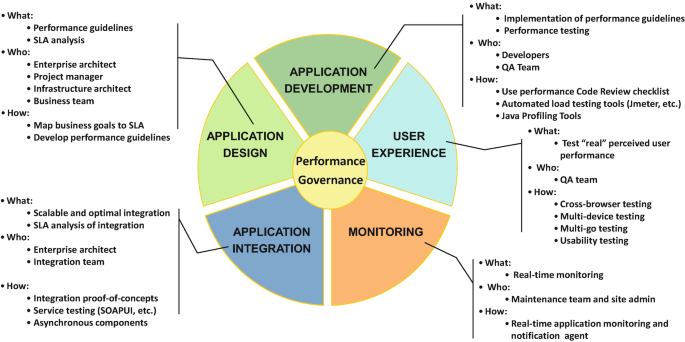
Techniques for Website Performance Optimization
Developers use several techniques to improve website performance.
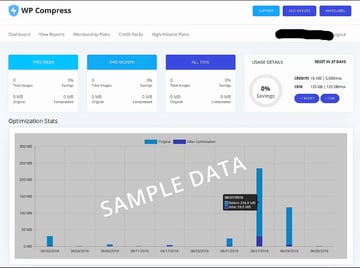
Image Optimization
Large images can slow down website loading times.
Developers compress images and use modern formats to reduce file size.
Minifying Code
Minifying code removes unnecessary characters from HTML, CSS, and JavaScript files.
This reduces file size and speeds up loading.
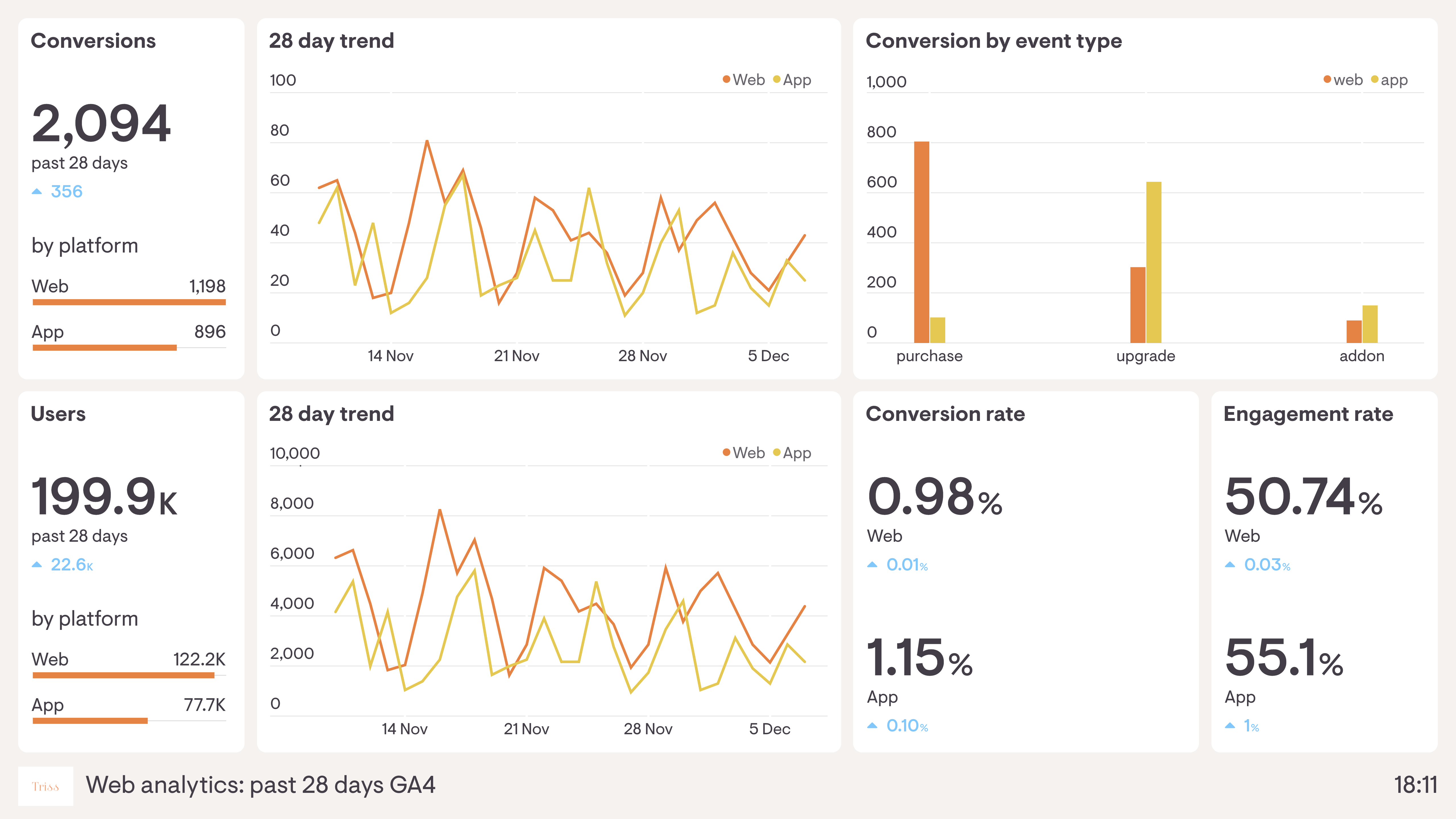
Caching
Caching stores website data temporarily so browsers can load pages faster.
This reduces server requests and improves performance.
Content Delivery Networks (CDN)
A CDN distributes website content across multiple servers worldwide.
This allows users to access content from the server closest to their location.
Platforms such as Cloudflare provide CDN services that improve website performance.
Tools for Measuring Website Performance
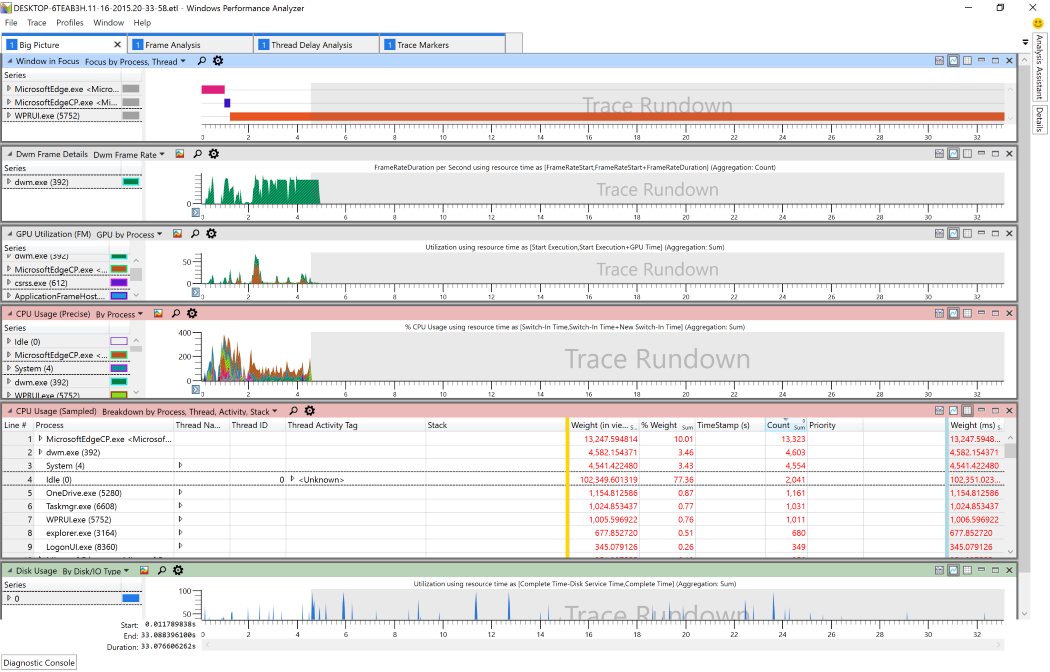
Developers rely on performance testing tools to analyze website speed.
Popular tools include:
- Google PageSpeed Insights for analyzing page speed
- GTmetrix for performance analysis
- Chrome DevTools for debugging and performance monitoring
These tools help developers identify issues that affect website speed.
Mobile Performance Optimization

Mobile performance optimization is especially important because many users browse the internet on smartphones.
Developers improve mobile performance by:
- reducing page size
- optimizing images for mobile screens
- minimizing JavaScript usage
Fast mobile websites provide better user experiences and improve search rankings.
Best Practices for Website Performance
Developers often follow several best practices when optimizing websites.
Reduce HTTP Requests
Fewer server requests improve loading speed.
Use Efficient Code
Clean and optimized code improves website performance.
Monitor Performance Regularly
Continuous monitoring helps identify new performance issues.
Optimize Third Party Scripts
Limiting external scripts reduces loading delays.
Conclusion
Website performance optimization is essential for delivering fast and reliable websites.
By optimizing images, minimizing code, using caching, and implementing CDNs, developers can significantly improve website speed.
Fast websites provide better user experiences, improve search engine rankings, and increase conversions.
For modern web development, performance optimization is a key factor in building successful online platforms.
Related Articles
Latest Articles