
Why Customer Reviews Matter for Businesses
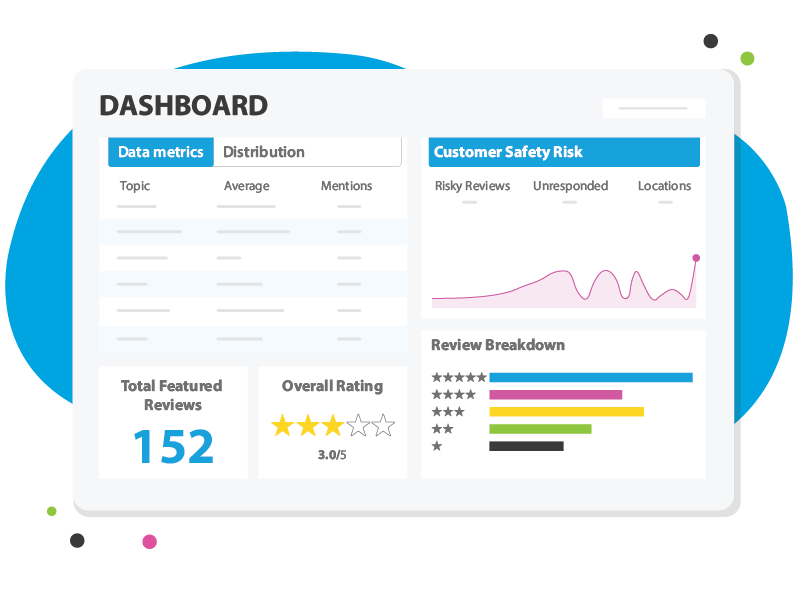
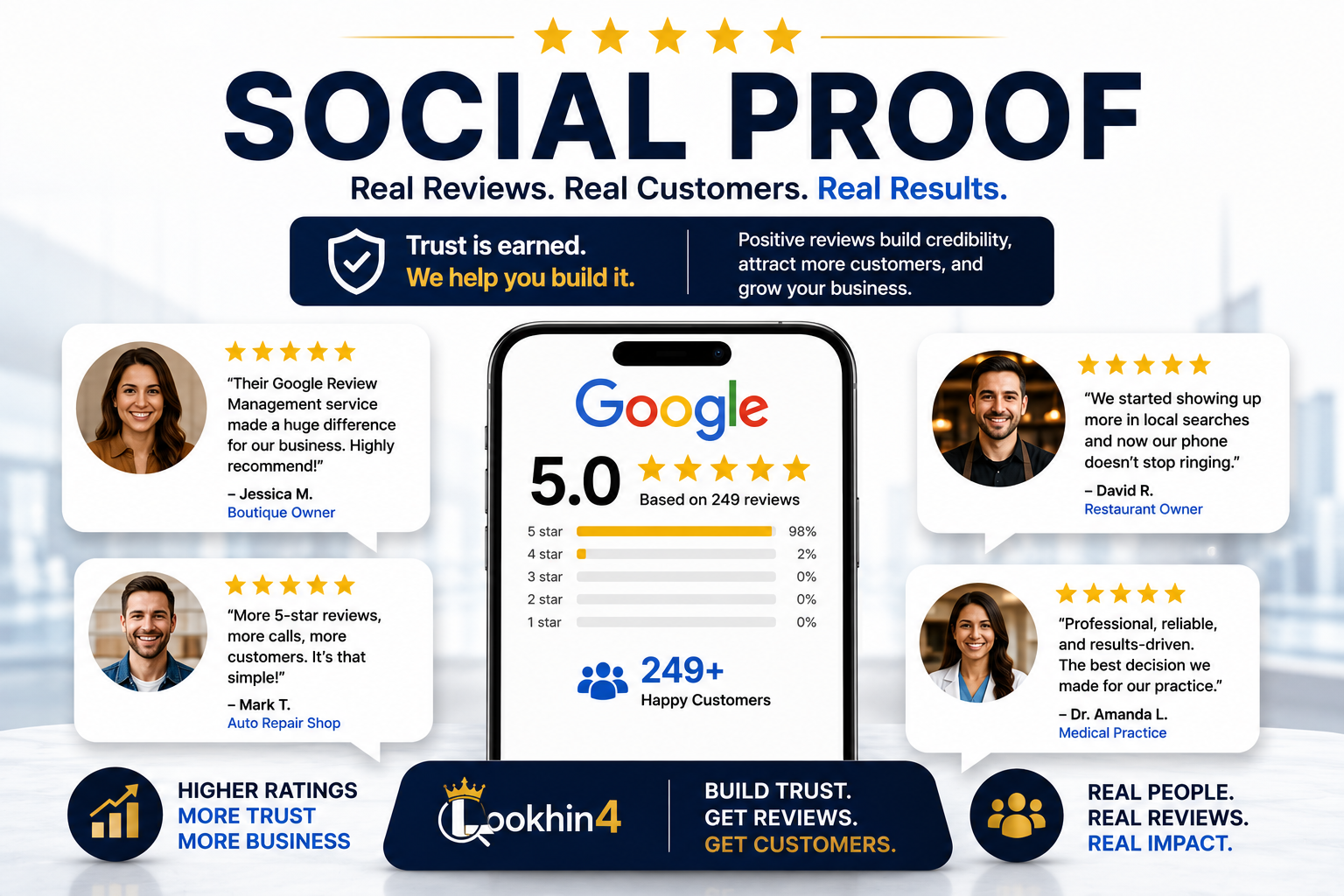
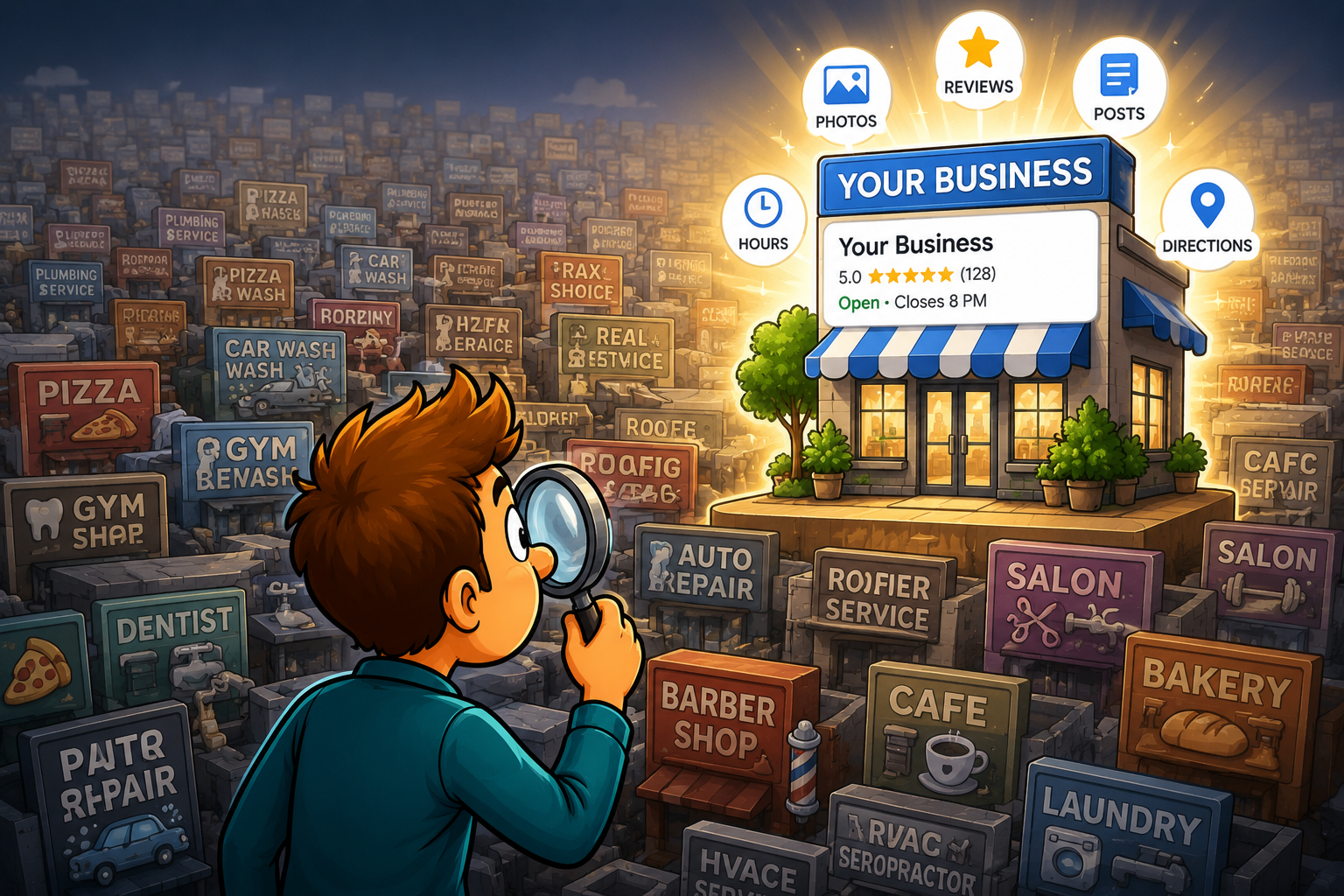
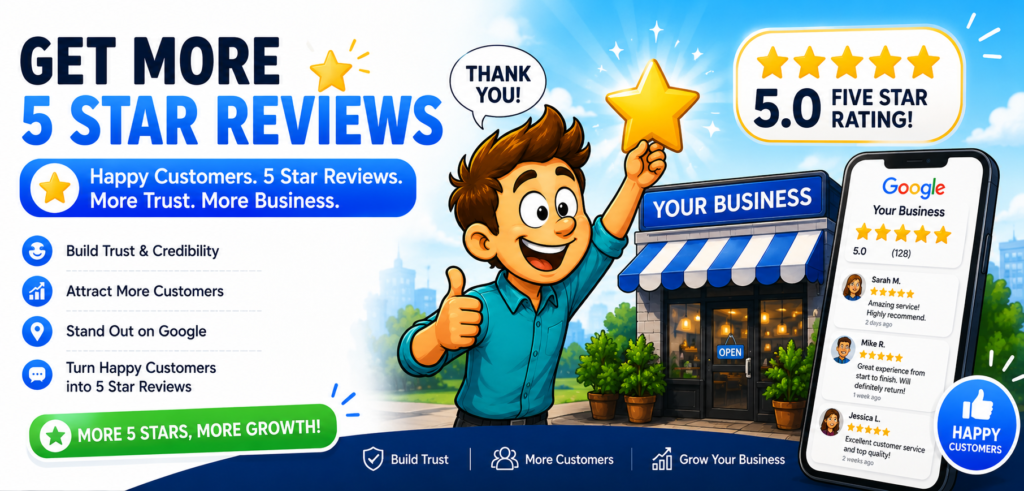
Customer reviews are essential because they influence potential buyers’ decisions. According to studies, over 90% of consumers read online reviews before making a purchase. Positive reviews build trust and improve a brand’s online visibility, which can boost search engine rankings.
Additionally, reviews provide valuable insights for businesses to improve products or services. They serve as a direct line to customer sentiment, helping companies address issues and enhance satisfaction. For marketing, displaying glowing customer feedback strengthens credibility and encourages new sales.
Characteristics of a Satisfied Customer Review
A strong customer review has several defining traits:
- Authenticity: Genuine reviews that reflect real experiences resonate more than generic praise.
- Specific Details: Mentioning product features, staff names, or service steps adds credibility.
- Positive Emotional Tone: Happy, enthusiastic, or relieved expressions create relatability.
- Contextual Mention: Highlighting why the product/service was used helps future customers understand its value.
Types of Customer Reviews
- Text-Based Reviews: Simple written statements on platforms like Google, Yelp, or e-commerce sites.
- Video Testimonials: Engaging video reviews providing face-to-face authenticity.
- Social Media Mentions: Posts, tags, or comments from satisfied clients on Instagram, Facebook, or LinkedIn.
- Star Ratings: Numerical scoring that quickly summarizes satisfaction.

Examples of Satisfied Customer Reviews
Short and Simple Reviews Examples
- “Excellent service! Highly recommend.”
- “Product arrived on time and works perfectly.”
- “Friendly staff and great experience.”
Detailed Narrative Reviews Examples
- “I had been searching for the perfect running shoes, and this store didn’t disappoint. The staff helped me pick the right size and style, and the shoes are incredibly comfortable for daily workouts. I will definitely return for future purchases!”
Reviews Highlighting Exceptional Service
- “I contacted customer support regarding a billing issue, and they resolved it immediately. The representative was polite, professional, and went above and beyond. Outstanding service!”
Product-Specific Feedback Examples
- “The blender I bought crushed ice in seconds and made smoothies perfectly smooth. The quality far exceeded my expectations.”
How to Encourage Customers to Leave Reviews
- Timing Matters: Request reviews immediately after purchase or service.
- Offer Incentives: Discounts or loyalty points can motivate customers.
- Simplify the Process: Make leaving reviews quick, mobile-friendly, and accessible.
Common Mistakes to Avoid in Customer Reviews
- Posting fake or exaggerated reviews damages credibility.
- Ignoring negative feedback can harm brand reputation.
- Vague reviews without context are less useful for potential customers.
Tools to Collect and Display Customer Reviews
- Google Reviews: Widely trusted for local business reputation.
- Trustpilot: Ideal for detailed, verified reviews.
- Yotpo: E-commerce-focused review collection tool.
- Social Media Platforms: Instagram, Facebook, and LinkedIn provide engagement opportunities.
How to Use Reviews in Marketing
- Embed reviews in emails and newsletters to build trust.
- Highlight testimonials on product pages to boost conversions.
- Use positive reviews in social media campaigns to attract new audiences.
Legal and Ethical Considerations
- Ensure transparency—disclose sponsored or incentivized reviews.
- Respond ethically to negative reviews, showing care and professionalism.
- Avoid manipulating or creating fake reviews, as it’s legally risky.
Measuring the Impact of Customer Reviews
- Monitor conversion rate improvements after displaying reviews.
- Track SEO ranking changes influenced by fresh and relevant feedback.
- Measure customer retention and trust through review sentiment analysis.
Frequently Asked Questions (FAQs)
- What makes a customer review effective?
An effective review is authentic, specific, and highlights the customer’s real experience. - How can small businesses collect reviews?
By asking at checkout, sending follow-up emails, or using review platforms like Google and Yelp. - Are video testimonials more persuasive than text reviews?
Yes, video reviews provide a human touch, increasing credibility and engagement. - Can negative reviews be turned into an advantage?
Absolutely—responding positively demonstrates professionalism and problem-solving skills. - How often should businesses monitor reviews?
Regularly, ideally daily or weekly, to maintain reputation and respond promptly. - How do customer reviews affect online SEO?
Fresh, keyword-rich reviews improve search engine rankings and local search visibility.
Conclusion
Satisfied customer reviews are more than just praise—they are essential tools for credibility, marketing, and business growth. By showcasing authentic experiences and leveraging feedback strategically, businesses can build stronger trust, attract new customers, and enhance their online presence.
Related Articles
Boost your Small Business: How to get more google reviews
How to Respond to Bad Reviews Like a Pro
Negative Reviews: How to Turn Bad Feedback Into Business Growth