Most businesses don’t lose customers because of bad reviews—they lose them by not responding at all.

That’s why a google review management service is no longer optional—it’s a growth tool. Google reviews shape first impressions, influence buying decisions, and can instantly boost or damage your brand.

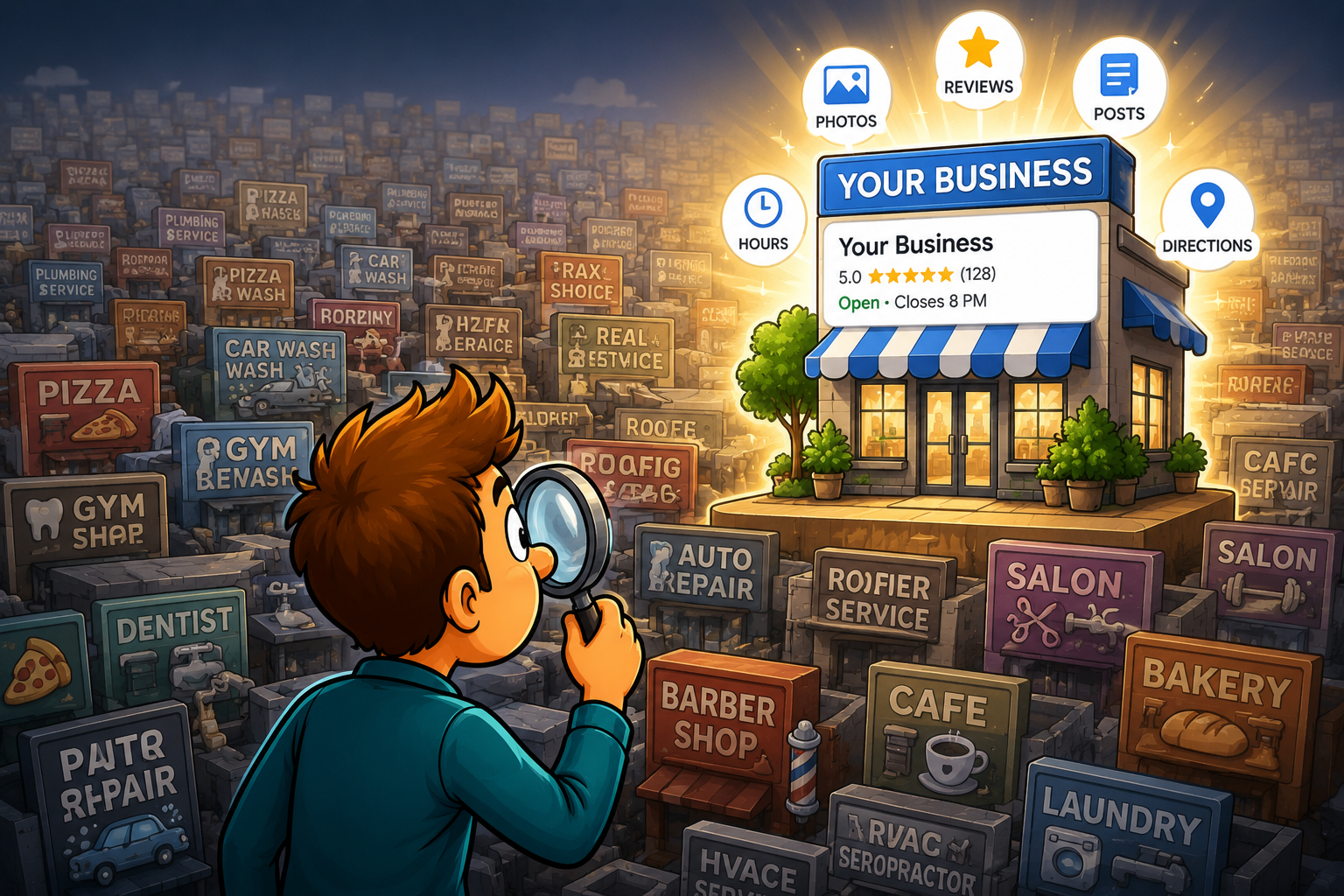
When people find your business, reviews are the first thing they see. If you’re not actively managing them, you’re leaving money—and credibility—on the table.

What is the best way to manage Google reviews?
The best way to manage Google reviews is to actively monitor feedback, respond promptly to both positive and negative reviews, encourage satisfied customers to leave reviews, and optimize your Google Business Profile. Using automation tools and analyzing review trends can also help improve customer experience and boost local SEO rankings.
How to Encourage Customers to Leave Reviews
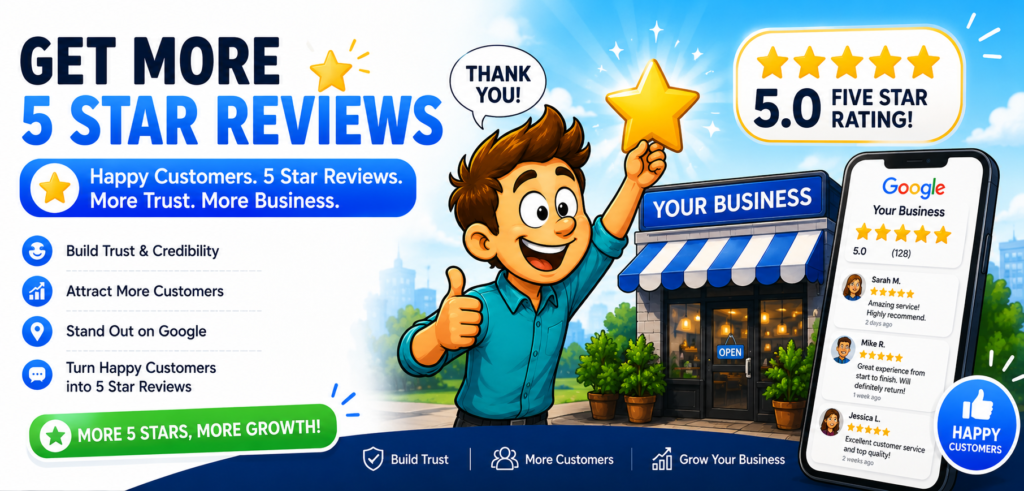
Getting reviews requires a proactive approach. Customers rarely leave feedback unless prompted.
Best Timing for Requests
Ask for reviews when:
- A purchase is completed
- A service is delivered successfully
- Customer satisfaction is high
Channels to Ask for Reviews
You can request reviews through:
- Email campaigns
- SMS messages
- Social media
- In-person requests
Make it easy by sharing direct review links.

Responding to Reviews Professionally
Responding to reviews shows that you value customer feedback.
Handling Positive Reviews
- Thank the customer
- Personalize your response
- Encourage them to return

Handling Negative Feedback
Negative reviews require careful handling:
- Stay calm and professional
- Apologize if necessary
- Offer solutions
- Take the conversation offline
A thoughtful response can turn unhappy customers into loyal ones.

Tools to Manage Google Reviews
Several tools help automate and streamline review management:
- Review monitoring platforms
- CRM integrations
- Notification systems
These tools help businesses respond faster and track feedback efficiently.
Monitoring Review Analytics
Analytics help you understand:
- Customer sentiment
- Review trends
- Performance over time
Use this data to improve services and customer experience.

Common Mistakes to Avoid
Avoid these pitfalls:
- Ignoring reviews
- Posting fake reviews
- Responding aggressively
- Not asking for feedback
These mistakes can damage your reputation.

Advanced Strategies for Reputation Growth
To go beyond basics:
- Use automation tools
- Create review campaigns
- Train staff to request reviews
- Highlight reviews on your website
Leveraging Reviews in Marketing
Reviews can be used as:
- Testimonials on websites
- Social media content
- Case studies
They act as powerful social proof.

Legal and Ethical Considerations
Always follow guidelines set by Google:
- Do not buy fake reviews
- Avoid incentivizing feedback dishonestly
- Ensure transparency
Violating rules can lead to penalties.

FAQs
1. Why are Google reviews important for businesses?
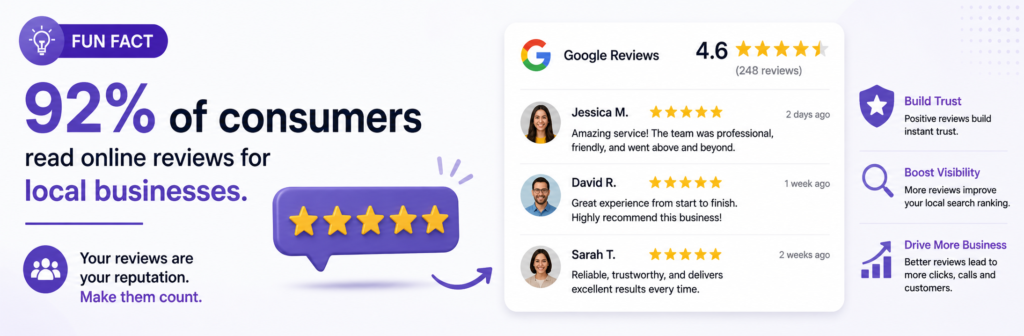
They build trust, improve SEO rankings, and influence customer decisions.
2. How often should I respond to reviews?
Ideally, respond within 24–48 hours.
3. Can I delete negative reviews?
No, unless they violate Google’s policies.
4. How do I get more Google reviews?
Ask customers directly and make the process easy.
5. Do reviews affect SEO rankings?
Yes, they are a key ranking factor in local search.
6. What is the best way to handle fake reviews?
Report them to Google and provide evidence.


Conclusion
Learning how to manage Google reviews create how to article strategies is essential for any business looking to grow online. Reviews influence trust, visibility, and customer decisions more than ever before. By actively managing feedback, responding professionally, and using the right tools, businesses can turn reviews into a powerful asset.
For more details, you can explore Google official guidelines here: https://support.google.com/business/