
Introduction to The Power of Word-of-Mouth for Small Businesses in 2026
, The Power of Word-of-Mouth for Small Businesses in 2026 has become more important than ever. With rising advertising costs and growing skepticism toward traditional marketing, customers are now turning to authentic recommendations, online reviews, and personal referrals before making decisions.
Simply put, people trust people more than ads.
Whether it’s a friend suggesting a local café or a glowing online review influencing a purchase, word-of-mouth marketing (WOMM) has evolved into a high-impact, low-cost growth engine for small businesses. In 2026, it’s not just about what you sell—it’s about what others say about you.
- What is Word-of-Mouth Marketing and Why It Matters
- The Psychology Behind Word-of-Mouth Influence
- Benefits of Word-of-Mouth for Small Businesses
- 9 Proven Strategies to Boost Word-of-Mouth in 2026
- The Role of Digital Platforms in Word-of-Mouth Marketing
- Common Mistakes to Avoid
- How to Measure Word-of-Mouth Success
- Future Trends in Word-of-Mouth Marketing (2026 and Beyond)
- FAQs About The Power of Word-of-Mouth for Small Businesses in 2026
- 1. Why is word-of-mouth marketing so effective?
- 2. How can small businesses encourage referrals?
- 3. Is word-of-mouth still relevant in the digital age?
- 4. How do online reviews impact local SEO?
- 5. What is the difference between referrals and word-of-mouth?
- 6. Can negative reviews hurt word-of-mouth marketing?
- Conclusion: Turn Conversations into Conversions
- Final Thoughts
What is Word-of-Mouth Marketing and Why It Matters
Word-of-mouth marketing refers to the organic sharing of positive experiences by customers. It can happen in person, through social media, or via online review platforms like Google, Yelp, and Trustpilot.
Why It’s Dominating in 2026
- Trust-driven economy: 88% of consumers trust recommendations from people they know.
- Social proof influence: Online reviews shape purchasing decisions.
- Algorithm advantage: Platforms prioritize businesses with strong engagement and reviews.
- Cost-effective marketing: No massive ad budgets required.
According to Nielsen, word-of-mouth remains one of the most trusted forms of advertising globally.
The Psychology Behind Word-of-Mouth Influence
Understanding why people share recommendations helps businesses tap into this powerful channel.
Emotional Connection Drives Sharing
Customers share experiences that make them feel:
- Excited
- Valued
- Surprised
When your business creates memorable moments, customers naturally talk about it.
Social Validation and Trust Signals
Humans rely on social proof to reduce risk. When others endorse a product or service, it builds confidence instantly.
Reciprocity Principle
When customers receive exceptional service, they feel compelled to give back—often through referrals or reviews.

Benefits of Word-of-Mouth for Small Businesses
1. Builds Trust Instantly
Unlike paid ads, recommendations come with built-in credibility. Trust is the foundation of conversions.
2. Drives High-Quality Leads
Referred customers are more likely to:
- Convert faster
- Spend more
- Stay loyal
3. Reduces Marketing Costs
Word-of-mouth acts as free advertising, helping businesses grow without heavy spending.
4. Strengthens Brand Reputation
Positive conversations shape how your brand is perceived both online and offline.
9 Proven Strategies to Boost Word-of-Mouth in 2026
1. Deliver Exceptional Customer Experiences
Great experiences are the backbone of word-of-mouth. Focus on:
- Fast service
- Personalization
- Attention to detail
Happy customers become your best marketers.
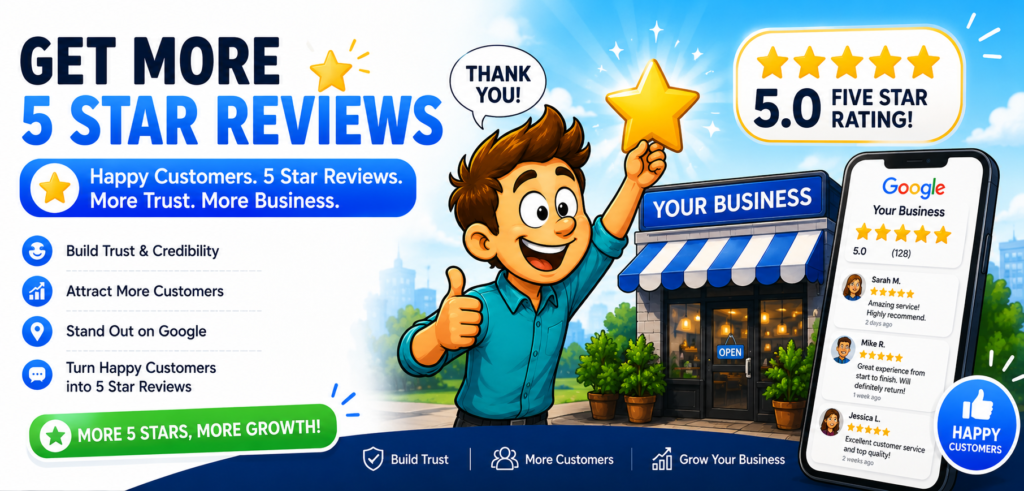
2. Encourage Online Reviews
Ask satisfied customers to leave reviews on:
- Google Business Profile
- Yelp
Make it easy by sharing direct links.

3. Create Share-Worthy Moments
Think beyond basic service. Offer:
- Surprise discounts
- Personalized thank-you notes
- Unique packaging
These moments trigger organic sharing.
4. Launch Referral Programs
Reward customers for bringing in new business.
Examples:
- “Refer a friend, get 20% off”
- Loyalty points for referrals
5. Leverage Social Media Engagement
Encourage customers to:
- Tag your business
- Share their experiences
- Post reviews
User-generated content boosts visibility and trust.
6. Partner with Micro-Influencers

Small influencers often have high engagement and trust within niche communities. Collaborating with them can amplify word-of-mouth.
7. Build a Strong Community
Host:
- Local events
- Workshops
- Online groups
Community-driven businesses naturally generate buzz.
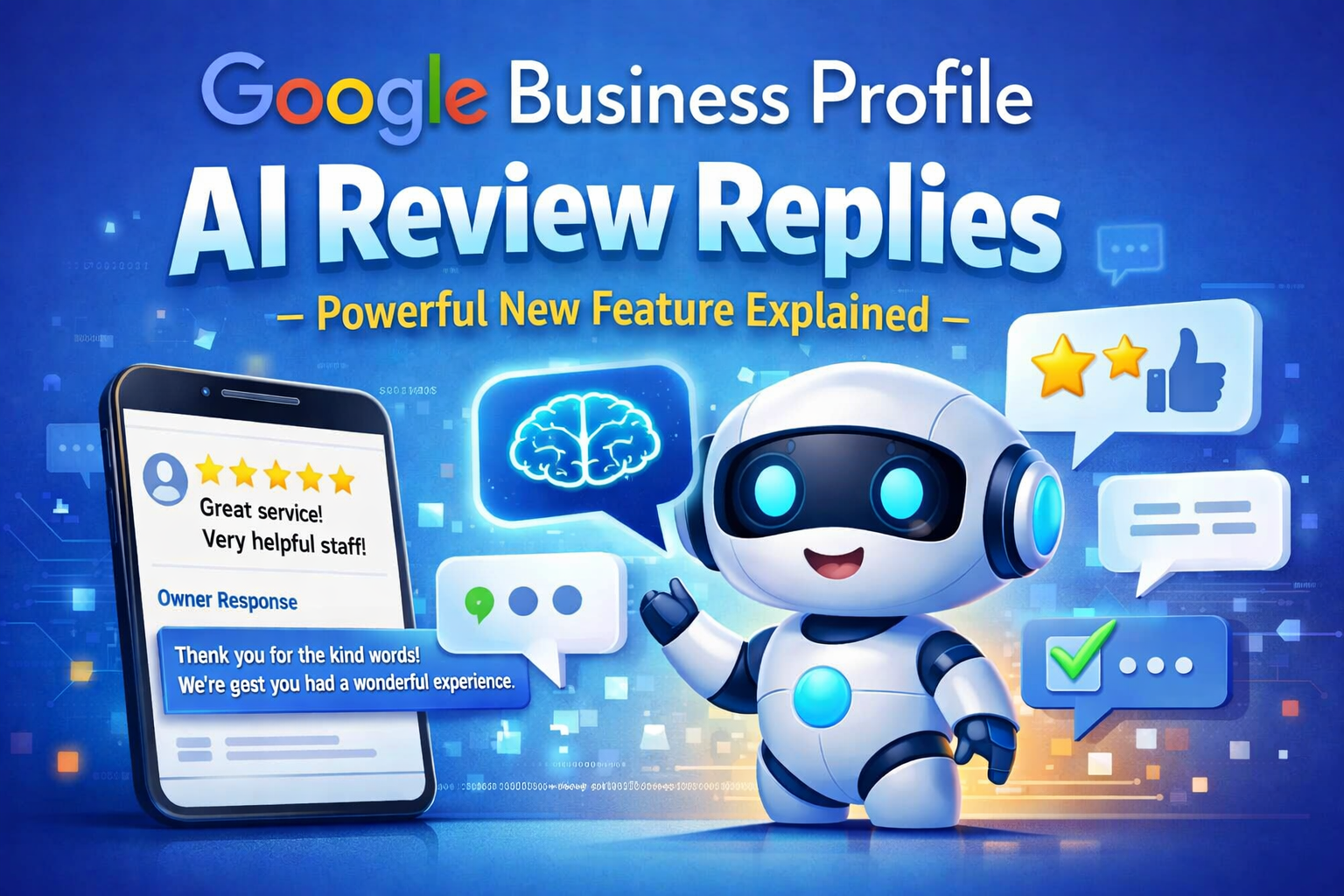
8. Respond to Every Review
Engaging with reviews shows you care.
- Thank positive reviewers
- Address negative feedback professionally
This builds credibility and trust.
9. Focus on Consistency
Consistency in service, messaging, and quality ensures customers know what to expect—and recommend you confidently.
The Role of Digital Platforms in Word-of-Mouth Marketing
In 2026, word-of-mouth is no longer just offline—it’s digitally amplified.
Key Platforms Driving WOM Growth
- Google Reviews
- TikTok recommendations
- Instagram stories
- Reddit discussions
These platforms act as modern “word-of-mouth engines.”
Common Mistakes to Avoid
Even great businesses can miss out on word-of-mouth opportunities.
Ignoring Customer Feedback
Not listening to customers can damage your reputation.
Overlooking Negative Reviews
Negative feedback is a chance to improve—not something to ignore.
Being Inconsistent
Inconsistent service leads to mixed experiences and fewer recommendations.
How to Measure Word-of-Mouth Success
Track these key metrics:
- Net Promoter Score (NPS)
- Referral rates
- Customer retention rate
- Review volume and ratings
These indicators help you understand your WOM performance.
Future Trends in Word-of-Mouth Marketing (2026 and Beyond)
AI-Driven Personalization
Businesses will use AI to create tailored experiences that customers love sharing.
Voice Search and Recommendations
Smart assistants will play a bigger role in suggesting businesses.
Community-Based Commerce
Brands will focus on building loyal communities rather than just selling products.
FAQs About The Power of Word-of-Mouth for Small Businesses in 2026
1. Why is word-of-mouth marketing so effective?
Because it’s based on trust. People believe recommendations from real customers more than advertisements.
2. How can small businesses encourage referrals?
By offering incentives, delivering great service, and asking satisfied customers to share their experiences.
3. Is word-of-mouth still relevant in the digital age?
Absolutely. It has evolved into online reviews, social media shares, and influencer recommendations.
4. How do online reviews impact local SEO?
Positive reviews improve rankings on Google and increase visibility in local search results.
5. What is the difference between referrals and word-of-mouth?
Referrals are structured and incentivized, while word-of-mouth is organic and voluntary.
6. Can negative reviews hurt word-of-mouth marketing?
Yes, but responding professionally can actually improve your reputation and build trust.
Conclusion: Turn Conversations into Conversions
The Power of Word-of-Mouth for Small Businesses in 2026 is undeniable. In a world where trust drives decisions, businesses that prioritize customer experience, authenticity, and engagement will stand out.
Instead of pouring money into ads alone, focus on creating moments worth talking about. When customers become advocates, growth becomes effortless.
Final Thoughts
Word-of-mouth isn’t just a marketing strategy—it’s a business philosophy. Build trust, deliver value, and watch your customers spread the word for you.
Related Articles
- How Do I Contact Google Business Support Live Chat (Fast & Easy Guide for Business Owners)
- What Is a Good Google Review Rating for Small Businesses?
- ⭐ How To Start a Small Business Website (A Simple, Friendly Guide)

Latest Articles