
Why the Ceasefire Matters Now
A ceasefire may sound like a moment of peace, but for many Americans, a ceasefire brings big questions. What happens next? Who pays the price? And how does a ceasefire affect small businesses and everyday people?
From news reports, we often hear that a ceasefire can calm global tensions. Markets may react quickly, oil prices may shift, and trade routes may open or close. But behind all that, the real story is how a ceasefire changes life for small business owners and families across America.
This article breaks it down in simple terms. We’ll look at facts, real-world impacts, and how a ceasefire could affect your wallet, your job, and your future.

Understanding What a Ceasefire Means
Definition and Purpose of a Ceasefire
A ceasefire is an agreement to stop fighting, usually between countries or groups in conflict. A ceasefire can be temporary or long-term. The goal of a ceasefire is to reduce violence and create space for talks.
But a ceasefire does not always mean peace. Sometimes, a ceasefire only pauses conflict while deeper problems remain.

Historical Examples of Ceasefire Agreements
History shows that a ceasefire can have mixed results. Some ceasefire agreements lead to lasting peace. Others break down and lead to more conflict. Each ceasefire has economic effects that ripple across the world.
Recent News and Global Context of the Ceasefire
Economic Reactions to a Ceasefire
Recent news often shows that when a ceasefire is announced, markets react fast. Stocks may rise because investors feel hopeful. But sometimes, a ceasefire creates uncertainty about what comes next.
Businesses don’t like uncertainty. A ceasefire can cause companies to pause spending or delay hiring.

Oil Markets and Global Trade Shifts
One of the biggest impacts of a ceasefire is on oil. When conflict slows due to a ceasefire, oil supply may increase. That can lower prices—but not always.
If a ceasefire changes control of key regions or trade routes, prices can still rise. This matters a lot for American businesses.
How a Ceasefire Affects the U.S. Economy
A ceasefire can shape the U.S. economy in many ways. It’s not just about peace—it’s about money, jobs, and stability.
Supply Chain Stabilization
A ceasefire can help global shipping run more smoothly. Goods move faster. Costs may drop. That sounds good—but it’s not always that simple.
Some businesses already adjusted to wartime conditions. A sudden ceasefire can disrupt those new systems.
Inflation and Energy Prices
Energy costs are key. A ceasefire can lower fuel prices, which helps businesses. But if the ceasefire leads to new trade rules or tensions, prices could rise again.
That back-and-forth creates stress for small businesses trying to plan ahead.
Ceasefire and Small Businesses in America
Small businesses feel every shift. A ceasefire can change their costs, customers, and future.

Rising Costs and Reduced Demand
Even with a ceasefire, costs don’t always go down right away. Rent, supplies, and wages may stay high.
At the same time, a ceasefire can make consumers cautious. People may spend less if they feel unsure about the future.
Hiring and Wage Pressures
A ceasefire can affect hiring. Businesses may hold back on new workers. Or they may struggle to pay higher wages if profits drop.
Local Businesses and Community Impact
Local shops feel it first. A ceasefire might seem far away, but its effects hit close to home. Less spending means less income for small stores.
Financial Pressure on Everyday Americans
Cost of Living Changes
A ceasefire can change prices for gas, food, and goods. Sometimes prices fall. Other times, they rise due to new policies or trade shifts.
Either way, a ceasefire creates change—and change can be hard.
Consumer Spending Behavior
When people hear about a ceasefire, they may worry about the future. That fear can lead to less spending.
Less spending hurts small businesses, which then affects jobs.
Energy, Trade, and the Strait of Hormuz
Why Shipping Routes Matter
The Strait of Hormuz is one of the world’s most important shipping routes. If a ceasefire affects this area, oil prices can change quickly.
Even a small shift during a ceasefire can impact global supply.
Potential Costs Passed to Americans
If shipping becomes more expensive after a ceasefire, those costs don’t stay overseas. They come back to American consumers.
That means higher prices at the pump and in stores.
Political Decisions and Economic Consequences
Policy Debates Around Conflict and Ceasefire
Political leaders often debate how to handle conflict and a ceasefire. These decisions shape taxes, spending, and trade.
A ceasefire is not just about stopping fighting—it’s about what comes next.
Long-Term Economic Risks
A poorly planned ceasefire can lead to long-term problems. Debt, trade issues, and global tensions can all grow.
These risks can affect Americans for years.
How a Ceasefire Can Trigger a Ripple Effect
From Businesses to Workers
When a ceasefire affects businesses, workers feel it. Jobs may be cut. Hours may shrink.
From Workers to Families
Then families feel the impact. Less income means harder choices. A ceasefire can reach into everyday life in ways people don’t expect.
Adapting to a Ceasefire Economy
Strategies for Small Business Owners
- Cut unnecessary costs
- Diversify suppliers
- Stay informed about global news
- Plan for uncertainty after a ceasefire
Financial Planning for Households
- Build savings
- Reduce debt
- Watch spending habits during a ceasefire
Frequently Asked Questions
1. What is a ceasefire?
A ceasefire is an agreement to stop fighting, often temporarily.
2. Does a ceasefire always lower prices?
Not always. A ceasefire can lower or raise prices depending on global conditions.
3. How does a ceasefire affect small businesses?
A ceasefire can change costs, demand, and hiring decisions.
4. Will a ceasefire improve the economy?
Sometimes, but a ceasefire can also create uncertainty.
5. Why does oil matter in a ceasefire?
Oil prices often change during a ceasefire, affecting many industries.
6. How can families prepare for a ceasefire impact?
By saving money and planning ahead.
Conclusion: The Real Impact of a Ceasefire
A ceasefire may sound like peace, but it brings complex changes. From global markets to local shops, a ceasefire affects everyone. Small businesses must adapt. Families must plan.
In the end, a ceasefire is not just about ending conflict—it’s about managing what comes next. Whether you’re a business owner or a worker, understanding the impact of a ceasefire helps you stay ready for whatever the future holds.

Related Articles
Related Articles
-
Google Review Removal Service That Protects Your Reputation and Builds Trust

Can Negative Google Reviews Damage a Healthcare Organization? A sudden wave of negative Google reviews can seriously damage the reputation of a nursing home or medical practice. Families researching nursing homes often compare ratings, recent reviews, management responses, photographs, and overall review activity before scheduling a tour. Patients may perform the same research before choosing…
-
Google Review Management Agency That Helps Businesses Build Trust and Get More Customers
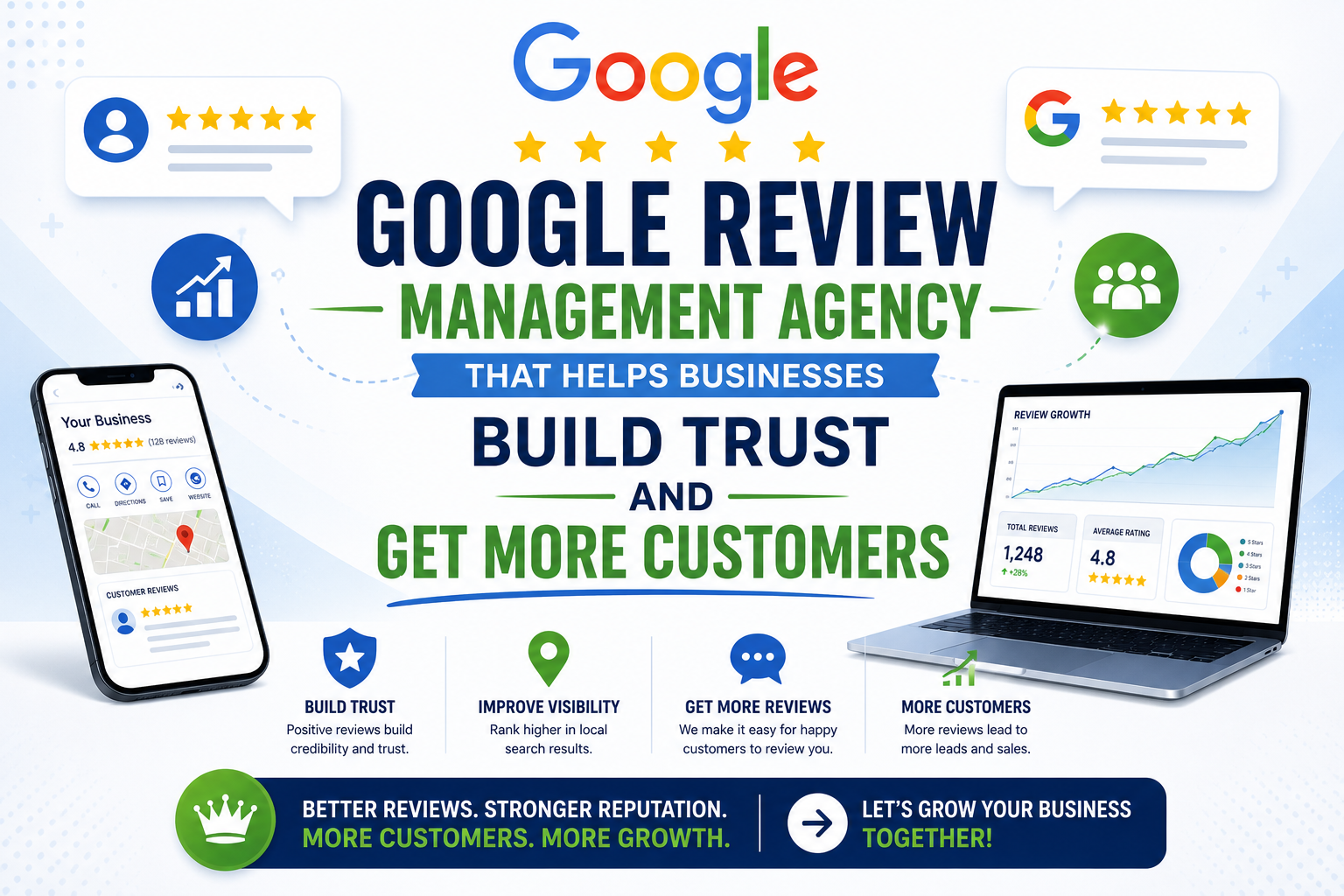
People trust Google reviews before they trust advertisements. Before contacting your business, potential customers usually search your company online and ask themselves one important question: “Can I trust this business?” That answer often comes from your reviews. Customers look at: If your business has weak reviews, outdated feedback, or unanswered complaints, customers may choose a…
-
How to Get New Patients in New York With Google Reviews

Your next patient in New York may decide whether to call your practice before ever speaking to your staff. Today, patients search, compare, and read reviews before choosing care. A 2025 survey found 84% of patients check online reviews before choosing a new healthcare provider. In 2026, 75% said they wouldn’t book with a provider…