
Website Design and User Experience: Keeping Traffic Engaged
Getting traffic is one thing. Keeping it is another.
UX tips to hold attention:
- Fast loading pages (under 3 seconds).
- Mobile-friendly design.
- Clear navigation.
- Strong CTAs on every page.
Bad design = high bounce rates. And high bounce rates kill your traffic potential.
Website traffic is the heartbeat of your online presence. Without it, even the best-looking site—the one you spent hours or even weeks building—won’t get you the growth you want. Let’s be real: if nobody’s visiting, nobody’s buying, nobody’s reading, and nobody’s signing up. You and I both know that’s not the goal.

Now, here’s where most people get it wrong. They think website traffic is just numbers on a screen. But it’s not. It’s people. Real people. Potential customers who might buy from you. Readers who want to learn something new. Clients who are looking for solutions.
And let me be blunt—your intro probably sucks, your content might not be hitting the mark, and that’s exactly why you’re not getting the results you want. If your site isn’t pulling in website traffic, then it’s not optimized the right way. That’s the truth. But here’s the good news: once you and I figure out how to bring the right people in, keep them engaged, and guide them to take action, everything changes.
Traffic isn’t about luck—it’s about strategy. So let’s break it down.
What Is Website Traffic and Why Does It Matter?
Website traffic is simply the number of visitors landing on your site. But let’s not reduce it to “just numbers.” Each click is a person—someone who chose to spend time on your page. That’s huge.
Why it matters:
- Sales and leads → More traffic = more opportunities to convert.
- Authority and trust → High-traffic sites usually get more recognition and backlinks.
- Data and feedback → Traffic shows what’s working and what’s not.
👉 If your site isn’t getting traffic, it’s basically invisible. And invisible sites don’t grow.

What Is Website Traffic? Why You Need It for Small Business Growth
How to Track Website Traffic with Google Analytics
You and I can’t improve what we don’t measure. That’s where Google Analytics comes in.
Here’s what you should track:
- Sessions: Total visits to your site.
- Users: How many unique people visited.
- Pageviews: How many times pages were looked at.
- Bounce rate: People who left after one page (not good).
Pro tip: Set up Goals in Analytics—like email signups or purchases. That way, you’re not just tracking traffic, but also what those visitors actually do.
Which Report Indicates How Traffic Arrived at a Website:
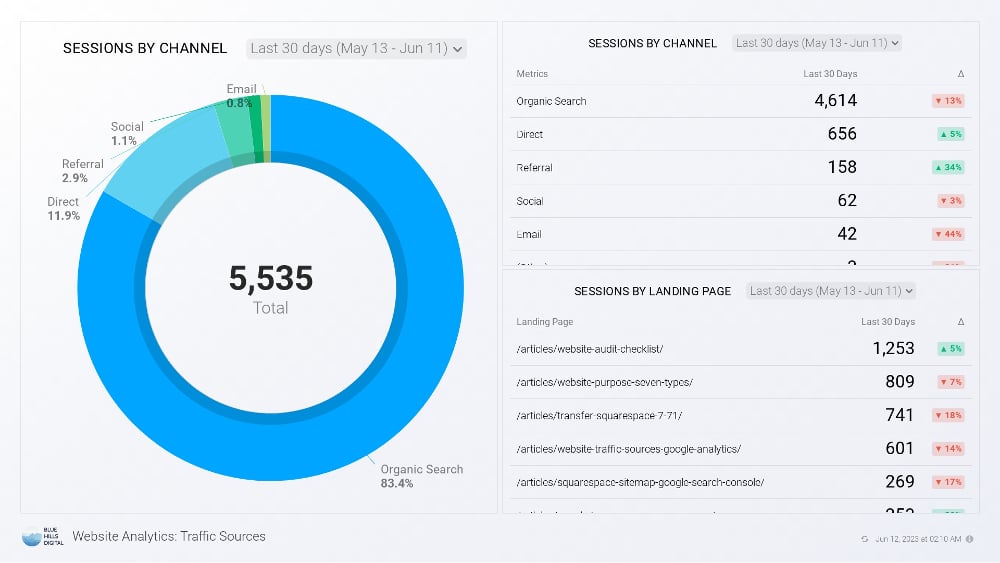
Google Analytics shows you traffic sources. This is critical because you need to know where people are coming from.
- Organic search → From Google (SEO at work).
- Direct → Typed your URL straight in.
- Referral → Clicked a link on another site.
- Social → From platforms like Facebook, Instagram, or Pinterest.
- Paid → From ads.
👉 If you know the source, you know what’s working—and where to double down.
SEO Strategies to Boost Website Traffic
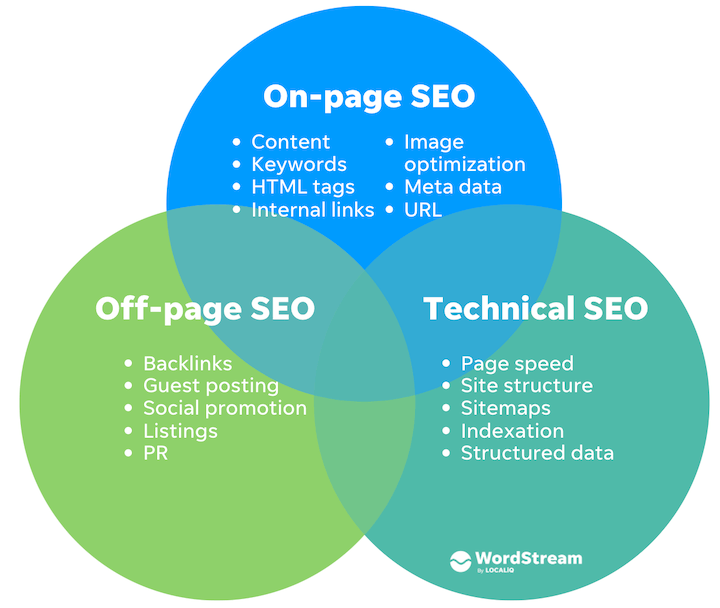
SEO (Search Engine Optimization) is the long game. It’s free, sustainable, and it builds your foundation.
Basic strategies:
- Keyword research → Target what people search for.
- On-page SEO → Optimize titles, meta descriptions, and headers.
- Content updates → Keep posts fresh and relevant.
- Backlinks → Earn links from reputable sites.
Think of SEO as planting seeds. It takes time, but once the garden grows, it feeds you daily.
SEO Strategies to Boost Website Traffic for Beginners [Easy Steps]

Paid Ads vs SEO: Which Grows Website Traffic Faster?
Let’s be straight. Paid ads = instant noodles. SEO = slow-cooked roast.
- Paid ads get you clicks fast, but cost money. Stop paying? Stop traffic.
- SEO takes time, but keeps delivering traffic for free.
👉 If you’re just starting out, focus on SEO first. Once you’ve built a base, layer in ads to scale.

Social Media’s Role in Website Traffic
Social media is like a megaphone for your content. A single viral post can flood your site with visitors.
- Facebook & Instagram → Great for brand awareness.
- LinkedIn → Perfect for B2B traffic.
- Pinterest → Acts like a search engine (and a secret traffic powerhouse).
But remember: social clicks are short-lived. You need to capture them—email signup, lead magnet, or product offer.

Referral Links and Backlinks as Website Traffic Drivers
- Referral links: Direct clicks from other sites (like a club newsletter linking to your event page).
- Backlinks: Links from trusted sites that boost your SEO and rankings.
Referral = quick traffic.
Backlinks = long-term authority.
👉 You need both.
Referral Links vs Backlinks: What 91% of Websites Get Wrong About Traffic and Growth
Content Marketing That Attracts Website Traffic
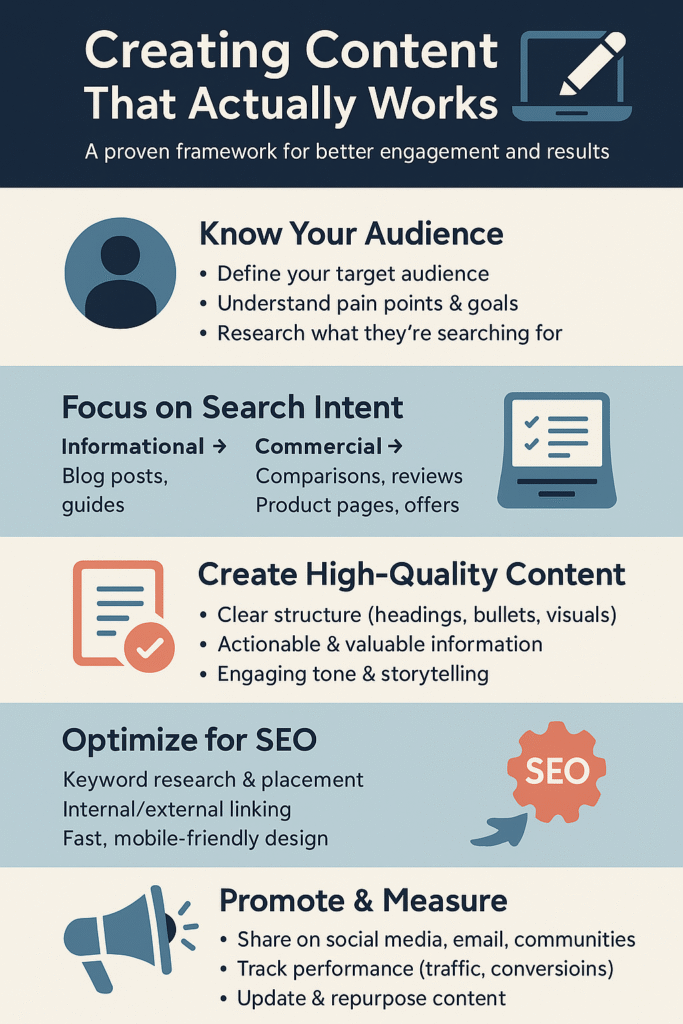
Content is still the king—but only if it’s valuable.
Best content types for traffic:
- Blog posts with clear, actionable advice.
- How-to guides that solve problems.
- Lists and checklists (people love them).
- Videos and infographics for visual learners.
👉 Update old posts often. Google rewards freshness.
Tools to Monitor and Improve Website Traffic
Here are some must-have tools you and I can use:
- Google Analytics → Tracks visitors & behavior.
- Google Search Console → SEO insights & indexing.
- Ahrefs / SEMrush → Keyword tracking & backlinks.
- Ubersuggest → Free keyword research.
Use these to monitor site traffic and adjust strategies.
Local SEO and Website Traffic for Small Businesses
If you run a local business, local SEO is your best friend.
Steps:
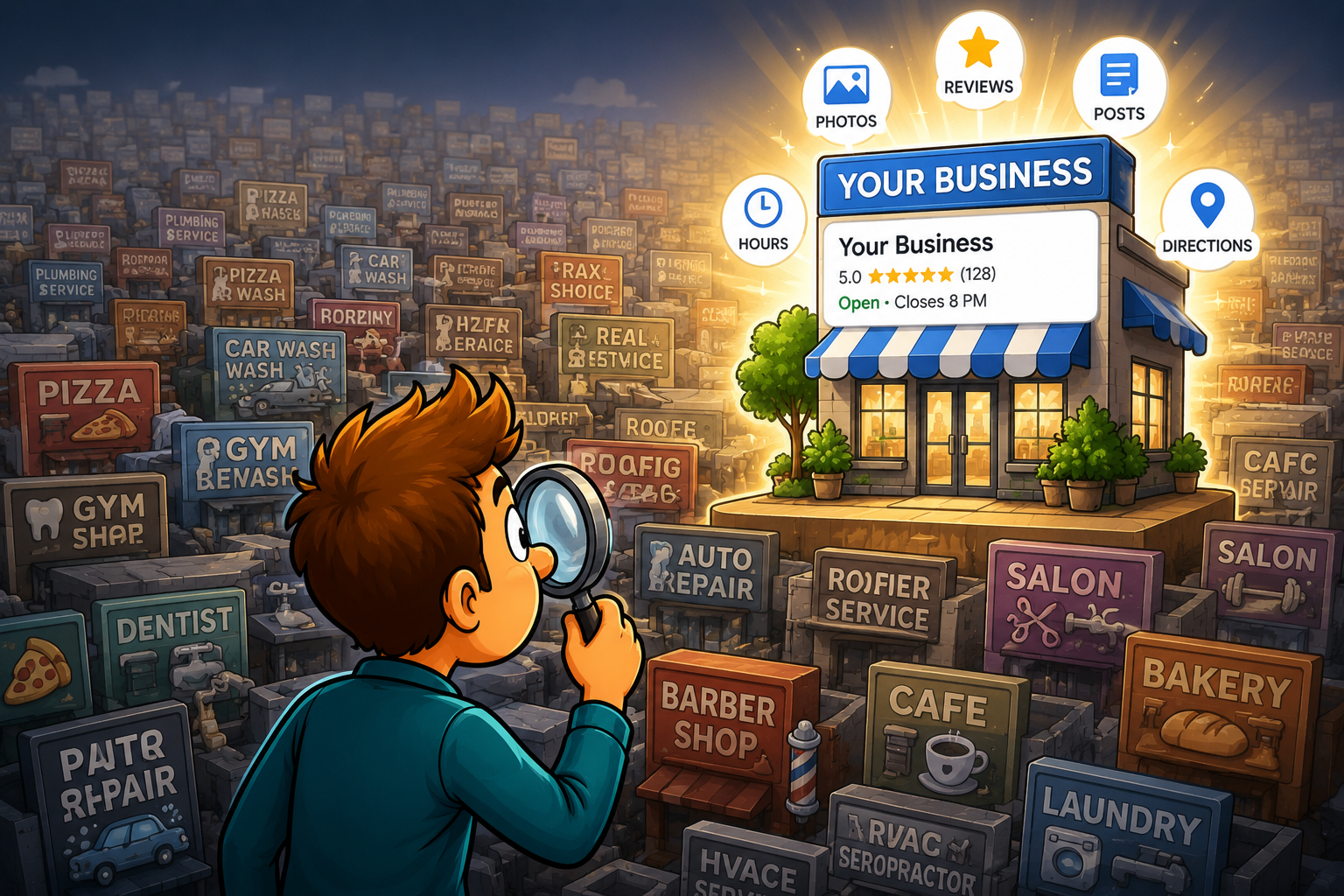
- Claim your Google Business Profile.
- Keep NAP info (Name, Address, Phone) consistent across directories.
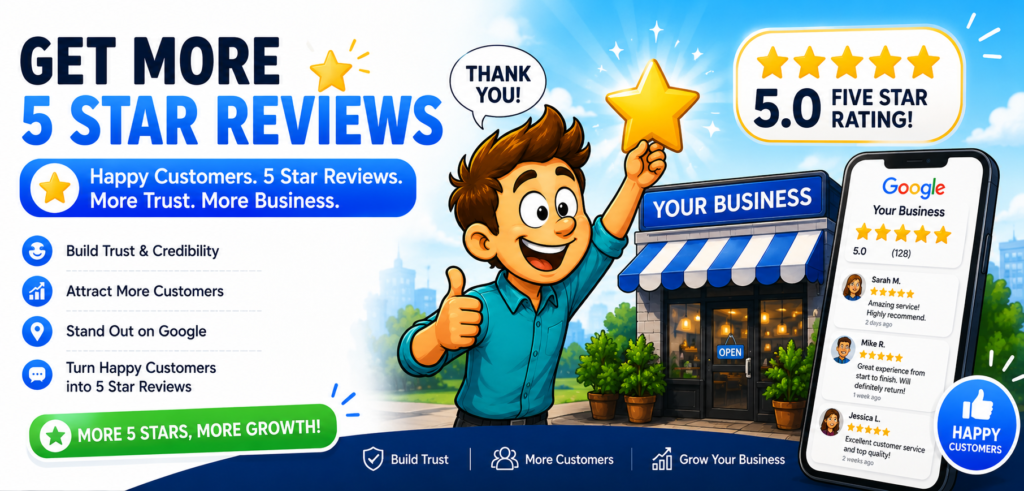
- Collect and respond to reviews.
- Use local keywords (“dentist in Austin,” “pizza near me”).
Local traffic is hyper-targeted and often converts better than global traffic.
Final Word: Website Traffic Is About People, Not Numbers
Website traffic isn’t just numbers. It’s people. Real people looking for solutions, ideas, and services. If you treat traffic as just stats, you’ll miss the point.
But if you treat it as opportunities, then you’ll focus on strategies that actually work:
- Attract with SEO, social, and referrals.
- Keep visitors engaged with design and content.
- Guide them to act with strong CTAs.
👉 You and I both know—once the right people find your site, everything changes.

Related Articles
How to Check Website Traffic on Google Analytics
SEO Strategies to Boost Website Traffic for Beginners [Easy Steps]
SEO vs. Paid Ads: Which Brings Better Long-Term Results
Referral Links vs Backlinks: What 91% of Websites Get Wrong About Traffic and Growth
Which Report Indicates How Traffic Arrived at a Website: Easy Breakdown
More articles
Metric Concerned Website Traffic: The #1 Insight For Better Rankings
Boost Your Website Traffic with These Simple Tips
How To Prepare & Create Daily Content That Boosts Visibility and Ranks 1ST on Google