
Best Content Formats to Engage Potential Clients
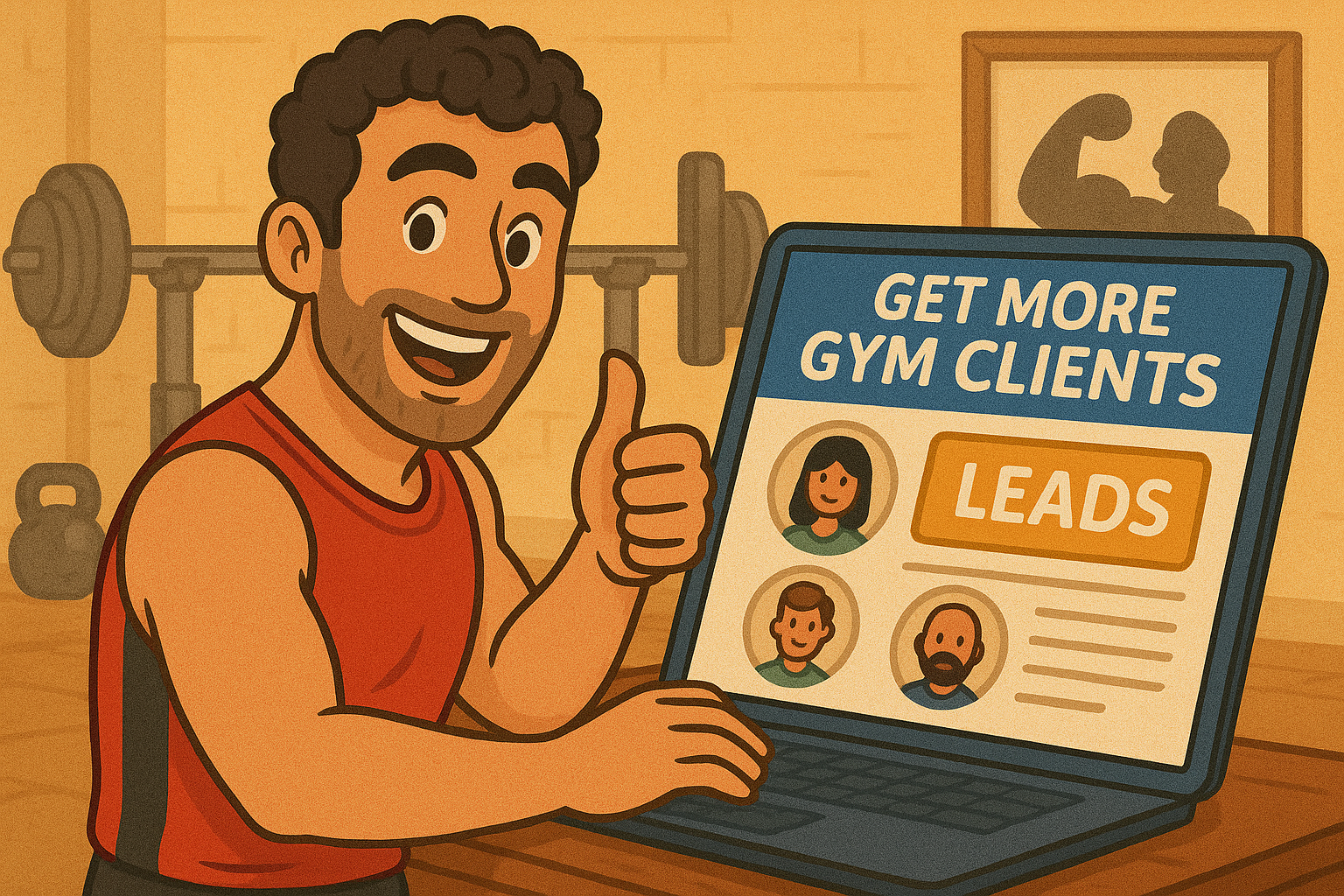
Personal training clients don’t just show up because you’re great in the gym—they come when your business game is just as strong as your fitness routine. Whether you’re just starting out or ready to scale, attracting and retaining clients takes more than expertise—it requires smart marketing. In this guide, you’ll discover proven strategies, from content marketing to social media growth hacks, designed to help you build a thriving client base and grow your personal training business with confidence.
1. Leverage Social Media Marketing
Personal training clients discover me every day on social media—I keep my brand visible by posting workout snippets, client success stories, and daily motivation. Platforms like Instagram, Facebook, and TikTok have transformed the journey to personal training clients, letting me show who I am and what I do uniquely.
Key Features:
- Content Creation: I share daily workout tips, client transformations, and behind-the-scenes clips.
- Targeted Ads: My PPC strategy on Meta Ads helps me reach potential personal training clients locally.
- Engagement: I reply to every comment, host live workouts, and use DMs for quick check-ins.
Why Use It:
According to Hootsuite, brands that engage actively on social media see a plast 47% increase in client acquisition. For me, social media marketing humanizes a trainer—it helps personal training clients trust me before they even meet me.
2. Offer Free Sessions or Trials
When I invite someone to a free session, they meet me in action—and that’s powerful. Most of my best personal training clients started this way.
Key Features:
- Risk-Free Experience: I say, “Try it on me first.”
- Showcase Expertise: Through a single session, they see my knowledge and demeanor.
- Build Trust: A great first impression turns free trials into committed personal training clients.
Why Use It:
Data shows that free trials raise conversion by up to 30%, and I’ve found that personal training clients who start free usually become regulars within just 2–3 sessions.

3. Create a Professional Website
My website is more than a homepage—it’s my digital salon. It’s where personal training clients go first when they’re looking for me. It’s clean, fast, and conversion-optimized.
Key Features:
- Service Pages: Clear sections for one-on-one training, group classes, and online coaching.
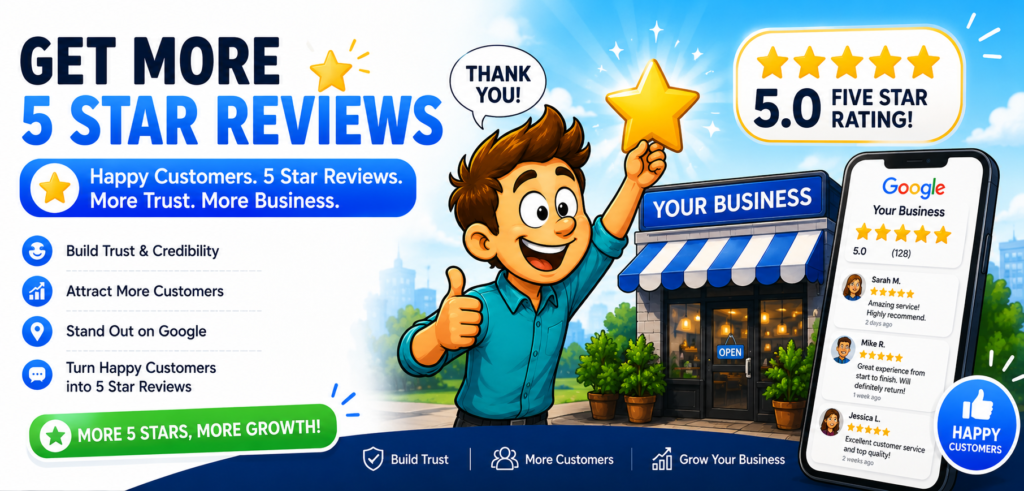
- Testimonials: Real success stories from actual personal training clients.
- Contact Options: Smart forms and a “Book Now” button make it easy for potential personal training clients to reach out in seconds.
Why Use It:
A survey found that 75% of users judge credibility first by design—so having a polished site gives personal training clients confidence from the start. Plus, a professional site supports my ongoing SEO strategy and helps with backlinking.
Affordable Web Design & Hosting – Get Online for Just $50/Month!
4. Utilize Local SEO
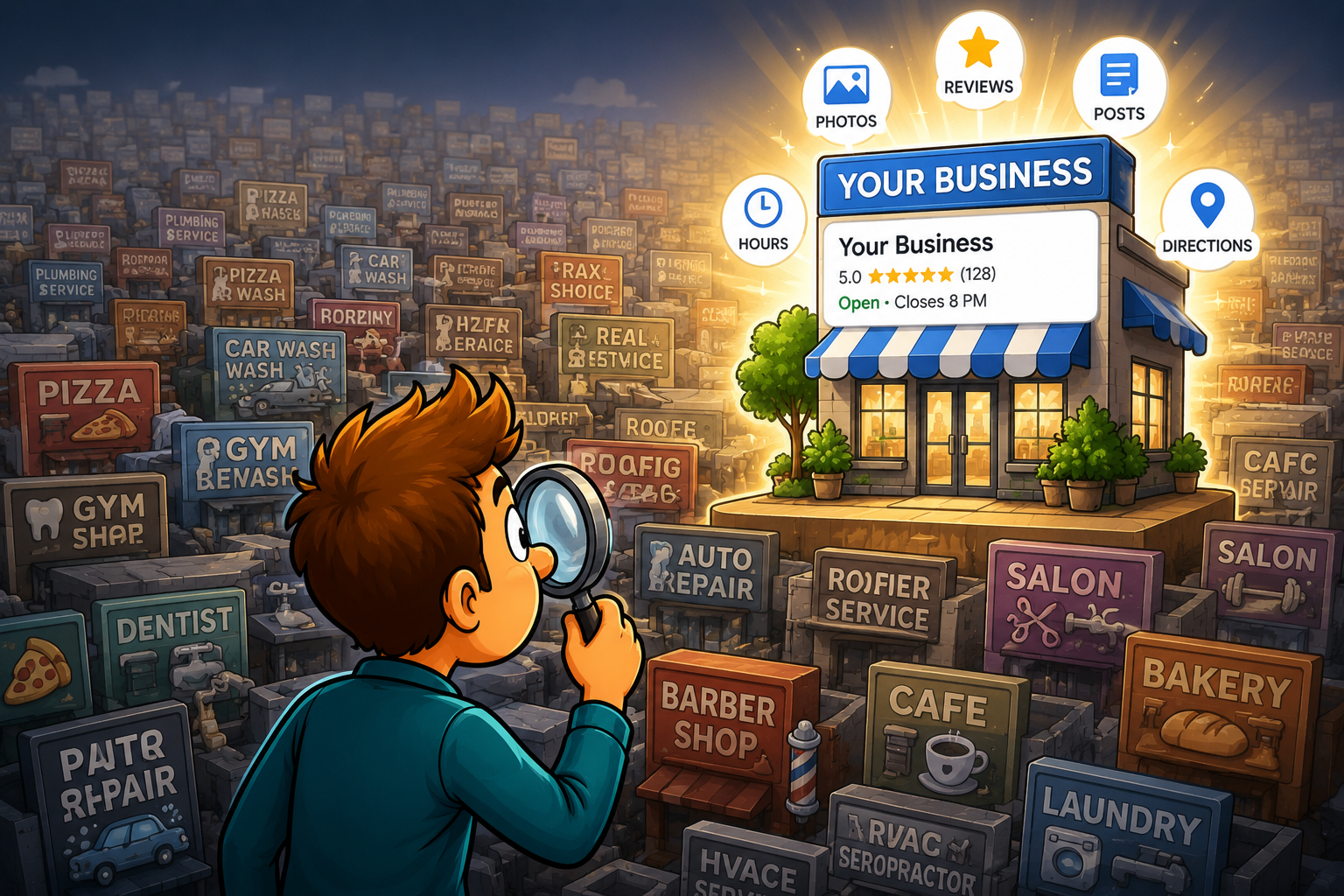
I work hard to show up when personal training clients search for “personal trainer near me.” That’s where local SEO comes in—my secret weapon for visibility.
Key Features:
- Google Business Profile: I keep every detail—photos, reviews, hours—always updated.
- Localized Keywords: My pages say “personal training clients in [City],” and I sprinkle in “personal training clients” everywhere.
- Online Directories: I’m listed on Yelp, local health directories, and fitness sites to reach more personal training clients.
Why Use It:
BrightLocal reports that 46% of all searches now have local intent. Optimizing for local searches ensures that personal training clients find me, not someone else nearby.
Can Rapid URL Indexer Improve Local SEO Performance? Find Out How!
How URL Structures Drive SEO, Backlinks & Clicks: My Simple Guide
5. Network Within Your Community
I’ve found the best personal training clients often come through personal connections at local gyms, wellness fairs, or even office wellness programs.
Key Features:
- Collaborations: I run workshops at yoga studios and partner with local health clubs.
- Workshops: I host free fitness events that introduce me to prospective personal training clients.
- Referrals: Fellow fitness pros and gym staff often suggest me to their own personal training clients.
Why Use It:
Networking helps me connect with personal training clients while building mutual trust. It’s a natural way to grow—and referrals bring clients who already want what I offer.
6. Offer Group Training Sessions
Group classes are a great way to serve more personal training clients without overextending myself.
Key Features:
- Affordable Pricing: It’s easier for clients to commit to group rates than private sessions.
- Social Interaction: Clients form a community, increasing their motivation.
- Scalability: I reach more personal training clients in less time by training groups of 5–10 together.
Why Use It:
Group training not only boosts income, but it also turns clients into ambassadors. When they bring a friend, we turn them into new personal training clients together.
7. Use Email Marketing
Email keeps me connected to both prospects and existing personal training clients—and it’s one of my favorite tools for nurturing long-term loyalty.
Key Features:
- Newsletter: Weekly fitness tips, healthy recipes and real stories from personal training clients.
- Exclusive Offers: I send private discounts and event invitations only to email subscribers.
- Personalized Emails: I share specific workout routines based on client goals.
Why Use It:
Email gives me direct access to personal training clients. Mailchimp data says email marketing has an ROI of $36 for every $1 spent—so a few good newsletters can help you connect with personal training clients at scale.
8. Specialize in a Niche
By focusing on weight loss and busy professionals, I’ve attracted personal training clients who feel seen and understood from the first touch.
Key Features:
- Targeted Messaging: Every page and post talk directly to “time-crunched professionals looking to lose 15+ pounds.”
- Authority Building: I share blog posts and results specific to my niche.
- Premium Pricing: Niche clients see value and are happy to pay more for results.
Why Use It:
When I zero in on a niche, my brand speaks directly to the needs of personal training clients, making them more likely to reach out and stay engaged long-term.
9. Invest in Online Training Options
Offering virtual training expanded my reach far beyond my hometown, letting me connect with personal training clients globally.
Key Features:
- Zoom Sessions: One-on-one workouts across time zones.
- On-Demand Library: Clients access workouts anytime—like a personal gym in your pocket.
- Global Reach: I serve both local and remote personal training clients, doubling my market.
Why Use It:
Remote coaching means no geographic limits. Especially since personal training clients love how flexible online workouts are with their schedules.
10. Encourage Client Referrals
My best marketing channel? It’s word-of-mouth from happy personal training clients.
Key Features:
- Referral Discounts: They bring a friend and we both celebrate with freebies.
- Exclusive Rewards: Clients get branded gear after 3 successful referrals.
- Word-of-Mouth: Happy clients I’ve served become natural ambassadors.
Why Use It:
Referrals are incredibly effective. New clients coming via referral convert at nearly 70%—and the trust factor makes them more likely to stay loyal personal training clients.
How to Choose the Best Strategy for Your Business
You’ve got many options, but the best path depends on where you’re at:
- Just Starting: Focus on social media marketing, free trials, local SEO, and networking to attract new personal training clients fast.
- Ready to Scale: Add group sessions, online coaching, and email funnels to serve more personal training clients without burning out.
- Targeting a Specific Demographic: Specialize in a niche and craft messaging that resonates—because personal training clients are looking for someone who “gets” them.
Practical Tips for Success
- Stay Consistent: Marketing and client-building require ongoing effort, so don’t give up after initial attempts.
- Track Metrics: Measure the success of your strategies (e.g., website traffic, email engagement, or social media growth).
- Engage Regularly: Whether it’s through emails, social posts, or in-person interactions, stay connected with your audience.
Attracting Clients Through Value-Driven Content
In the highly competitive field of personal training, showcasing your expertise and connecting with potential clients on a deeper level can set you apart. Content marketing is a proven strategy to demonstrate your knowledge, build trust, and attract new clients. By creating and sharing valuable content tailored to your audience’s needs, you position yourself as a go-to authority in the fitness industry.
This section explores how personal trainers can use blogs, videos, and other forms of content marketing to attract clients and grow their businesses.
Why Content Marketing Works for Personal Trainers
Content marketing is about providing helpful, relevant information that solves your audience’s problems or answers their questions. For personal trainers, this means sharing fitness tips, debunking myths, and offering advice that resonates with potential clients.
Benefits of Content Marketing:
- Builds Authority: Regularly sharing expert insights establishes you as a knowledgeable and trustworthy trainer.
- Increases Visibility: Optimized content can rank on search engines, attracting organic traffic to your website.
- Engages Your Audience: Engaging content keeps your followers interested and encourages them to share your work.
- Drives Leads: Informative content can guide potential clients through their decision-making process and toward booking your services.
Step 1: Identify Your Target Audience
Before creating content, it’s essential to understand who you’re trying to reach. Your audience will determine the topics, tone, and format of your content.
Key Questions to Define Your Audience:
- What are their fitness goals (e.g., weight loss, muscle building, endurance training)?
- What challenges or pain points do they face (e.g., lack of time, misinformation, or fear of gyms)?
- What platforms do they use to consume content (e.g., Instagram, YouTube, blogs)?
Example: If your target audience is busy professionals, your content might focus on quick workouts, stress management, and meal prep tips.
Step 2: Choose Your Content Formats
Personal trainers have multiple formats to choose from when it comes to content marketing. Selecting the right format depends on your strengths and where your audience spends their time.
Popular Formats for Personal Trainers:
- Blogs: Ideal for in-depth information, such as “The Ultimate Guide to Strength Training” or “Top 10 Mistakes Beginners Make at the Gym.”
- Videos: Great for demonstrating exercises, hosting Q&A sessions, or sharing client success stories.
- Infographics: Visual summaries of topics like “5 Best Foods for Muscle Recovery” or “How to Structure a Weekly Workout Plan.”
- Podcasts: Excellent for reaching an audience that prefers audio content. Discuss fitness trends, interview experts, or share motivational stories.
- Social Media Posts: Quick, bite-sized tips or engaging reels that showcase your personality and training style.
Pro Tip: Repurpose content across platforms. For example, turn a blog post into a short video or infographic to maximize its reach.
Step 3: Develop a Content Strategy
A well-thought-out strategy ensures your content is consistent, valuable, and aligned with your business goals.
Steps to Create Your Strategy:
- Set Goals: Decide what you want to achieve with your content. Examples include increasing website traffic, generating leads, or boosting social media engagement.
- Plan a Schedule: Consistency is key. Create a content calendar to ensure regular posting.
- Focus on Evergreen Content: Topics like “How to Improve Your Posture” or “Beginner’s Guide to Cardio” remain relevant over time.
- Incorporate Timely Content: Balance evergreen pieces with seasonal or trending topics, such as “Best Winter Workouts” or “How to Stay Fit During the Holidays.”
Example Calendar:
- Monday: Instagram Reel of a quick HIIT workout.
- Wednesday: Blog post about proper hydration during workouts.
- Friday: Client success story shared on Facebook with a call-to-action to book a free consultation.
Step 4: Optimize for Search Engines (SEO)
Search engine optimization (SEO) ensures your content reaches people actively searching for fitness solutions online. A few basic SEO strategies can significantly improve your visibility.
SEO Tips for Personal Trainers:
- Keyword Research: Use tools like Google Keyword Planner or Ubersuggest to find terms your audience is searching for, such as “weight loss workouts” or “home gym exercises.”
- Include Keywords Strategically: Incorporate them into titles, headings, and throughout your content naturally.
- Write Compelling Meta Descriptions: Summarize your content in a way that entices users to click.
- Optimize Images: Use alt text to describe images and reduce file sizes for faster loading times.
- Internal Linking: Link to other content on your website to keep visitors engaged.
Example: A blog titled “5 Best Core Exercises for Beginners” could target keywords like “core exercises” and “beginner workouts,” boosting its chances of appearing in search results.
Step 5: Engage With Your Audience
Publishing content is only half the battle. Actively engaging with your audience helps build relationships and fosters trust.
How to Engage:
- Respond to Comments: Answer questions or thank followers for their feedback on social media or blog posts.
- Host Live Sessions: Use Instagram Live or Facebook Live to answer fitness questions in real time.
- Encourage Interaction: Add polls, quizzes, or challenges to your content to make it more interactive.
- Ask for Feedback: Let your audience suggest topics they’d like you to cover.
Pro Tip: Personalize your responses. Calling someone by their name or referencing their comment shows genuine care.
Step 6: Measure Your Success
Tracking the performance of your content helps you understand what resonates with your audience and refine your strategy.
Metrics to Monitor:
- Website Traffic: Use Google Analytics to see how many visitors your blog is attracting.
- Engagement Rates: Monitor likes, shares, and comments on social media posts.
- Conversion Rates: Track how many people take action, such as booking a consultation or signing up for your email list.
- Audience Growth: Keep an eye on follower counts, email subscribers, or video views over time.
Example: If your blog on “Quick Workouts for Busy Moms” receives significant traffic and comments, consider creating a video series or e-book on the same topic.
Examples of Content Ideas for Personal Trainers
To inspire your content creation, here are some ideas tailored to fitness audiences:
- “5-Minute Workouts for Busy Professionals” – A short video series demonstrating quick routines.
- “The Truth About Spot Reduction: Debunking Common Myths” – A blog that educates clients on realistic fitness goals.
- “How to Stay Motivated During Winter” – A motivational podcast or Instagram post.
- “The Benefits of Stretching: When and How to Do It” – An infographic explaining pre- and post-workout stretches.
- “Real Results: Client Transformation Stories” – A before-and-after video series showcasing client progress.
Combining Content Marketing With Other Strategies
While content marketing is a powerful tool on its own, it works even better when combined with other strategies, such as:
- Social Media Ads: Boost your content to reach a wider audience.
- Email Campaigns: Share your blog posts and videos with your email list to keep them engaged.
- Referrals: Use your content to remind existing clients to refer their friends.e
Final Thoughts: Grow Your Personal Training Business Through Content Marketing
Content marketing is not just about creating material; it’s about delivering value, engaging with your audience, and positioning yourself as a trusted fitness professional. By sharing your expertise through blogs, videos, and other formats, you can attract clients who are genuinely interested in what you have to offer.
Start small by creating one piece of content at a time, refine your approach based on audience feedback, and watch as your personal training business grows through the power of content marketing.
Related Articles
PPC Consultant Campaign Management: How to Turn Ad Spend Into Real ROI in 30 Days