
The Complete Guide to the Web Page Design Process
Creating a good web page takes more than dropping in some colors, images, and text. A solid plan helps your site look clean, feel easy to use, and load fast. Whether you’re building a page for yourself, a client, or a business, following a clear process can save you time and help you get better results.
Goals & Purpose
Before you design anything, stop and think:
- What is this page supposed to do?
- Who am I talking to?
- What do I want visitors to do next?
It’s easier to design when you have 2 or 3 clear goals written down.

2️⃣ Research & Plan Your Page Layout
Look at other websites in your niche to see what works.
- Check what successful websites do well
- Plan your sections (header, services, testimonials, contact info, etc.)
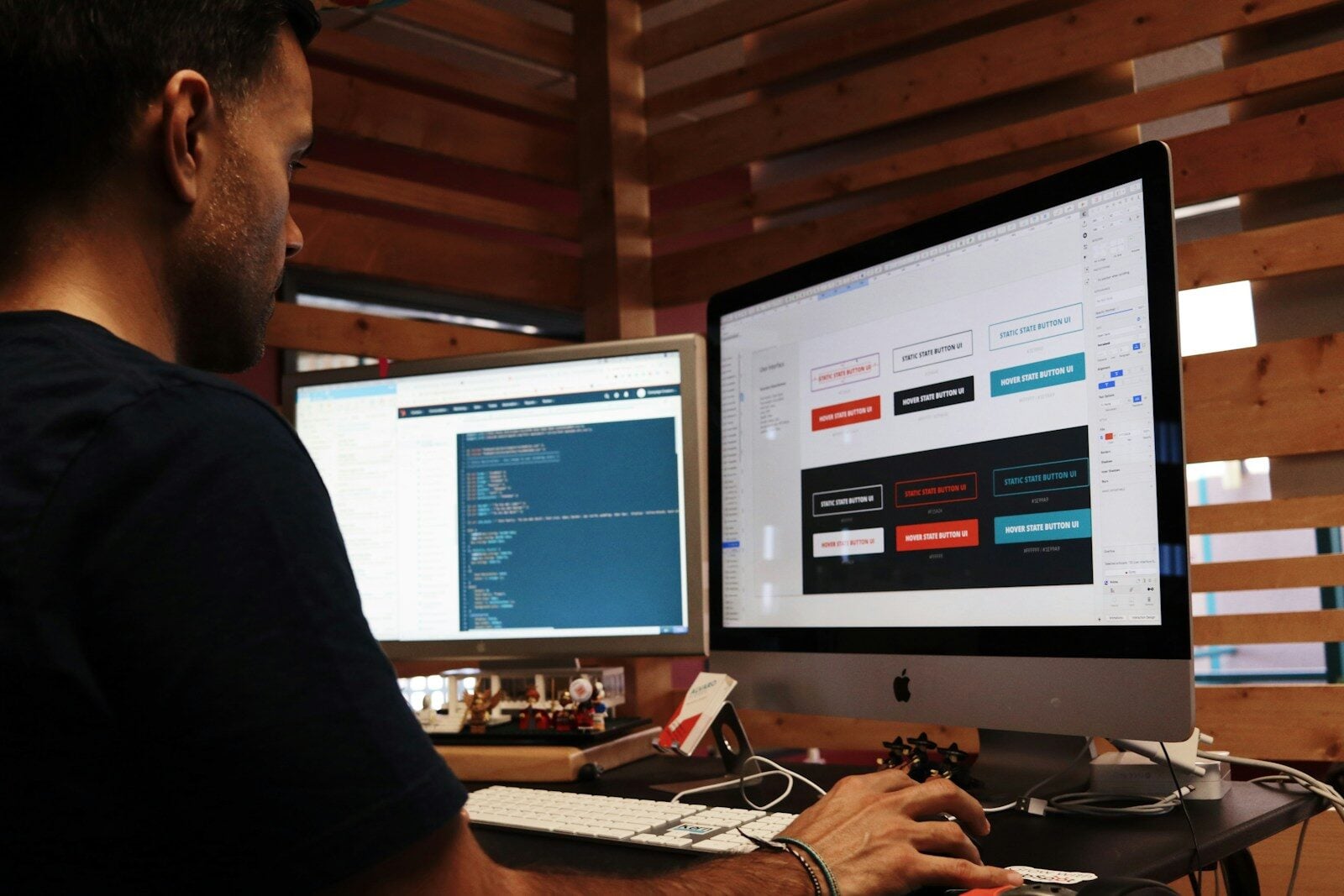
- Sketch a simple wireframe to map out your layout
Tools you can try:
Adobe XD: https://www.adobe.com/products/xd.html
Figma: https://www.figma.com
3️⃣ Choose the Right Platform
Pick a website platform that matches your skill level:
- WordPress – Flexible and great for SEO
- Wix – Easy for beginners
- Squarespace – Clean templates, simple editing
- Shopify – Best for online stores
- Webflow – Good for custom and visual designs
Platforms:
- WordPress: https://wordpress.org
- Wix: https://www.wix.com
- Squarespace: https://www.squarespace.com
- Shopify: https://www.shopify.com
- Webflow: https://www.webflow.com
4️⃣ Create a User-Friendly Layout
A web page should be simple, clear, and easy to move around.
- Keep your design clean
- Use clear menu labels
- Make mobile design a top priority
- Aim for under 3-second load speeds
Learn about page outlines:
https://www.hotjar.com/blog/website-structure/
Heatmap tools:
- Hotjar: https://www.hotjar.com
- Microsoft Clarity: https://clarity.microsoft.com
5️⃣ Design for Visual Appeal & Branding
Your page should match your brand’s personality.
- Stick to 2–3 fonts
- Use colors that match your message
- Add high-quality images
- Keep spacing consistent
Useful tools:
- Canva: https://www.canva.com
- Adobe Photoshop: https://www.adobe.com/products/photoshop.html
6️⃣ Optimize for SEO & Performance
Even a beautiful web page won’t help if no one can find it.
- Use clean URLs
- Add meta descriptions
- Compress images for faster loading (TinyPNG or ImageOptim)
- Add both internal and external links
SEO tools:
TinyPNG: https://tinypng.com
Google PageSpeed Insights: https://pagespeed.web.dev
7️⃣ Add Strong Calls-to-Action (CTAs)
A CTA tells visitors what to do next.
- Use strong text like “Get Started” or “Book Now”
- Place CTAs where people can see them fast
- Make them bold and noticeable
A/B test tools:
- Crazy Egg: https://www.crazyegg.com
8️⃣ Test Before You Launch
Check everything before going live.
- Test on phones, tablets, and desktops
- Try every link and button
- Fix spelling mistakes
- Run a speed test
Helpful tools:
- Google Lighthouse: https://developer.chrome.com/docs/lighthouse
- GTmetrix: https://gtmetrix.com
9️⃣ Launch & Track Your Page
Once you publish your site, keep an eye on performance.
- Track traffic and user behavior with Google Analytics
- Watch bounce rates
- Make updates based on real data
Google Analytics:
https://analytics.google.com
How Heatmaps Help You Improve Web Design
Heatmaps show you exactly how visitors use your page by highlighting what they click, how far they scroll, and what grabs their attention.
Heatmaps help you:
Increase conversions
Understand what users notice first
Spot confusing areas
Improve CTA placements
Popular heatmap tools:
- Hotjar: https://www.hotjar.com
- Crazy Egg: https://www.crazyegg.com
- Microsoft Clarity (free): https://clarity.microsoft.com

Heatmap Types
1️⃣ Click Heatmaps
Shows where visitors click most.
2️⃣ Scroll Heatmaps
Shows how far users scroll before leaving.
3️⃣ Attention Heatmaps
Shows which areas get the most focus.
Using Heatmaps to Improve Your Page
- Move important content to high-engagement areas
- Improve or reposition CTAs
- Fix elements users think are clickable
- Adjust layouts for mobile users
- Run A/B tests to improve results
Conclusion: A Well-Designed Page Drives Real Results
A strong web page isn’t just pretty. It’s clear, easy to use, fast, and built with your visitors in mind. When you follow a simple process, use the right tools, and study how people interact with your page, you create a site that gets better results over time.
If you want, I can also create:
- A shorter version
- An SEO version
- A structured subpage layout
- A downloadable PDF
Related Articles
Web Page Planning Made Easy: Free Templates for Information Models
A Simple Breakdown Web Development Resource Process Subpage: How the Whole Build Works
Free Web Design Cost Calculator: Get an Instant Estimate for Your Website Budget!