
What Can Web Designers Learn From a Python Web Framework?
A Python Web Framework teaches web designers how to build structured, scalable, and logical websites. It helps organize code, improve planning, and create cleaner, more efficient designs.
Why Designers Should Think Like Developers
Many web designers focus on how a website looks. But great websites are not just pretty—they are also well-built.
This is where a Python Web Framework becomes important. It shows how structure, logic, and planning can make a website stronger and easier to manage.
Even if you don’t code, learning from a Python Web Framework can help you design smarter and cleaner websites.
Understanding a Python Web Framework
A Python Web Framework is a tool developers use to build websites and web apps.
It helps organize everything, such as:
- Pages
- Data
- User actions
- Server logic
Instead of building from scratch, a Python Web Framework provides a clear system to follow.
For designers, this system offers valuable lessons.
Lesson 1: Structure Matters More Than Style
A Python Web Framework is built on structure.
Why Structure Is Important
Websites with good structure:
- Load faster
- Are easier to update
- Work better across devices
Designers can learn to plan layouts the same way a Python Web Framework organizes pages and components.

Lesson 2: Think in Logic, Not Just Looks
A Python Web Framework follows clear logic. Every action has a purpose.
How This Helps Designers
Instead of just designing pages, think about:
- What happens when a user clicks
- Where the user goes next
- How the system responds
Using logic like a Python Web Framework helps create smoother user experiences.
Lesson 3: Plan Before You Build
One key idea in a Python Web Framework is planning first.
Why Planning Saves Time
Developers using a Python Web Framework don’t jump in blindly. They map out:
- Routes
- Data flow
- Page structure
Designers can do the same by planning wireframes and user paths before designing.
Lesson 4: Keep Designs Clean and Simple
A Python Web Framework avoids clutter. It keeps things clean and organized.
Clean Design Benefits
- Easier navigation
- Faster load times
- Better user experience
Designers who follow the mindset of a Python Web Framework create cleaner websites.
Lesson 5: Build for Growth (Scalability)
A strong Python Web Framework is built to grow.
What Is Scalability?
Scalability means your website can handle:
- More users
- More pages
- More data
Designers should think ahead. A layout that works for 10 pages should also work for 1,000 pages—just like a Python Web Framework.
Lesson 6: Reuse and Stay Consistent
A Python Web Framework often uses reusable parts.
Designers Can Do the Same
- Use the same buttons across pages
- Keep fonts and colors consistent
- Reuse layouts
This saves time and keeps designs uniform.
Lesson 7: Focus on User Flow
A Python Web Framework is built around how users move through a site.
Better User Flow Means Better Results
Designers should:
- Guide users clearly
- Avoid confusion
- Make actions simple
Following the logic of a Python Web Framework helps improve navigation.
Lesson 8: Organize Content Clearly
A Python Web Framework organizes data carefully.
Apply This to Design
- Group related content
- Use clear headings
- Avoid clutter
Clear organization improves readability and usability.
Lesson 9: Make Updates Easy
Websites built with a Python Web Framework are easier to update.
Design for Easy Changes
Designers should:
- Avoid overly complex layouts
- Keep systems flexible
- Plan for future edits
This makes long-term maintenance easier.
Lesson 10: Work Better With Developers
Understanding a Python Web Framework helps designers communicate better with developers.
Why This Matters
- Fewer mistakes
- Faster projects
- Better results
When designers understand how a Python Web Framework works, teamwork improves.
Lesson 11: Think Long-Term
A Python Web Framework is built for the future, not just today.
Designers should also think long-term:
- Will this design still work next year?
- Can it grow with the business?
This mindset leads to stronger websites.

Frequently Asked Questions
1. What is a Python Web Framework?
A Python Web Framework is a tool used to build websites with structure and logic.
2. Do designers need to learn coding?
No, but understanding a Python Web Framework can help improve design thinking.
3. Why is structure important?
Structure makes websites easier to use and manage.
4. What is scalability?
It means a website can grow without breaking.
5. How does this help designers?
It helps them create cleaner, smarter, and more organized designs.
Conclusion: Design Smarter, Not Just Prettier
A great website is not just about colors and images. It’s about structure, logic, and planning.
A Python Web Framework teaches designers how to think ahead, stay organized, and build for growth.
By using these lessons, web designers can create websites that are not only beautiful—but also powerful and long-lasting.

Related Articles
Latest Articles
-

Google Review Removal Service That Protects Your Reputation and Builds Trust
Can Negative Google Reviews Damage a Healthcare Organization? A sudden wave of negative Google reviews can seriously damage the reputation of a nursing home or medical practice. Families researching nursing homes often compare ratings, recent reviews, management responses, photographs, and overall review activity before scheduling a tour. Patients may perform the same research before choosing…
-
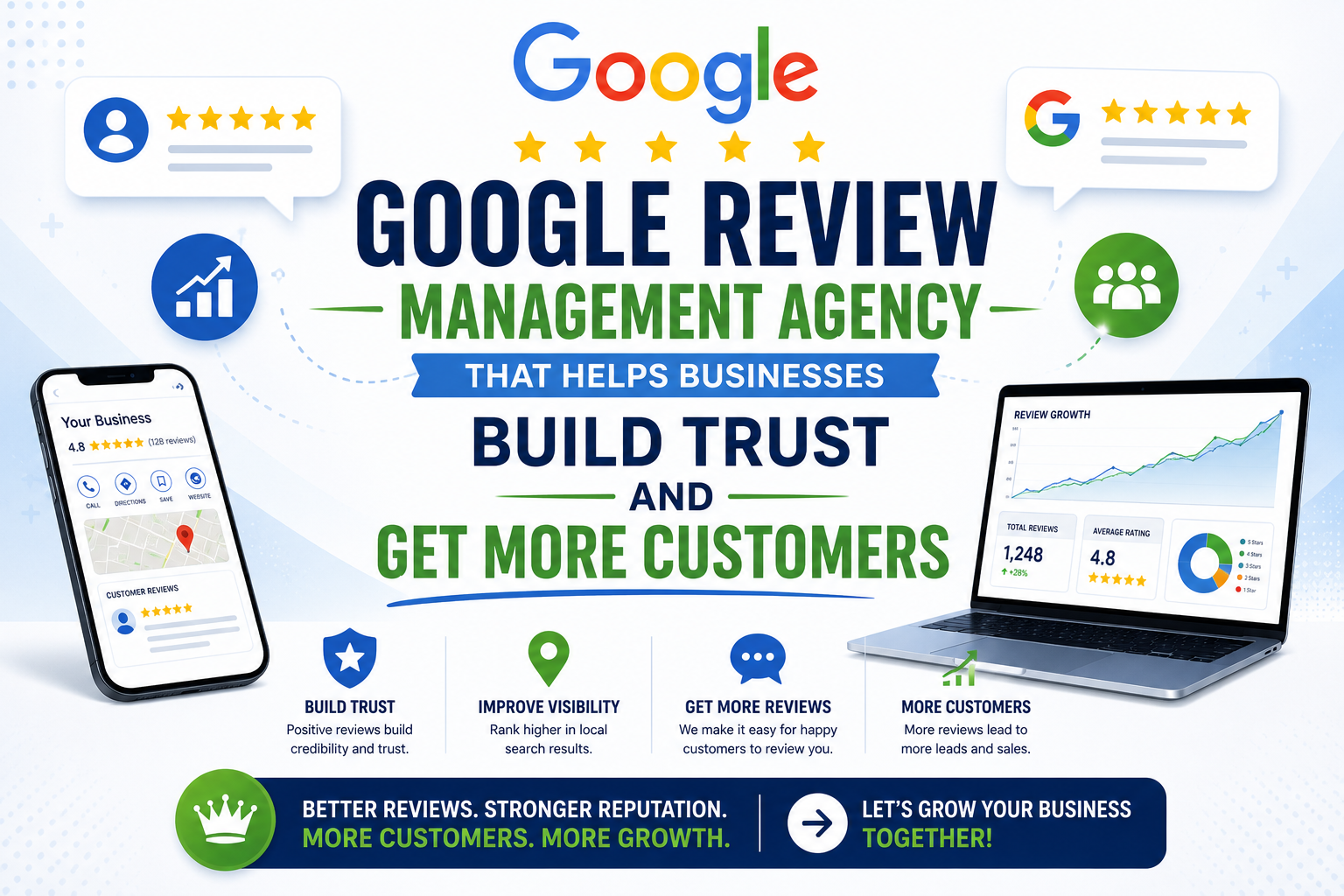
Google Review Management Agency That Helps Businesses Build Trust and Get More Customers
People trust Google reviews before they trust advertisements. Before contacting your business, potential customers usually search your company online and ask themselves one important question: “Can I trust this business?” That answer often comes from your reviews. Customers look at: If your business has weak reviews, outdated feedback, or unanswered complaints, customers may choose a…
-
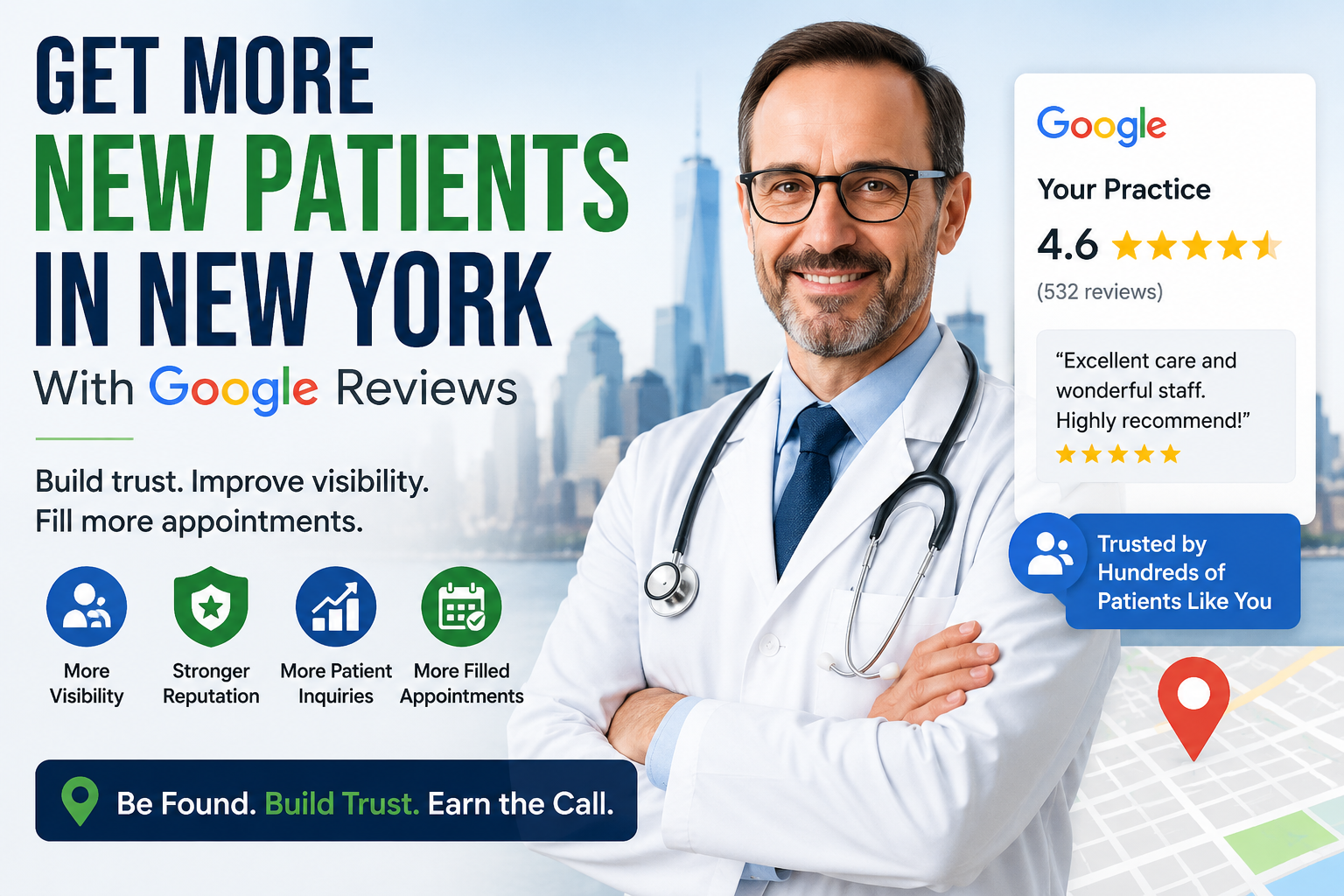
How to Get New Patients in New York With Google Reviews
Your next patient in New York may decide whether to call your practice before ever speaking to your staff. Today, patients search, compare, and read reviews before choosing care. A 2025 survey found 84% of patients check online reviews before choosing a new healthcare provider. In 2026, 75% said they wouldn’t book with a provider…