How Can a Python Web Framework Help Manage Google Reviews?
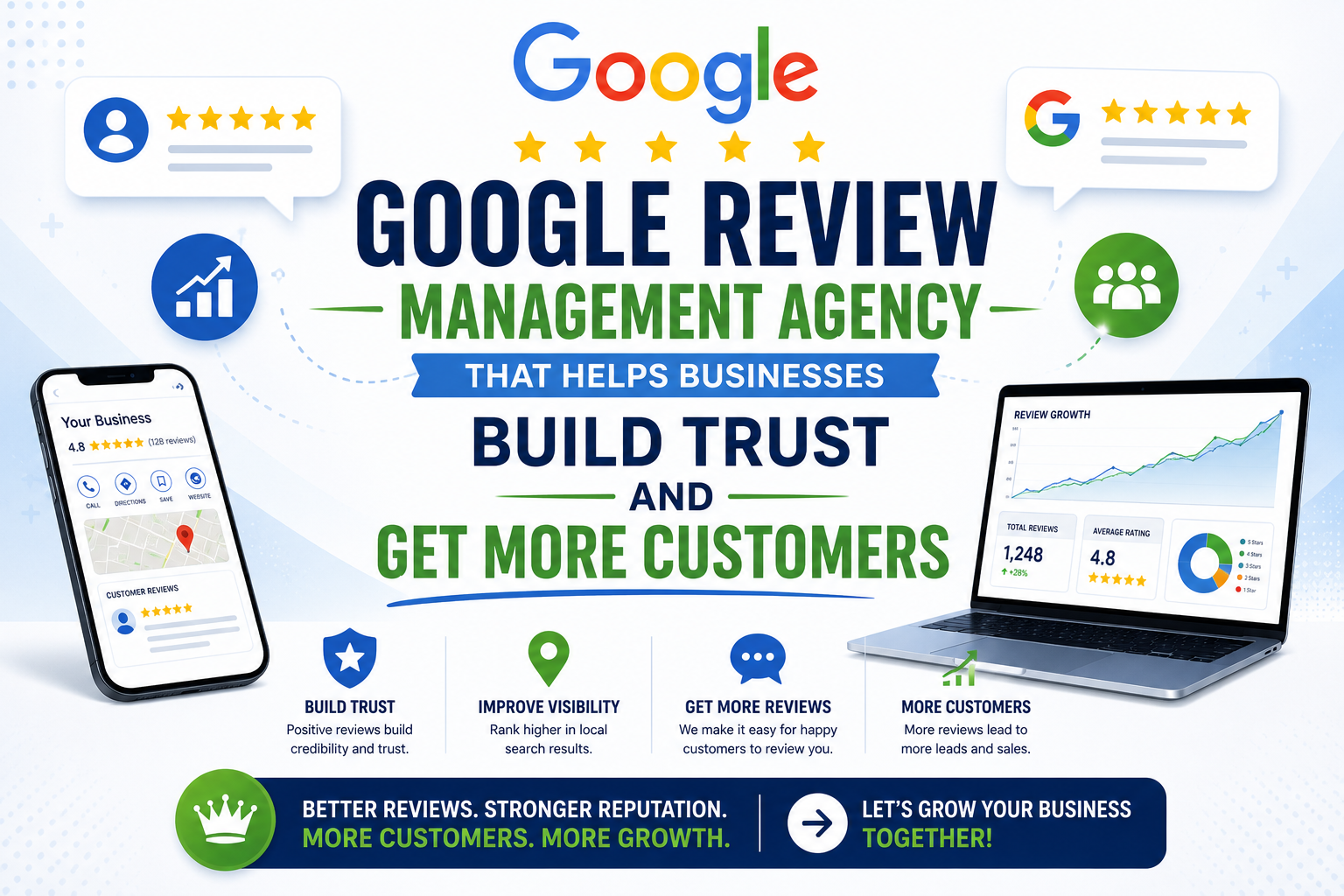
A Python Web Framework helps businesses manage Google Reviews by automating responses, tracking review activity, and building dashboards that organize customer feedback in one place.
Why Google Reviews Matter More Than Ever for Businesses
Businesses today compete online before customers ever make contact. Google reviews influence trust, local SEO rankings, click-through rates, and buying decisions within seconds. Companies with stronger reviews often win more calls, more website visits, and more customers than competitors with weaker online reputations.
This is where Python web frameworks become valuable. Businesses can use automation tools built with Python to monitor reviews, send review requests, track customer feedback, and improve response times efficiently. Modern Google review management systems help companies scale reputation management without increasing manual workload.
What Is a Python Web Framework?
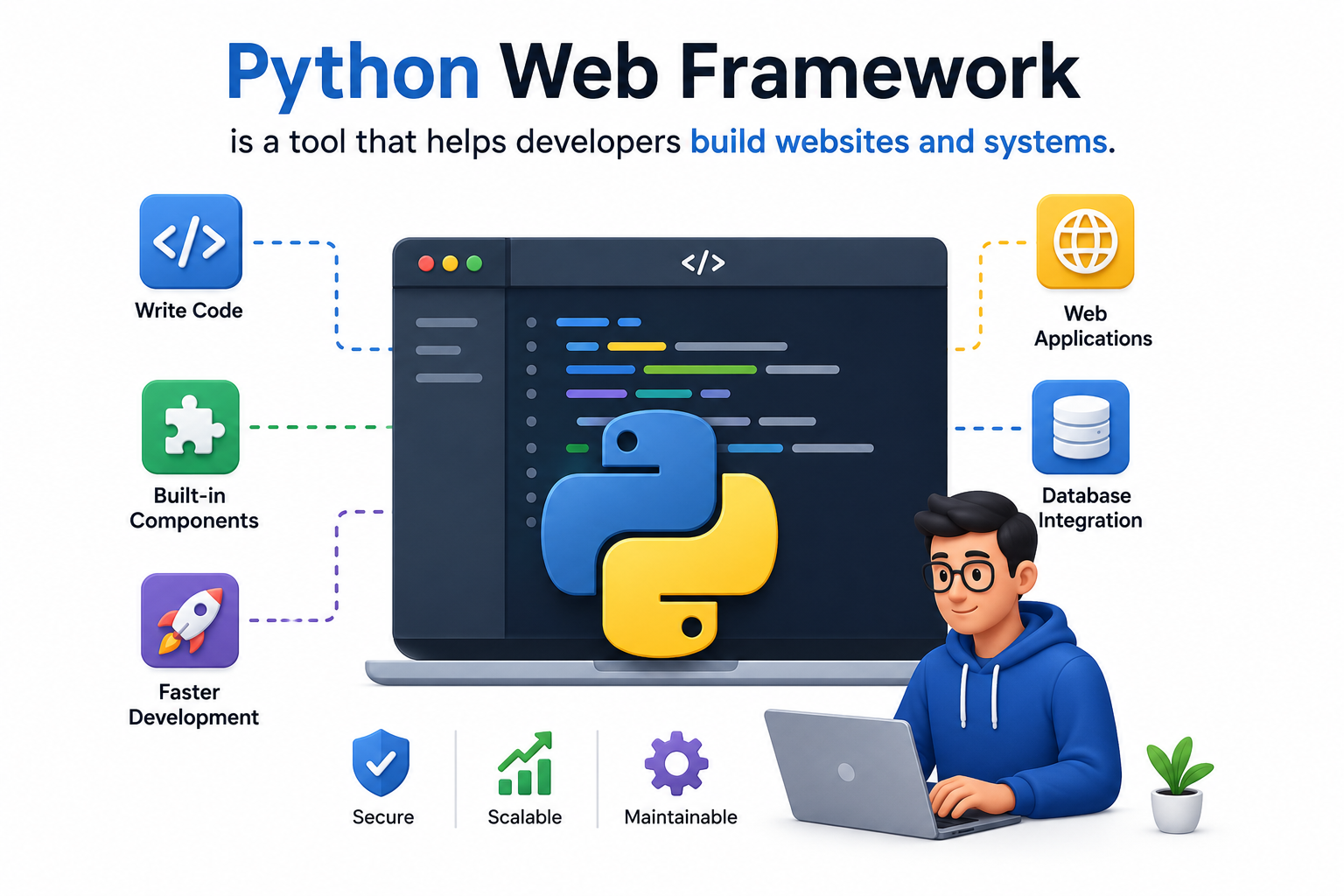
A Python Web Framework is a tool that helps developers build websites and systems.
It provides structure for:
- Data collection
- User dashboards
- Automation tools
- Backend logic
With a Python Web Framework, businesses can build systems that handle tasks automatically.
How Python Web Frameworks Help Google Review Management
Python web frameworks help businesses automate many parts of reputation management and customer feedback collection. Instead of manually checking reviews every day, businesses can use automated systems to monitor ratings, organize responses, and improve customer communication.
Common Google Reviews Automation Features
- Automated review request emails
- SMS review reminders
- Real-time review monitoring
- Negative review alerts
- Review analytics dashboards
- Customer sentiment tracking
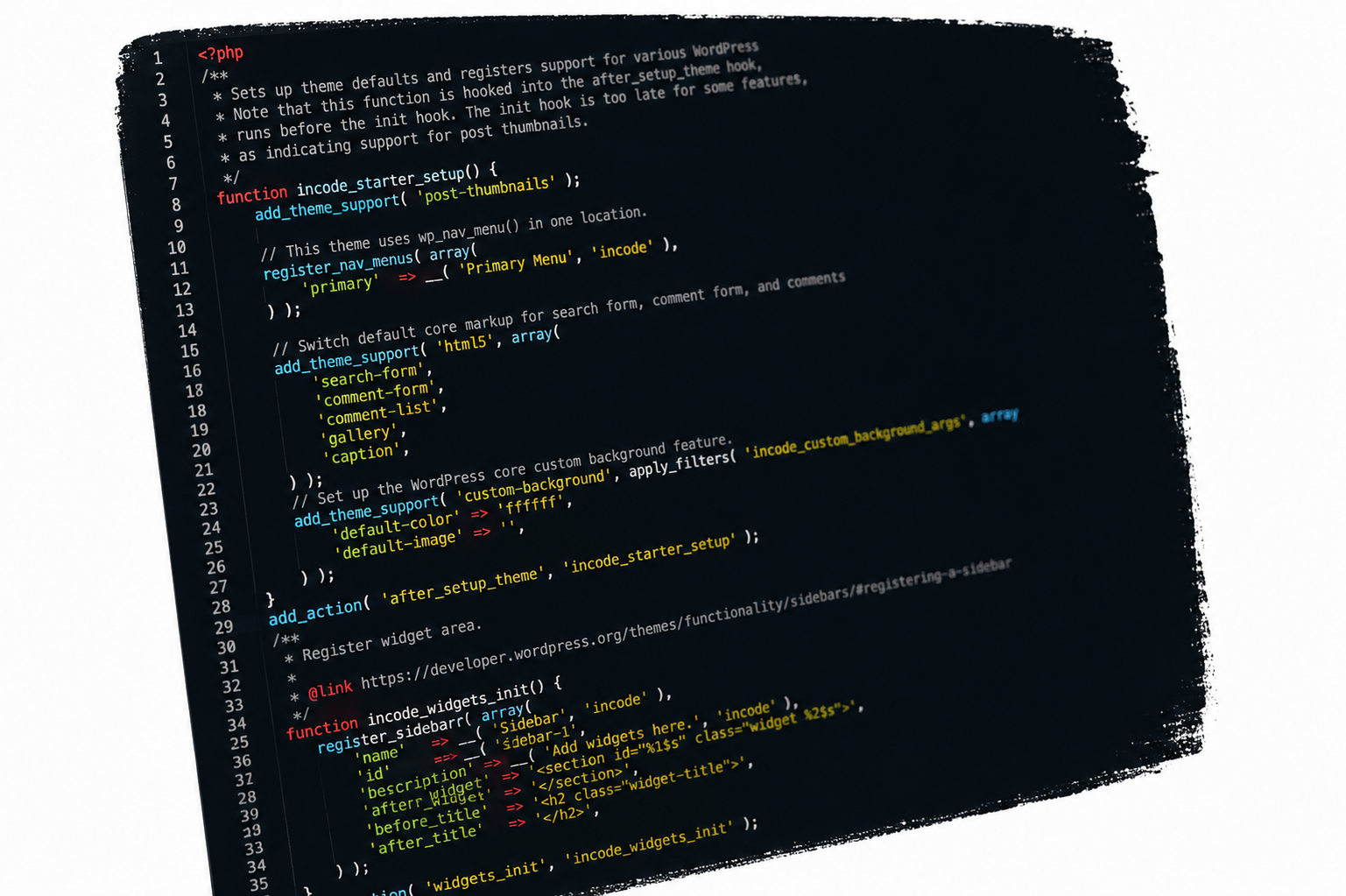
Frameworks like Django, Flask, and FastAPI allow developers to build scalable systems that improve online reputation management for local businesses.

Automation: Save Time and Respond Faster
One of the biggest benefits of a Python Web Framework is automation.
| Framework | Best Use Case | Google Reviews Benefit |
|---|---|---|
| Django | Full-scale applications | Complete review management dashboards |
| Flask | Lightweight tools | Simple review request systems |
| FastAPI | APIs and automation | Real-time review monitoring |
| Pyramid | Flexible enterprise apps | Multi-location reputation management |
How Automation Helps
A system built with a Python Web Framework can:
- Flag negative reviews for quick action
- Send alerts when a new review is posted
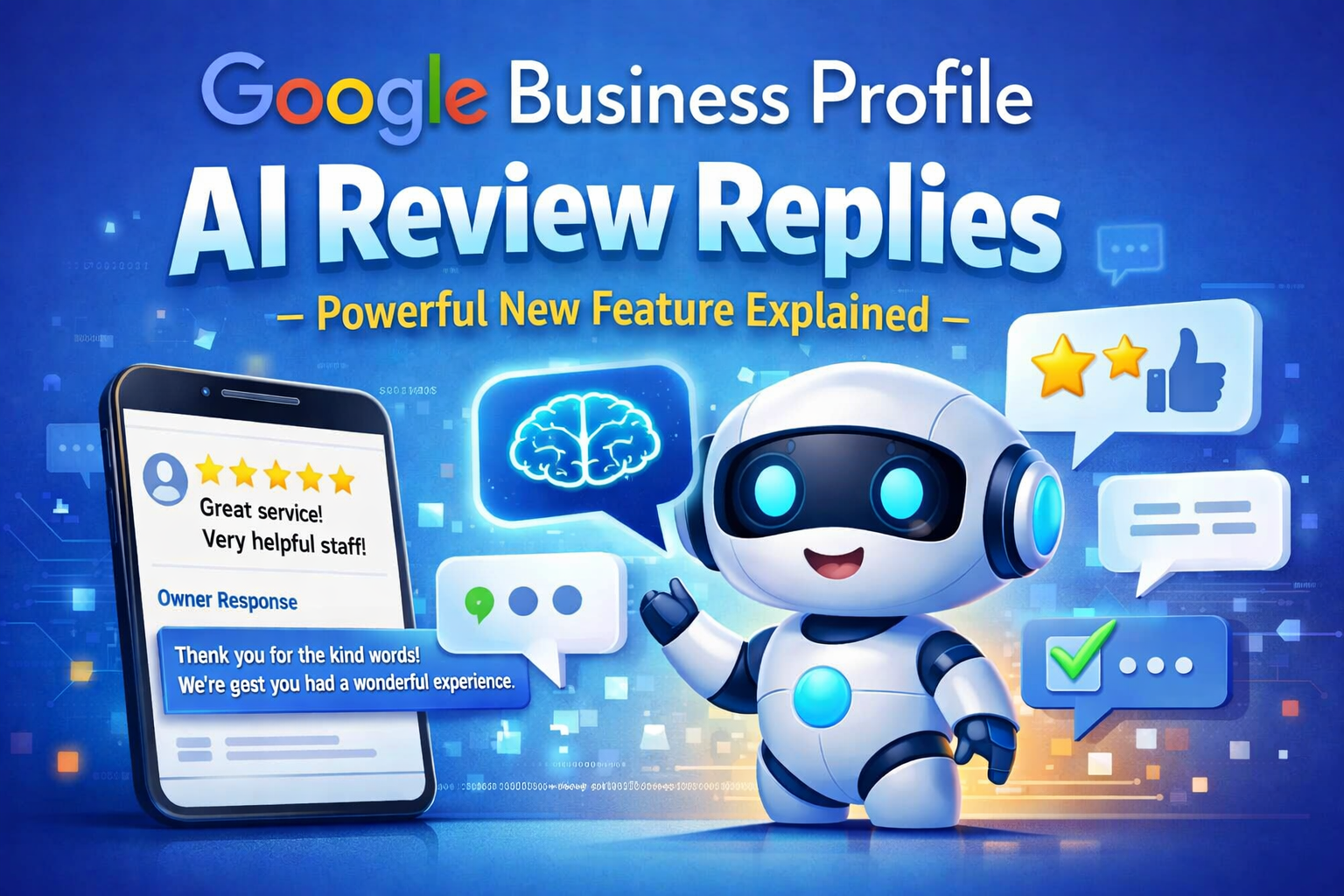
- Automatically respond to simple reviews

This means businesses don’t have to check reviews all day. The Python Web Framework does the work in the background.
How Automated Google Reviews Improve Local SEO
Fresh Google reviews help businesses appear more trustworthy to both customers and search engines. Frequent reviews, higher ratings, and consistent customer engagement can improve local SEO visibility.
Google Reviews Impact:
- Better local rankings
- Increased customer trust
- Higher click-through rates
- Improved Google Maps visibility
- More phone calls and leads
Businesses using automated review management systems often maintain stronger online visibility than competitors relying on manual processes.

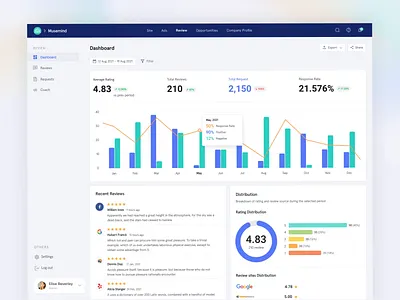
Dashboards: See Everything in One Place
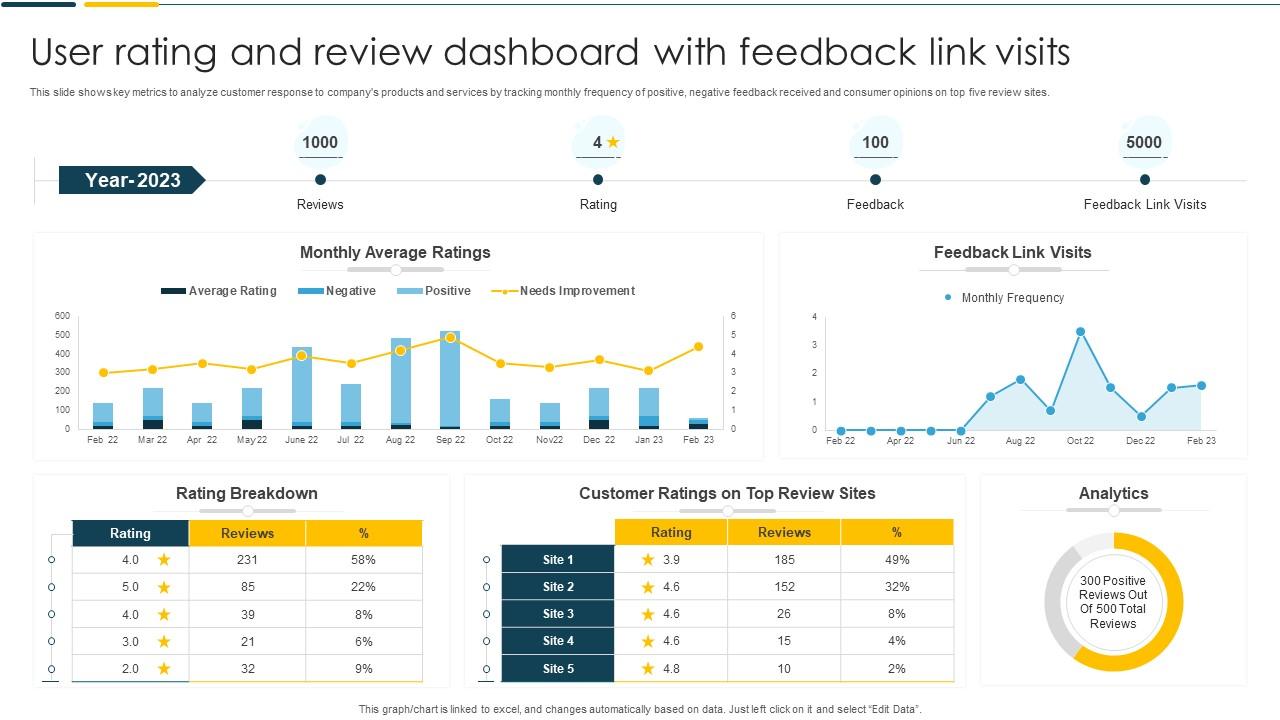
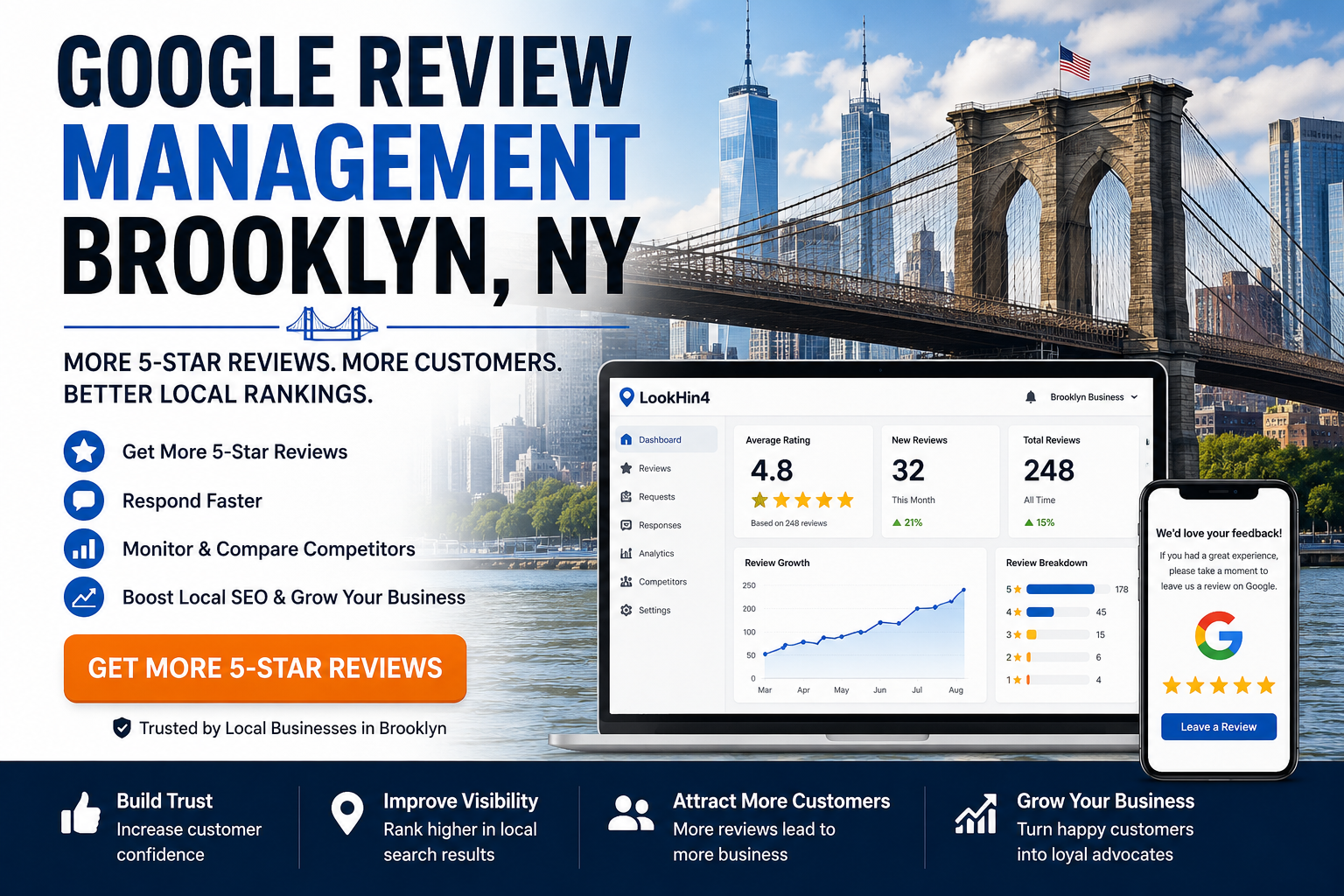
A Python Web Framework can power dashboards that show all review activity.
What Dashboards Can Show
- Total number of reviews
- Average rating
- Recent feedback
- Trends over time
Instead of checking different platforms, a Python Web Framework brings everything into one simple view.
Tracking Systems: Know What’s Working
Tracking is key to improving your business.
A Python Web Framework helps track:
- Changes in ratings over time
- How many reviews you get each week
- How fast you respond
Why Tracking Matters
With a Python Web Framework, businesses can:
- Spot problems early
- Improve customer service
- Make better decisions
Without tracking, you are just guessing.


Tracking Systems: Know What’s Working
Tracking is key to improving your business.
A Python Web Framework helps track:
Changes in ratings over time
How many reviews you get each week
How fast you respond

Organizing Reviews for Better Insights
A Python Web Framework can sort reviews by:
- Positive vs negative
- Keywords used by customers
- Product or service mentioned
This makes it easier to understand what customers really think.


Better Customer Response Systems
Responding to reviews is important.
A Python Web Framework can help by:
- Suggesting reply templates
- Tracking which reviews were answered
- Setting reminders for follow-ups
This keeps communication clear and consistent.

Scalability: Grow Without Losing Control
As your business grows, reviews increase.
A Python Web Framework helps manage this growth by:
- Handling large amounts of data
- Keeping systems organized
- Maintaining performance
This means your review system grows with your business.

Why Small Businesses Need This
Small businesses often don’t have large teams.
A Python Web Framework gives them tools to:
- Work smarter
- Save time
- Stay competitive
It acts like a digital assistant for managing reviews.

Frequently Asked Questions
1. What is a Python Web Framework?
A Python Web Framework is a tool for building web systems and applications.
2. Can it manage Google Reviews automatically?
Yes, a Python Web Framework can automate tracking and responses.
3. What is a dashboard?
A dashboard shows all review data in one place.
4. Why is tracking reviews important?
Tracking helps improve customer service and business decisions.
5. Is this useful for small businesses?
Yes, a Python Web Framework helps small businesses save time and stay organized.
Customers Don’t Always Leave Reviews Naturally
Even happy customers rarely leave reviews without reminders. Many customers intend to leave feedback but forget after their experience ends.
Businesses using automated review request systems can consistently collect authentic feedback without manually following up every customer.
Effective Review Collection Strategies
- Send SMS review requests
- Email follow-up reminders
- Ask immediately after service
- Simplify the review process
- Respond to existing reviews quickly
Consistency helps businesses grow Google reviews naturally over time.

Conclusion
Python web frameworks are no longer just development tools. They now power modern Google review management systems that help businesses automate customer feedback collection, improve response times, and strengthen local SEO performance.
As competition increases online, businesses need scalable reputation management solutions that reduce manual work while improving customer trust. Automated Google review systems built with frameworks like Django, Flask, and FastAPI help businesses manage reviews more efficiently and maintain stronger online visibility.
Businesses investing in professional Google review management strategies are better positioned to attract customers, improve ratings, and grow long-term credibility online.
Negative Reviews Need Fast Responses
Negative reviews are unavoidable for every business. However, fast and professional responses can reduce damage and show future customers that the business cares about customer satisfaction.
Automated review monitoring systems can alert businesses immediately when negative reviews appear online.
Benefits of Fast Review Responses
- Builds customer trust
- Improves reputation
- Increases retention
- Prevents escalation
- Shows accountability
Businesses that actively manage reviews often maintain stronger long-term reputations online.
Related Articles