Here’s what I found after diving deep into the latest trends shaping the scrapbooking space.
When I started researching scrapbooking design trends in web and graphic design, I had no idea how vibrant and versatile this creative world could be. As a designer who’s passionate about blending tradition with innovation, I wanted to explore how modern tools and trends are transforming scrapbooking. Whether you’re designing digital templates, creating physical layouts, or working on hybrid projects, these trends offer inspiration for all kinds of creatives.
Nostalgia Meets Modern Design in Scrapbooking
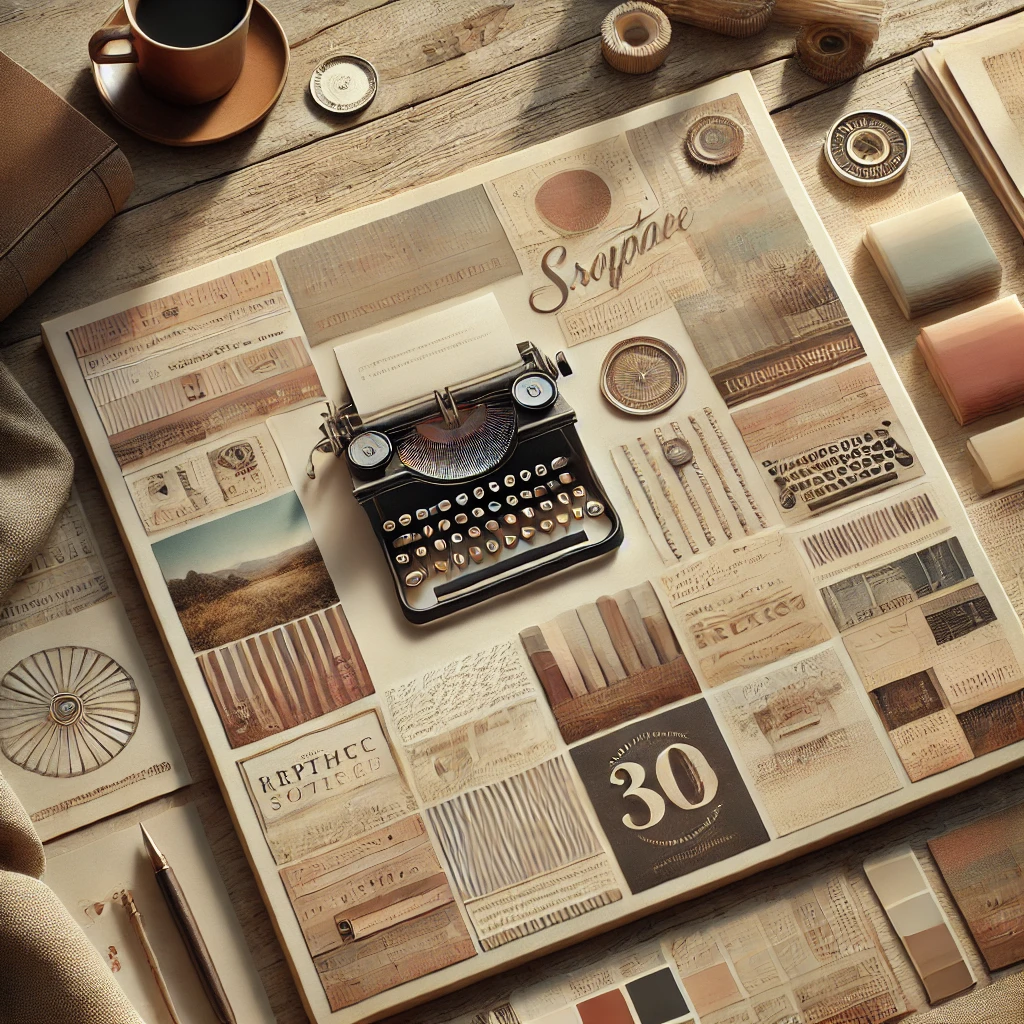
One of the most fascinating trends I discovered while researching scrapbooking design is the resurgence of nostalgia. While scrapbooking has always carried a sentimental quality, today’s designers are giving those vintage aesthetics a contemporary twist.
How I’m Seeing Nostalgia Used:
- Retro Colors with a Pop: Palettes featuring warm pastels, muted earth tones, and sepia-inspired hues are making a comeback. However, they’re being paired with crisp, modern layouts to maintain a sleek and polished feel.
- Typography Inspiration: Designers are blending typewriter-style fonts, bold serifs, and delicate script fonts to create a contrast between old and new.
- Textures and Layers: Elements like linen patterns, distressed overlays, kraft paper effects, and torn-edge designs provide a tactile, vintage look, even in digital layouts.
What I Learned:
The key to successfully blending nostalgia with modern design is balance. Overloading a scrapbook with vintage textures can make it feel cluttered, while keeping it too minimalist might strip away the sentimental charm. By combining clean layouts with vintage-inspired elements, today’s digital scrapbookers are creating something that feels both timeless and fresh.
Organic and Hand-Drawn Elements in Scrapbooking
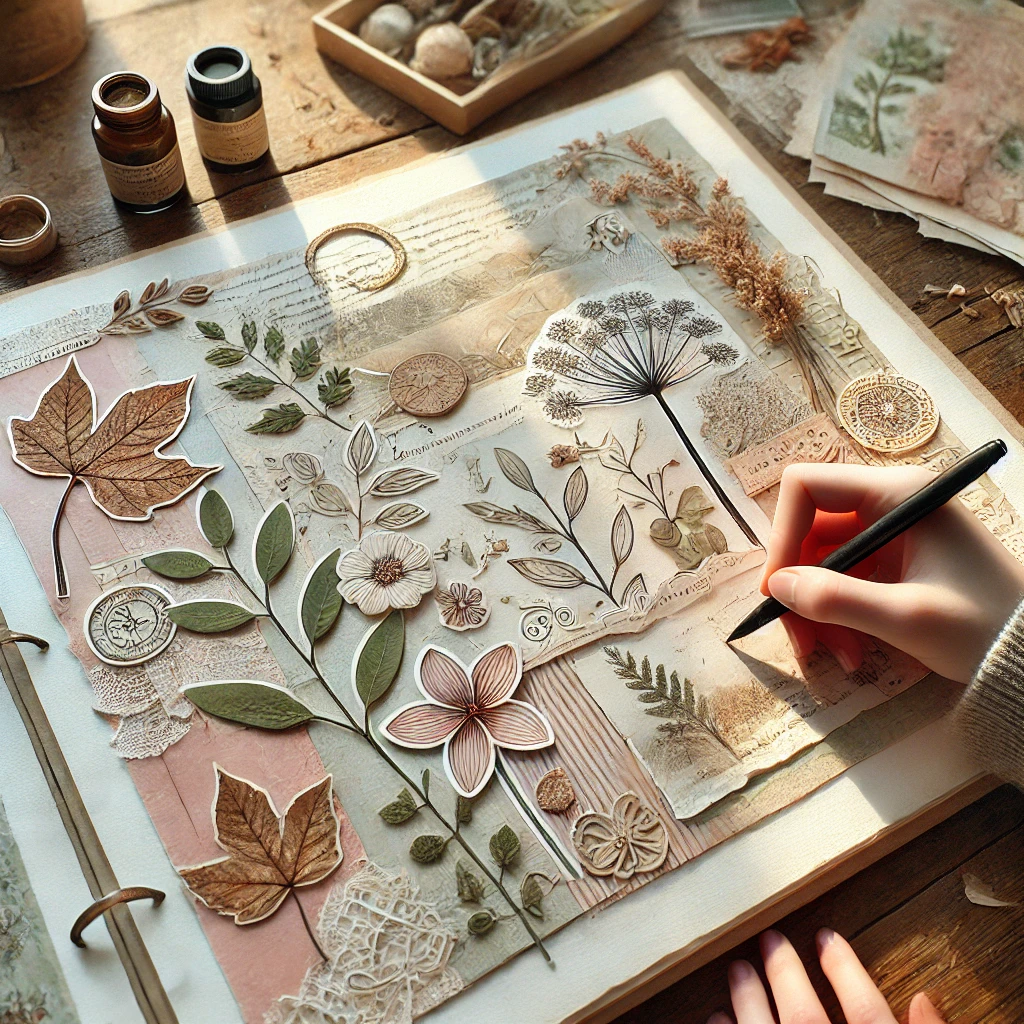
I’ve always admired the personal touch of hand-drawn designs, so it was exciting to see this trend thriving in scrapbooking design trends in web and graphic design. Today’s tools make it easier than ever to mimic the charm of hand-drawn elements, even in digital projects.
What Stood Out:
- Doodle Borders and Accents: I saw creative use of hand-drawn frames and flourishes that add whimsy and warmth to layouts.
- Natural Textures: Watercolor washes, pencil strokes, and botanical motifs are popular for creating softer, organic designs.
- Digital Meets Handmade: Tools like Procreate and Adobe Fresco allow designers to combine digital precision with the authenticity of hand-drawn art.
Pro Tip I Learned:
You don’t need to be a professional illustrator to incorporate this trend. There are countless pre-made digital assets available that bring a handmade vibe to your work
Interactive Scrapbooking in the Digital Space
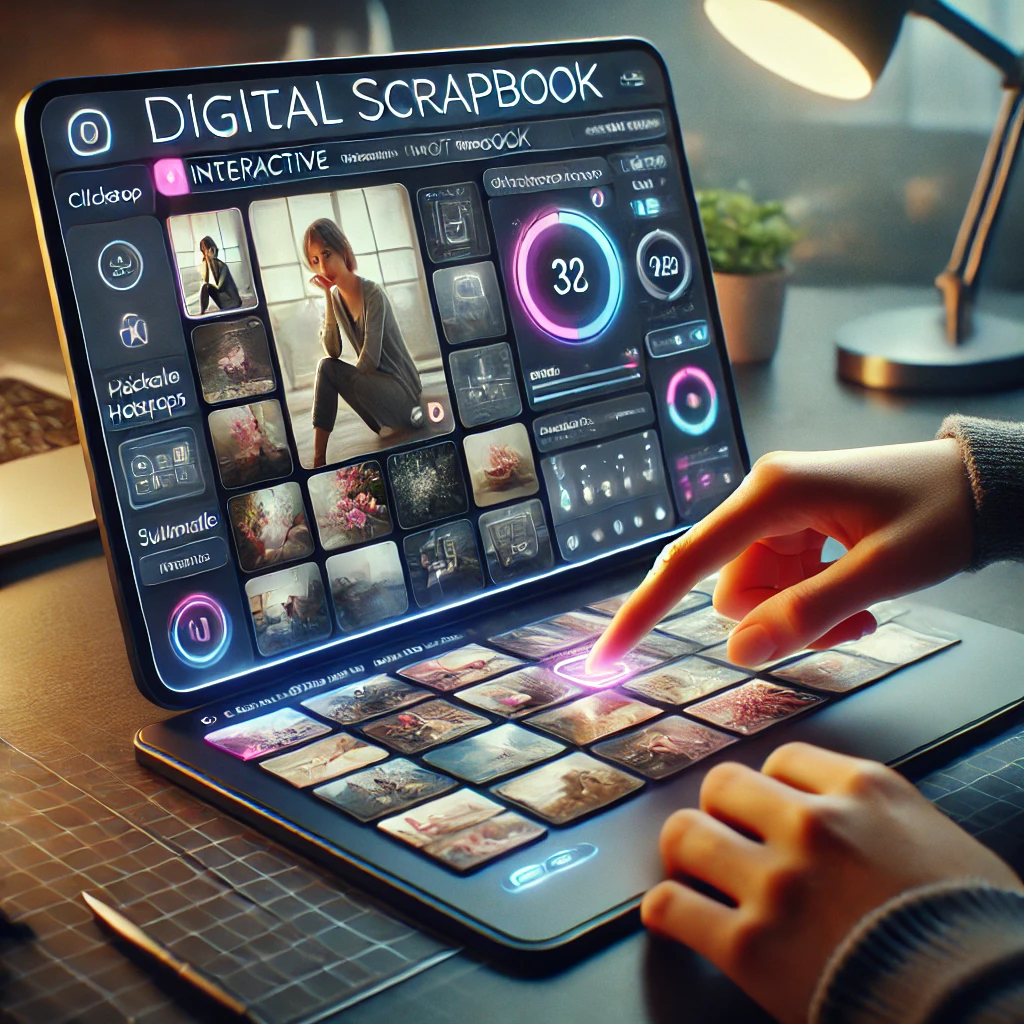
One of the most exciting innovations I came across was the rise of interactive digital scrapbooking. With the evolution of web design, creating interactive scrapbooks has become more accessible and engaging.
Interactive Features I Loved:
- Clickable Hotspots: Imagine a scrapbook page where you can click on a photo to view additional images or videos—it’s a game-changer.
- Subtle Animations: Simple effects like page flips or text fade-ins add an immersive layer to digital scrapbooks.
- Customizable Templates: Drag-and-drop functionality in platforms like Canva allows even beginners to create interactive layouts effortlessly.
How I’m Using This Insight:
Interactive scrapbooking is perfect for showcasing portfolios or sharing memories online. It combines storytelling with engagement, making it ideal for both personal and professional projects.
Bold Typography Takes Center Stage
Another trend I discovered while researching scrapbooking design trends in web and graphic design is the focus on bold typography. Fonts are no longer just supporting elements—they’re becoming the star of the show.
Typography Trends I Noticed:
- Oversized Headlines: Big, bold titles draw immediate attention and add personality to a page.
- Playful Fonts: Mixing playful script fonts with clean sans-serifs creates a dynamic, eye-catching contrast.
- Layered Text Effects: Shadows, gradients, and textures give typography depth and dimension.
Why It’s a Game-Changer:
Typography can completely transform a scrapbook’s mood from playful and fun to elegant and sophisticated. It’s an easy way to inject style without cluttering the design.
Sustainability Inspires Scrapbooking Design
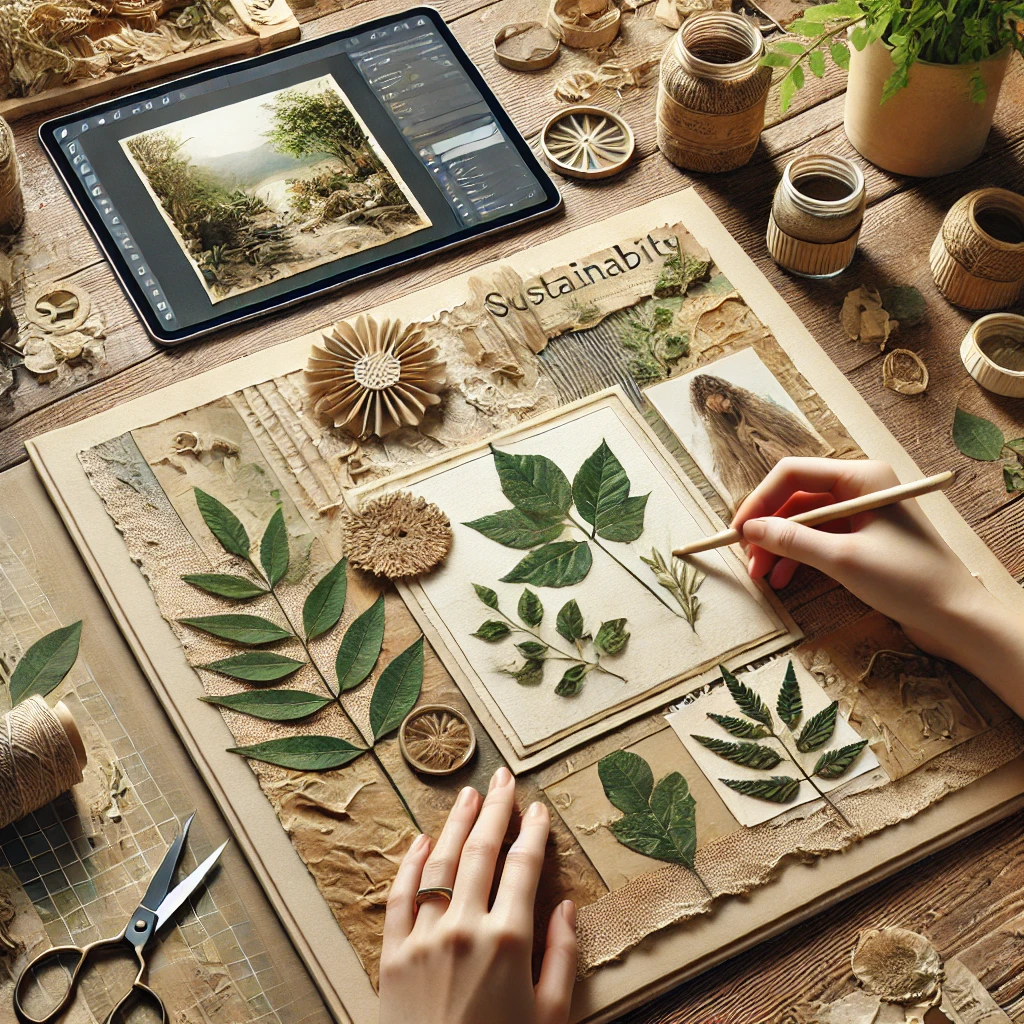
One surprising trend that came up was the influence of sustainability on scrapbooking. As someone who cares about the environment, I found this shift particularly inspiring.
What’s Happening:
- Eco-Friendly Materials: For physical scrapbooking, many designers are opting for recycled papers and eco-conscious embellishments.
- Nature-Inspired Themes: Digital and physical projects alike feature earthy tones, botanical illustrations, and organic shapes.
- Digital First: Transitioning to fully digital scrapbooking is another way creators are reducing waste while embracing modern tools.
What I’m Taking Away:
Sustainability doesn’t just resonate with eco-conscious audiences—it also opens up creative opportunities to explore natural and earthy aesthetics.
The Rise of Mixed Media in Digital Scrapbooking
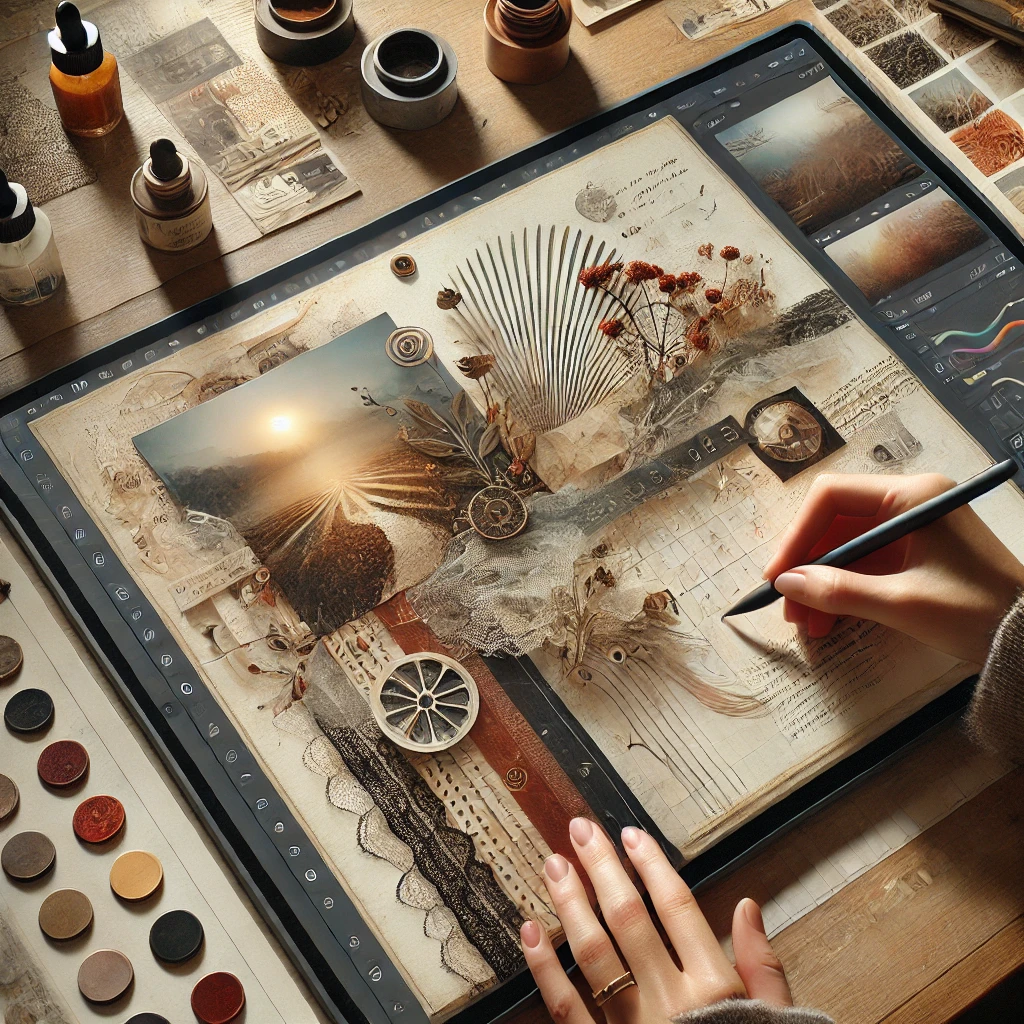
Mixed media has long been a hallmark of physical scrapbooking, but it’s now influencing digital designs in exciting ways. I saw incredible examples of projects blending photography, illustrations, and textures seamlessly.
Mixed Media Techniques I Admired:
- Layered Overlays: Transparent effects like vellum and lace add depth and interest to digital pages.
- Combining Textures: Using fabric-like patterns or brushstroke effects creates a tactile feel, even on a screen.
- Photography as Art: Mixing real-life photos with abstract illustrations results in visually stunning layouts.
How I’m Applying It:
Digital tools like Photoshop make it easy to experiment with mixed media, and I’m excited to incorporate these techniques into my projects.
Personalization and Storytelling in Scrapbooking
Scrapbooking has always been about storytelling, but personalization is taking this art form to new heights. During my research, I noticed how designers are prioritizing individuality and emotion in their work.
What Makes Personalization Stand Out:
- Tailored Templates: From weddings to vacations, templates are becoming more specific to cater to unique stories.
- Custom Color Schemes: Matching designs to personal themes or moods makes each scrapbook feel one-of-a-kind.
- Journaling Spaces: Including room for personal notes or captions brings more depth and meaning to each page.
Why It Resonated with Me:
As someone who values storytelling, I love how these personalized touches make scrapbooking more relatable and impactful.
The Role of AI in Scrapbooking Design
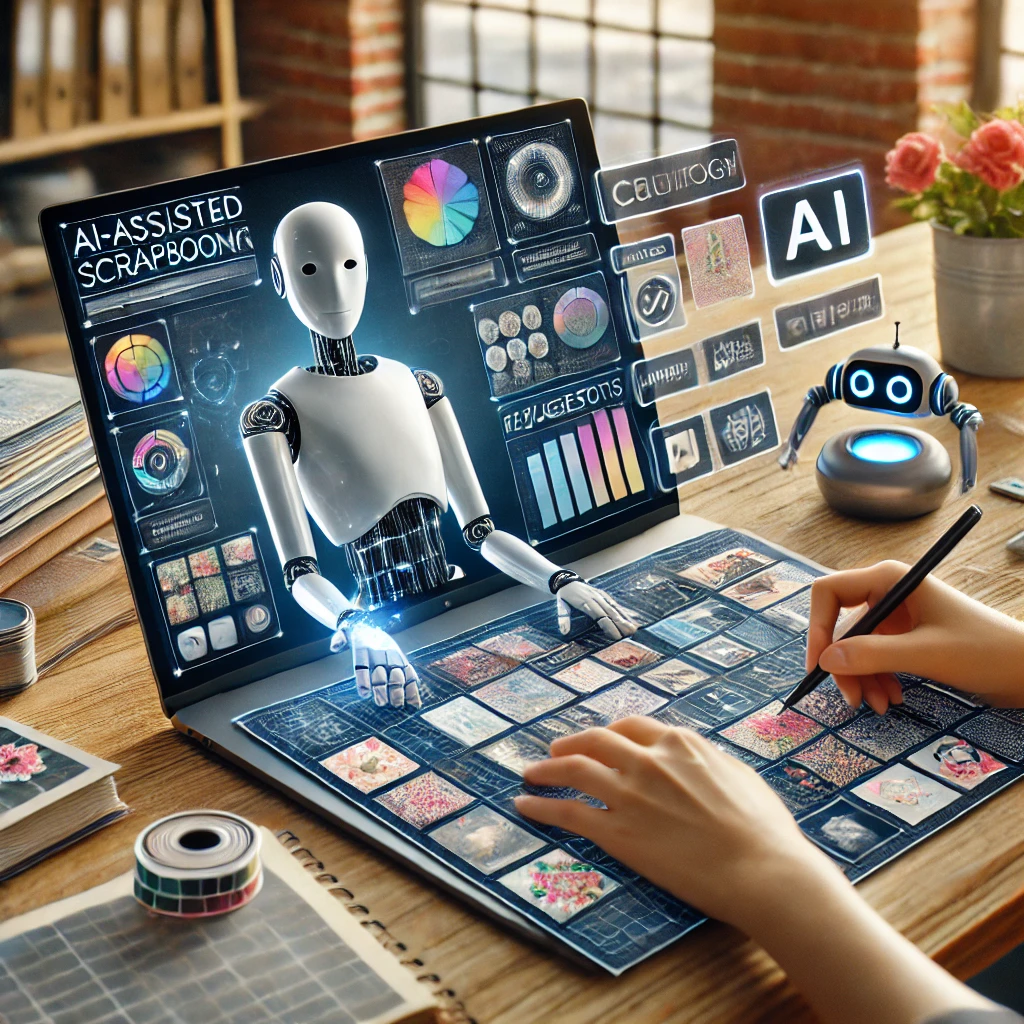
As I explored scrapbooking design trends in web and graphic design, one of the most exciting developments I uncovered was the integration of artificial intelligence (AI). It’s fascinating how AI tools are transforming the scrapbooking world, simplifying tasks, and offering creative opportunities that were once time-consuming or impossible. Whether you’re working on physical or digital scrapbooking, AI can elevate your designs to a whole new level.
How AI Enhances Scrapbooking Design
AI tools are built to optimize workflows and spark creativity. Here’s how they’re making waves in scrapbooking:
- Automating Layout Suggestions: AI-powered tools like Canva and Adobe Express analyze your content—images, text, and themes—and suggest layouts that align with current design trends.
- AI-Generated Illustrations and Elements: Tools like DALL-E and Adobe Firefly create custom graphics, textures, or patterns tailored to your scrapbook’s theme.
- Photo Enhancement: AI-based photo editing software can remove blemishes, enhance lighting, and even colorize black-and-white photos, giving old memories a new lease on life.
- Smart Content Tagging: Platforms like Google Photos use AI to categorize your images by themes, people, or locations, making it easier to organize your scrapbook.
Bringing Creativity to Life with AI
One thing I loved discovering is how AI tools take over repetitive tasks so you can focus on the fun part—designing. For example, Procreate’s AI-assisted brushes make creating organic patterns or hand-drawn accents faster and more precise. Similarly, AI in Photoshop automates tasks like creating clipping masks or aligning layers.
AI in Digital Scrapbooking Platforms

Digital scrapbooking platforms like Heritage Makers and ScrapGirls are embracing AI to improve user experience. Here’s what stood out:
- Drag-and-Drop Simplicity: AI-powered templates adjust to fit your photos and text perfectly.
- Interactive Features: These tools allow you to add clickable links, animations, and interactive hotspots.
- Voice-to-Text Journaling: AI transcribes your voice recordings into written journal entries, adding a personal touch to digital scrapbooks.
Real-Life Example: How AI Saved Me Time
When working on a travel-themed scrapbook, I used an AI tool to analyze hundreds of vacation photos. It automatically grouped them by location and theme, which helped me create cohesive pages without sorting them manually. The result? A polished scrapbook that took half the time to complete.
Scrapbooking for Professional Branding and Marketing

Scrapbooking isn’t just a personal hobby anymore; it’s becoming a powerful tool in professional branding and marketing. As I researched scrapbooking design trends in web and graphic design, I was amazed to see how brands are leveraging these nostalgic, personal aesthetics to connect with their audience on a deeper level.
Why Scrapbooking Appeals to Audiences
Scrapbooking resonates with audiences because it’s inherently personal. Whether it’s a brand sharing its story or showcasing customer journeys, this design style builds emotional connections and trust.
- Storytelling Power: A scrapbook-style design visually narrates a story, which is more engaging than traditional layouts.
- Relatable Aesthetics: The imperfections of scrapbooking—torn edges, hand-drawn doodles—feel authentic and human.
- Visual Appeal: The mix of textures, typography, and layered elements captures attention, especially on digital platforms.
How Businesses Use Scrapbooking Design Trends
Here are some ways brands incorporate scrapbooking into their marketing:
- Brand Storytelling:
- Businesses share their journey through scrapbook-style timelines, mixing photos, sketches, and journal entries.
- Customer testimonials are showcased like personal notes, complete with hand-drawn accents.
- Social Media Campaigns:
Brands use scrapbook-inspired Instagram carousels to tell product stories or share behind-the-scenes moments.
- Pinterest boards with scrapbook-style pins have become a go-to for product inspiration.
- Packaging Design:
- Product packaging with scrapbook-style collages, layered textures, and handwritten fonts stands out on shelves.
Examples of Successful Campaigns
- Coca-Cola’s #ShareACoke Scrapbook Campaign: Coca-Cola combined customer photos and handwritten stories into digital scrapbooks shared on social media, building an emotional connection.
- Etsy Sellers’ Scrapbook-Inspired Listings: Many Etsy creators use scrapbook-style templates to showcase their products, blending storytelling with design.
Pro Tip for Using Scrapbooking in Marketing
When using scrapbooking for branding, balance is key. While layered designs are engaging, overdoing them can overwhelm your audience. Use whitespace strategically to keep your visuals clean and easy to digest.
The Future of Scrapbooking: Trends to Watch

Looking ahead, I couldn’t help but wonder where scrapbooking design trends in web and graphic design are headed. The future of scrapbooking is shaped by evolving technology, changing consumer preferences, and a continued appreciation for storytelling.
Upcoming Innovations in Scrapbooking
- Augmented Reality (AR):
- AR scrapbooks will allow users to overlay 3D elements onto physical pages. Imagine scanning a QR code on a scrapbook and seeing a video or animation pop up.
- Tools like Spark AR are already enabling creators to experiment with these possibilities.
- Blockchain and Digital Ownership:
- Blockchain technology could be used to authenticate digital scrapbooks, making them collectibles with verified ownership.
- Platforms like MintNFT could create a space for scrapbook NFTs.
- Hybrid Scrapbooking:
- Designers will merge physical and digital elements, such as printing digital templates and adding hand-drawn accents or physical textures.
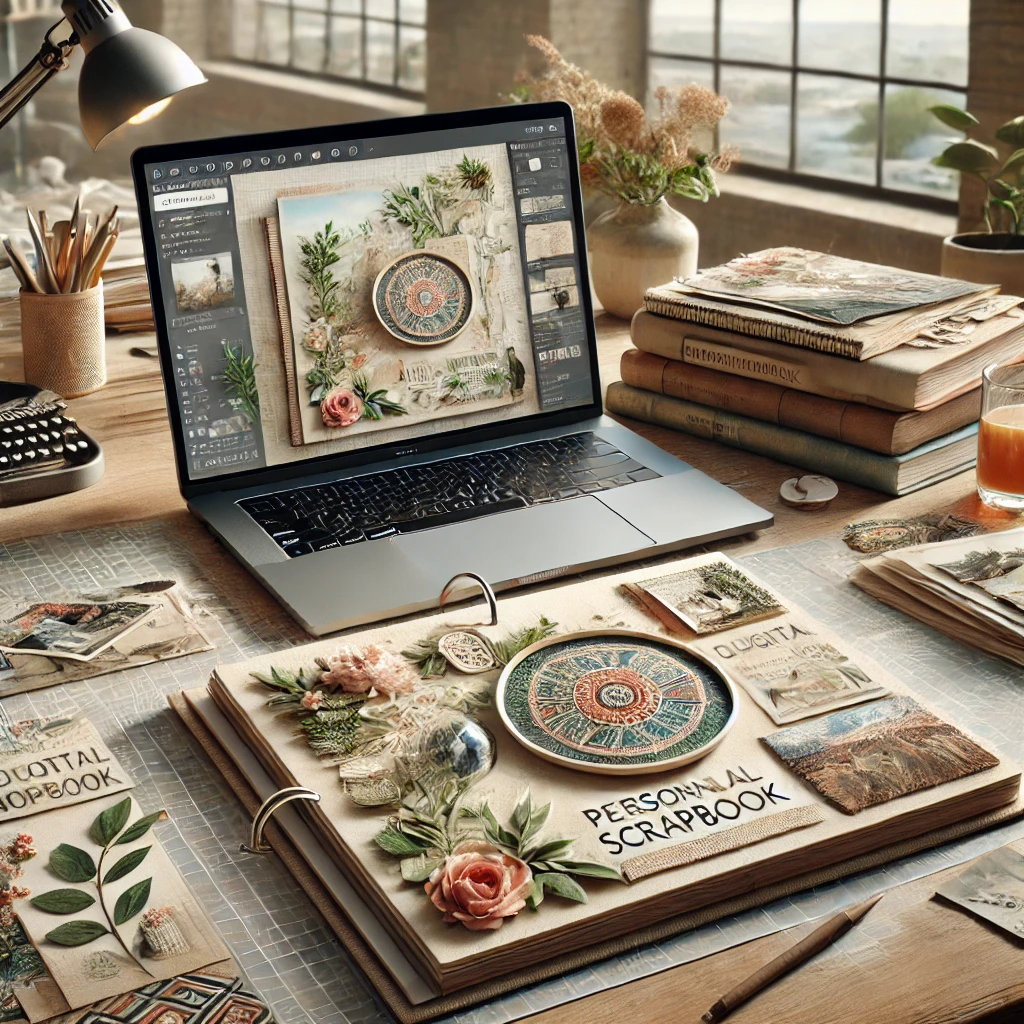
Here’s where I see scrapbooking heading:
- Eco-Conscious Design: Sustainable scrapbooking materials and practices will become even more popular, catering to environmentally conscious creators.
- AI-Created Personalization: AI tools will offer hyper-personalized scrapbooking options based on individual preferences and historical data.
- Global Influence: Scrapbooking designs will reflect global aesthetics, incorporating patterns, typography, and themes from diverse cultures.
How to Stay Ahead of These Trends
As someone who loves experimenting with new tools, I recommend staying curious and adaptable. Here’s how you can prepare:
- Explore Emerging Tools: Experiment with AR, AI, and blockchain platforms to understand their potential in scrapbooking.
- Follow Industry Leaders: Keep an eye on creators who are innovating in this space, and don’t be afraid to draw inspiration from them.
- Experiment with Hybrid Techniques: Blend traditional and digital methods to create unique, multidimensional scrapbooks.
Final Thoughts: Embracing the Evolution of Scrapbooking Design
Researching scrapbooking design trends in web and graphic design has been an inspiring journey. From the timeless charm of nostalgia to the futuristic possibilities of AI and augmented reality, the evolution of scrapbooking reflects the perfect blend of creativity, technology, and storytelling.
What excites me most is how scrapbooking has transcended its traditional roots to become a versatile medium for personal expression, professional branding, and digital innovation. The incorporation of trends like bold typography, interactive elements, and sustainable design ensures that scrapbooking remains relevant in a rapidly changing creative landscape.
Looking to the future, I believe the rise of hybrid techniques, AI-driven personalization, and global influences will redefine how we create and share scrapbooking projects. Whether you’re a hobbyist capturing cherished memories or a designer pushing creative boundaries, these trends offer endless opportunities to innovate.
Ultimately, scrapbooking is about telling stories—whether through layered visuals, tactile designs, or interactive elements. By embracing the latest trends and staying open to experimentation, we can keep this art form vibrant, meaningful, and impactful for years to come. So, pick up your tools, dive into new techniques, and let your creativity lead the way!
Recommended Articles
Boost your Small Business: How to get more google reviews
Keyword Research Techniques: What Tools Actually Work for Small Businesses?
Why I Love Building Websites (And the Best Inexpensive Website Builder for Your Budget)
How to Create the Perfect Landing Page Size with a Landing Page Builder