The Vanishing Promise of Liberty
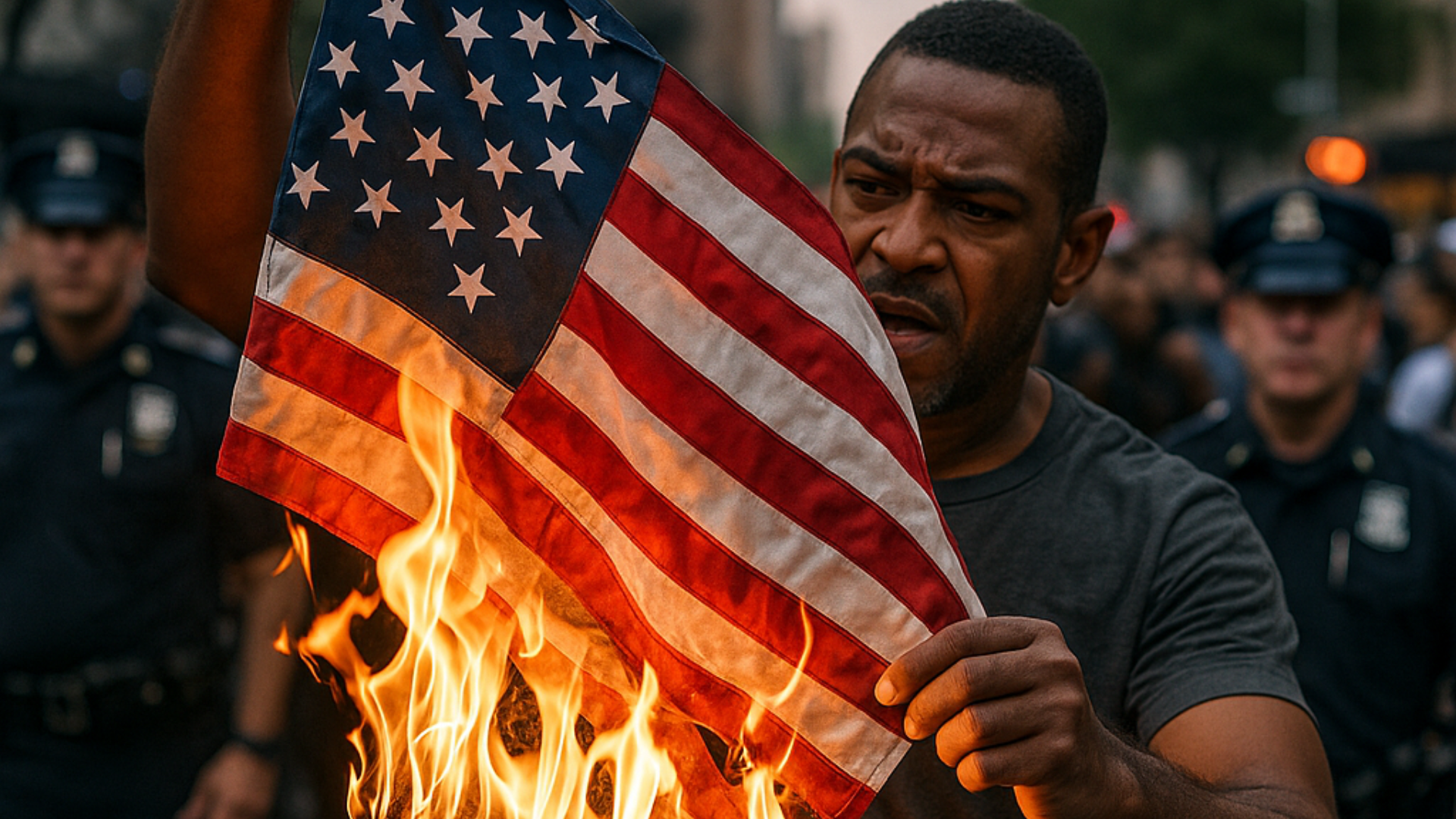
America was once celebrated as the land of the free, where citizens could speak their minds, protest injustice, and even criticize their government without fear of punishment. Yet today, those freedoms seem to be slipping away. A recent incident—where a veteran was arrested for burning an American flag—highlights just how fragile our liberties have become. Once seen as a fundamental expression of free speech, acts like these are increasingly treated as crimes. The question we must ask ourselves is simple: What kind of country are we becoming?
The Arrest of a Veteran for Burning a Flag
The Symbolism of Flag Burning in American History
Flag burning has always been a controversial act. For some, it is the ultimate insult to the nation; for others, it is the purest form of political protest. The Supreme Court once upheld this right, declaring it protected under the First Amendment. To see a veteran—someone who swore to defend freedom—arrested for exercising that very right is a chilling reminder that the America of yesterday is fading fast.
Free Speech or Criminal Act? The Legal Debate
The law should protect symbolic speech, even when it offends the majority. If freedom only applies to popular opinions, then it isn’t freedom at all. Arresting citizens for expressing dissent, no matter how controversial, sets a dangerous precedent that undermines the very foundation of democracy.
How Freedoms Disappear Slowly, Not Suddenly
Historical Parallels with Authoritarian Regimes
History shows us that governments rarely take away freedom all at once. Instead, rights are chipped away piece by piece until citizens wake up one day to find they are living under tyranny. What begins with banning a protest may eventually lead to restrictions on religion, media, and personal thought.
The “Slippery Slope” of Censorship and Control
Today it’s a flag, tomorrow it could be your social media posts, your ability to question authority, or even the websites you’re allowed to visit. Once a government assumes the power to decide what speech is acceptable, every citizen is at risk.
The Role of Technology in Silencing Dissent
From Social Media Bans to Internet Control
Big Tech companies already monitor and restrict what people can say online. Many voices have been silenced under the guise of “safety” and “misinformation.” But where does it end? In some countries, the internet is a tool of government surveillance. America may be on the same path.
The Threat of a “Digital Dictatorship”
VPNs like NordVPN and other privacy tools are becoming essential for citizens who wish to protect their digital freedom. The fact that Americans even feel the need to hide from their own government online should alarm everyone.
The Battle Over American Institutions
Harvard, Higher Education, and Ideological Suppression
Higher education was once the beacon of free thought, debate, and intellectual challenge. Universities like Harvard used to pride themselves on fostering diversity of opinion. Today, however, many institutions seem more focused on enforcing ideological conformity. Students and professors alike have faced backlash, even career destruction, for expressing unpopular views. When our most prestigious schools turn into echo chambers, it signals a deep erosion of free expression at the core of society.
Targeting Traditional Symbols of Democracy
It doesn’t stop at universities. Long-standing democratic institutions, traditions, and values are being reshaped—or in some cases outright dismantled—in the name of “safety” or “political correctness.” What happens when the national flag, the very symbol of unity, becomes a weapon to punish dissenters instead of representing liberty for all?
Are We Living in a Modern-Day North Korea?
Propaganda, Fear, and the Erosion of Rights
The comparison may sound extreme, but history teaches us to recognize warning signs early. In authoritarian nations like North Korea, propaganda is weaponized to control thought, fear is used to silence the population, and citizens are conditioned to obey unquestioningly. When Americans start fearing arrest for acts of protest, we should ask ourselves—are we walking down the same path?
Comparing U.S. Restrictions with Global Examples
Countries such as China, Iran, and Russia impose heavy restrictions on speech and the internet. Citizens in those nations risk prison—or worse—for criticizing their governments. While America isn’t there yet, the parallels are too striking to ignore. Freedoms disappear gradually, and without vigilance, today’s arrest for a flag burning could become tomorrow’s ban on dissent altogether.
What Comes Next: Which Freedom Will Be Taken Tomorrow?
Speech, Religion, Assembly—The Next Targets?
The First Amendment protects speech, religion, and the right to assemble peacefully. If speech can be curtailed in the name of national pride or political sensitivity, how long until religious practices come under similar fire? What happens when public gatherings are restricted under the pretense of “safety” or “social harmony”? The slippery slope is already greased.
The Uncertain Future of Liberty in America
The real danger isn’t just what has happened—it’s what will happen if people remain silent. Every right taken without resistance emboldens those in power to take more. If citizens accept censorship today, they may soon find themselves powerless tomorrow.
How Citizens Can Protect Their Freedoms
Digital Protection: VPNs and Secure Communication
One way to push back is to safeguard your digital presence. Tools like NordVPN and encrypted messaging apps allow citizens to browse freely and speak privately without fear of surveillance. While technology can be a weapon of control, it can also serve as a shield for liberty when used wisely.
Grassroots Movements and Civil Resistance
Freedom is rarely given; it is won and defended. Peaceful protest, community organizing, and grassroots movements have always been the backbone of American democracy. Citizens must remember their collective power. By standing together, speaking up, and refusing to bow to unjust restrictions, Americans can push back against authoritarian creep.
Frequently Asked Questions (FAQs)
1. Is flag burning protected by the Constitution?
Yes. In 1989, the U.S. Supreme Court ruled in Texas v. Johnson that flag burning is a form of symbolic speech protected by the First Amendment. Arresting someone for this act contradicts that precedent.
2. Why are freedoms disappearing in America?
Freedoms often erode under the justification of “safety,” “national security,” or “protecting citizens.” Over time, this leads to increased censorship and restrictions.
3. Can America really become like North Korea?
While the U.S. still has far more freedoms, the gradual erosion of rights mirrors steps taken by authoritarian regimes. Vigilance is necessary to prevent a similar outcome.
4. What role does technology play in restricting freedom?
Technology has become both a surveillance tool and a means of censorship. Social media bans, deplatforming, and online monitoring are modern ways governments and corporations can silence dissent.
5. How can citizens fight back?
Citizens can resist by staying informed, speaking out, using secure digital tools, and supporting organizations that defend free speech and civil liberties.
6. Are VPNs legal in the United States?
Yes. VPNs like NordVPN are completely legal and offer privacy protection. They help prevent online tracking and censorship.
Conclusion: America at a Crossroads
The arrest of a veteran for burning a flag is not just about one man—it is about the soul of America. Freedom is fragile, and once lost, it is rarely regained without struggle. If Americans fail to recognize the danger of censorship, surveillance, and authoritarian overreach, the country risks becoming unrecognizable.