
When a deodorant is recalled, it’s more than a product issue—it’s a reputation crisis. One recent case involved A.P. Deauville recalling over 67,000 cases of Power Stick deodorant due to manufacturing deviations flagged by the FDA (Houston Chronicle). In today’s digital age, negative reviews and viral social chatter can permanently damage brand perception. That makes proactive reputation management essential.
📌 Why This Matters for Reputation Management
- Public trust drops fast: Consumers reading headlines like “deodorant recalled” will question safety and brand reliability.
- Search ranking damage: Negative SEO terms such as “benzene” or “unsafe” combined with your brand can dominate search results.
- Review proliferation: Without monitoring, one recall can trigger a wave of negative reviews, lowering site ratings and customer trust.
Phase 1: Transparent Communication
Instead of reactive messaging, launch a proactive campaign:
- Dedicated recall landing page
- Title it “Deodorant Recalled: What You Need to Know”
- Provide clear facts: which batches, lot numbers, return/refund details
- Include a link to the FDA’s formal recall notice (Sedgwick, valisure.com, Adoni College, Fox Business)
- Unified brand messaging
- Use email, social, and paid channels with messaging like “Your safety is our top priority.”
- Pin messages across social profiles with recall updates and links.
- Authority statement
- Publish a leadership video or detailed statement acknowledging the issue, owning responsibility, and outlining next steps—perfect for reinforcing honesty.
Phase 2: Active Review & Feedback Management
Redirect the conversation by:
- Monitoring review platforms daily for keywords like “deodorant recalled,” “Power Stick recall.”
- Responding fast with empathy and solutions—“We understand your concern. Here’s how we’re fixing it.” Offer replacement or refund options automatically.
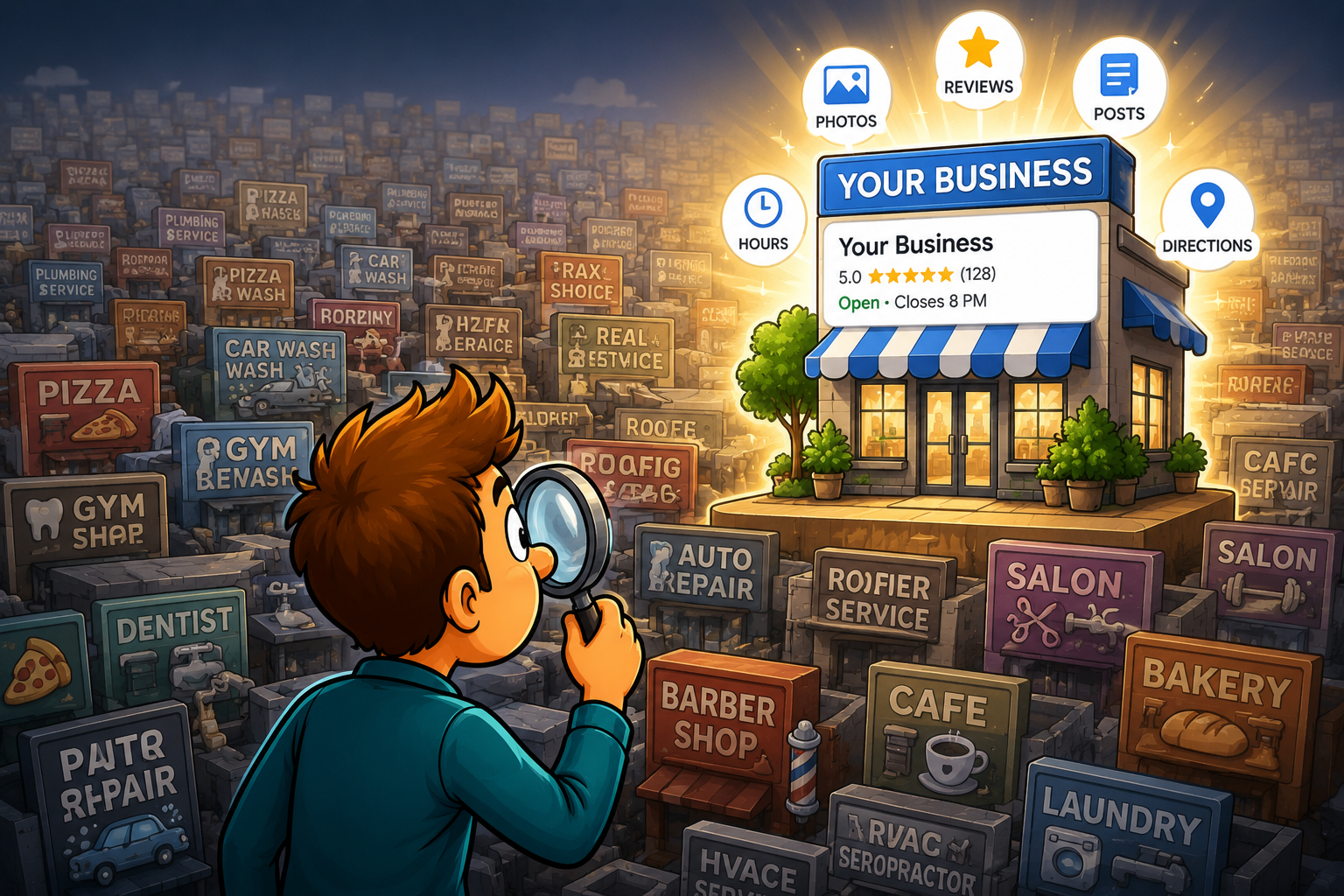
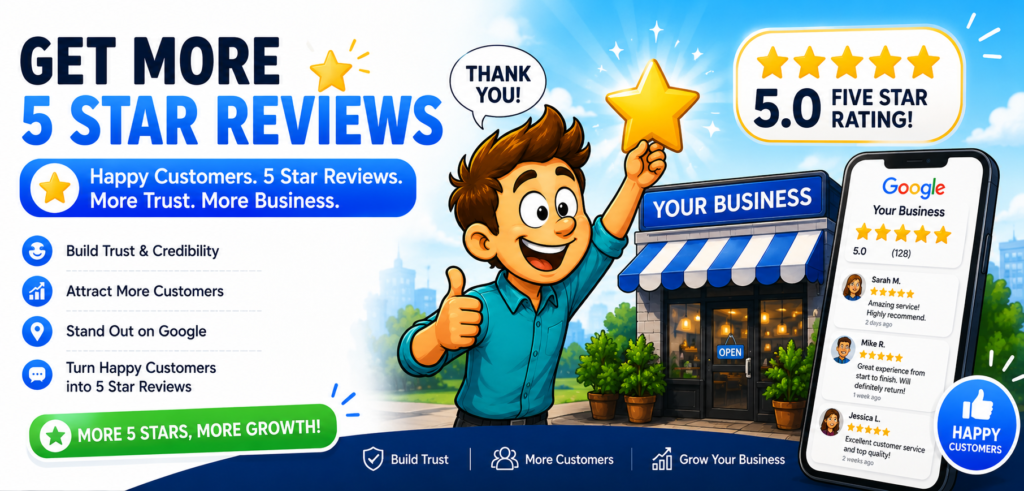
- Encouraging positive reviews from satisfied customers AFTER resolution. Each 5-star review helps push negative mentions down in search results.
Phase 3: SEO & Content Campaign
After stabilizing the conversation:
- Educational blog content
- Titles like “Why Our Deodorant Was Recalled—and How It Made Us Better”
- Explain benzene contamination context, referencing consumer safety data.
- Expert interviews
- Feature dermatologists or FDA experts to discuss benzene risks and safety protocols.
- Influencer/content partnerships
- Collaborate on content targeting keywords like “deodorant safe after recall”, “Power Stick recall update”, and drive traffic to your brand’s approved info page.
- Continual SEO improvements
- Capture search traffic for “deodorant recalled” + your brand by dominating SERPs with your factual, authoritative content.
Phase 4: Community & Reputation Rebuild
- Host live Q&A sessions on platforms like Instagram or Reddit:
- Example: “Ask the CEO Anything about our deodorant recall.”
- Shares the human side and shows accountability.
- Share positive improvements through transparency reports highlighting new safety audits or facility upgrades.
- Send follow-up surveys to returning customers to capture feedback and rebuild loyalty.
Summing Up Reputation Management Tactics
| Phase | Goal | Key Actions |
|---|---|---|
| 1. Communication | Control narrative | Recalls page, unified messaging, leadership transparency |
| 2. Review Management | Stop negative spread | Monitor, respond, incentivize honest feedback |
| 3. Content & SEO | Reclaim search results | Expert content, blog posts, influencer outreach |
| 4. Community & Recovery | Rebuild trust | Live Q&A, safety updates, customer engagement |
By integrating these reputation management strategies, you can not only limit the damage of a deodorant recalled crisis but turn it into a trust‑building opportunity.
Reputation Crisis Management That Works: My Real-World Survival Story