Learning How to Build My Website Without Losing My Mind
When I first tried to build my website, I kept seeing the phrase “web development resource process subpage,” and honestly, it sounded like something only a full-time tech expert would understand. I wasn’t one of those people. I was just someone trying to put my small business online without breaking everything in the process.
But here’s the truth. Once I slowed down, took things step by step, and stopped expecting myself to know everything on day one, it all started to make sense. So if you’re feeling the same way I did, let me walk you through my experience in a way that feels real, simple, and human.

Starting With a Plan
Before I touched a single design tool or template, I had to figure out what I wanted my site to do. I asked myself things like:
- What do I want people to learn when they land on my homepage?
- Who am I trying to reach?
- What pages matter most?
This part felt a little boring at first, but it helped me avoid a huge mess later. Making a layout on paper gave me a clearer picture of how everything would fit together.

Picking the Tools
At first, the amount of website builders, templates, and editors out there was overwhelming. But I reminded myself that I didn’t need everything. I just needed something that fit my skill level.
I checked out a few popular site builders and played around with their demos. It helped me see what felt natural. It also took the pressure off because I stopped trying to choose the “perfect” tool and focused on finding something I could actually use
Designing Without Overthinking
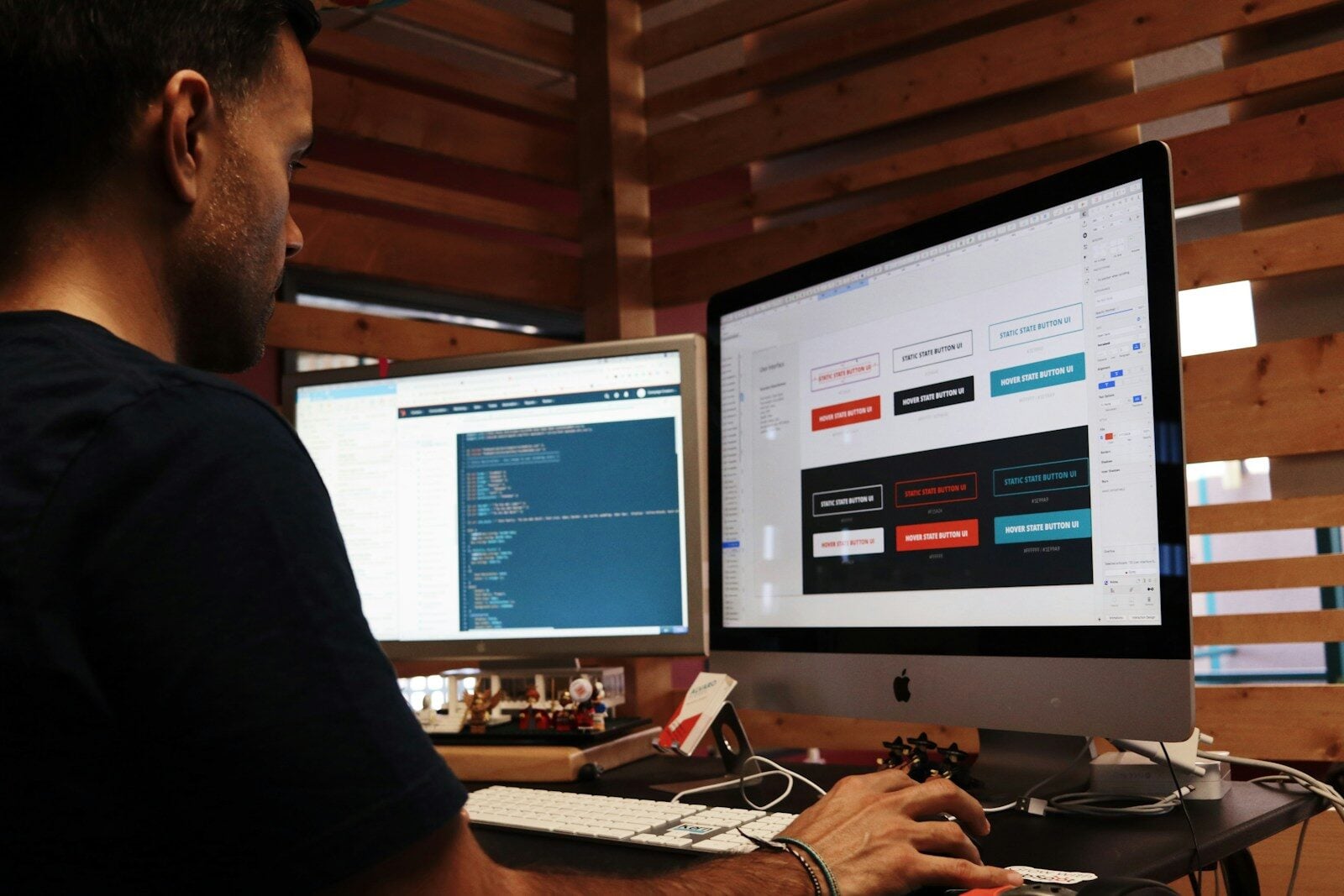
The design stage ended up being harder than I expected. I kept asking myself little questions like “Is this font too bold?” or “Is this color too bright?” It was easy to get stuck.
What helped was looking at other sites I liked and figuring out what made them work. Clean layouts. Simple colors. Easy-to-read text. Once I followed those basic rules, my own design started to fall into place.
Learning a Bit of Code (Just Enough)
I was scared of this part. I thought touching code would break everything. But learning a little HTML and CSS made customizing my site way easier. Even small tweaks felt like big wins. I didn’t become a developer, but I became confident enough to make changes without panicking.

Testing, Fixing, and Testing Again
I used to think my site looked great until I opened it on my phone. Buttons were off to the side. Text didn’t fit. Everything felt clunky. That’s when I learned how important testing is.
I checked my site on different devices, used a few free tools to see how fast it loaded, and asked friends to click around. Every little fix made the site feel cleaner and more professional.
The Launch
Finally hitting “publish” felt like a huge relief. I connected my domain, set up hosting, and watched my site go live. It wasn’t perfect, but it was real, and it was mine. The work didn’t end there, though.
Keeping It Updated
Once the site was live, I had to keep it fresh. I added new content, checked my performance data, and updated pages when things changed in my business. Over time, this became part of my routine. Not stressful. Just normal.
What I Learned
Building a website doesn’t have to feel like a tech marathon. You don’t need to know everything. You just need patience, a plan, and the willingness to learn a little at a time. The entire process taught me not only how a website works, but also how to make it grow.
And if you’re just starting your own site, you can do this too. Take it one step at a time, trust your instincts, and let the site grow with you. That’s exactly what I did.

Related Articles
10 Proven Ways to Use Content Marketing That Attracts Website Traffic for Startups
From Scratch to Scalable: How Artificial Intelligence Powers Small Business Growth
Frontend Coding Basics For New Developers

Latest Articles
-
Google Review Removal Service That Protects Your Reputation and Builds Trust
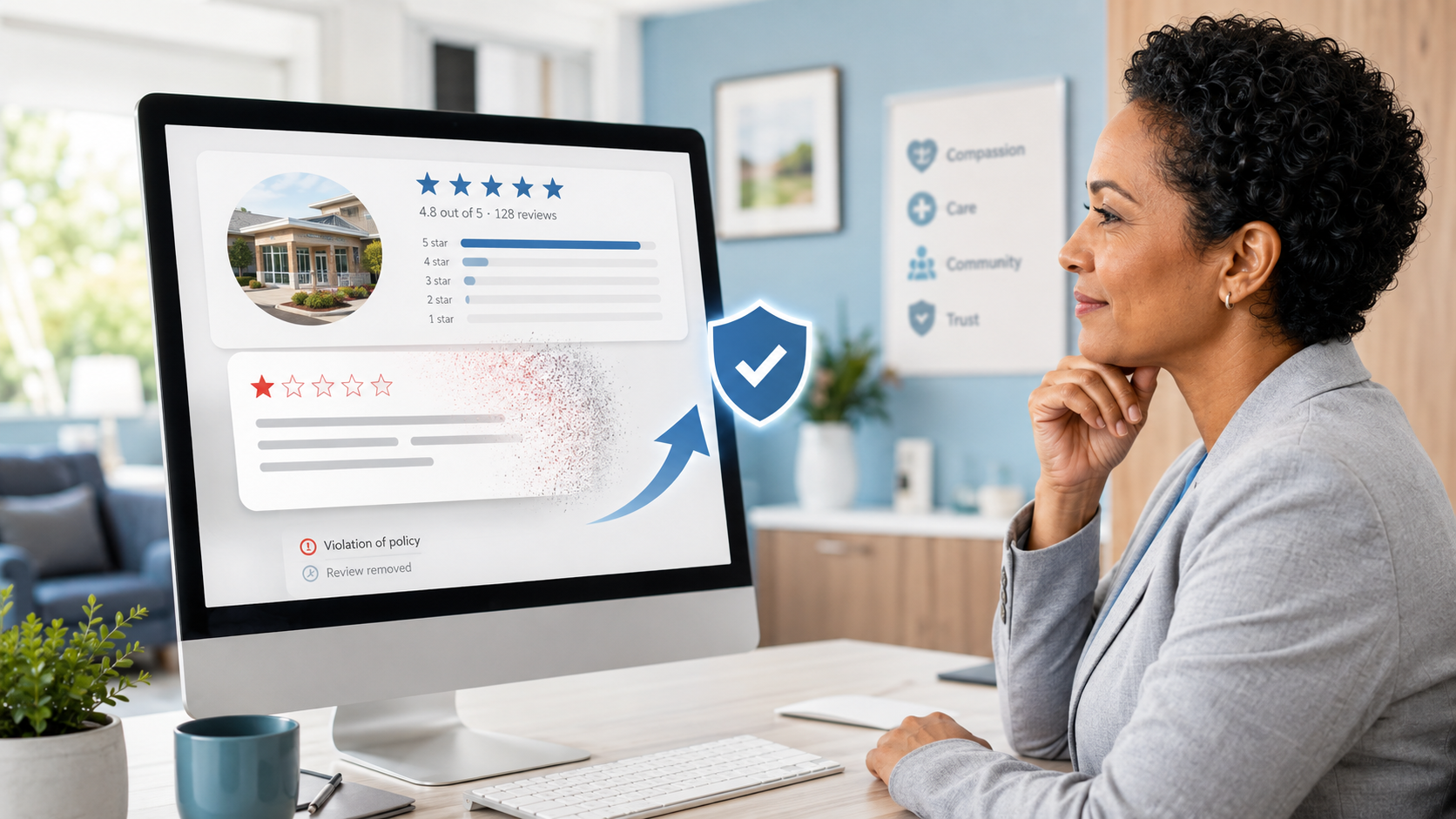
Can Negative Google Reviews Damage a Healthcare Organization? A sudden wave of negative Google reviews can seriously damage the reputation of a nursing home or medical practice. Families researching nursing homes often compare ratings, recent reviews, management responses, photographs, and overall review activity before scheduling a tour. Patients may perform the same research before choosing…
-
Google Review Management Agency That Helps Businesses Build Trust and Get More Customers
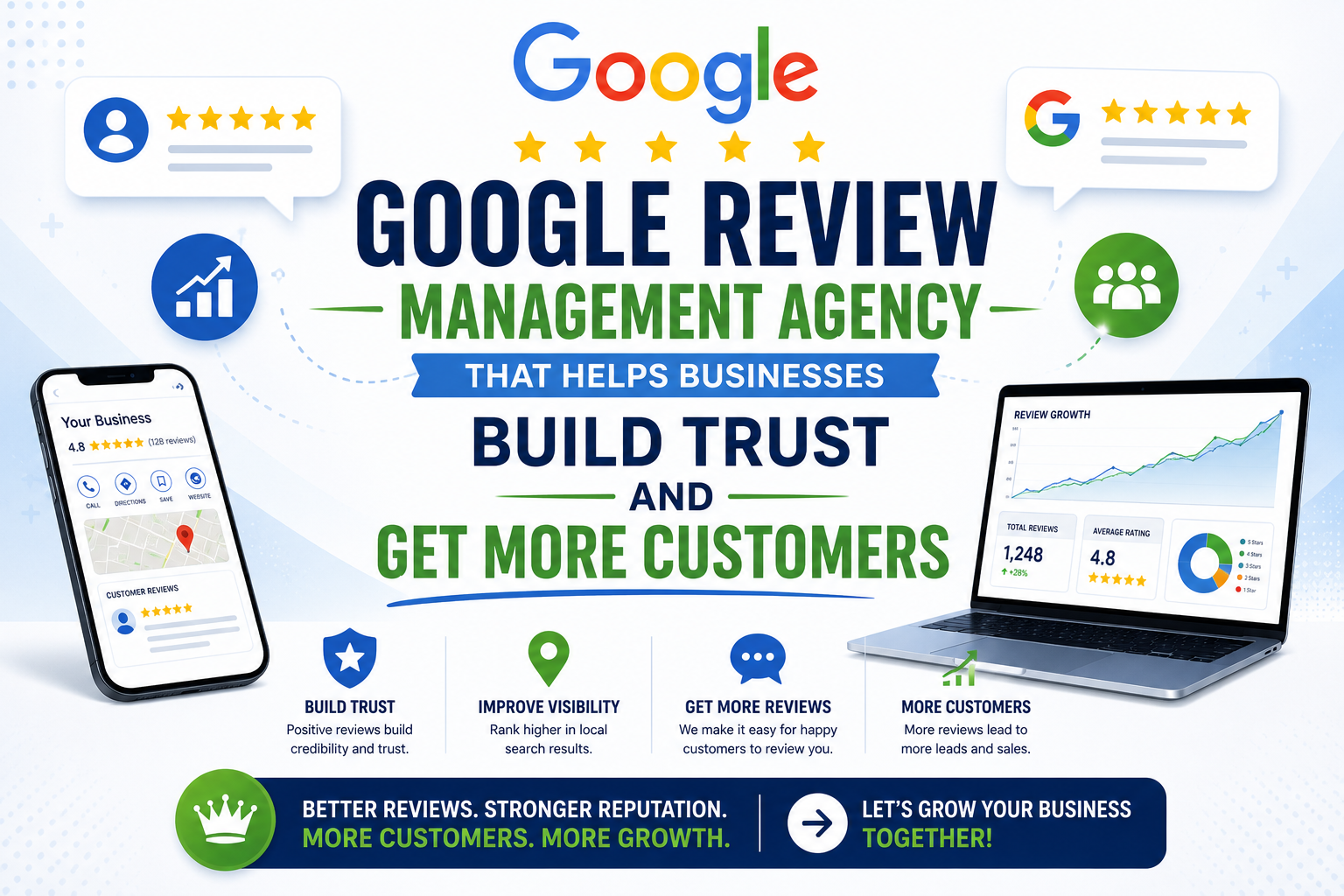
People trust Google reviews before they trust advertisements. Before contacting your business, potential customers usually search your company online and ask themselves one important question: “Can I trust this business?” That answer often comes from your reviews. Customers look at: If your business has weak reviews, outdated feedback, or unanswered complaints, customers may choose a…
-
How to Get New Patients in New York With Google Reviews

Your next patient in New York may decide whether to call your practice before ever speaking to your staff. Today, patients search, compare, and read reviews before choosing care. A 2025 survey found 84% of patients check online reviews before choosing a new healthcare provider. In 2026, 75% said they wouldn’t book with a provider…