
Why I Decided to Share This
It all started with a phone call from my sister. She had just finished her nutrition certification and was passionate about helping postpartum women lose weight in a healthy, sustainable way. But like many new entrepreneurs, she was overwhelmed trying to figure out how to start a business online.
As a web designer who’s worked with small businesses for over a decade, I offered to help—just some free advice, nothing fancy. But one conversation turned into a full-blown launch project: branding, website design, course delivery, SEO, and even reputation management. Watching her confidence grow (and her first paying clients roll in) made me realize how many other people could benefit from the same roadmap.
Whether you’re a coach, trainer, or nutritionist ready to build something real online, here’s exactly how I helped my sister—and how you can do it too.
Choosing the Right Weight Loss Niche
The first step? Focus.
My sister initially wanted to help “everyone” lose weight. But in the online world, a generic offer rarely gets traction. You need to be specific—especially in a saturated market like weight loss.
We explored a few promising options:
- Busy professionals — People with money but no time. They need structure and efficiency.
- Postpartum women — A group craving support and empathy, not judgment.
- Medical weight loss clients — Those who need safe, medically-backed solutions.
She connected most with postpartum women—and as a new mom herself, the message came from a place of authenticity. That emotional alignment made all the difference when it came time to write content, design the site, and connect with clients.
My advice: Choose a niche you understand or deeply care about. It’ll help your message resonate and make your business more sustainable long term.

How We Differentiated Her Program
There are thousands of weight loss programs online. I asked her, “Why would someone pick yours?”
Her answer: “Because I actually care.” Great—but we had to prove it with features and value.
Here’s how we made her offer stand out:
- 1-on-1 coaching sessions — Personalized accountability, not generic advice.
- Mental wellness integration — She partnered with a licensed therapist to offer optional emotional support.
- Culturally-aware meal plans — No generic PDFs. Her plans honored lifestyle, preferences, and dietary restrictions.
This mix of personalization and empathy helped us build a brand that didn’t feel like just another quick-fix program. It felt human—and in today’s online marketplace, that’s rare.
Smart Web Design Was the Game-Changer
This is where I fully stepped in.
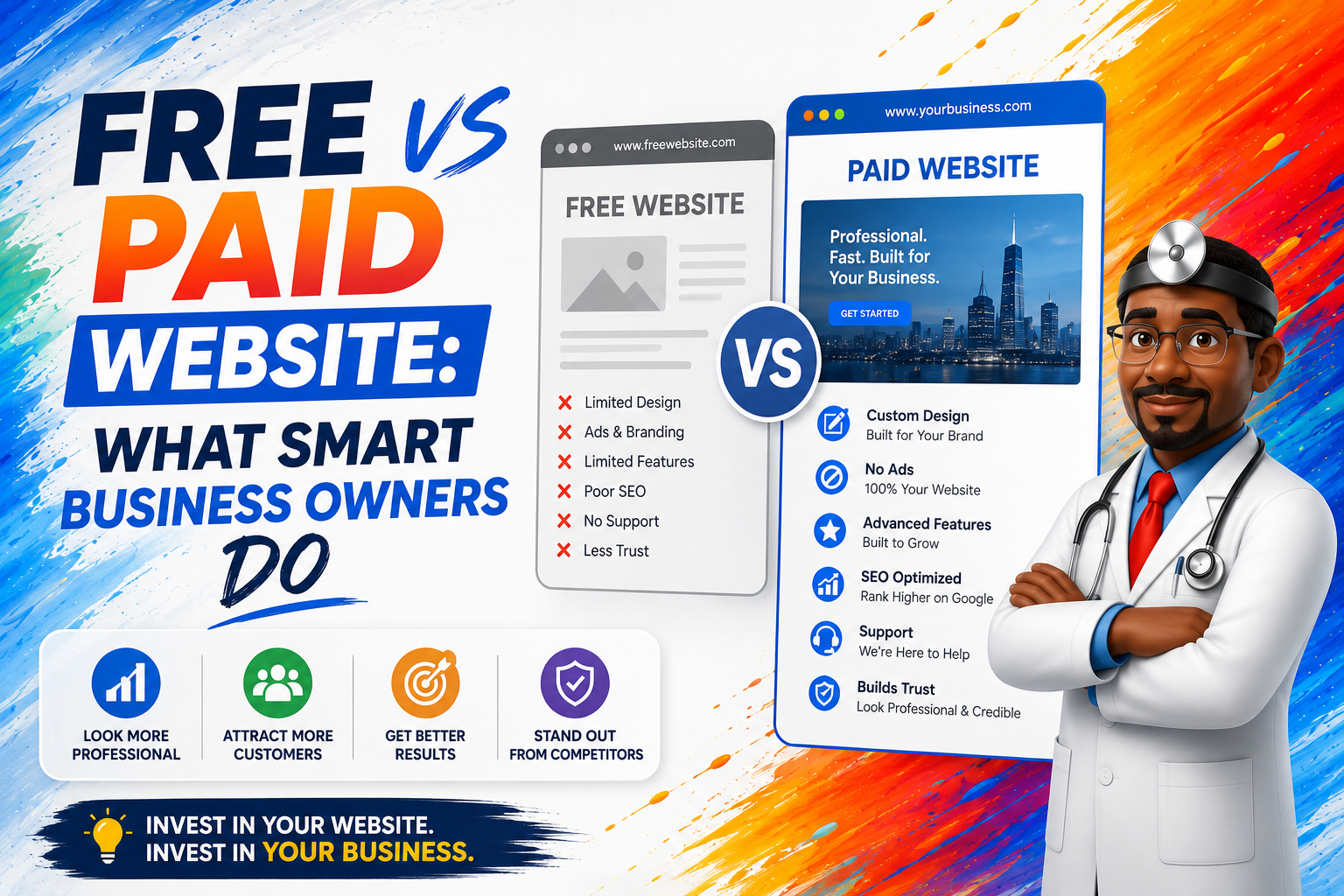
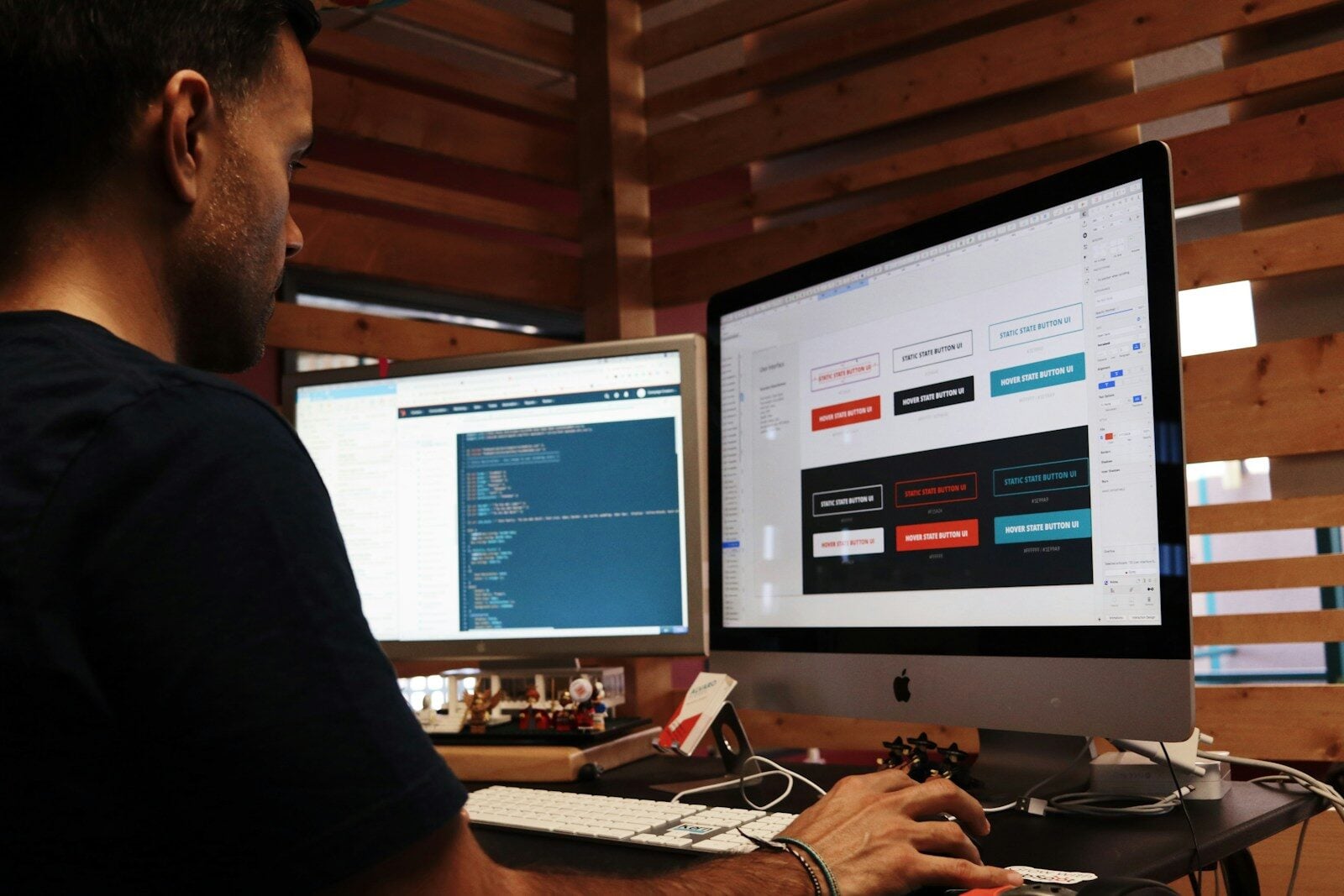
Your website is your storefront online. And unfortunately, people do judge a book by its cover. A sloppy or outdated website screams “unprofessional”—even if your content is gold.
We used WordPress as our platform. It’s affordable, flexible, and compatible with everything we needed. I added a membership plugin so she could host private video lessons, downloadable plans, and a client dashboard.
Here’s what we focused on:
- Mobile-first design — Most of her traffic came from Instagram. We optimized for speed, simplicity, and thumb-friendly navigation.
- Strategic CTAs — Every page had a clear action: “Join now,” “Book your free consultation,” or “Download a sample plan.”
- Trust-building elements — We added real reviews, before-and-after images (with consent), and connected her social proof from Google and Instagram.
If you’re not confident in DIY design, I highly recommend working with the team at Lookhin4.com. They specialize in small business sites with built-in SEO, performance, and conversion best practices.

Reputation Management: The Growth Lever Most People Ignore
Your online reputation is your business card in 2025.
Most people only think about it when something bad happens—but if you’re proactive, your reviews, testimonials, and mentions can actually drive traffic and sales.
Here’s what we set up:
- Automated review requests — Every client got a polite follow-up after 30 days asking for a review.
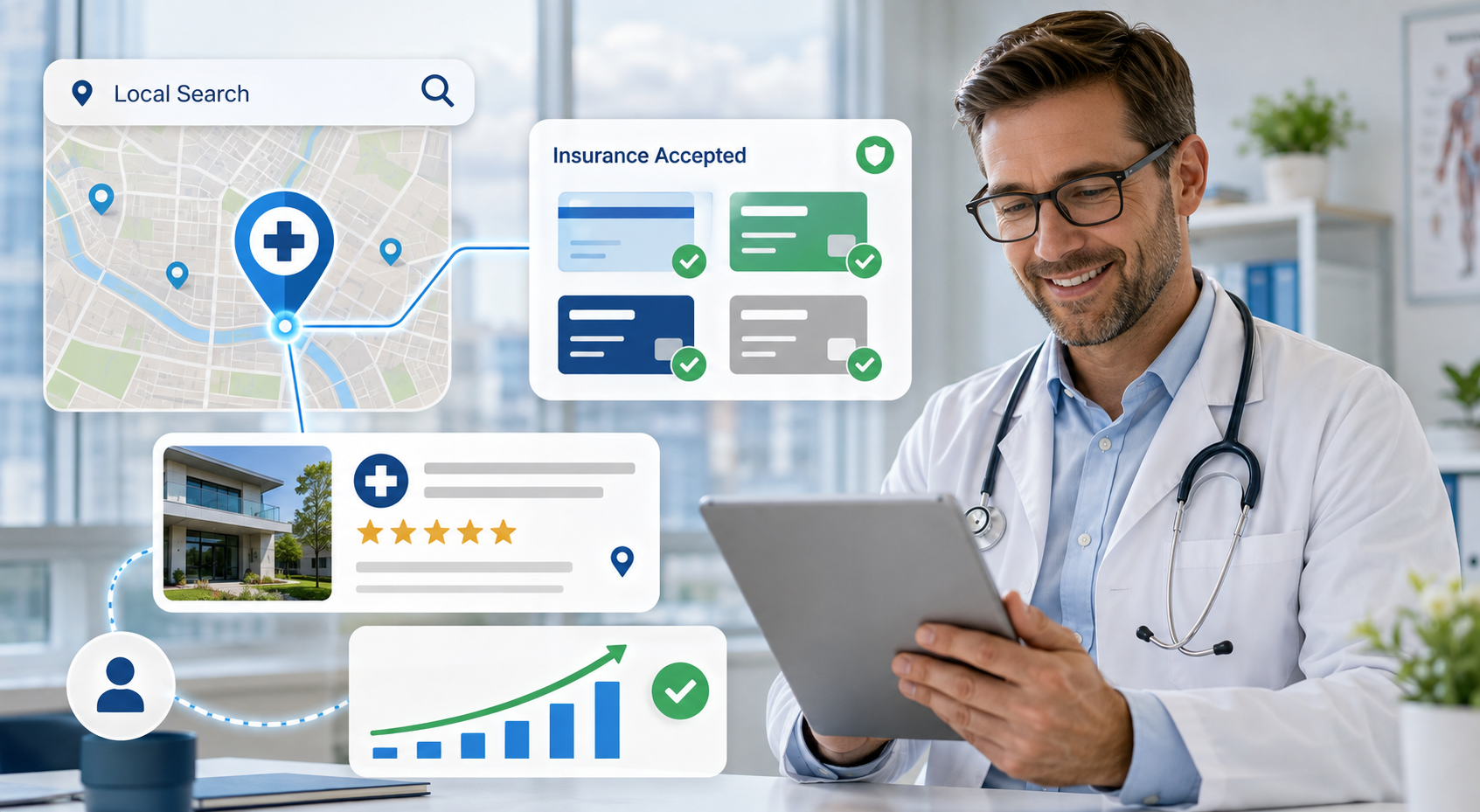
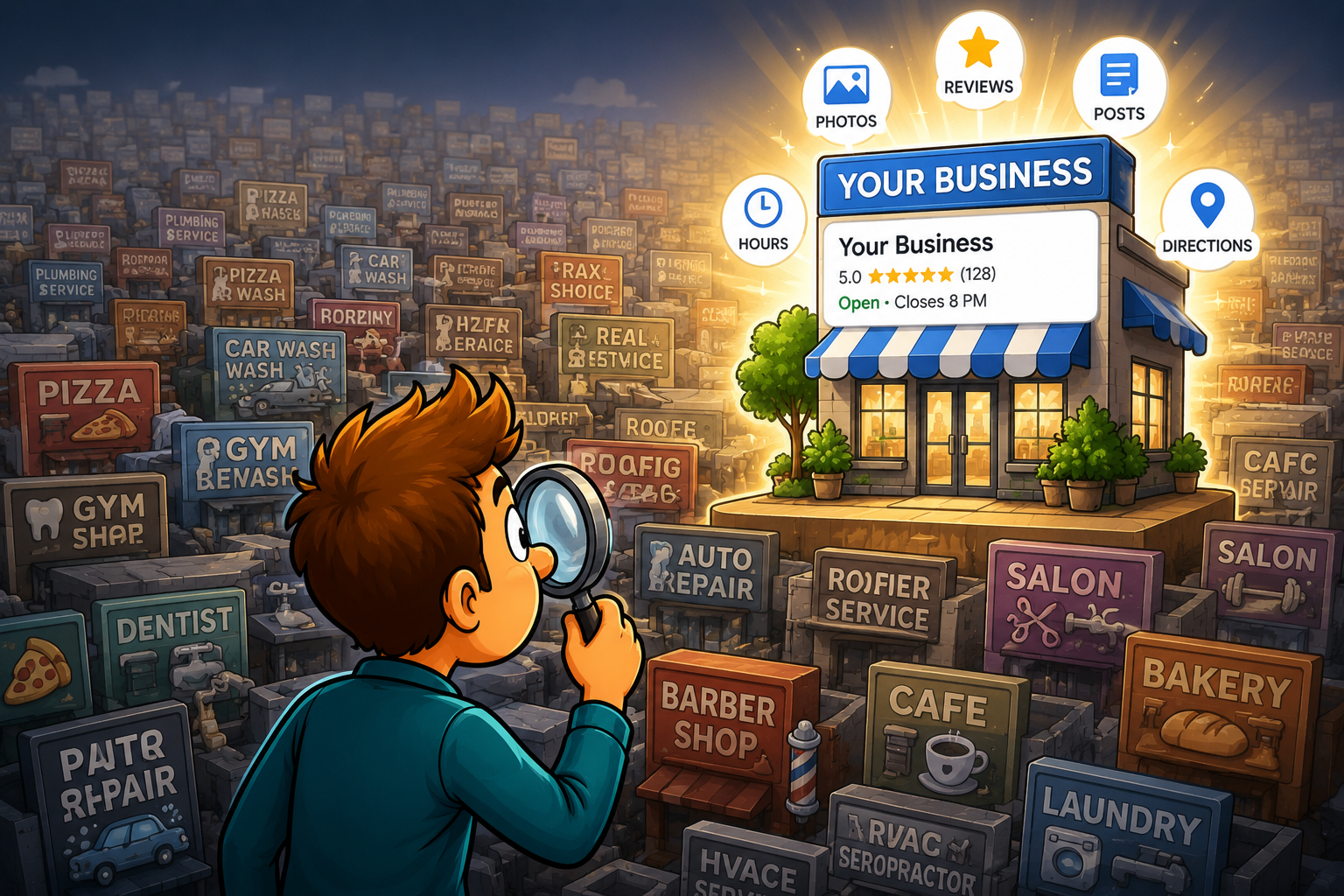
- Optimized Google Business Profile — Even for an online business, local trust helps visibility.
- Brand mention alerts — We used free tools like Google Alerts to track what people were saying.
We also turned those positive reviews into content: Instagram posts, carousel slides, and email features. And when the occasional negative feedback came in, she responded with transparency—which only built more trust.
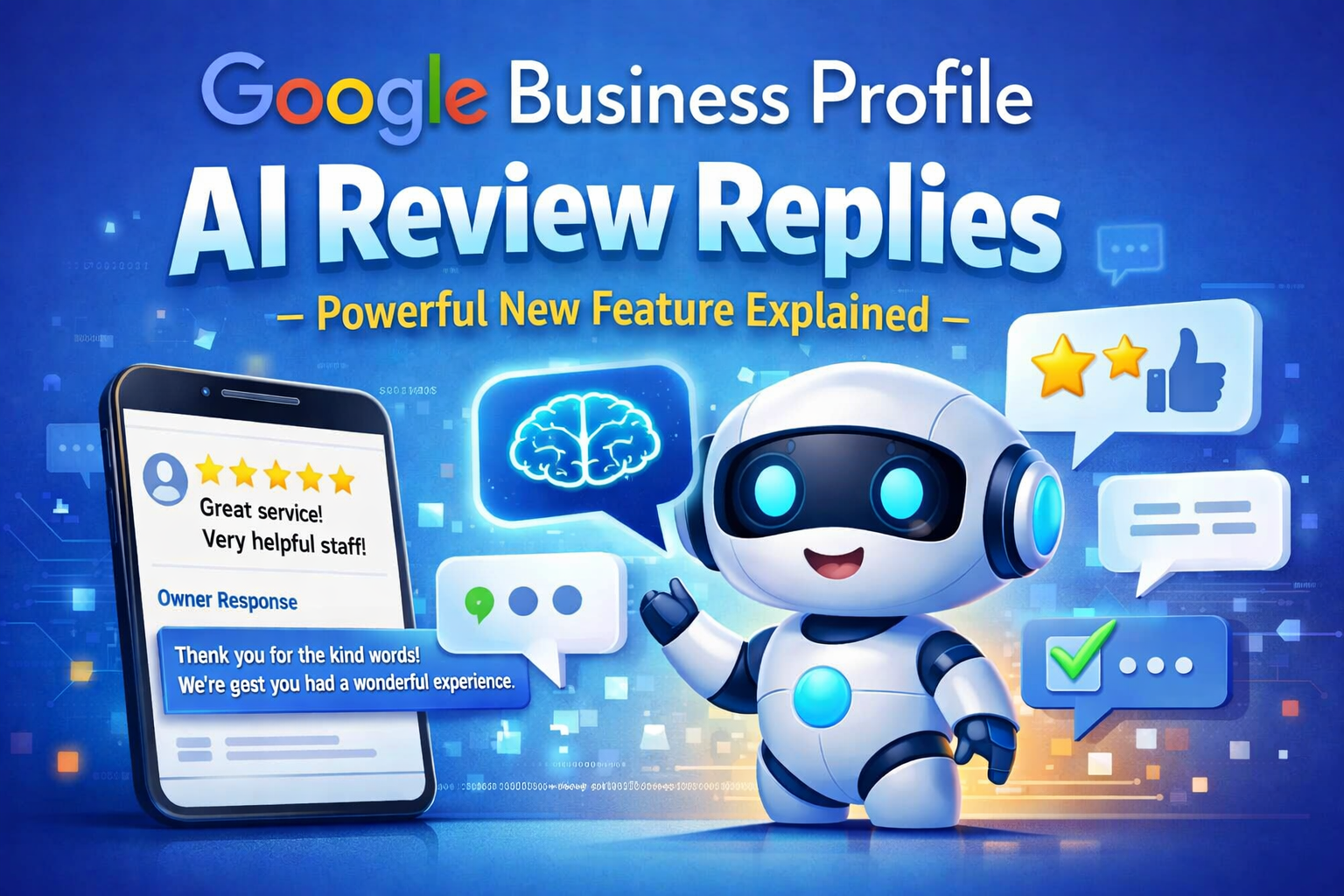
When things grow fast, managing your reputation gets tricky. That’s why I also recommended the online reputation services at Lookhin4.com. They’ve got monitoring, review response templates, and even crisis support for small business owners.
Building a Professional Online Presence
After helping my sister get the basics in place, I gave her some brotherly advice: “You’ve got the heart, now let’s give your brand a look that earns instant trust.” Because when you start online business ventures—especially something as personal as health coaching—how your site looks and feels will make or break it.
The Role of Web Design in First Impressions
I’ve seen it a hundred times: people with amazing services losing business because their website looks DIY or outdated. Visitors make snap decisions, often in under a second. Your homepage either invites them in—or drives them away.
So when I helped my sister start her weight loss business, I didn’t just hand her some branding tips. I built her site to be clear, confident, and conversion-focused. The fonts were clean. The color scheme conveyed trust. Navigation was effortless. If you’re serious and want to start online business projects that grow, design isn’t optional—it’s your digital handshake.
Choosing WordPress or Course Platforms
I get asked this all the time: Should I use WordPress or a dedicated course platform like Kajabi or Teachable?
For my sister, WordPress made the most sense. We needed flexibility, integrations, and full ownership of her content. But not just any WordPress setup—we needed something clean, mobile-first, and conversion-ready.
If you’re trying to start online business operations with the ability to scale, WordPress paired with the right builder is gold.
Why I Chose Lookhin4.com for My Website
This is where it gets personal—because Lookhin4 isn’t just a tool I recommend, it’s my own software and service.
Lookhin4 is the exact platform I use every day for my own digital marketing business. It’s the site builder and growth framework I created specifically for small businesses who need real results, fast. I use Lookhin4 to build my own websites, landing pages, sales funnels, and email capture systems—and I also offer it as a service to my clients.
When I built my sister’s site, I used Lookhin4 for everything: the design, SEO foundations, lead magnet integration, testimonials, even appointment booking. Because I know what it can do.
What makes Lookhin4 different from DIY builders? Simple:
- It’s optimized out of the box for mobile, SEO, and fast loading.
- I’ve included the exact templates and structure I use in my daily digital work.
- Clients can either have me build it for them or take the reins themselves.
- It grows with your business—whether you’re booking 3 clients a month or 300.
If you’re trying to start online business efforts that don’t just look good—but also convert, grow, and scale—Lookhin4 is built for you.
Platforms to Host and Grow Your Weight Loss Business
Once we nailed the design and branding, we had to choose the right platform for delivering her services. When you start online business offerings—especially in wellness—your delivery method matters just as much as your marketing.
WordPress + Membership Plugins
We chose WordPress for its customization power and paired it with a premium membership plugin (I often use MemberPress or WP Simple Pay). This allowed us to:
- Offer gated content to paid members
- Host downloadable guides and video lessons
- Track member activity and engagement
This route is perfect if you want to start online business models that offer coaching, meal plans, or hybrid programs.
Thinkific, Teachable, and Kajabi for Courses
If you’re launching a structured, curriculum-style course, I often suggest looking into platforms like Thinkific, Teachable, or Kajabi. They’re not as customizable as WordPress, but they offer:
- Easy course creation and uploads
- Built-in payment processing
- Certification and quiz features
Just be aware—they come with monthly fees and some branding limitations. Still, they’re solid options if you want to start online business operations quickly and focus on content delivery.
Hosting Live Group Coaching via Zoom or YouTube
My sister’s premium program includes weekly group calls. We chose Zoom for its reliability and easy client access. If you’re aiming for reach, consider hosting via unlisted YouTube Live links embedded into your member dashboard.
Group coaching builds community and trust—two things you absolutely need when you start online business programs that depend on human connection.
🚀 Ready to Build a Website That Actually Grows Your Business?
If you’re serious about turning your idea into income, your website isn’t just a digital business card—it’s your entire storefront. I built Lookhin4 because my clients (and my own business) needed something better: a modern, mobile-first website builder made for small business owners, by someone who actually uses it every day.
✔️ Easy to use
✔️ Optimized for SEO and mobile
✔️ Includes proven templates I use for real clients
✔️ Built-in tools for lead capture, bookings, and more
Whether you’re just starting out or ready to scale, Lookhin4 gives you everything you need to launch with confidence—no coding, no guesswork.
👉 Start building now at build.lookhin4.com
Let’s make your brand impossible to ignore.
Marketing Your Weight Loss Program Online
Once my sister’s website and membership platform were up and running, I told her something that applies to every entrepreneur I work with: “A great program means nothing if no one knows it exists.” When you start a business online, marketing isn’t optional—it’s your oxygen.
These are the exact strategies we used to bring her first 100 leads through the (virtual) door.
Building an Email List with Lead Magnets
I always say your email list is your safety net—and for good reason. Algorithms change. Social platforms disappear. But an email list? That’s your direct line to clients and revenue.
For my sister, we created a simple but irresistible lead magnet: a free 5-day postpartum meal plan. It was something real moms could use immediately, and it positioned her as a trusted expert.
We built a landing page using Lookhin4 (because it’s what I trust to convert), and plugged in an email automation through MailerLite. Every new subscriber got the meal plan + a warm welcome sequence introducing her services.
If you’re about to start online business offers like coaching or courses, make this your first marketing priority: give value, earn trust, and capture those emails early.

Social Media and Influencer Marketing
Here’s something a lot of new business owners don’t realize: You don’t need a massive following—you just need the right people talking about you.
My sister didn’t have 10K followers, but she did have a few loyal postpartum clients. We encouraged them to post their results (with permission), and she reposted them with gratitude. That user-generated content started to snowball.
We also identified a few micro-influencers in the mom and wellness space. Instead of cold pitching, we sent them a free week of her program. A few posted. One even became a client.
If you want to start online business promotion on a budget, this kind of grassroots influencer strategy can build your brand faster than paid ads.
SEO Strategies to Rank for “start-a-business-online”
As someone who’s built and ranked dozens of sites, I always build SEO into every project from day one. And yes—I made sure my sister’s site could rank for competitive and long-tail keywords, including “start-a-business-online.”
Here’s what I focused on:
- Keyword placement in headlines and page titles (especially service pages)
- Using the blog to publish helpful, niche-relevant content (e.g., “How to Lose Baby Weight While Breastfeeding”)
- Optimizing for mobile and speed, which is baked into Lookhin4’s architecture
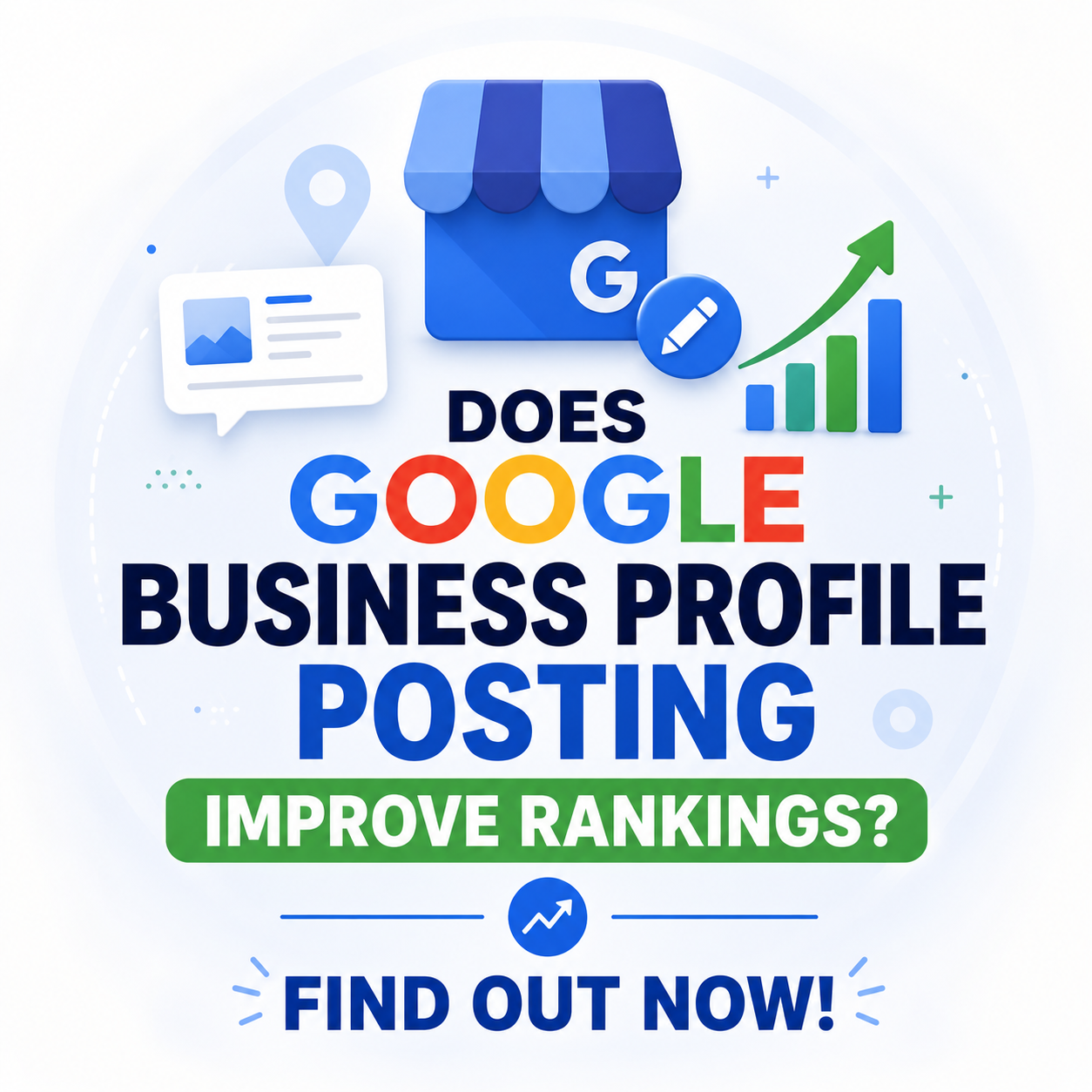
- Local SEO, even for online-only brands (claim your Google Business Profile!)
Tools and Tech to Scale Your Business
After the first few paying clients, my sister asked me, “How do I keep up without losing my mind?” That’s when I shared another piece of hard-earned advice: if you want to start a business online and actually grow it, you need systems—not hustle.
You don’t have to be a tech expert, but you do need tools that handle the heavy lifting. These are the exact ones we used—and that I use every day in my own digital marketing work.
CRMs, Email Automation, and Scheduling
I helped my sister set up a simple tech stack that included:
- MailerLite for email marketing (affordable, easy, and powerful enough for segmenting)
- TidyCal for scheduling her free consultations and coaching calls
- Notion (integrated via Zapier) to track leads and client notes
If you’re getting ready to start online business workflows and want to avoid burnout, automating lead follow-up and appointment booking is a must. Clients appreciate the professionalism, and you free up your brain to focus on what matters most: delivering results.

Client Progress Tracking Tools
Weight loss clients need more than motivation—they need to see their progress. For that, we used:
- Google Sheets with shared access for tracking meals, workouts, and check-ins
- Loom to record personalized weekly feedback videos
- Canva to generate branded progress templates (which also doubled as great social proof!)
This might sound “basic,” but these tools work—especially when you’re just getting started. If you start online business offerings that depend on results (like coaching or consulting), showing measurable progress builds loyalty and referrals.
Using Analytics to Refine Your Offers
Here’s where I went full digital marketer.
After her first 10 clients, I installed tracking tools on her site built with Lookhin4. We used:
- Google Analytics 4 for traffic trends
- Microsoft Clarity for session heatmaps (where people click and drop off)
- Ubersuggest for SEO tracking and keyword gaps
What I Wish I Knew Before Starting
Even as someone who’s built websites and digital systems for a living, launching a service-based business with my sister taught me a lot. Helping her start a business online reminded me that strategy and software aren’t everything—people still need to feel seen, supported, and confident.
Here are three things I wish I had emphasized even more when we began.
The Importance of User-Centric Web Design
I used to think great web design was about clean code and stylish layouts. But when I helped my sister build her brand from scratch, I saw firsthand that user experience is what actually drives conversions.
It’s not about making the site look cool—it’s about helping someone who just landed on your page feel instantly:
- Safe
- In the right place
- Motivated to take action
When you start online business projects, keep asking: “Does this design serve me, or the user?” Once we simplified her site navigation, added clearer CTAs, and built out a mobile-first layout using Lookhin4, bounce rates dropped—and bookings doubled.
Why Reviews and Trust Signals Matter So Much
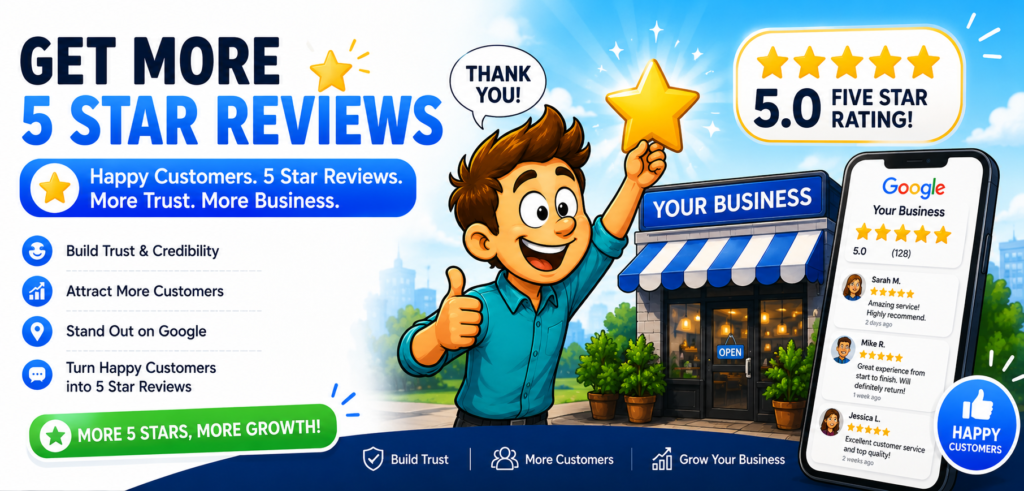
Here’s the truth: people don’t trust ads. They trust people. That’s why reviews, testimonials, and trust signals should be baked into your site from day one.
We made a point to collect feedback after every coaching call. Those early reviews—some short, some detailed—became the foundation for her credibility online. We turned them into:
- A dedicated testimonial section on the homepage
- Quote graphics on Instagram
- Screenshots of DMs posted (with permission)
Whether you’re helping people lose weight, fix their finances, or find balance, social proof will be your most powerful marketing asset. If you’re starting to start online business services, let your happy clients do some of the talking.
Investing in the Right Platforms Early On
I’ve seen too many people waste time and money jumping from one software tool to the next. That’s why I built Lookhin4—so small business owners could start smart, without all the guesswork.
With my sister, I knew that if we didn’t get the right platform from the beginning, we’d spend the next year fixing mistakes. That’s why we:
Skipped overhyped, bloated platforms that looked fancy but slowed her down
Used Lookhin4 for site design, SEO structure, and lead conversion
Paired it with lightweight tools like TidyCal and MailerLite