Why Go Through the Trouble to Make a Pretend Website?
Creating a pretend website might seem unnecessary at first glance, but it’s a practical and valuable tool for designers, developers, marketers, and educators. Whether you’re testing ideas, experimenting with layouts, or presenting mockups to stakeholders, pretend websites save time, reduce costs, and provide a risk-free environment for creativity.
This article explores the key reasons why making a pretend website is worth the effort, ethical considerations, and practical use cases for leveraging them effectively.

What Is a Pretend Website?
A pretend website is a mockup or non-functional webpage designed to replicate the appearance and structure of a real website. Unlike live websites, pretend websites don’t include fully operational features or backend functionality. Instead, they serve as a prototype or concept that allows designers, developers, and marketers to explore layouts, structures, and user flows without committing to full-scale development.
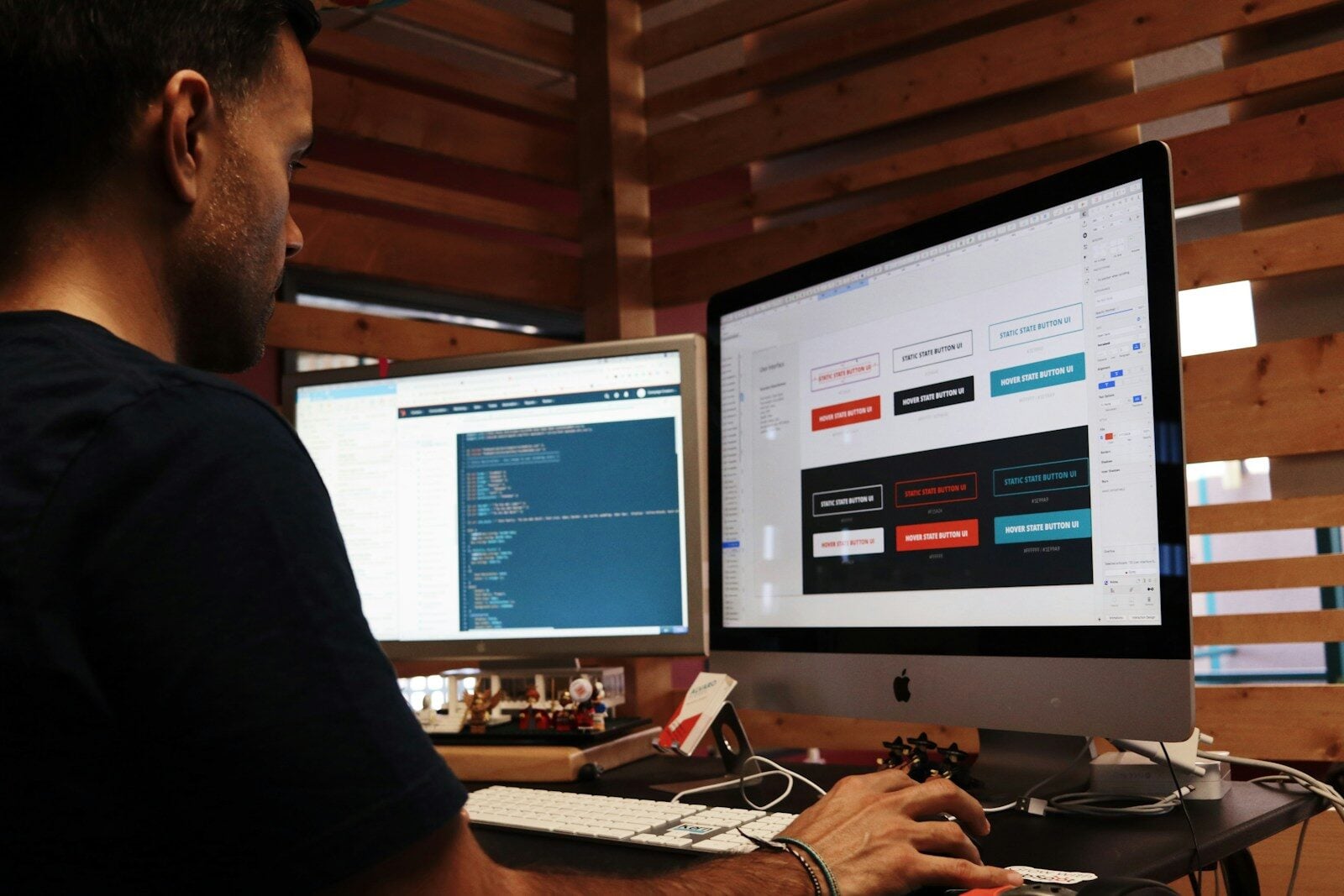
One of the primary uses of a pretend website is to experiment with designs or layouts. By creating a simulated version of a webpage, teams can visualize how various elements, such as navigation menus, hero sections, and CTAs, interact on-screen. This process helps refine the visual hierarchy and ensure that the layout is intuitive and aesthetically pleasing before any code is written.
Pretend websites are also valuable for testing user experiences. Designers can simulate user interactions, such as navigating menus or clicking buttons, to identify potential usability issues early in the development process. This ensures that the final design is functional and user-friendly, minimizing costly revisions after launch.
Additionally, pretend websites are excellent tools for presenting ideas to clients or stakeholders. They provide a tangible representation of a project, making it easier to communicate concepts and gather feedback. Importantly, pretend websites are not meant to mislead or deceive; they are tools for exploration, refinement, and collaboration.
Why Bother Making a Pretend Website?
1. Test Before You Build
Pretend websites allow you to validate ideas without committing resources.
- Designers can experiment with layouts and visuals.
- Developers can test navigation flows.
Example: Before building an e-commerce site, a pretend website can help test user behavior on a mock checkout page.
2. Experiment Without Risk
Pretend websites provide a safe space to experiment without going live.
- No risk of damaging a live website or confusing real users.
- Perfect for testing new ideas or layouts.
Pro Tip: Use a tool like Figma to create interactive prototypes that simulate real user interactions.
3. Save Time and Resources
Building a real website can be expensive and time-consuming. Pretend websites let you:
- Test concepts quickly.
- Share visuals and ideas with teams before committing to full development.
Stat: Prototypes reduce time spent in the design phase by 30%, according to industry surveys.
4. Improve Client Communication
Pretend websites are invaluable for showing clients or stakeholders exactly what you’re envisioning.
- Eliminate misunderstandings with clear visual mockups.
- Receive actionable feedback early in the project.
5. Enhance Learning and Practice
For students or aspiring developers, pretend websites are excellent for:
- Practicing coding skills in HTML, CSS, or JavaScript.
- Learning about user experience (UX) design without the pressure of launching.
Example: A pretend website could simulate a portfolio page to practice web development skills.
How to Make a Pretend Website
Step 1: Choose Your Tool
Select the right platform based on your goals:
For Mockups: Adobe XD or Sketch for high-fidelity designs.
For Beginners: Canva, Wix, or Figma.
For Developers: HTML, CSS, and JavaScript in a sandbox like CodePen.

How to Make a Pretend Website
Step 1: Choose Your Tool
Select the right platform based on your goals:
- For Beginners: Canva, Wix, or Figma.
- For Developers: HTML, CSS, and JavaScript in a sandbox like CodePen.
- For Mockups: Adobe XD or Sketch for high-fidelity designs.
Step 2: Plan Your Layout
Define the purpose of your pretend website:
- A landing page for testing conversions?
- A full website mockup for showcasing ideas?
Sketch a basic wireframe or outline before diving into design.
Step 3: Add Placeholder Content
Use placeholder text like Lorem Ipsum and free stock images from platforms like Unsplash. Add buttons or links to simulate functionality without actual coding.
Step 4: Share and Gather Feedback
Export your pretend website as a sharable file or host it on platforms like Netlify or GitHub Pages for stakeholder review.

Ethical Considerations
While pretend websites are useful, it’s important to use them ethically:
- Be Transparent: Clearly label the site as a prototype or mockup.
- Avoid Deception: Never impersonate real companies or create false data to mislead users.
- Respect Copyrights: Use royalty-free images and avoid copyrighted material without permission.
Creating a pretend website is about testing, experimenting, and perfecting your ideas before going live. Whether you’re a beginner learning web design or a professional presenting a concept, the benefits are worth the effort. So, grab your tools, start building, and let your creativity shine! 🚀