
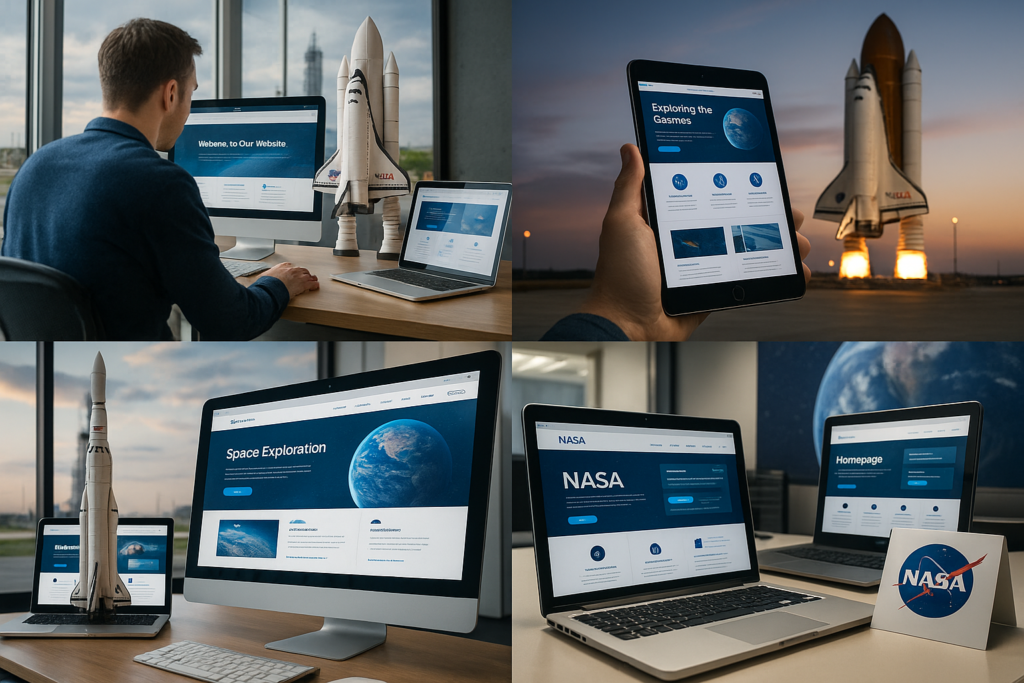
NASA is known for rockets, astronauts, and exploring deep space. But something even more impressive sits behind every mission: testing. Lots and lots of testing.
In university classes, students often hear this idea said simply:
“Measure twice, launch once.”
NASA follows this rule every day. And surprisingly, it’s the same rule that can help any website—especially small business websites—run better, load faster, and feel more trustworthy.
Let’s break it down in a friendly way that works both for UNI students and anyone learning web design.

NASA’s Big Secret: Careful Testing Saves Everything
NASA never rushes. They test every tiny detail because even a small mistake can turn into a big problem in space.
One NASA engineer explained it perfectly:
“Testing isn’t a step. It’s a culture.” — NASA Systems Engineering Handbook
If you want to see how deeply NASA tests things, you can check it out here:
They test:
- Tools
- Software
- Communication systems
- Safety systems
- And every system that links them together
Why? Because catching issues early saves lives, money, and time.
Your website is obviously not a spaceship…
But the idea still fits.

🧑💻 Website Testing Matters More Than You Think
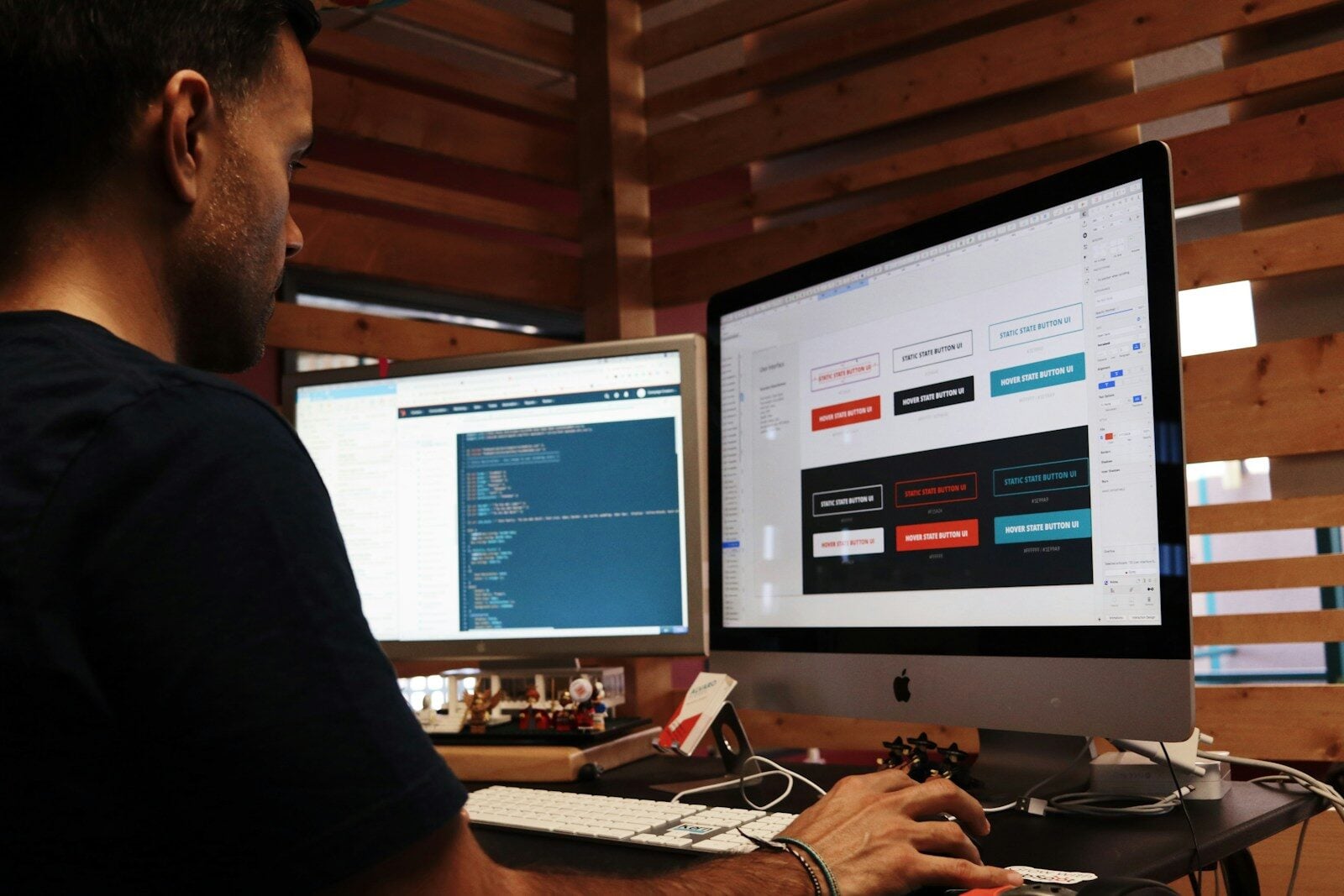
Whether you’re a UNI student building your first project, a new freelancer in web design, or a small business owner updating your site—testing is the part most people skip.
And that’s where problems begin.
A website should be checked regularly for things like:
- slow loading
- broken links
- confusing text
- bad mobile layout
- missing buttons
- errors in forms
Think of your website like a class assignment or final project. If you don’t test it before turning it in, something is always missing.
Google even says that website performance affects ranking, user experience, and trust:
🔗 https://developers.google.com/search/docs/fundamentals/seo
A tested website feels smoother and more professional—no matter what it’s for.
🚦 What NASA’s Mindset Can Teach Every Website Owner
NASA does something very simple:
They slow down early so things don’t break later.
It’s a powerful lesson for all digital work.
Here’s how that idea applies to your website:
✔ Catch problems before people notice
If a customer finds a broken button before you do, you might lose them forever.
✔ Fix small issues before they get bigger
A slow website today becomes a “no traffic” website later.
✔ Build trust through smooth, error-free pages
Users stay longer on websites that actually work.
As one professor once told my class:
“Good design is invisible. Bad design is unforgettable.”
📱 Easy Website Tests Anyone Can Do (No Tech Degree Required)
You don’t need NASA tools—just a few simple checks:
1. Speed Test
Slow sites lose visitors fast.
Try Google’s speed test here:
🔗 https://pagespeed.web.dev/
2.Mobile Check
Most people use their phones. Make sure your site looks great on:
- iPhone
- Android
- Tablets
If buttons are tiny or text is cramped, visitors leave.
3. Link + Button Test
Click everything.
Tap everything.
If anything doesn’t work, fix it immediately.
4. Content Clarity Test
Ask yourself:
- Does this make sense?
- Is the text too long?
- Is the message clear within 5 seconds?
Clarity keeps users from bouncing away.
🌍 NASA-Level Testing = Better Customer Experience
NASA tests because they need accuracy.
You test your website because you need trust.
When your website is easy to use, people:
- stay longer
- understand faster
- trust you more
- contact you more
- buy from you more
UX research shows that smooth, simple websites increase engagement significantly:
🔗 https://www.nngroup.com/articles/
You don’t need rocket science—just consistency.

Tools That Make Testing Simple
Here are beginner-friendly testing tools that feel almost “NASA smart”:
- GTmetrix → see what slows your site
🔗 https://gtmetrix.com - Google Mobile-Friendly Test → check your phone layout
🔗 https://search.google.com/test/mobile-friendly - Hotjar Heatmaps → see where people click
🔗 https://www.hotjar.com - W3C Link Checker → find broken links
🔗 https://validator.w3.org/checklink
Even university students use these in first-year web design courses—they’re that easy.
Eleanor Harris (American, 1901-1942)
✔ Quick NASA-Inspired Website Checklist
Use this once a month:
- ☐ Pages load fast
- ☐ Buttons & links work
- ☐ Forms send correctly
- ☐ Looks good on phones
- ☐ Simple navigation
- ☐ Text is clear
- ☐ Contact info is easy to find
- ☐ No broken images
- ☐ Homepage message is clear in 5 seconds
- ☐ CTA buttons stand out
If NASA double-checks everything, so should you.
⭐ Conclusion: Test Like NASA—Even If Your Website Isn’t Going to Space
NASA succeeds because they test everything with care, patience, and purpose.
Your website doesn’t need space-level engineering, but it does need that same mindset.
A well-tested website:
- loads faster
- works better
- builds trust
- brings in more customers
Whether you’re a UNI student learning web design, a freelancer, or a small business owner, adopting NASA’s testing habits will make your website stronger, safer, and more reliable.
“In space, you only get one launch. On the web, every day is launch day.”
Related Articles
Website Technology and Integration Questionnaire
The Smart Way to Test Ideas: Pretend Website Prototyping.
Best Web Design Software for Beginners to Pros (Tried & Tested)