
A new approach to retail is helping entrepreneurs survive rising costs. The story behind this small business collective Richmond model shows how collaboration can solve one of the biggest problems facing small businesses today—high rent.
According to a local news report published on April 2, 2026, several small business owners in Richmond, Virginia are working together by sharing a storefront instead of renting separate spaces.
What Is Happening in Richmond

Instead of operating alone, multiple businesses are joining forces inside one shop called Kind Hearted Goods in the Church Hill neighborhood.
Why This Story Matters
For many small businesses, rent is one of the biggest expenses. This model shows a practical way to reduce costs while still reaching customers.

The Problem: Rising Retail Costs
High Rent Challenges
Retail space is becoming more expensive. Market listings show that retail rent in Richmond averages around $21 per square foot, making it difficult for small businesses to afford their own locations.
Impact on Small Businesses
High rent can lead to:
- Limited growth
- Financial pressure
- Business closures
Many entrepreneurs are forced to rethink how they operate.
The Solution: A Shared Storefront Model
How the Collective Works
The businesses inside Kind Hearted Goods share:
- Rent
- Store space
- Work responsibilities
Each business takes turns managing the shop.
Cost Sharing and Responsibilities
A business post tied to the shop explains that each member:
- Pays part of the rent
- Covers one shop day per week
- Shares operational duties
The rent share has been listed at around $350 per business in earlier references.

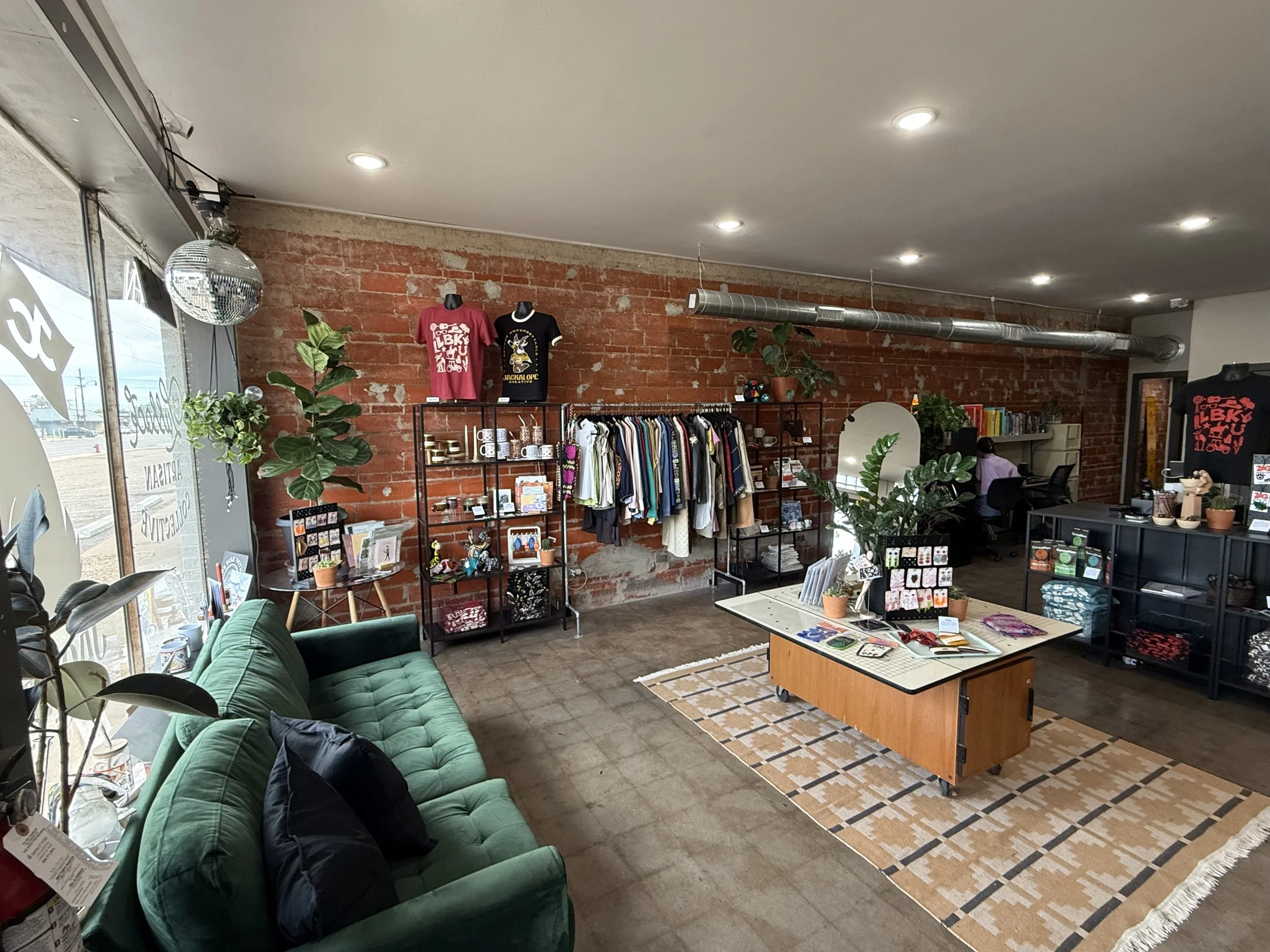
Inside Kind Hearted Goods
Location and Setup
The store is located at 2509 E Broad Street in Church Hill, Richmond, Virginia, and operates as a collaborative retail space.
Businesses Involved
The shop includes multiple small brands, such as:
- Dottir (a Nordic-inspired boutique)
- Toy Blossom Co.
These businesses operate together under one roof.
Real Owners Behind the Model

Featured Entrepreneurs
The report highlights several business owners involved in the collective, including:
- Tippy Tippens
- Lauren Williams
- Skyler Carpenter
These entrepreneurs represent the growing trend of collaboration over competition.
Financial Breakdown of the Model
Rent Sharing Example
Instead of paying full commercial rent alone, each business contributes a smaller amount.
Example:
- Traditional rent: High monthly cost
- Collective model: Split between members (~$350 each based on earlier data)
Cost Efficiency
This reduces financial risk and makes it easier to stay in business.
Why This Model Is Gaining Attention
Flexibility and Affordability
This model allows businesses to:
- Lower expenses
- Test products in a retail space
- Reach new customers
Community Support
It also builds a sense of community among business owners.
Risks and Limitations
What Is Not Fully Verified
Some details in the report should be treated carefully:
- The exact number of businesses (reported as six at one point)
- The exact donation total shown in-store (reported as $91,624)
These figures are based on reporting and not fully confirmed by independent data.

What Other Small Businesses Can Learn
Applying the Model
Small business owners can consider:
- Sharing retail space
- Partnering with other brands
- Reducing overhead costs
Adapting to Local Markets
This model may not work everywhere, but it shows how creative thinking can solve real problems.
FAQs
1. What is a small business collective?
It is a group of businesses sharing space and costs.
2. Where is Kind Hearted Goods located?
In Church Hill, Richmond, Virginia.
3. How much does it cost to join?
Reportedly around $350 per business in earlier references.
4. Why are businesses using this model?
To reduce rent and stay profitable.
5. Is this model common?
It is becoming more popular in high-cost areas.
6. Does it guarantee success?
No, but it can reduce risk and improve chances of survival.
Conclusion
The small business collective Richmond model at Kind Hearted Goods shows how collaboration can help entrepreneurs overcome rising costs.
Instead of struggling alone, these business owners are working together to share space, reduce expenses, and build a stronger community.
For small businesses facing high rent, this approach may offer a powerful new path forward.

Related Articles
Latest Articles
-

Google Review Removal Service That Protects Your Reputation and Builds Trust
Can Negative Google Reviews Damage a Healthcare Organization? A sudden wave of negative Google reviews can seriously damage the reputation of a nursing home or medical practice. Families researching nursing homes often compare ratings, recent reviews, management responses, photographs, and overall review activity before scheduling a tour. Patients may perform the same research before choosing…
-
Google Review Management Agency That Helps Businesses Build Trust and Get More Customers
People trust Google reviews before they trust advertisements. Before contacting your business, potential customers usually search your company online and ask themselves one important question: “Can I trust this business?” That answer often comes from your reviews. Customers look at: If your business has weak reviews, outdated feedback, or unanswered complaints, customers may choose a…
-

How to Get New Patients in New York With Google Reviews
Your next patient in New York may decide whether to call your practice before ever speaking to your staff. Today, patients search, compare, and read reviews before choosing care. A 2025 survey found 84% of patients check online reviews before choosing a new healthcare provider. In 2026, 75% said they wouldn’t book with a provider…